



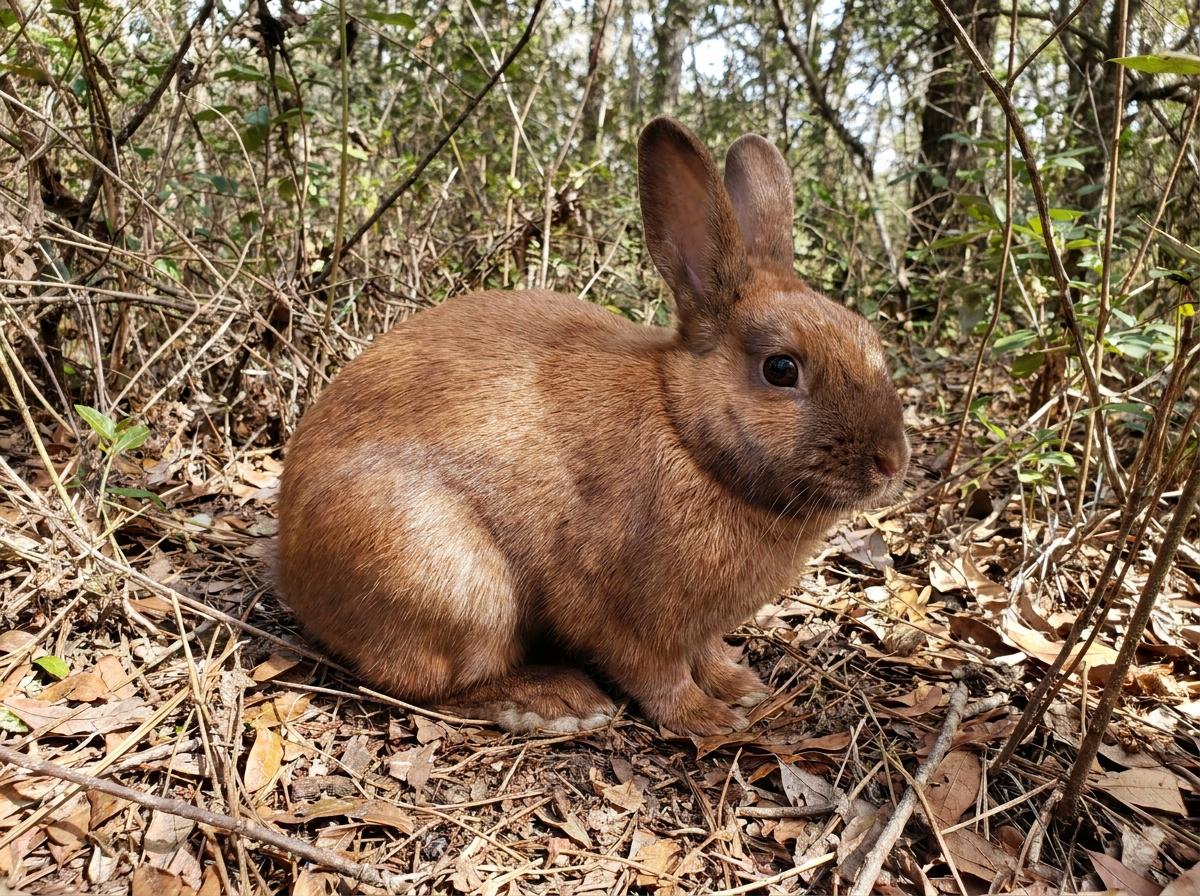
Mini Satin
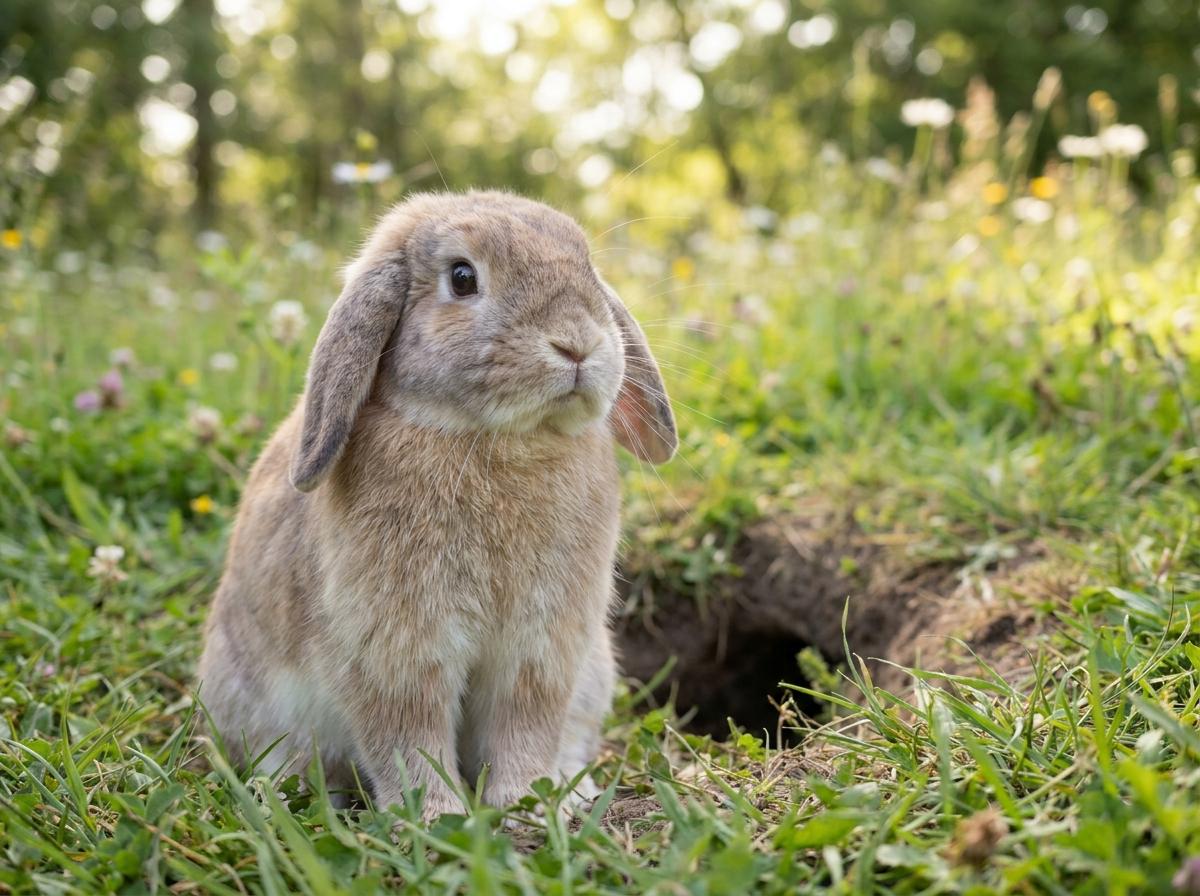
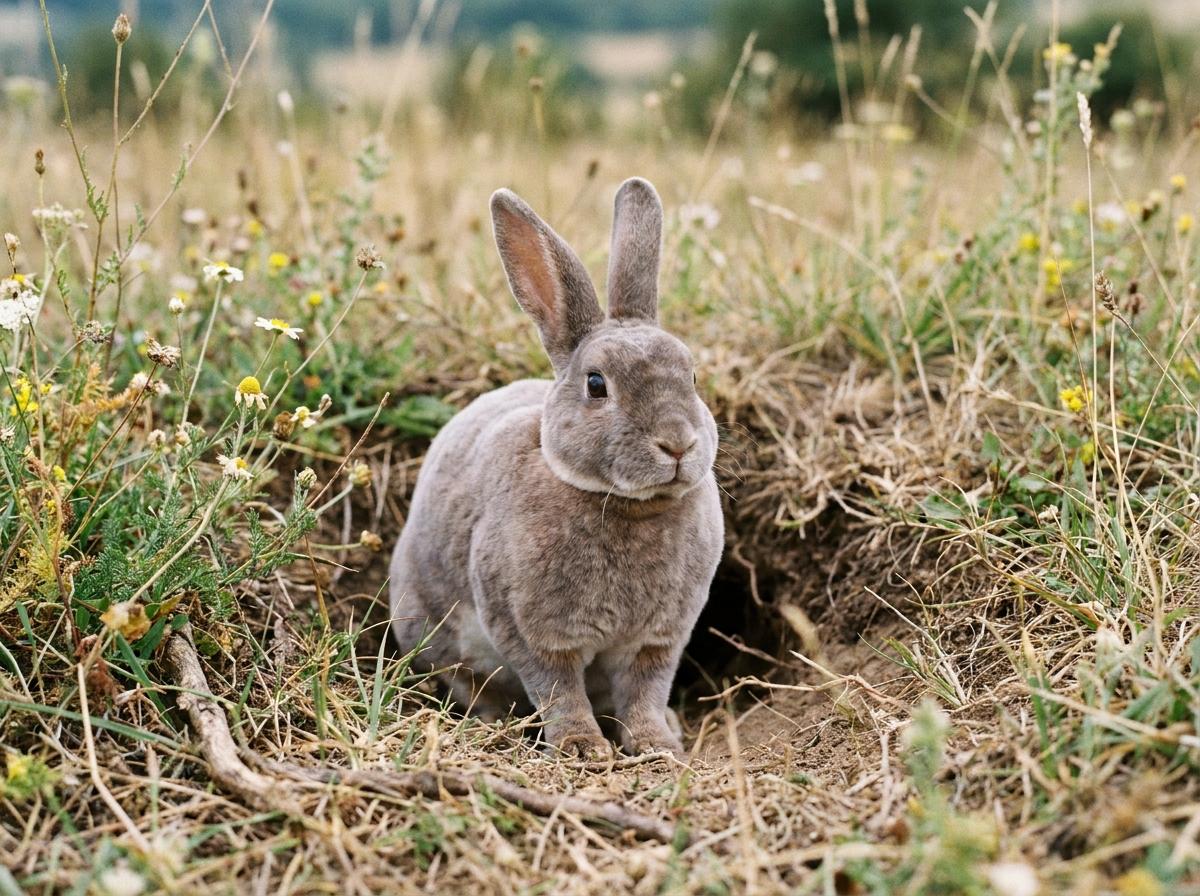
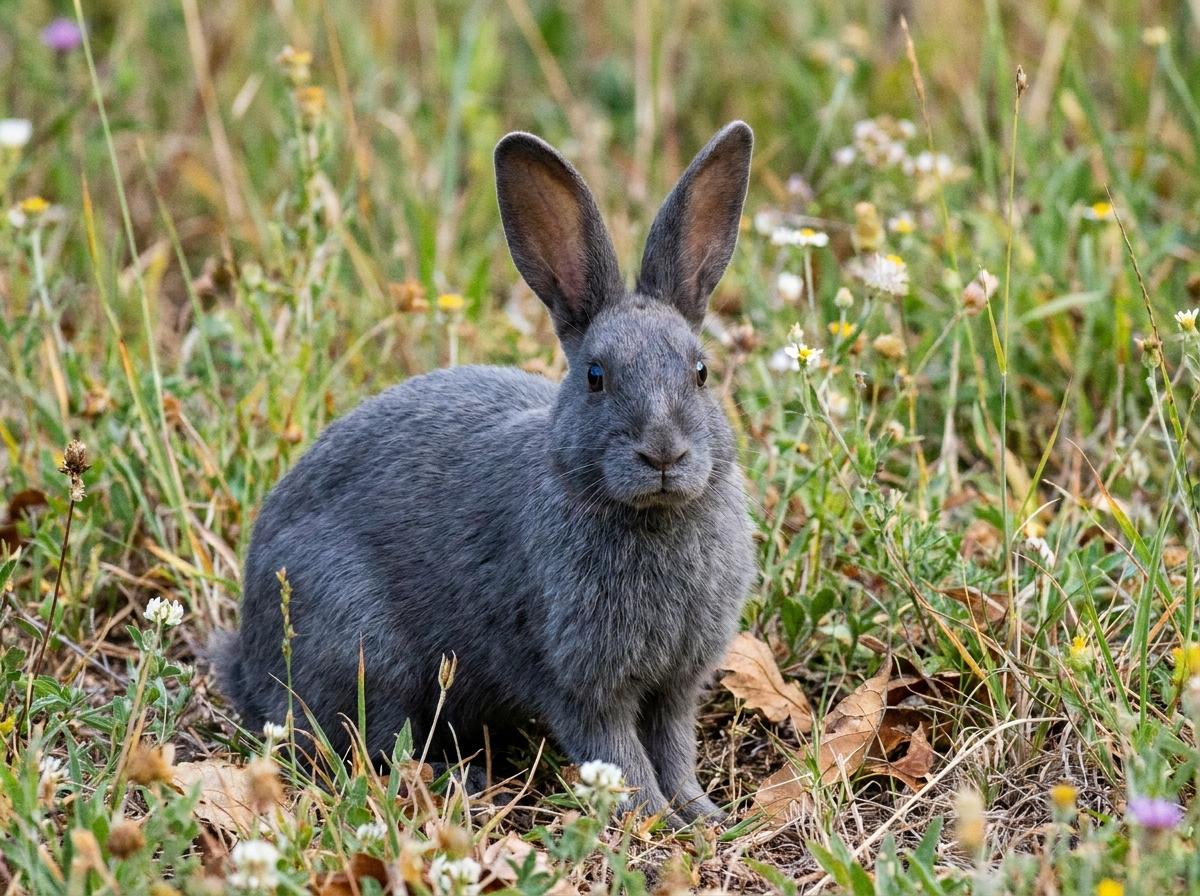
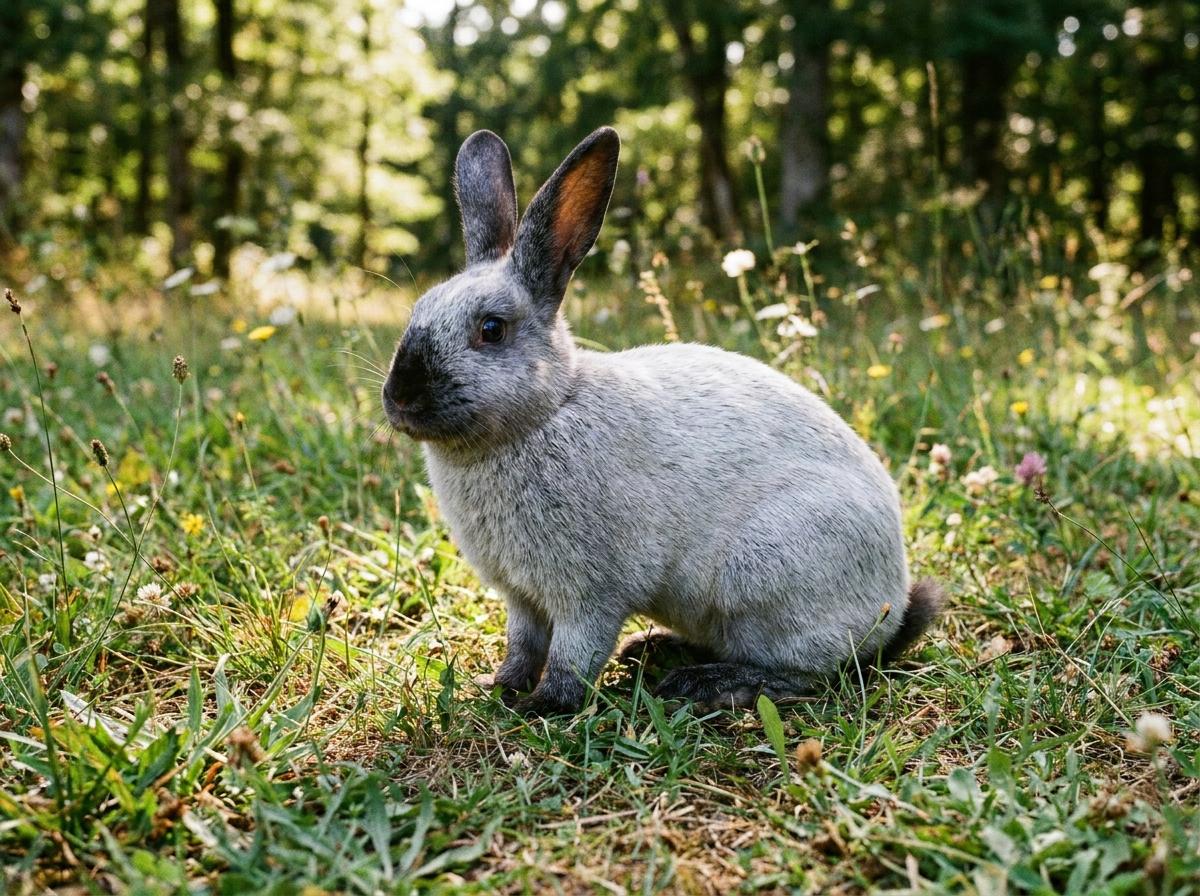
The Mini Satin is a small, compact American rabbit breed best known for one thing: its coat. That coat carries the satin gene, a recessive mutation that gives each hair a fine, translucent shell so the fur throws back light like polished silk, with the color underneath looking deeper and richer than an ordinary rabbit’s. Add a rounded, cobby body, a full head, and short erect ears on an animal that tops out around 4.75 pounds, and you have a rabbit that looks like a full-size show breed shrunk down and lacquered. This page covers what the Mini Satin is, where it came from, how the satin coat actually works, how it differs from the larger Satin rabbit it descends from, the show colors it comes in, and how to care for one as a pet, with links to trusted breeders and a place to keep its records at the end.

Browse listings, public profiles, breeders, or add your animal.
What is a Mini Satin rabbit?
The Mini Satin is a compact, small-breed rabbit recognized by the American Rabbit Breeders Association (ARBA), the main governing body for rabbit breeds and shows in the United States. It is essentially a dwarfed version of the larger Satin rabbit: it keeps the trademark satin coat but packs it onto a small, rounded body that reaches only about 3 to 4.75 pounds at maturity, with an ideal show weight around 4 pounds. ARBA classifies it as a compact body type, the same broad category as breeds like the Mini Rex.
Two things define the breed. The first is size. This is a genuinely small rabbit, which is part of why it appeals to people keeping a rabbit indoors or in limited space. The second, and the reason the breed exists at all, is the coat. The satin coat is not a color or a pattern. It is a structural change to the hair itself that makes the whole animal look glossy and jewel-like. We break that down in its own section below, because it is the single most important thing to understand about this breed.
If you are still comparing small rabbit breeds, the broader Creatures rabbit species page is a good place to line the Mini Satin up against other compact and fancy breeds. Two close relatives are worth a look while you decide: the Silver Marten, which is also shown in a satin coat variety and shares the tipped, marten-style color pattern, and other fancy breeds in the batch below.
Origin and history
The Mini Satin is an American breed with a fairly recent and well-documented story. It was developed by J. Leo Collins of Salem, Ohio, who began working on a miniature satin-coated rabbit in 1992. To do it he crossed White Satins (for the satin coat), Florida Whites (for compact size and type), and Mini Rex (to bring in the dwarf gene that shrinks the animal down). The breed was originally worked under the name Satinette before settling on Mini Satin.
Collins first presented the rabbits at the ARBA Convention and Show in Wichita, Kansas in 2003, where two varieties, ruby-eyed white and red, were accepted for a first showing. The breed cleared ARBA’s multi-showing recognition process a few years later, with the white (ruby-eyed white) Mini Satin gaining full recognition in 2006. It was the association’s 47th recognized breed. Other colors were added in the years that followed as breeders presented them, which is why the Mini Satin now shows in a long list of varieties even though it started with a single white one.
That lineage matters for two reasons. It explains why the Mini Satin looks like a small Satin: it literally descends from the Satin. And it explains the coat, because the satin gene it carries traces all the way back to the original 1930s Satin discovery, which we come to next.

The satin coat, explained
The satin coat is the whole point of the breed, so it is worth understanding properly rather than treating it as just “shiny fur.”
The satin trait comes from a simple recessive gene. That means a rabbit has to inherit the satin version of the gene from both parents to show the satin coat. Two full satin-coated rabbits bred together produce satin-coated young, which is how the coat stays fixed within the breed. The mutation changes the structure of each individual hair. In a normal rabbit, the hair shaft has a fairly opaque, textured outer layer. In a satin rabbit, that outer shell (the cuticle) is thinner and more translucent, and the hair shaft itself is finer, so light passes into the hair and reflects back instead of scattering on the surface. The visible result is a bright, glassy sheen across the whole coat and a noticeable intensification of the underlying color, so a chocolate looks deeper, a red looks more vivid, and a white takes on a pearly luster.
This is not a grooming effect or a conditioning product. It is genetic and structural, which is why show judges can assess “sheen” as a real, heritable trait rather than a matter of how clean the rabbit is.
The trait has a clear history. It first appeared spontaneously in the 1930s in Pendleton, Indiana, in the Havana rabbits of a commercial breeder named Walter Huey, who noticed kits in his litters with an unusual shine and color intensity. He sent stock to Harvard University, where geneticists confirmed the shine came from a recessive gene affecting the transparency of the hair cuticle. That mutation is the founding trait of the full-size Satin breed, and it is the same trait carried into the Mini Satin decades later. So when you look at a Mini Satin’s coat, you are looking at a 1990s dwarf rabbit wearing a coat gene discovered in a 1930s meat-rabbit litter.
Mini Satin versus the full-size Satin
Because they share a name and a coat, the Mini Satin and the Satin get confused constantly. They are two separate ARBA breeds, and the difference is mostly size and body type.
The Satin is a large, commercial-type breed. ARBA’s ideal mature show weights for the Satin are on the order of 9.5 pounds for a buck and 10 pounds for a doe, and the breed can run from roughly 8.5 to 11 pounds. It has a longer, meatier, commercial body built on the frame of the Havana meat rabbits it came from.
The Mini Satin is a compact-type breed at roughly 3 to 4.75 pounds, ideally around 4 pounds. It is short, round, and cobby rather than long and commercial. In simple terms, a Mini Satin is somewhere in the range of a half to a third of the weight of a full-size Satin. Both breeds carry the identical satin coat gene, so the sheen is the same. If a listing or a seller is vague about which one you are looking at, weight and body type are the quickest way to tell them apart: a rabbit around 4 pounds and clearly cobby is a Mini Satin, while a rabbit approaching 9 to 10 pounds with a long commercial body is a Satin.

Colors and varieties
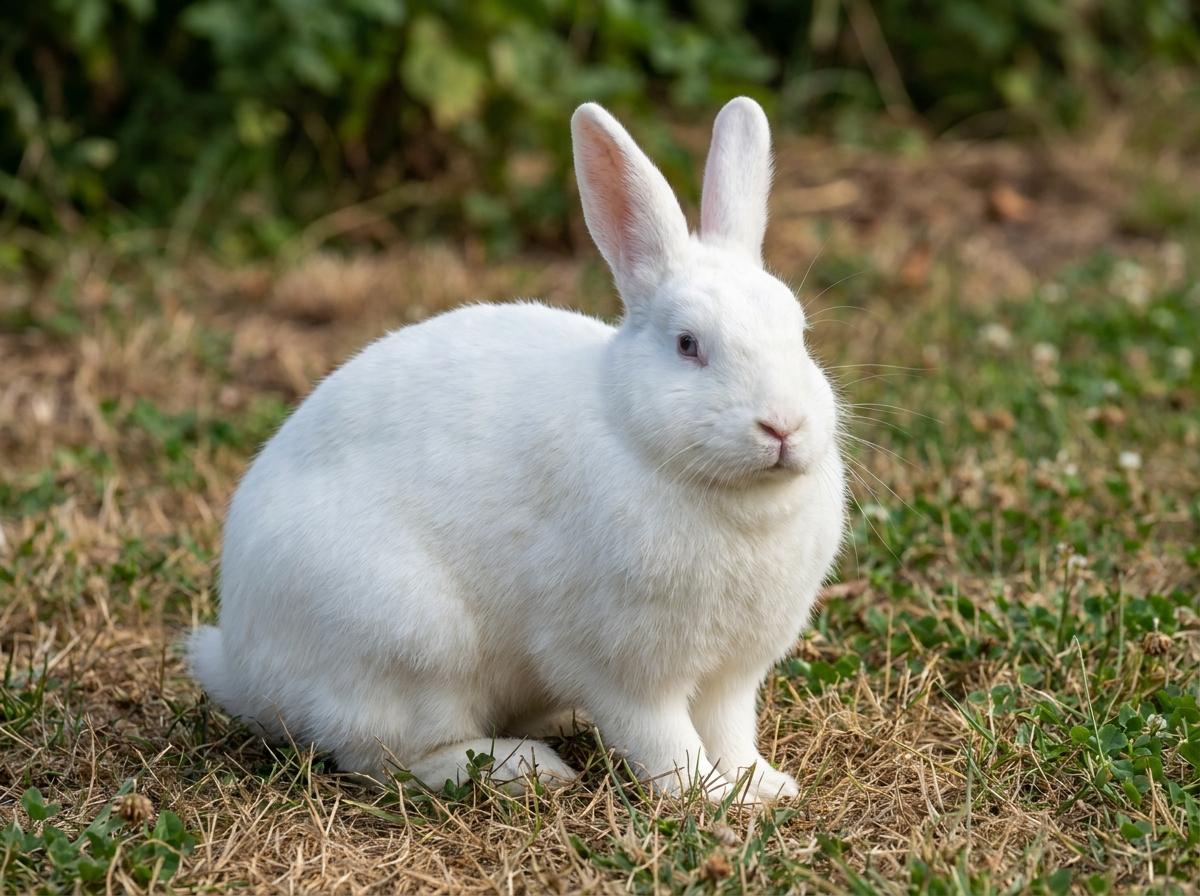
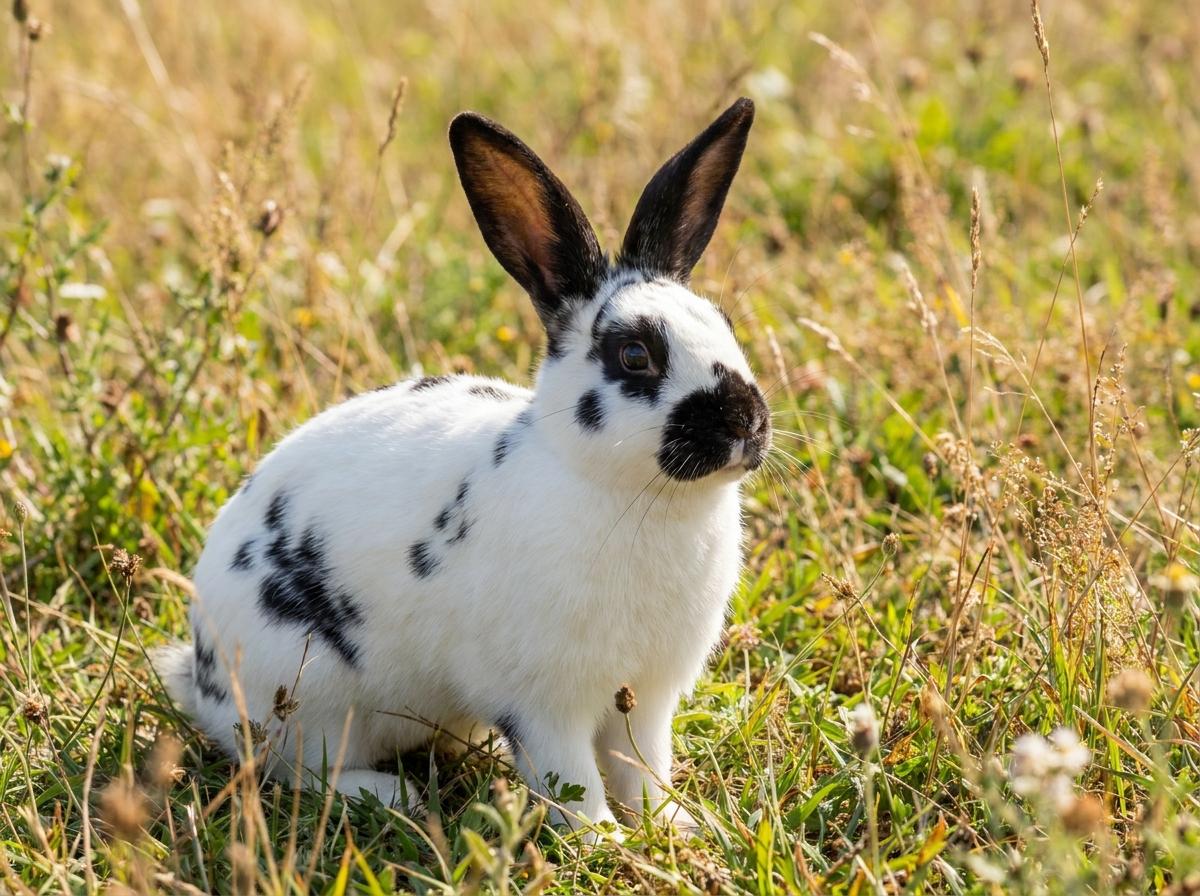
The Mini Satin started with a single showable color, the ruby-eyed white, and the breed’s parent club and breeders have added many more since. The recognized varieties now span a wide range of colors and patterns, including white, black, blue, chocolate, chinchilla, chocolate agouti, copper, himalayan, opal, otter, lilac, lynx, red, siamese, silver marten, squirrel, tortoise, and broken (a color-plus-white pattern). Exactly which varieties are showable is set by ARBA’s Standard of Perfection and updates over time as new ones are accepted, so treat any color list as a snapshot rather than a permanent roster, and check the current ARBA standard or the American Satin Rabbit Breeders Association if you are buying or showing to a specific variety.
Whatever the color, the satin sheen applies over the top of it. A black Mini Satin is not just black, it is a glossy, light-catching black, and the same holds for every other variety. That combination of a normal rabbit color with the satin hair structure is what gives the breed its jewel-toned look.
Temperament and what they are like to keep
Mini Satins are generally described by keepers and breeders as calm, docile, and people-friendly, which suits a small show and pet rabbit that is handled often. As with any rabbit, temperament varies with the individual and, importantly, with handling: a rabbit that is picked up gently and often from a young age, given space, and not startled tends to be far more relaxed than one that is rarely handled. We flag the “docile and friendly” description as the common practitioner view rather than a formally studied trait.
A few realities apply to any small rabbit and are worth knowing before you commit. Rabbits are prey animals, so many dislike being lifted off the ground and prefer interaction at floor level. They are social and do best with daily attention and, for many owners, a bonded companion rabbit. They are also not low-effort “starter” pets in the way they are sometimes marketed: they need space to move, daily care, and an exotics-capable vet. A Mini Satin’s small size makes it manageable indoors, but small does not mean disposable or hands-off.
Care and husbandry
The Mini Satin needs the same core care as any pet rabbit. None of it is exotic, but all of it matters, and rabbits hide illness well, so consistency and a good vet relationship do most of the work.
Diet
Diet is where most rabbit health is won or lost. The foundation is grass hay, offered free choice and always available. Veterinary and university sources put hay at roughly 70 to 80 percent of the diet, with timothy or orchard grass the usual choices for adults. The North Carolina State University veterinary hospital and the University of Guelph’s pet nutrition service both center the rabbit diet on unlimited grass hay, a smaller measured portion of pellets, and a daily serving of leafy greens, with treats kept minimal. Hay is not just food. The constant chewing wears down teeth that grow continuously, and the fiber keeps the gut moving. Low-fiber diets are a leading risk factor for gastrointestinal stasis, a dangerous slowdown of the gut that is a genuine emergency in rabbits. Fresh water must be available at all times.
Housing
Give a Mini Satin a clean, dry, draft-free space with room to stretch out, stand up, and hop, plus daily time out of any enclosure to exercise. Small breeds are often kept indoors, which suits them: it protects them from temperature extremes, predators, and the parasites and stress of outdoor life. Solid resting surfaces are kinder on the feet than bare wire. Rabbits also need enrichment (things to chew, dig at, and explore) to stay physically and mentally healthy.
Health and a rabbit-savvy vet
Rabbits are exotic pets and should see a veterinarian experienced with rabbits, not just any small-animal clinic. Have a vet check the teeth at each visit, since overgrown molars cause pain, reduced eating, and a cascade into gut trouble. Spaying and neutering is strongly recommended: it prevents unwanted litters, reduces hormone-driven behavior, and, in does, dramatically lowers the risk of uterine cancer, which is common in unspayed female rabbits. Watch closely for the warning signs of GI stasis, including not eating, not passing droppings, and a hunched, quiet posture, and treat any of them as an urgent reason to call your vet. Keep good records of weight, diet changes, vet visits, and any symptoms so you can spot a problem early and give your vet an accurate history. Defer all medical decisions to a veterinarian who can examine the animal.

Grooming
The Mini Satin’s short coat is low-maintenance. A weekly once-over and occasional brushing is usually enough, with a bit more attention during a molt when the rabbit is shedding. Rabbits groom themselves and can ingest loose hair, so brushing out sheds and keeping hay intake high (fiber helps move swallowed hair through) both matter. Do not bathe rabbits routinely: full baths are stressful and can be dangerous for them. Also check nails periodically and trim as needed.
Cost and where to find one
There is no single authoritative price for a Mini Satin, and prices vary a lot with the seller, the color, the quality, and your region, so we will not invent a precise figure. In general, a pet-quality small breed rabbit from a hobby breeder is typically modest in price, while show-quality animals with strong pedigrees and desirable varieties cost more. Whatever the price of the rabbit itself, budget realistically for the ongoing costs that dwarf it over the animal’s life: an exotics-capable vet, spay or neuter surgery, a proper enclosure and exercise space, and a steady supply of good hay.
Because the Mini Satin is a fancy show breed rather than a mass-market pet, the most reliable route to a healthy, correctly-identified animal is a breeder who knows the breed and can tell you the variety, weight class, and coat quality of what you are buying. You can browse Mini Satin rabbits on the Creatures marketplace and look for breeders in the Creatures directory. For a broader look at buying safely and what to check before you commit, see where to buy a rabbit. If you enjoy fancy breeds and are weighing your options, two others in this batch worth comparing are the Harlequin, known for its striking banded and split color pattern, and the American Sable, a shaded sepia breed with its own distinctive look.
Frequently asked questions
How big does a Mini Satin rabbit get?
Small. Adults generally weigh about 3 to 4.75 pounds, with an ideal show weight around 4 pounds, on a compact, rounded body. That makes it roughly a third to a half the size of the full-size Satin rabbit.
What makes the satin coat shiny?
A recessive gene changes the structure of each hair. The outer shell of the hair is thinner and more translucent and the shaft is finer, so light reflects back through the hair instead of scattering. The result is a glossy, sheeny coat with intensified color. It is genetic and structural, not a grooming trick.
Is the Mini Satin the same as the Satin rabbit?
No. They are two separate ARBA breeds that share the same satin coat gene. The Satin is a large commercial breed of roughly 8.5 to 11 pounds; the Mini Satin is a compact breed of about 3 to 4.75 pounds, developed later using Satin, Florida White, and Mini Rex stock.
What colors do Mini Satins come in?
The breed started with ruby-eyed white and now shows in many varieties, including black, blue, chocolate, chinchilla, copper, otter, red, siamese, silver marten, tortoise, broken, and more. The exact showable list is set by the ARBA standard and changes as new varieties are accepted.
How long do Mini Satin rabbits live?
There is no breed-specific authority on this, but well-cared-for pet rabbits commonly live around 8 to 12 years, sometimes longer indoors. Spaying or neutering, a hay-based diet, and a rabbit-savvy vet all help.
Are Mini Satins good pets for beginners?
They are a manageable size and generally friendly, which helps. But no rabbit is a low-effort pet: they need a hay-based diet, space and daily interaction, an exotics vet, and ideally spay or neuter. A prepared beginner can do very well with one; an unprepared one will struggle with any rabbit.
Do this next on Creatures
Whether you are researching the breed, looking for a healthy Mini Satin, or already keeping one, Creatures is the records, marketplace, and directory layer to do it in one place.
Find one. Browse Mini Satin rabbits on the marketplace and search trusted breeders in the Creatures directory. New to buying rabbits? Start with where to buy a rabbit.
Get alerted. Fancy breeds can be seasonal and local, so set a free Mini Satin listing alert and we will tell you when one is posted. No account needed to start. See saving searches and using your watchlist.
Add your rabbit. Already have a Mini Satin? Create a free animal profile in a few minutes, no account needed to start. The walkthrough is in adding an animal to Creatures.
Track health and weight. Keep vet visits, weight, and care records on Creatures. The record sheet opens for any visitor to look around, and a free account saves what you enter. See adding a record and reminders and upcoming care to stay on top of checkups and grooming.
Breed or show? If you raise Mini Satins, create a free breeder profile so buyers looking for this breed can find you. No account needed to start.