




Palomino
The Palomino is a home-grown American rabbit: a calm, medium-large commercial breed developed in Washington State in the mid-twentieth century and recognized by the American Rabbit Breeders Association (ARBA) in 1957. It was bred first as a practical meat and dual-purpose rabbit, and it still is one, but its warm coloring and easy temperament have also made it a popular show animal and family pet. The breed comes in two showable color varieties, Golden and Lynx, and here is the detail that surprises people: that color is not the work of a single “palomino gene,” it was selected. This page covers what the breed is, where it actually came from, how the two varieties differ, how it is used, what it costs, and what to check before you buy one.

Browse listings, public profiles, breeders, or add your animal.
What is a Palomino rabbit?
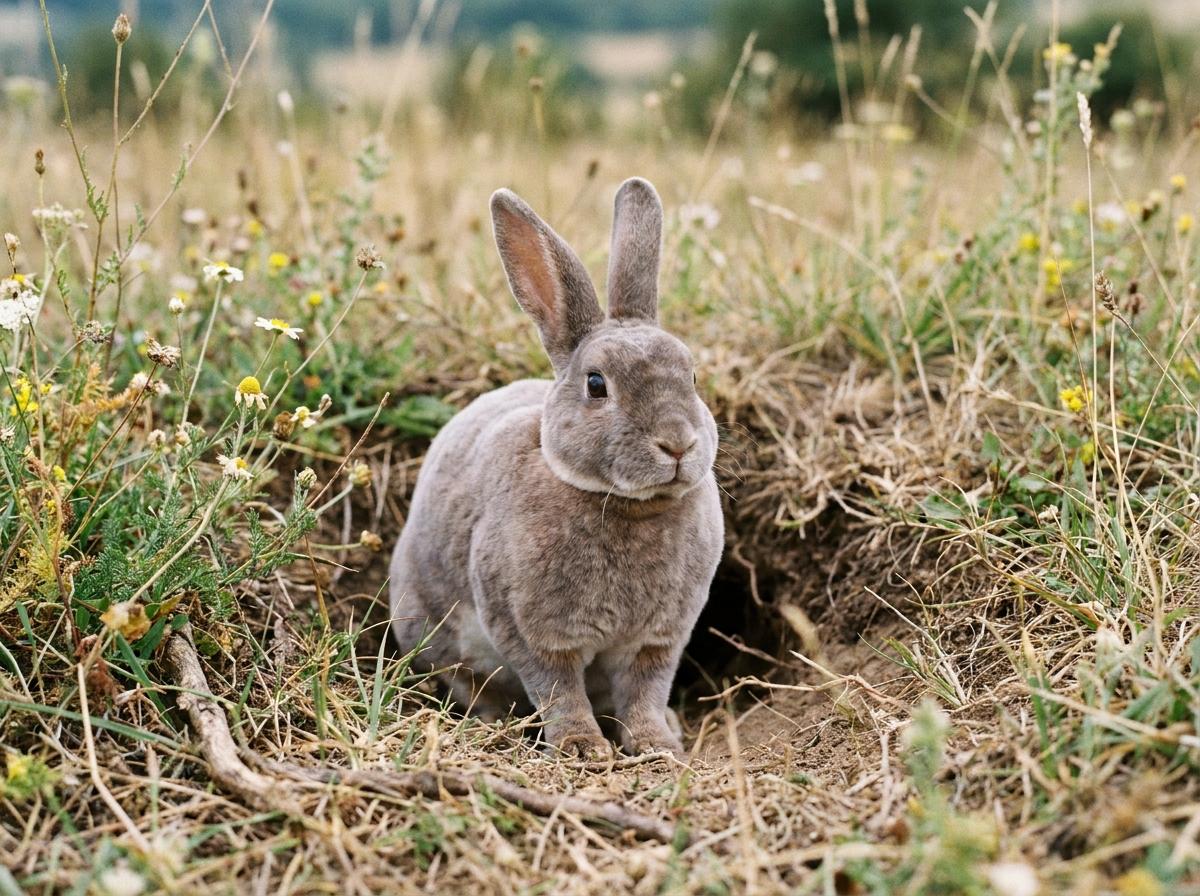
The Palomino is a medium-large American rabbit breed with what rabbit people call a commercial body type: a full, deep, meaty build carried on a compact frame, with tall ears that stand upright rather than lopping. Mature animals typically weigh somewhere between 8 and 11 pounds, with a senior ideal around 9 to 10 pounds, which puts the breed squarely in the same practical size class as the New Zealand and Californian, the two rabbits most Americans picture when they think “meat rabbit.”
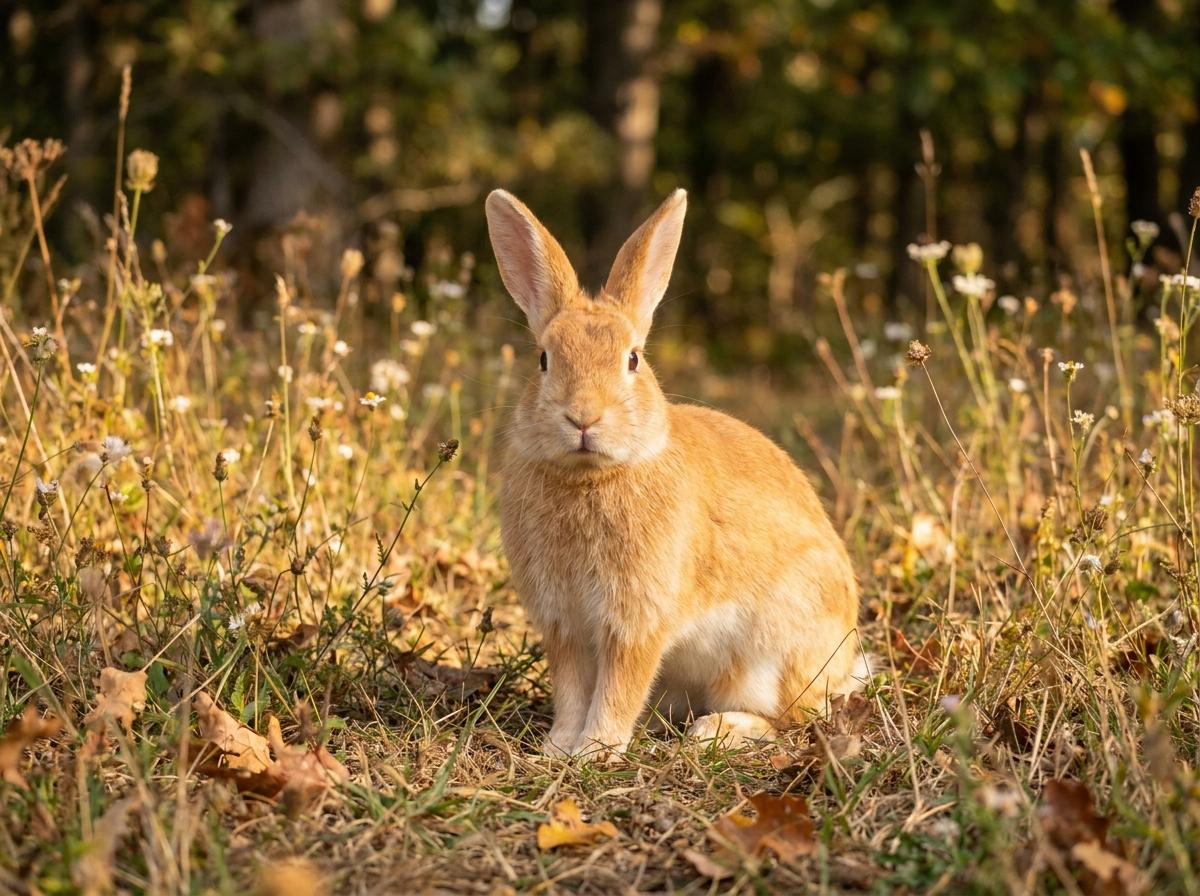
What sets the Palomino apart is its coloring. It is bred in two recognized varieties, a warm Golden and a smoky, muted Lynx, and that color is the whole reason the breed exists. It was developed to be an attractive, useful, home-produced rabbit that could put meat in the freezer, win on the show table, and make a pleasant pet, all in the same animal. If you are still weighing breeds against each other, the Creatures rabbit species page lets you compare the Palomino against the giants, the lops, and the other commercial breeds side by side.
The breed is not flashy or fragile. It is a plain, sturdy, good-natured working rabbit that happens to come in a handsome color, which is a large part of why it developed a loyal following among small-scale keepers and 4-H families rather than a mass-market one.
Origin and history: a rabbit built in Washington State
The Palomino is genuinely American, and its story is well enough documented to tell honestly, with a couple of honest gaps.
The breed was created by Mark Youngs of Coulee Dam, Washington, up along the Columbia River. Youngs set out to build his own meat-and-exhibition rabbit and worked toward a distinctive golden coloring over a number of years in the 1940s and into the 1950s. (You will occasionally see a start date as early as 1910 cited for his rabbit keeping, but the breed itself came together in the run-up to its 1952 debut, so treat that very early date as background rather than the breed’s birthdate.) Along the way he called his rabbits by two earlier names, first “American Beige,” then “Washingtonian,” before landing on the one that stuck.
The naming itself is a nice piece of breed folklore. Youngs brought his rabbits to the 1952 ARBA national convention in Portland, Oregon, set out a can, and invited fellow fanciers to drop in suggested names. The winning entry was “Palomino,” after the golden horse, and the breed has carried it ever since. Breeders organized the Palomino Rabbit Co-Breeders Association in 1955, and ARBA granted the breed full recognition in 1957. The Lynx variety was recognized first, with the Golden variety accepted the following year, in 1958.
The one part of the history that honest sources will not pin down is the exact recipe. The Palomino’s ancestry is not fully documented. Different accounts name different foundation breeds, with New Zealand, Chinchilla, and Flemish Giant appearing in some tellings and other large commercial rabbits in others. What is agreed is the method rather than the ingredients: Youngs selected the kits that showed the light golden or buckskin coloring he wanted and bred forward from them. Anyone who tells you the precise cross with certainty is guessing, and we would rather say so than invent a pedigree.
The two varieties: Golden and Lynx
The single most useful thing to understand about the Palomino is that “Palomino” is one breed with two color varieties, not two breeds. Both share the same commercial body type, the same size, and the same standard for everything except color.

- Golden. This is the variety most people mean when they picture a Palomino. The coat is a rich, warm golden-tan to orange across the back and sides, sitting over a white or cream undercoat, and fading to a lighter cream-to-white belly. In good sunlight it reads as a glowing amber-gold, which is exactly the look Youngs was chasing.
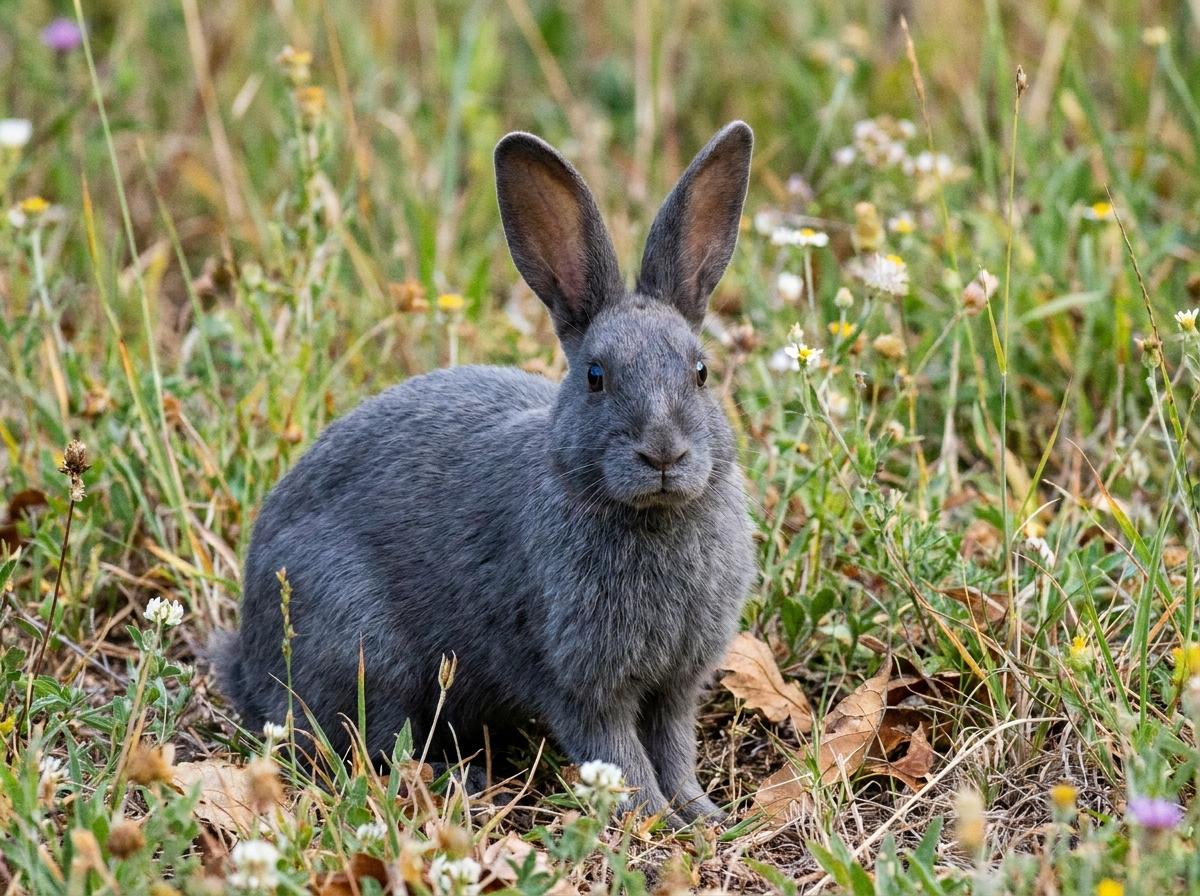
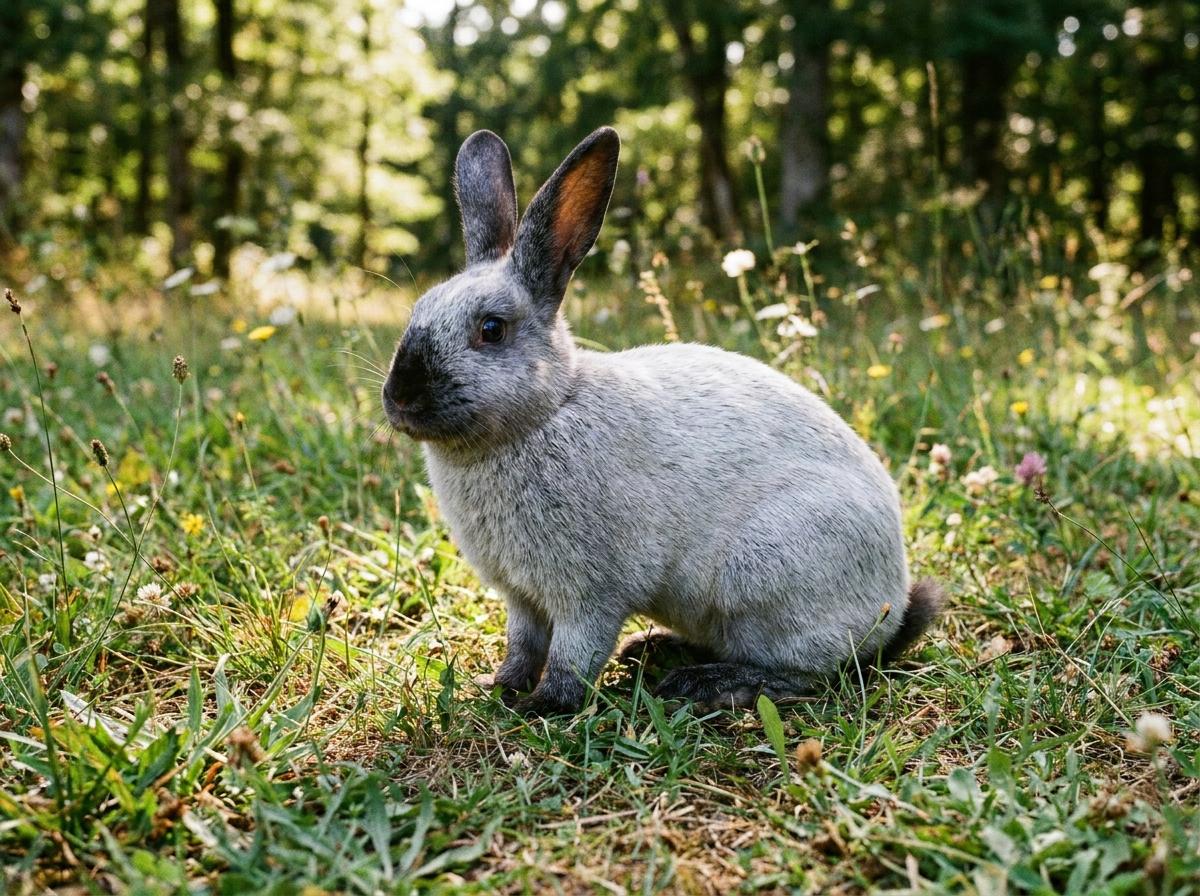
- Lynx. The Lynx is the quieter, more unusual variety. Instead of a solid golden coat it shows a muted silvery grey surface color, softened by a lilac and pale orange cast, blending down into a beige-orange and cream-to-white base. The effect is smoky and frosted rather than bright, and to a casual eye a Lynx Palomino can look like a completely different rabbit from a Golden one. In color-genetics terms the Lynx is essentially a dilute version of the same underlying coloring, which is why the two travel together as varieties of one breed.
The color was selected, not switched on
It is worth clearing up a common misconception. The Palomino’s color does not come from flipping a single dedicated “palomino gene,” the way some rabbit colors trace to one clean mutation. It is a selected, polygenic result: several coat-color genes acting together, then fixed by generations of choosing the animals that looked right. That is why the breed reads as a genuine breed rather than just a color you can drop into any rabbit. It also means responsible Palomino breeding is as much about maintaining that carefully assembled color over a correct commercial body as it is about any one trait. If deep color genetics interests you, note that even close relatives like the red New Zealand are separate breeds with their own histories rather than the same animal under a different name.
How the breed is used
The Palomino was born as a meat rabbit, and it remains a good one. It reaches a useful size, grows reasonably fast, and carries the deep, meaty commercial body that the whole meat-rabbit world is built around, which is why it is often grouped with the New Zealand and Californian as a practical freezer breed. For a small homestead raising rabbits for the table, a Palomino does the same job as those better-known breeds while looking a good deal prettier doing it.
Because it is a recognized ARBA breed with a written standard, the Palomino is also a show rabbit. On the show table judges are weighing that commercial body type, condition, and correct variety color, so a good show Palomino and a good meat Palomino are largely the same animal, which is part of the breed’s appeal to keepers who want one rabbit that can do several jobs. That dual-purpose flexibility is also why the breed shows up so often in 4-H and youth programs.
And then there is the pet role. The Palomino’s calm temperament and warm coloring have earned it a following as a companion rabbit, especially with families. It is not a delicate lap breed like some of the tiny show rabbits, it is a solid, sensible, medium-large animal, but a well-handled Palomino is an easygoing housemate. Whatever the role, the care underneath it is standard good rabbit keeping, covered below.
Temperament
Palominos are consistently described by breeders and keepers as calm, docile, friendly, and easy to handle, and does have a reputation as good, attentive mothers who raise their litters well. That combination of a steady adult temperament and reliable mothering is exactly what you want in a dual-purpose rabbit, and it is a big part of why the breed is recommended for first-time keepers and for families with children.
Read those temperament notes the way you should read any breed’s: as a strong, widely-reported tendency rather than a formal behavioral study or a guarantee for every individual. A rabbit’s personality is shaped as much by gentle, consistent handling from a young age as by its breed. A Palomino raised with calm, regular contact is usually an unflappable animal; one that has learned that hands mean being grabbed can be as skittish as any rabbit. Intact bucks and a protective doe with a new litter also behave differently from a relaxed pet, on any breed.

Care and husbandry
A Palomino needs the same core care as any medium-large rabbit. Nothing about the breed is exotic, but a rabbit of this size is a real commitment, and getting the fundamentals right is what keeps one healthy for its full lifespan.
Housing
House a Palomino somewhere it can stretch out fully, hop several strides, and stand up on its hind legs without hitting the top, with clean, dry bedding and protection from heat, damp, and drafts. For a commercial-sized rabbit that means a generously sized hutch or pen, an exercise area, or rabbit-proofed indoor space, not a tiny starter cage. Because this is a heavier, meaty breed, pay attention to flooring: solid floors with soft, dry footing are far kinder to the hind feet than bare wire, which can lead to sore hocks (ulcerative pododermatitis) in larger rabbits sitting on hard or abrasive surfaces. Keep the living area clean and dry and check the hind feet from time to time.
Feeding
The diet is the standard rabbit diet, scaled to the animal: unlimited grass hay as the foundation, a measured portion of quality pellets, a daily handful of suitable leafy greens, and clean fresh water always available. Hay is not optional, it is what keeps a rabbit’s continuously growing teeth worn down and its gut moving. Because the Palomino is a good-sized rabbit that fattens readily, watch condition rather than free-feeding pellets; an over-conditioned rabbit puts extra load on its feet and joints. Growing kits and nursing does need more generous feeding through those demanding stages. Any diet change should be made gradually.
Health and lifespan
Palominos are generally hardy, and most keepers can expect roughly 5 to 8 years, sometimes longer with good care and a bit of luck. The standard rabbit health rules all apply. A rabbit that stops eating or passing droppings is an emergency, because gastrointestinal stasis can turn serious fast. Keep up with dental checks (those ever-growing teeth again), parasite control appropriate to your setup, and clean housing. Talk to a rabbit-experienced veterinarian about spaying or neutering pet rabbits and about vaccination against rabbit hemorrhagic disease (RHDV2) where it is recommended in your area. Defer all medical decisions to a veterinarian who can examine the animal; nothing here is a substitute for that. Keeping simple records of weights, litters, treatments, and vet visits makes it far easier to spot when something is off.
Breeding
If you keep Palominos for meat or show, breeding is part of the picture, and the breed’s good mothering makes that easier. Give a doe a proper nest box with clean bedding ahead of kindling, keep her well fed through gestation and lactation, and handle a new litter calmly and minimally. Sound breeding here also means breeding for the whole animal: a correct commercial body and the right variety color together, not color at the expense of type or health. Because the Palomino is a Recovering heritage breed, keepers who breed carefully and register their stock are also doing real conservation work for it.
Cost and availability
Palominos are not a rare-and-expensive novelty, but they are not on every corner either. The breed sits in the middle of the market: less common than the New Zealand or a popular dwarf, but with an active national club and a steady base of breeders.
Purchase prices track quality and purpose rather than any fixed rate. Pet or meat-stock Palominos from a local breeder are usually modest, often in the range you would pay for any medium-large purebred rabbit, while pedigreed show or breeding animals from proven lines cost more, with price following the breeder’s record, the animal’s type, and its color. There is no single national price, so treat any exact figure you see online as one seller’s number rather than the market. For the fuller running-cost picture, which matters far more than the purchase price over a rabbit’s life, see our guide to how much pet rabbits cost.
On availability, the honest picture is regional. The Palomino is a recognized ARBA breed with a national specialty club, but because it is a heritage breed listed as Recovering by The Livestock Conservancy, you may not find one down the road. In some areas breeders are easy to reach; in others you will do better searching a bit wider or waiting for a litter. That makes a saved-search alert (set up in the hub below) one of the more practical ways to catch a well-bred litter when it appears near you.

Buying a Palomino: what to check
Because “golden rabbit” is a look several breeds and mixes can wear, a little diligence makes sure the animal you bring home is actually a Palomino and actually healthy.
- Buy from a breeder who can show you the parents and the setup. Type, size, temperament, and color all run in families. Calm, correctly built, well-kept parents tell you more than any single photo, and a clean rabbitry tells you how the animals were raised.
- Ask for a pedigree if breed matters to you. A purebred Palomino sold for show or breeding should come with paperwork, and serious breeders are often members of the Palomino Rabbit Co-Breeders Association. For a pet, papers matter less, but honesty about ancestry still counts, especially given how many rabbits get called “palomino” for their color alone.
- Confirm which variety you are looking at. A frosty, silvery Lynx and a bright Golden are both correct Palominos, so decide which you want and check the coat matches the variety rather than being an off-color or a look-alike from another breed.
- Check the animal, not just the ad. Bright eyes, a clean nose, clean ears, correct front teeth, clean well-furred hind feet, a firm meaty body in good condition, and confident movement. Ask the age; a kit sold too young is a red flag on any breed.
- Expect real questions back. A responsible breeder will ask about your plans and housing. One who will sell any rabbit to anyone with no questions is telling you something.
For the search itself, our where to buy a rabbit guide covers evaluating sellers and avoiding impulse buys in depth. You can browse current Palomino listings on the Creatures marketplace and search rabbitries in the Creatures breeder directory. If you are open to comparing similar heritage breeds, the American Sable and the striking Dwarf Hotot are two other American-recognized rabbits worth a look.
Frequently asked questions
What is a Palomino rabbit used for?
It is a dual-purpose breed. It was developed as a meat rabbit and is still a good one, with a full commercial body in the same size class as the New Zealand and Californian. It is also shown as a recognized ARBA breed and, thanks to its calm temperament, kept as a family pet.
What colors do Palomino rabbits come in?
Two recognized varieties. Golden is a warm golden-tan to orange coat over a cream undercoat with a lighter belly. Lynx is a muted, smoky silvery grey-brown with a soft lilac and orange tint over a cream base. Both are the same breed, differing only in color.
How big do Palomino rabbits get?
They are a medium-large commercial breed, typically 8 to 11 pounds, with a senior ideal around 9 to 10 pounds.
Are Palomino rabbits good pets?
For many families, yes. They are widely described as calm, docile, and easy to handle, and does are noted as good mothers. They are a sensible medium-large rabbit rather than a tiny lap breed, and like any rabbit they do best with gentle regular handling, proper housing, and a rabbit-savvy veterinarian.
Is the Palomino a rare breed?
It is uncommon rather than truly rare. The Livestock Conservancy lists it as Recovering, meaning its numbers have improved from a lower point but it still benefits from dedicated breeders. Availability is regional, so you may need to search a bit wider than for a mass-market breed.
Where does the Palomino rabbit come from?
The United States. It was developed by Mark Youngs of Coulee Dam, Washington, named “Palomino” at the 1952 ARBA convention, and recognized by ARBA in 1957.
Do this next on Creatures
Whether you are researching the breed, hunting for a well-bred kit, or already keeping Palominos for meat, show, or company, Creatures is the records, marketplace, and directory layer to run it all in one place.
Find one. Browse Palomino listings on the marketplace and search rabbitries in the Creatures breeder directory. New to the marketplace? See saving searches and using your watchlist.
Get alerted. Palominos are regional and litters go fast, so set a free Palomino listing alert and we will tell you the moment one is posted near you. No account needed to start.
Add your rabbit. Already keeping a Palomino? Create a free animal profile in a few minutes, no account needed to start. The walkthrough is in adding an animal to Creatures.
Track weights, litters, and health. Weights, litter records, and vet visits are exactly the things worth writing down for a dual-purpose breed. Add a record on Creatures; the record sheet opens for any visitor to explore, and a free account saves what you enter. See adding a record and health and medical records for the how-to.
Breed or sell? Run a rabbitry? Create a free breeder profile (no account needed to start) so buyers searching for this heritage breed can find you, and read getting listed in the breeder directory to be found alongside other trusted rabbitries.