Double Rex
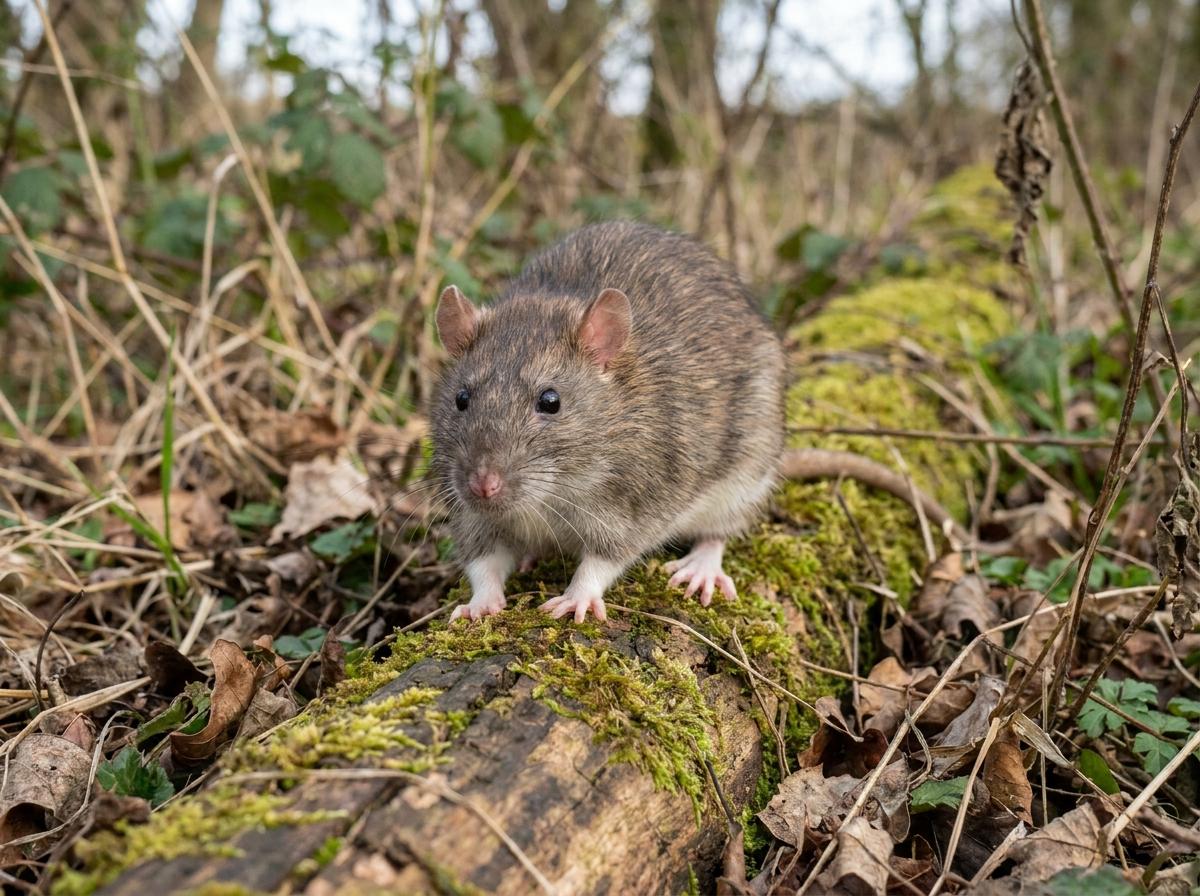
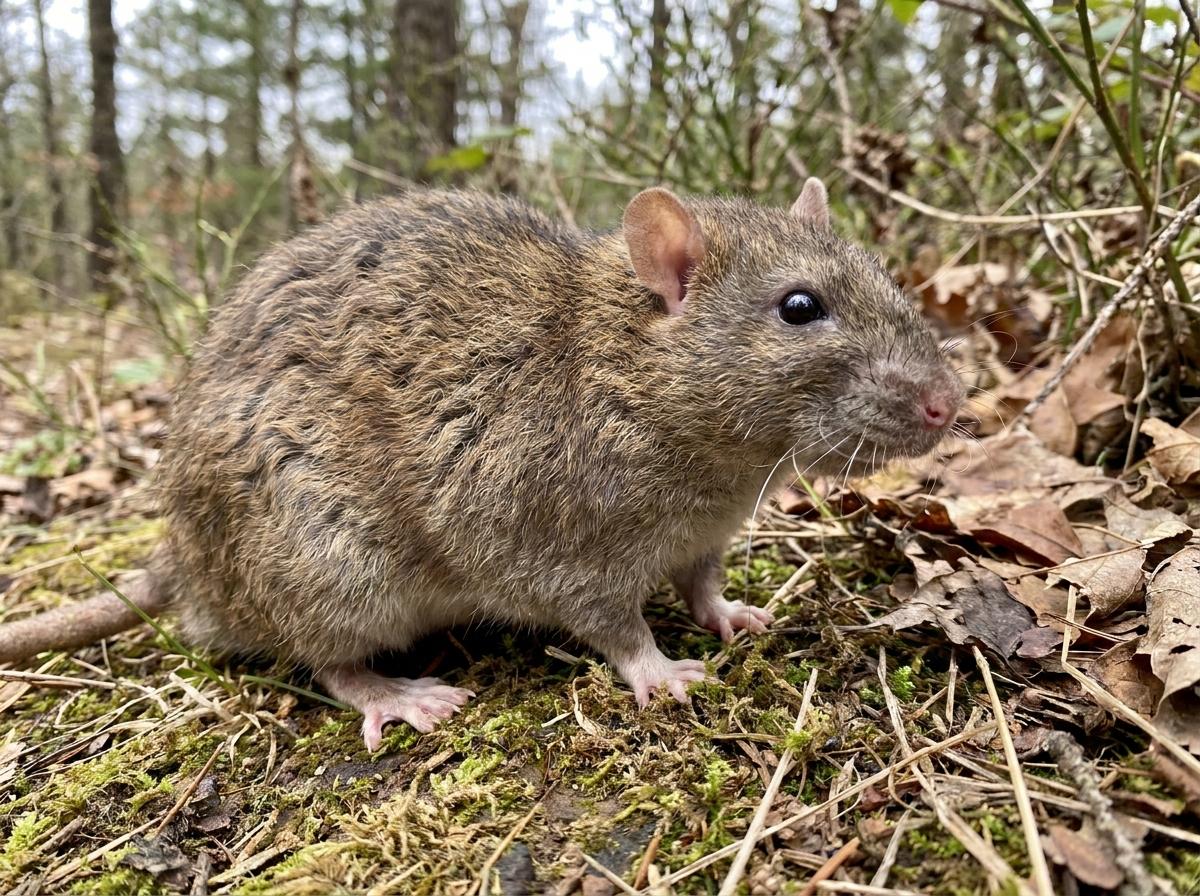
The Double Rex is a fancy rat that carries two copies of the Rex curl gene, written Re/Re. That double dose pushes the curly Rex coat past full coverage into something very different: a sparse, patchy coat that the rat constantly sheds and regrows, so the same animal can look almost bare one month and lightly fuzzy the next. Because of that shifting, uneven look, keepers often call it the “patchwork rat.” It is not a separate species or a true Hairless rat, just an ordinary pet rat (Rattus norvegicus) wearing the most extreme version of the Rex coat. Below you will find what the Double Rex actually is, how its genetics work, how it differs from single Rex and from true Hairless rats, what its thin coat needs day to day, and what to know about fancy rat care and health before you bring one home.

Browse listings, public profiles, breeders, or add your animal.
What is a Double Rex rat?
A Double Rex is a fancy rat that has inherited two copies of the dominant Rex gene, one from each parent. Geneticists and rat clubs write the gene as Re, so a Double Rex is homozygous Re/Re, while a normal single Rex is heterozygous Re/+ (often written Rere). The American Fancy Rat and Mouse Association (AFRMA), the main fancy rat registry in the United States, describes the Rex gene as dominant and notes that a single copy gives the familiar curly coat, while two copies produce a much more extreme, patchy result.
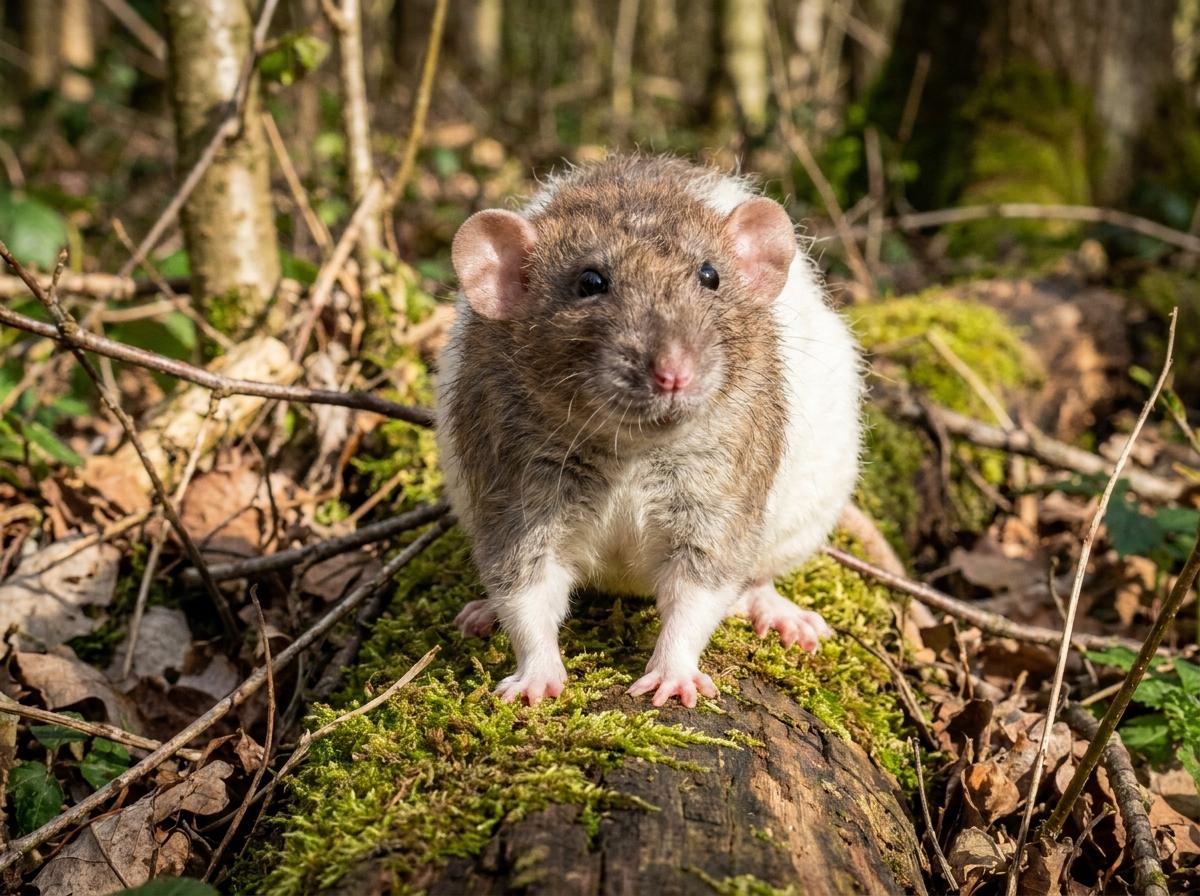
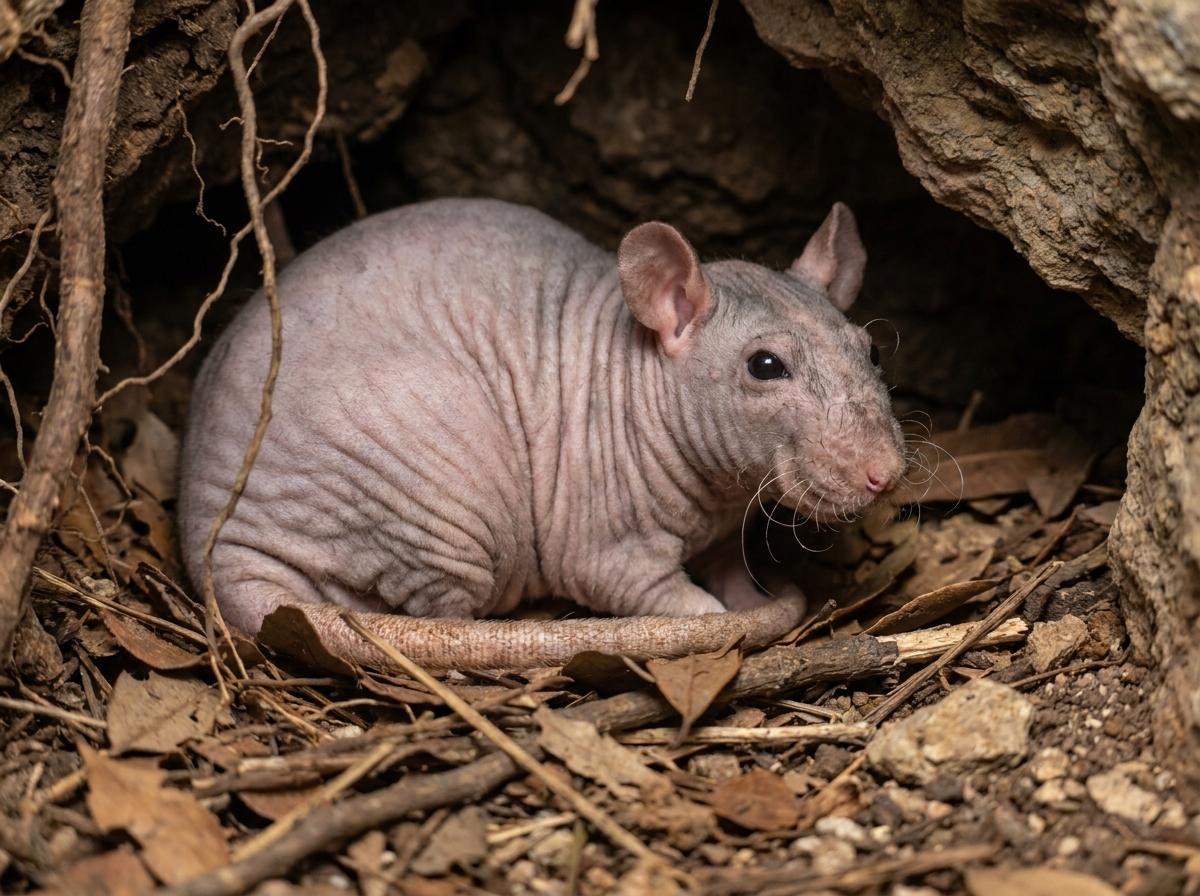
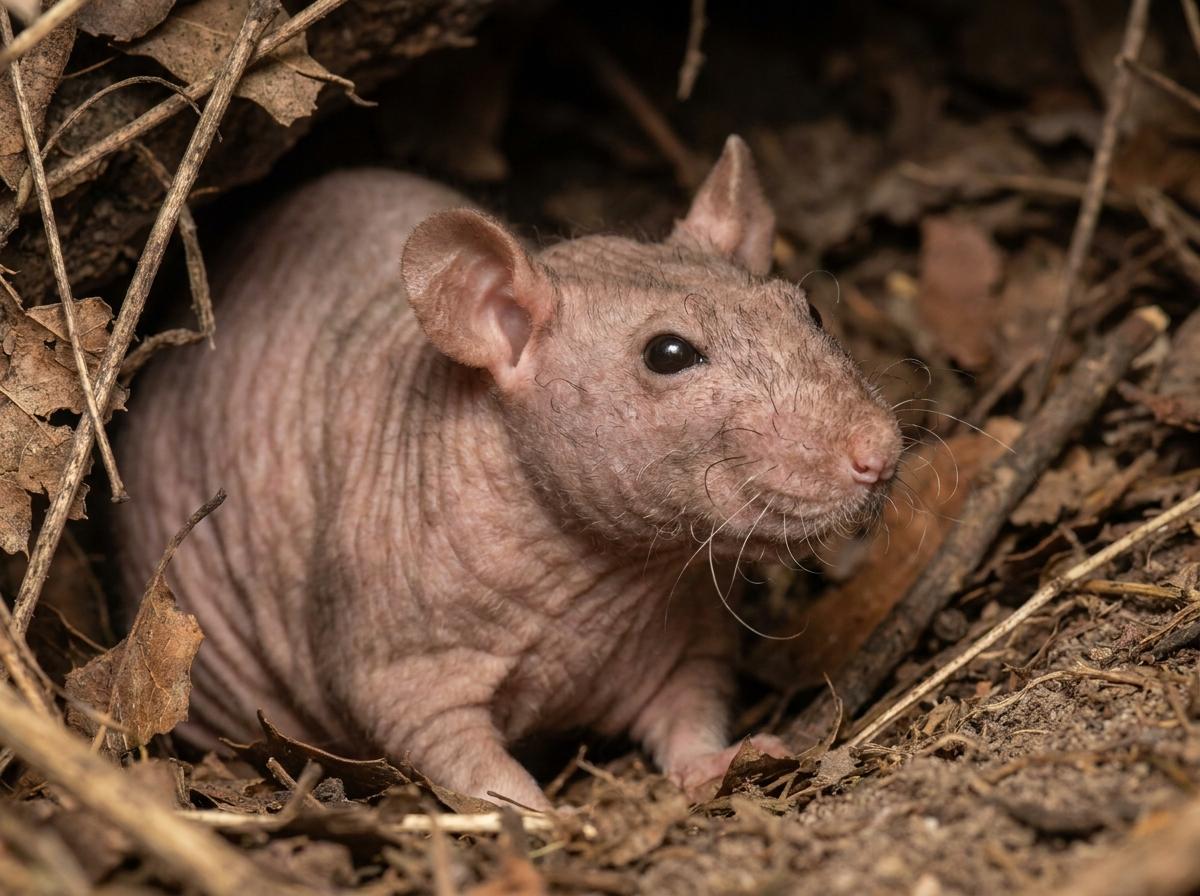
The practical effect is a rat with a thin, uneven coat. Instead of the full curly fleece of a single Rex, a Double Rex has sparse, patchy hair with bare areas, broken up by short curly fuzz that grows in and falls out over and over. AFRMA describes homozygous Rex rats as having “patchy, thin hair” with “bare areas,” and notes that the same animal will pass through phases with “a very short, even coat of hair” when it moults and then return to sparse coverage. That constant change is exactly why the variety picked up the nickname “patchwork rat.”
It is worth saying clearly: the Double Rex is not a breed in the dog or livestock sense, and it is not its own species. It is one coat variety of the ordinary domestic fancy rat, the same animal kept as a pet around the world. Everything that makes a fancy rat a good companion still applies. The Double Rex just wears the most extreme expression of the Rex coat. If you are comparing coat types, the broader Creatures rat species page is a good place to see where Double Rex sits alongside standard, Rex, and other varieties.
The genetics: one copy versus two
The Rex gene is dominant, which means a rat needs only one copy to show a curly coat. This is the source of most of the confusion around the variety, so it helps to walk through it.
- One copy (Re/+), a single Rex. A rat with one Rex gene and one normal coat gene has a full but curly coat. AFRMA describes single Rex rats as having “curly” fur and curly whiskers, fairly even over the body, though the coat can thin slightly before the adult coat grows in. This is the standard, showable Rex.
- Two copies (Re/Re), a Double Rex. A rat that inherits a Rex gene from both parents has the patchy, sparse coat described above. The hair is lost and regrown in shifting patches throughout life.
- No copies (+/+), a standard coat. A rat with no Rex gene has the normal smooth, straight coat.
This is why breeding two Rex rats together is discouraged. According to the standard Rex inheritance, pairing two single Rex parents (Re/+ by Re/+) gives, on average, about one quarter Double Rex (Re/Re), one half single Rex (Re/+), and one quarter standard-coated kittens (+/+). AFRMA puts it plainly: “Breeding Rex to Rex is never suggested as you do get these rather mangy-looking rats.” A baby rat that gets a Rex gene from both parents ends up with a coat that, in AFRMA’s words, “leaves a lot to be desired.” Responsible breeders generally pair a single Rex with a standard-coated rat instead, which never produces a Double Rex.

What a Double Rex looks like
The Double Rex has a look that surprises people who have not seen one. The coat is genuinely patchy: areas of short, slightly curly fuzz sit next to bare patches of skin, and the pattern is not fixed. Hair sheds out in one area and grows back in another, so a Double Rex you photograph today will not look quite the same in a month. The reference figure from the Rat Guide, a widely used pet rat health resource, documents this same patchy, cyclical coat under congenital coat thinning.
A few features are diagnostic:
- Patchwork coat. Sparse, uneven fur with bare areas that move around over time. The rat is never fully and permanently bald, but it is never fully coated either. It cycles.
- Curled whiskers. Like single Rex, Double Rex rats have curled, wavy whiskers, and AFRMA notes they are often “curlier whiskers than normal Rex.” Curled whiskers are one of the easiest at-a-glance signs that a rat carries Rex.
- Visible skin. Because coverage is thin, you see a lot more skin than on a standard rat, which makes skin condition something you actually watch day to day.
- An age-linked change. Double Rex kittens are born looking like ordinary Rex babies. The dramatic coat loss happens at roughly four to five weeks of age, when much of the coat is shed and the patchwork pattern sets in. So a young Double Rex can look fairly normal before its real coat behavior appears.
Double Rex versus true Hairless
This is the distinction that trips people up most, and it matters for care, so it is worth being precise. A Double Rex and a true Hairless rat can both look mostly bare, but they come from completely different genes.
- Double Rex comes from two copies of the dominant Rex gene (Re/Re). The animal keeps cycling: patches of curly fuzz come and go across the body, and it is never reliably bald.
- True Hairless rats come from a separate, recessive gene (a normal-furred rat can carry it without showing it). A true Hairless rat is much more consistently bare, typically with only light fuzz on the face and feet, and does not run through the same shifting patchwork cycle.
In short, if the bare-looking rat has fuzz that appears and disappears in changing patches, it is almost certainly a Double Rex. If it is steadily and evenly hairless, you are likely looking at a true Hairless rat carrying a different gene. The two are sometimes lumped together as “hairless” in casual conversation, but they are not the same thing genetically, and a Double Rex always traces back to Rex breeding.
Caring for a thin coat
Most of caring for a Double Rex is just caring for a fancy rat well, but the sparse coat adds a few specific points. None of this is exotic. It is about comfort, warmth, and protecting exposed skin.
- Soft, low-dust bedding. With less fur as a buffer, a Double Rex sits and sleeps directly on its bedding, so the bedding needs to be gentle. Paper-based bedding and soft fabrics such as fleece are commonly recommended over coarse or dusty materials. Avoid dusty substrates, which can irritate exposed skin and are not good for any rat’s sensitive respiratory system.
- Warmth and no drafts. A thin coat means less insulation, so keep the cage out of cold, drafty spots and away from open windows. Offer plenty of nesting material, hammocks, and hideouts so the rat can burrow in and stay warm.
- Gentle cage mates and skin checks. With more skin showing, scratches and small nicks from normal rat roughhousing are easier to see and a little easier to get. Choose compatible, gentle companions, and look over the skin regularly for cuts, dryness, scabs, or anything that does not look like the usual patchwork. Some keepers find a thin coat shows up minor skin issues that a full coat would hide.
- Sun and overheating. Bare skin cuts both ways. Just as a Double Rex chills more easily, exposed skin should not bake in direct sun or get overheated, so keep the cage in a stable, comfortable indoor spot.
Do not overdo it. Healthy rat skin does not generally need lotions, oils, or frequent bathing, and over-bathing strips natural oils and can dry the skin out further. If the skin looks red, flaky, scabby, or sore, that is a reason to call a veterinarian who treats small exotics, not a reason to start home remedies. Defer any medical decision to a vet who can see the animal.
Fancy rat temperament and social needs
Underneath the unusual coat, a Double Rex is a fancy rat, and fancy rats are some of the most rewarding small pets you can keep. They are intelligent, curious, and genuinely affectionate. Many bond closely with their people, learn their names, and enjoy being handled, which is unusual among small rodents.
The single most important care fact is that rats are highly social and should never be kept alone. A solitary rat, even one with lots of human attention, is prone to loneliness and stress. Plan to keep at least two compatible rats together. For a Double Rex this has a bonus: a gentle, well-matched companion is part of keeping its exposed skin safe, since you are choosing cage mates that play nicely.
Give them space, enrichment, and time out of the cage. Rats need a large multi-level cage, things to climb and chew, places to hide, and regular interaction. A bored rat is an unhappy rat. The payoff is an animal that will come to the cage door to greet you.

Health and lifespan
Fancy rats, including Double Rex, typically live around two to three years, with good care sometimes pushing toward the longer end. That short lifespan is the hardest part of keeping rats, and it is worth going in with eyes open. Two health issues come up often enough that every prospective rat keeper should know them.
Respiratory disease. Pet rats are very prone to chronic respiratory disease, most commonly driven by the bacterium Mycoplasma pulmonis, which is widespread in pet rat populations. Poor air quality, dusty bedding, and ammonia from a dirty cage make it worse. Watch for sneezing, labored or noisy breathing, and a reddish discharge around the eyes or nose (this is porphyrin, not blood, but it is a sign the rat is stressed or unwell). Respiratory flare-ups usually need veterinary treatment, and clean, low-dust, well-ventilated housing is the best prevention. This applies to all rats, but it is one more reason the low-dust bedding a Double Rex wants is good practice anyway.
Mammary and pituitary tumors. Rats, especially females, are prone to mammary tumors as they age. The good news is that the most common type, the fibroadenoma, is benign and does not spread, though it can grow large and may need surgical removal. Cancerous mammary tumors are the minority. Veterinary sources note that spaying females significantly reduces the risk of these hormonally driven tumors, so it is a conversation worth having with an exotics vet. Any new lump should be checked promptly, since smaller masses are easier to remove.
The coat itself is not a health problem. A Double Rex’s patchy, cycling coat is genetic and normal for the variety, not a sign of mange, parasites, or illness. The thing to watch is the skin underneath, not the bald patches themselves.
Keeping clear records helps a lot with a short-lived, tumor-prone animal. Logging weight, the date a lump first appeared, vet visits, and treatments lets you spot trends and gives your vet real history to work from rather than guesswork.
Where Double Rex fits among fancy rats
The Double Rex is one of several Rex-derived looks, and it sits at one end of a spectrum. A single Rex rat has the full, even curly coat that most people picture when they hear “curly rat.” The Double Rex is what you get when you stack two copies of that same gene. And while this page is about rats, the Rex coat mutation is not unique to them. The Rex mouse, the sister Rex rodent, shows the same kind of curly-coat gene at work in a different fancy species, which is a nice illustration that “Rex” describes a coat type across rodents, not one specific animal.
If you want a curly rat with a full coat and the simplest care, a single Rex is the easier choice. If the patchwork look appeals to you and you are happy to give a little extra attention to warmth and skin, a Double Rex can be a wonderful, characterful pet. Either way, you are getting the same smart, social fancy rat underneath.
Frequently asked questions
Is a Double Rex rat the same as a Hairless rat?
No. A Double Rex has two copies of the dominant Rex gene and a patchy coat that sheds and regrows in shifting patches, so it is never fully bald. A true Hairless rat carries a different, recessive gene and is much more consistently bare. They can look similar but are genetically different.
Why does my Double Rex keep losing and regrowing hair in different spots?
That is normal for the variety. The double dose of the Rex gene produces a coat that cycles, so fuzz comes in and falls out in changing patches across the body throughout the rat’s life. It is not mange or illness, though new redness, scabs, or sores on the skin are worth a vet visit.
Do Double Rex rats need special skin care?
Mostly they need comfort rather than treatment: soft, low-dust bedding, a draft-free and warm cage, gentle cage mates, and regular skin checks for cuts or dryness. Healthy rat skin does not need lotions or frequent baths. See a small-exotics veterinarian if the skin looks red, flaky, or sore.
How do you get a Double Rex rat?
Breeding two single Rex rats together produces, on average, about a quarter Double Rex kittens. Most breeders avoid pairing two Rex rats on purpose because of the patchy coat, so Double Rex rats often turn up from such pairings rather than being deliberately produced in large numbers.
How long do Double Rex rats live?
About two to three years, the same as other fancy rats. The coat type does not shorten the lifespan. Respiratory disease and tumors are the most common health concerns to plan for.
Can you show a Double Rex rat?
It depends on the club. The variety is shown in parts of the United States, but it is not shown under the National Fancy Rat Society (NFRS) in the UK. Check your local club’s standards if showing matters to you.
Do this next on Creatures
Whether you are researching the variety, looking for a Double Rex or single Rex rat, or already keeping a patchwork pet, Creatures is the records, marketplace, and directory layer to do it in one place.
Add your rat. Already keeping a Double Rex or its cage mates? Create a free animal profile in a few minutes, no account needed to start. The walkthrough is in adding an animal to Creatures.
Track skin and health. A thin-coated, tumor-prone rat is exactly the kind of pet that rewards good records. Add a health or weight record on Creatures. The record sheet opens for any visitor to look around, and a free account saves what you enter. See adding a record and health and medical records for the full how-to.
Never miss care. Set up reminders and upcoming care for skin checks, weigh-ins, and vet follow-ups so a fast-moving lump or a respiratory flare never slips past you.
Find a rat. Browse Double Rex rats on the marketplace and search trusted breeders in the Creatures directory. New to the marketplace? Read saving searches and using your watchlist.
Get alerted. Double Rex litters are not produced in large numbers, so set a free Double Rex listing alert and we will tell you when one is posted. No account needed to start.
List your rattery. Breed fancy rats? Create a free breeder or rattery profile so keepers searching for Rex and Double Rex rats can find you.