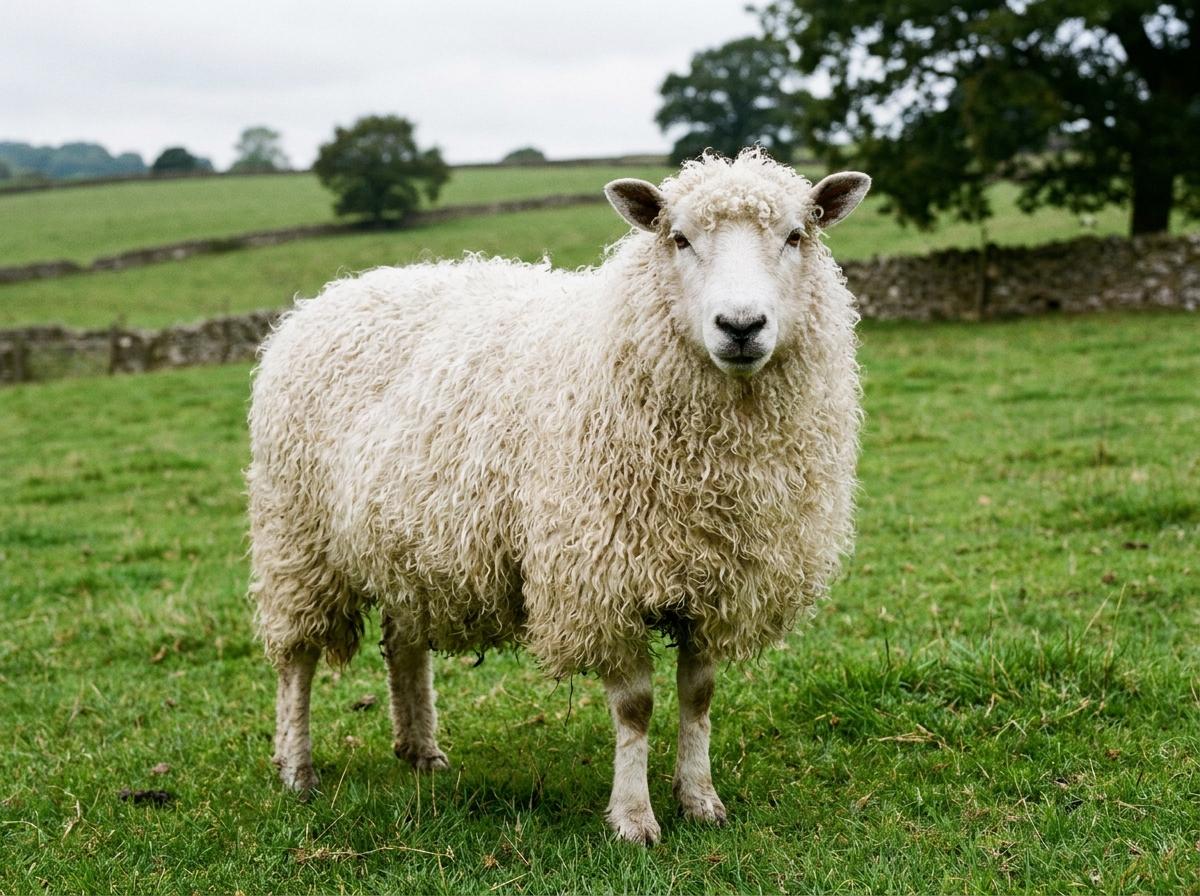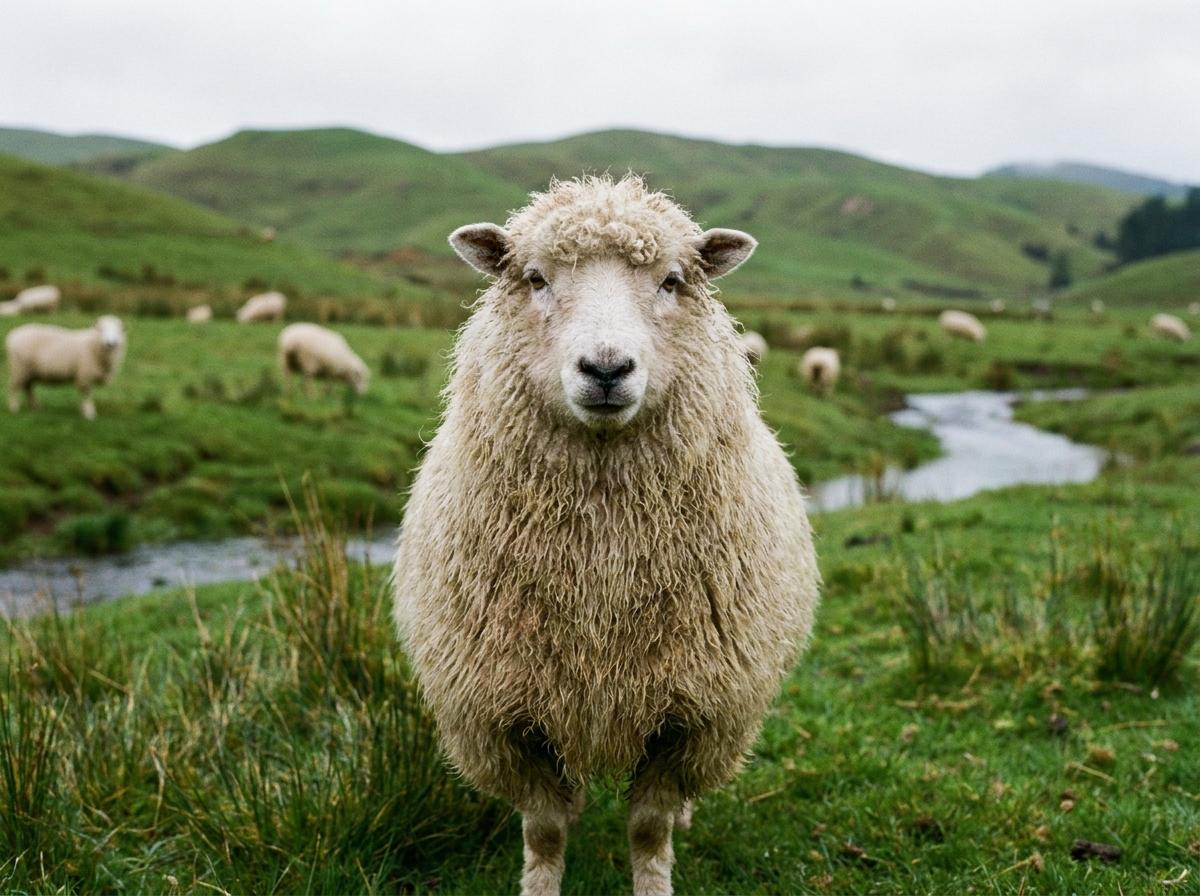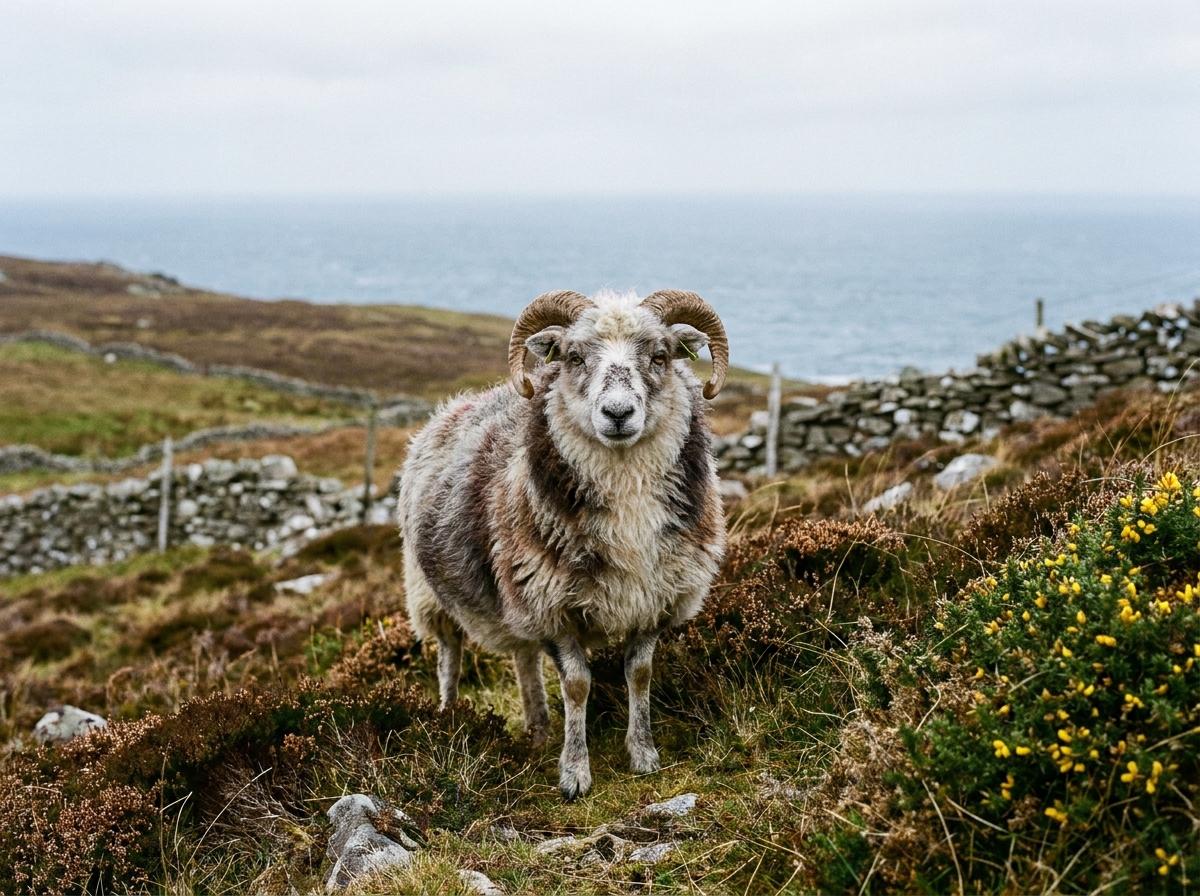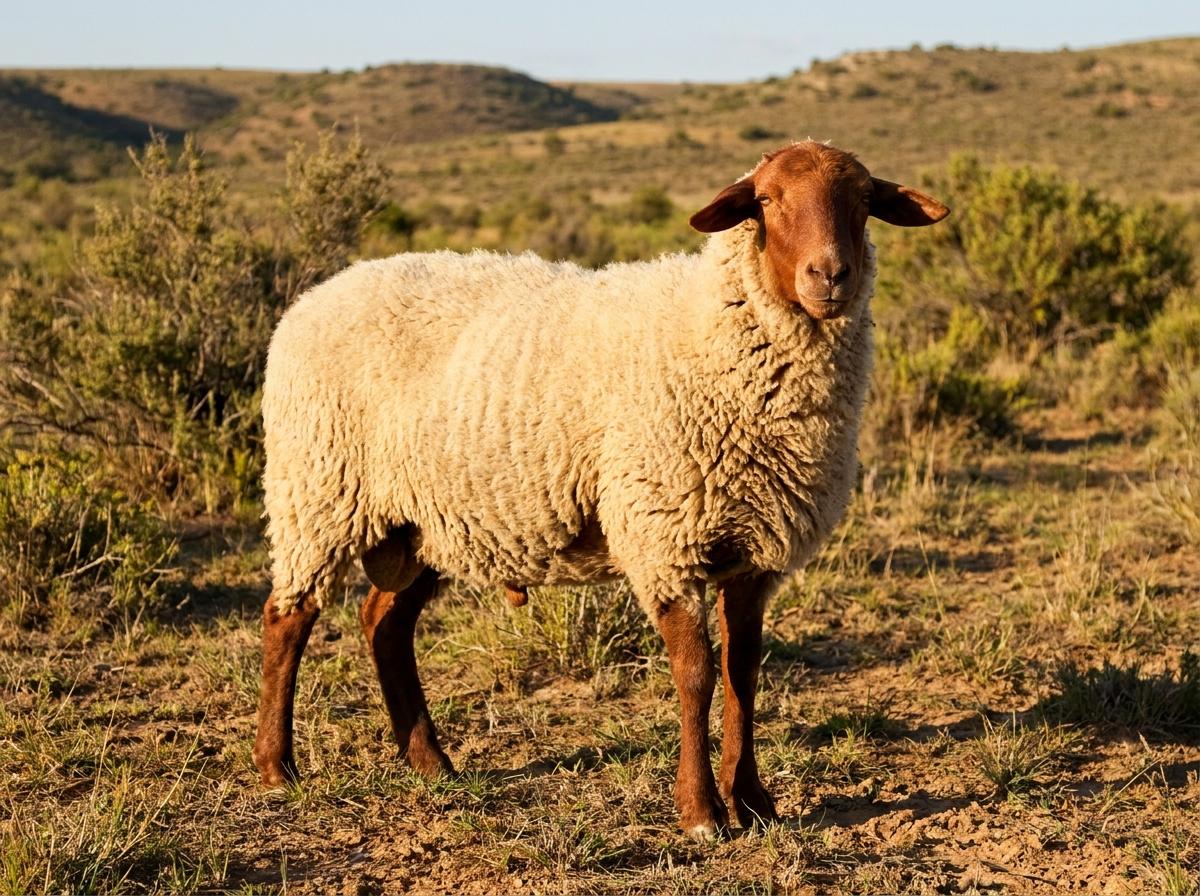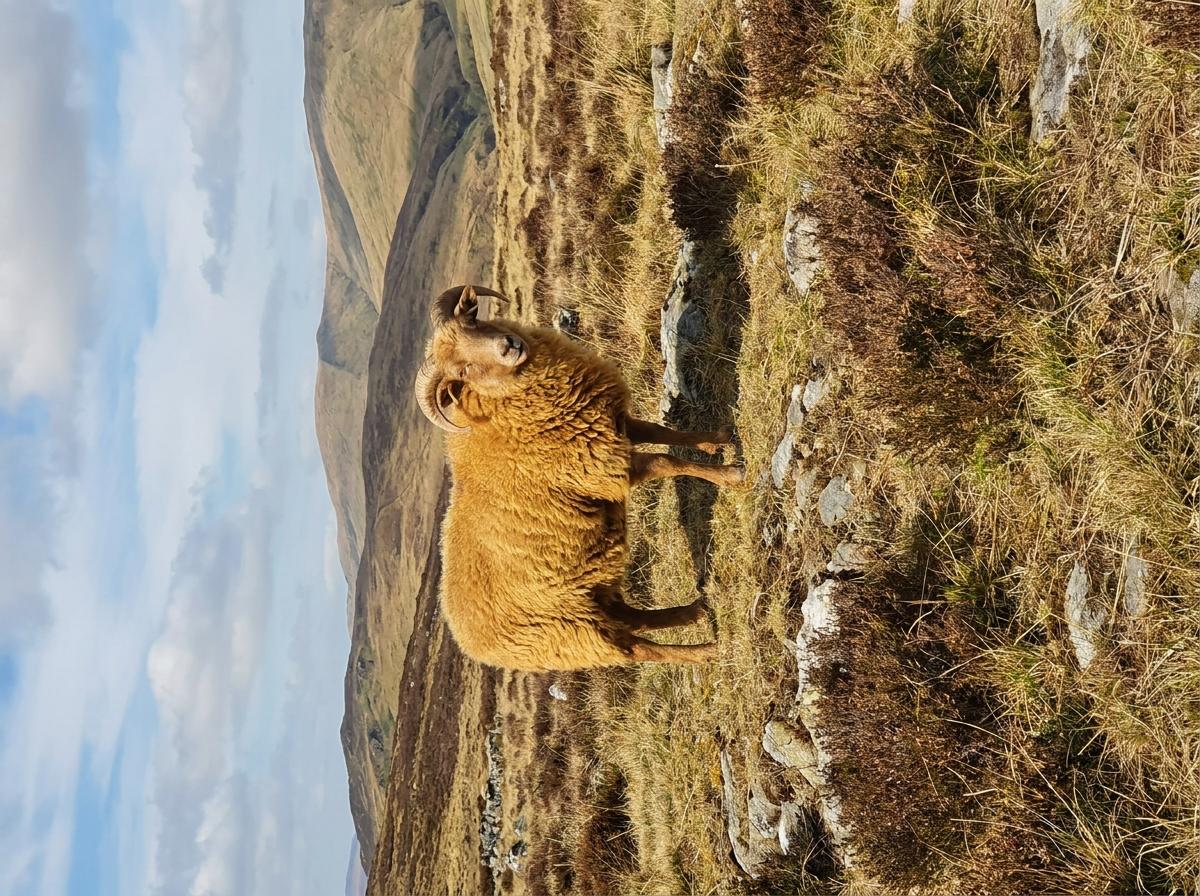
Yellow Sheep
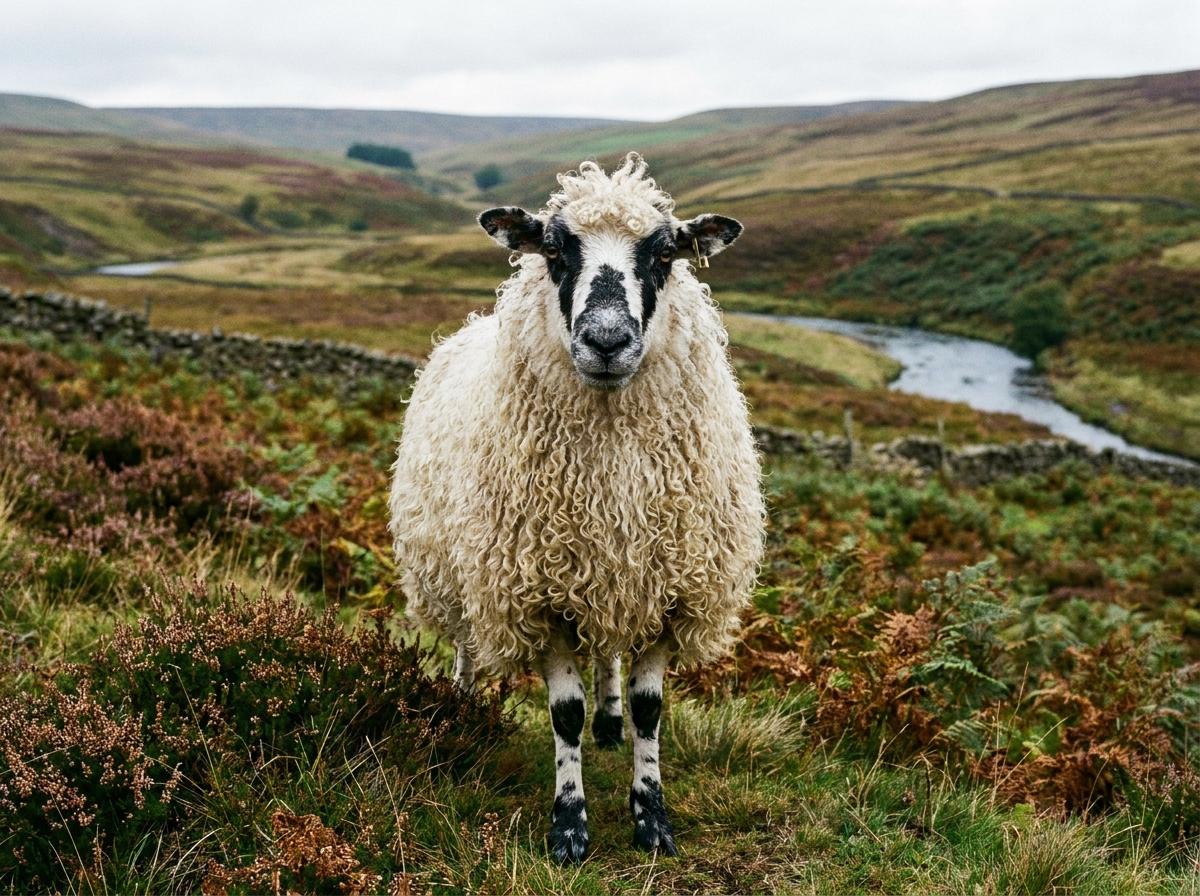
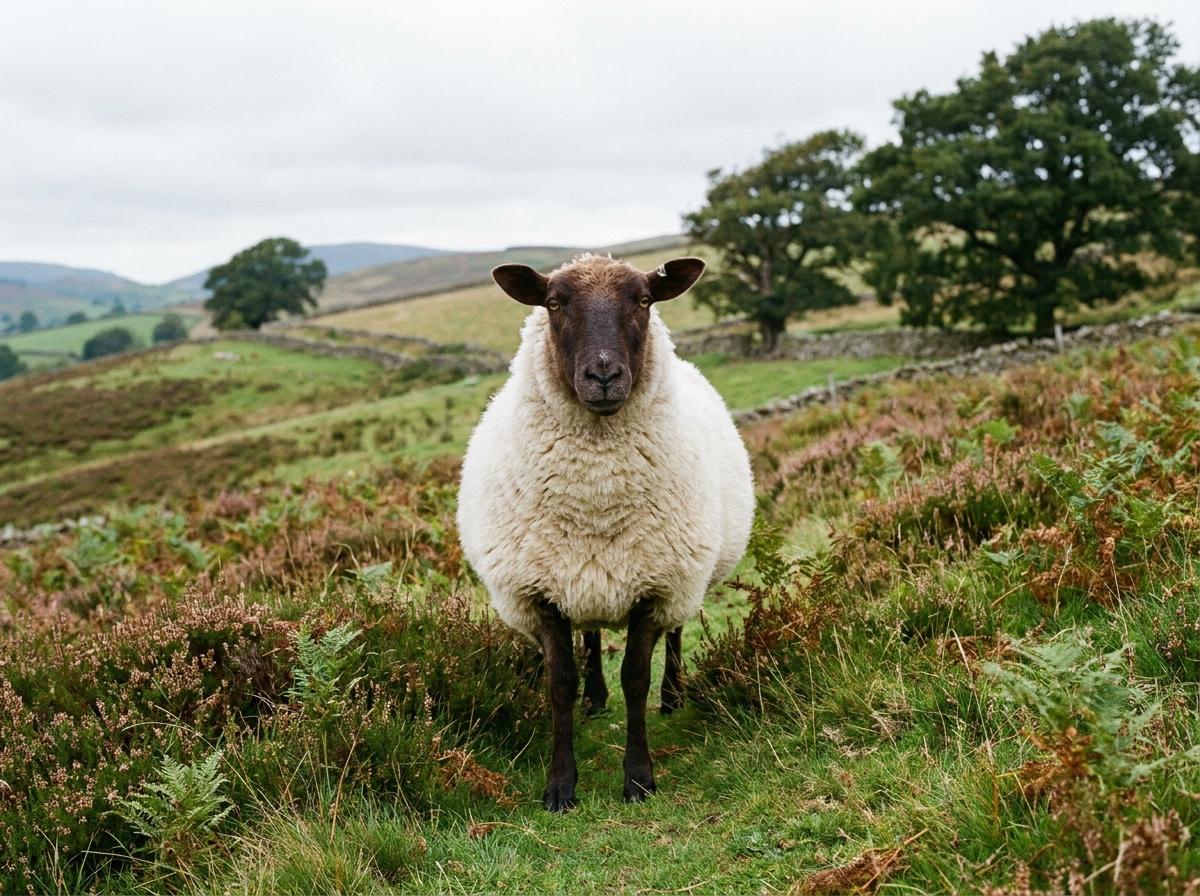
“Yellow sheep” is not a documented breed of domestic sheep. Almost everywhere the phrase turns up in English it is doing one of three jobs: translating the Chinese name for the Mongolian gazelle, which is a wild antelope of the Central Asian steppe and not a sheep at all; describing yellow discoloration in the fleece or the skin of an ordinary sheep; or standing in for a real breed whose own name contains a word meaning yellow, such as Montenegro’s Zeta Yellow. Those three answers point in completely different directions, and the page below separates them so you can tell which one you actually landed on.
That distinction has money attached to it. A color word is one of the least reliable things you can buy livestock on, because color travels badly between languages and tells you nothing about frame, fleece, prolificacy or climate fit. If you are shopping rather than reading, start from the sheep species page and work down to a named breed with a locality, a registry and records behind it. If you keep sheep and arrived here because one of yours has gone yellow, the fleece and skin section below is the part that matters, and one of the causes on that list needs a veterinarian the same day.

Browse listings, public profiles, breeders, or add your animal.
The short answer, and how to tell which one you mean
Three tests sort almost every “yellow sheep” search in a few seconds.
- If the context is China, Mongolia, Russia or the Gobi, the subject is the Mongolian gazelle. The English phrase is a word-for-word rendering of a Chinese name and the animal is wild.
- If the context is a flock, a fleece, a shearing shed or a wool clip, the subject is discoloration on a perfectly ordinary sheep. That is a husbandry and wool-value question, and occasionally a health one.
- If the context is the Balkans, a breed registry or a conservation program, the subject is probably Zeta Yellow, a small Montenegrin sheep whose Montenegrin name uses a word for yellow.
Names cause a lot of this. English is full of color-plus-sheep labels attached to animals that are not domestic sheep, the best known being the bharal or blue sheep of the high Himalaya, which is a caprid closer to goats than to true sheep and is not blue.
The animal actually called yellow sheep
Where the name comes from
The Mongolian gazelle, Procapra gutturosa, is known in Chinese as huang yang (黄羊). China’s National Forestry and Grassland Administration names the species and states plainly that it is commonly called huang yang. The first character means yellow. The second, yang, is not the English word “sheep” in disguise: it is a broad category term that also covers goats and antelopes, which is why domestic sheep, domestic goats and antelopes are all built on it in Chinese. Translated literally into English the compound becomes “yellow sheep”, and that literal rendering is what circulates in English text, wildlife reporting and place names. The animal is also called dzeren in Russian and zeer in Mongolian, and English sources usually list all of these together on the Mongolian gazelle entry.
The name has spread further than the animal. Huangyangchuan in Gansu, China, is rendered in English as Yellow Sheep River, and a fair share of English-language “yellow sheep” traffic is people looking for that valley rather than for any animal.
What the animal is
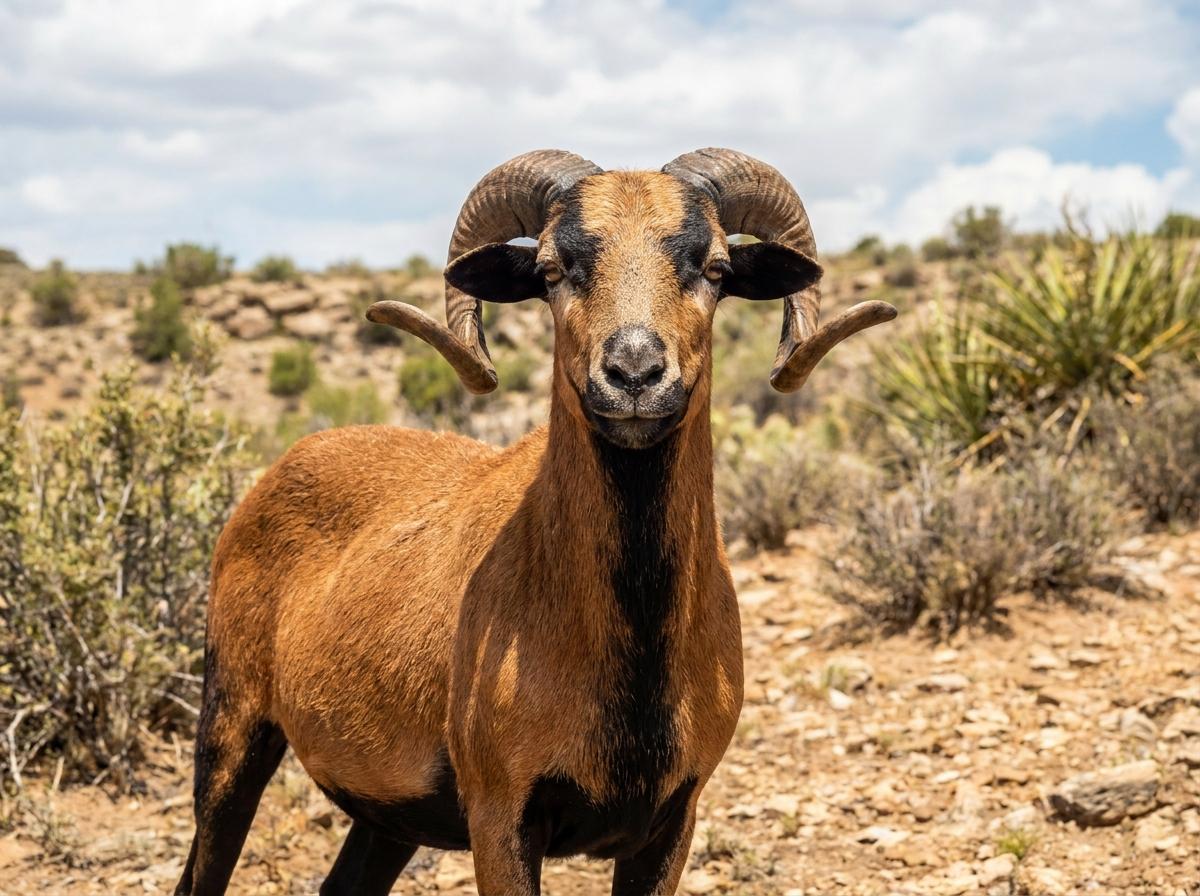
It is a medium-sized wild antelope of open temperate grassland, tawny to sandy orange over the back and flanks in summer with a white belly and a conspicuous white rump patch. Males carry slender, deeply ringed horns that sweep backward and then curve up with the tips turning inward; females are hornless. The species name gutturosa refers to the enlarged throat males develop in the rutting season. It is stockier and shorter in the neck than the true gazelles of the genus Gazella, and it belongs to the genus Procapra rather than to Gazella.
Nothing about it is a sheep. It has no fleece, it has never been domesticated, it is not kept as livestock anywhere, and it does not appear in any national breed inventory because it is wildlife.
Where it lives and how many there are
The species occupies the temperate grasslands of Mongolia and adjacent parts of Russia and China. A range-wide assessment published in Oryx pulled together line-transect distance sampling and total counts across Mongolia in 2019 and 2020, and a summer-range survey in Russia in 2020, and put the population at roughly 2.14 million individuals in Mongolia and about 30,000 in Russia (Buuveibaatar et al., 2024). The authors describe their own figure as probably an underestimate and note that the species is categorized as Least Concern on the IUCN Red List, while also warning that monitoring is thin enough that a decline could go unnoticed.
Those numbers make it the most abundant nomadic ungulate on the open plains of its range. The animals move long distances in response to unpredictable rainfall and forage, gathering in very large groups, which is why counts at any single location swing wildly and why a range-wide survey was needed in the first place.
Can you keep one?
Not as livestock, and for almost anyone reading this the practical answer is no. It is a wild ungulate, not a domesticated animal, so there is no breed standard, no herdbook and no legitimate market in it as a farm animal. Captive possession is a wildlife question rather than a livestock one: where it is lawful at all it is normally permit-controlled, and those permit regimes are written around zoos, licensed exhibitors, and research or conservation collections rather than around private keepers. The rules differ by country and can change, so check the law where you actually live before assuming anything, and treat any offer to sell you one as a reason to stop and ask questions.
If you want a hoofed animal that suits dry, hot, low-input grazing, the honest substitute is a domestic breed selected for exactly that, and there are several. You can filter what is currently available in the sheep marketplace rather than chasing a wild species.
Why a domestic sheep turns yellow
This is the part most sheep keepers are here for. Yellow on a sheep is a symptom, not a breed, and the causes range from completely normal to genuinely urgent. Work through them in this order.

Yolk: the yellow that is supposed to be there
Raw fleece is not white inside. Wool grease from the sebaceous glands and suint from the sweat glands combine into what wool graders call yolk, and yolk carries a natural yellowish cast. Refined wool grease is what gets sold as lanolin. A creamy or faintly golden color deep in the staple, on a sheep that is otherwise well, is ordinary and washes out in scouring.
The line worth learning is between that and a stronger, more brassy yellow. South Dakota State University Extension’s wool evaluation guide puts it plainly for people judging a clip: wool that looks yellow is often called “yolky”, the brighter yellow often traces to excessive sweating or to external parasites called keds, and that yellowing may not come out in washing (Wool Evaluation 101). Bright white wool scours more easily and takes dye more predictably, so buyers discount the rest.
Canary stain: the yellow that will not scour out
The severe form has its own name in the wool trade. Canary stain is a strong yellow that survives washing because the colored compounds have bonded chemically into the fiber rather than sitting on it. It develops in wool that stays warm, humid and wet on the animal, where bacterial activity on the fleece drives the chemistry, and potassium salts in the suint are part of the reaction. Once it is there, no ordinary scour removes it, dyeing is compromised, and the affected lot is downgraded.
The management lesson is unglamorous and effective: canary stain is a wet-fleece problem. Anything that shortens the time a fleece spends soaked, whether that is shelter, drainage, stocking density, shearing date or breed and fleece type suited to your rainfall, reduces the risk. Recording which paddocks, which seasons and which bloodlines produce stained clips is how a flock actually gets on top of it, because the pattern rarely shows up in a single year.
Fleece rot and lumpy wool
Two bacterial skin conditions of prolonged wetting sit behind a good share of discolored fleece, and both have consequences well beyond color.
Fleece rot is an exudative dermatitis that follows extended wetting, and the bacteria involved stain the wool. Lumpy wool, properly dermatophilosis, is caused by Dermatophilus congolensis; moisture releases zoospores from existing lesions, which then infect new skin. Chronic cases form pyramid-shaped scabs bound into the wool fibers, mostly along the back, and those crusts can make an animal impossible to shear normally. It is also transmissible to people, so handle affected sheep with that in mind (Merck Veterinary Manual).
The reason this belongs in a color article is flystrike. The NSW Government’s flystrike guidance names moist wool, fleece rot and lumpy wool as conditions that attract blowflies, alongside urine and dung staining, dags, wet springs and any existing wound. Eggs can hatch in as little as eight hours, so daily checks during fly season are the actual control, backed by shearing and crutching timing, worm control to cut dags, breeding away from susceptible traits, and registered preventatives applied before soil temperatures climb (Flystrike in livestock). A yellow, damp, smelly patch on a sheep’s back in warm weather is not a wool-grading question. It is a check-this-animal-now question.
Keds and other passengers
The sheep ked, Melophagus ovinus, is a wingless fly that lives its whole life in the fleece. Ked bites make sheep bite, scratch and rub, which leaves the fleece thin, ragged and dirty, and their droppings stain the wool. Heavy infestations bring weight loss, anemia and general unthriftiness, plus a skin defect called cockle that downgrades the hide (Merck Veterinary Manual). Lice do similar damage. If a fleece has gone yellow and the sheep is restless, part the wool and look for the parasites before blaming the weather, and ask your veterinarian which product suits your flock, region and resistance situation.
Urine, dung and marking fluid
The dullest explanations are also the most common. Belly wool and britch wool sit where staining happens, which is why belly wool is normally skirted off and why a stained britch drags a whole fleece down on uniformity. Sheep that lie in their own bedding, rams in the breeding season, and animals with scouring all end up yellow in predictable places. Colored marking fluid, raddle and stock sprays account for a good number of the startlingly yellow sheep people photograph and search for, and those marks are deliberate and temporary.
When yellow is a medical emergency
One version of “my sheep is yellow” is not about wool at all. If the whites of the eyes, the gums or the skin look yellow, that is jaundice, and in sheep chronic copper poisoning is the thing to rule out quickly.
Sheep are the species most susceptible to copper toxicosis. Copper accumulates quietly in the liver, often for weeks or months with no outward sign, until the liver’s storage capacity is exceeded and a large amount is released into the blood at once. That hemolytic crisis presents as depression, weakness, going down, a still rumen, pale mucous membranes, dark red-brown urine and jaundice, and once clinical signs appear the prognosis is poor and case fatality is high. Prevention is mostly about not oversupplying copper: use mineral packs and feeds formulated specifically for sheep, and keep them away from products made for cattle, goats or horses (Merck Veterinary Manual).
Jaundice in a sheep is a same-day call to a veterinarian, not something to watch for a week. Bring what you feed, including mineral blocks, licks, concentrates and anything the flock could have reached by accident, because the diagnosis often turns on that. Nothing in this article is a substitute for a veterinarian examining the animal.
Yellow fat, which is neither a disease nor a breed
There is one more yellow that turns up in sheep, and it is worth knowing because it sounds alarming and is not. Some carcasses show yellow fat, caused by carotenoids accumulating in adipose tissue. It is inherited as a recessive trait, and in Norwegian White Sheep it was traced to a nonsense mutation in the BCO2 gene that truncates the enzyme responsible for breaking those pigments down. The affected animals are healthy; the yellow fat frequency among Norwegian lamb carcasses was reported at 0.02 percent in 2008, and the paper describes the problem as a marketing one caused by appearance (Våge and Boman, 2010). Feeding can also tint fat in ruminants, so a single yellow carcass is not proof of anything genetic.
Real sheep breeds with yellow in the name
There is no breed called simply “Yellow sheep”, but there are real sheep whose names carry a word for yellow, and the best documented of them is in Montenegro.

Zeta Yellow, or Zetska zuja
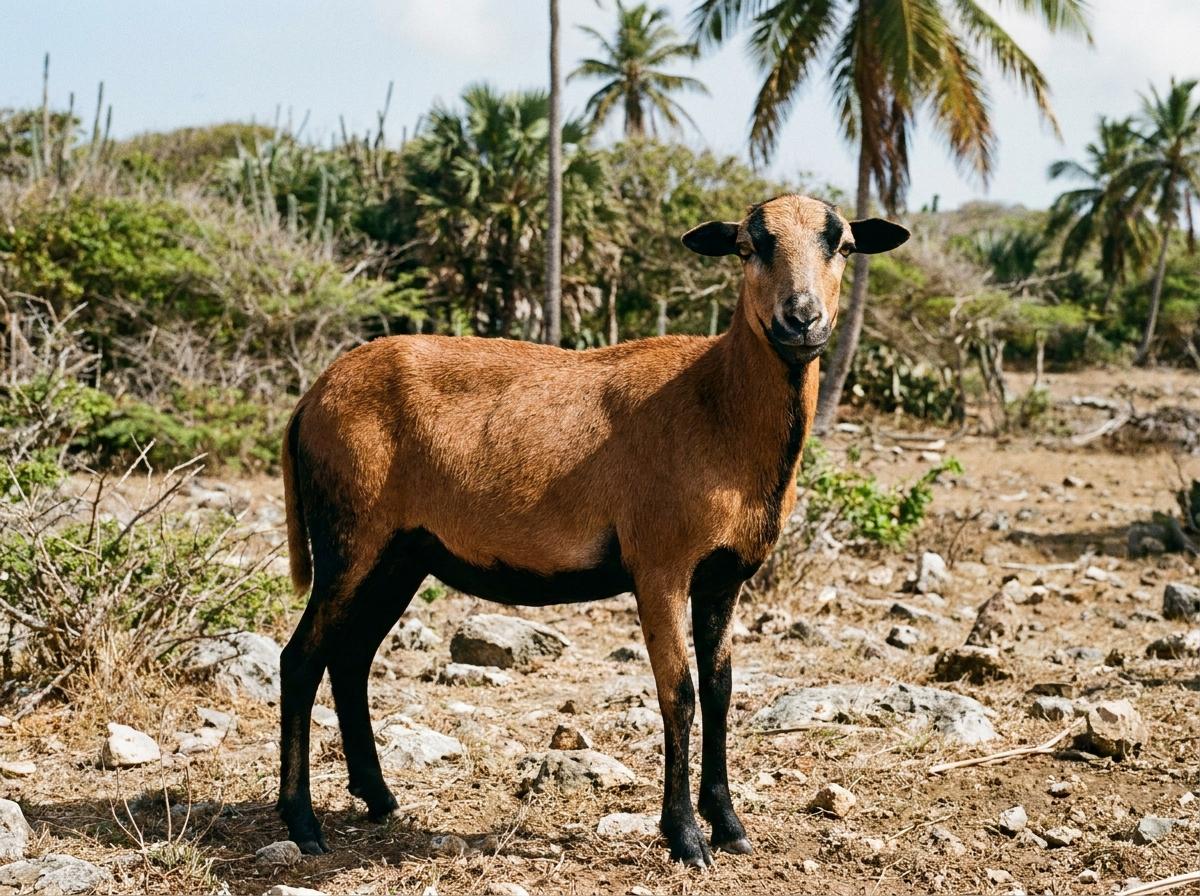
Zeta Yellow belongs to the Pramenka group, the coarse-wool sheep of the western Balkans. It is reared on the flat country around Podgorica, the Zeta and Bjelopavlici plain and the basin of Lake Skadar, at 50 to 200 meters above sea level in a Mediterranean climate with hot summers and long dry spells.
Its defining feature is exactly the one the name points at, and it is not the fleece. A peer-reviewed morphometric study of Pramenka strains describes the breed as easily recognized by a characteristic yellow-brown face and legs while the wool itself is white, with a very small body frame and low production capacity, and as resistant and excellently adapted to very hot conditions (Markovic et al., 2019). In that study it had the smallest body size of the six strains measured, averaging 37.1 kg body weight, 64.8 cm at the withers and 81.9 cm chest circumference, against 76.4 kg for Sjenicka, one of the largest strains in the same comparison. A later microsatellite study of Montenegrin breeds describes it as short-tailed and small-bodied with reddish hair on the face and legs (Markovic et al., 2022).
It is also in trouble. The 2019 study put the population at roughly 150 head and called it the most endangered sheep breed in Montenegro, with a high risk of extinction; the 2022 study counts 100 to 200 breeding animals. Numbers that low mean the breed is a conservation subject, not a shopping option, and anyone outside its home region who is offered one should expect paperwork rather than a quick sale.
The other Montenegrin yellows
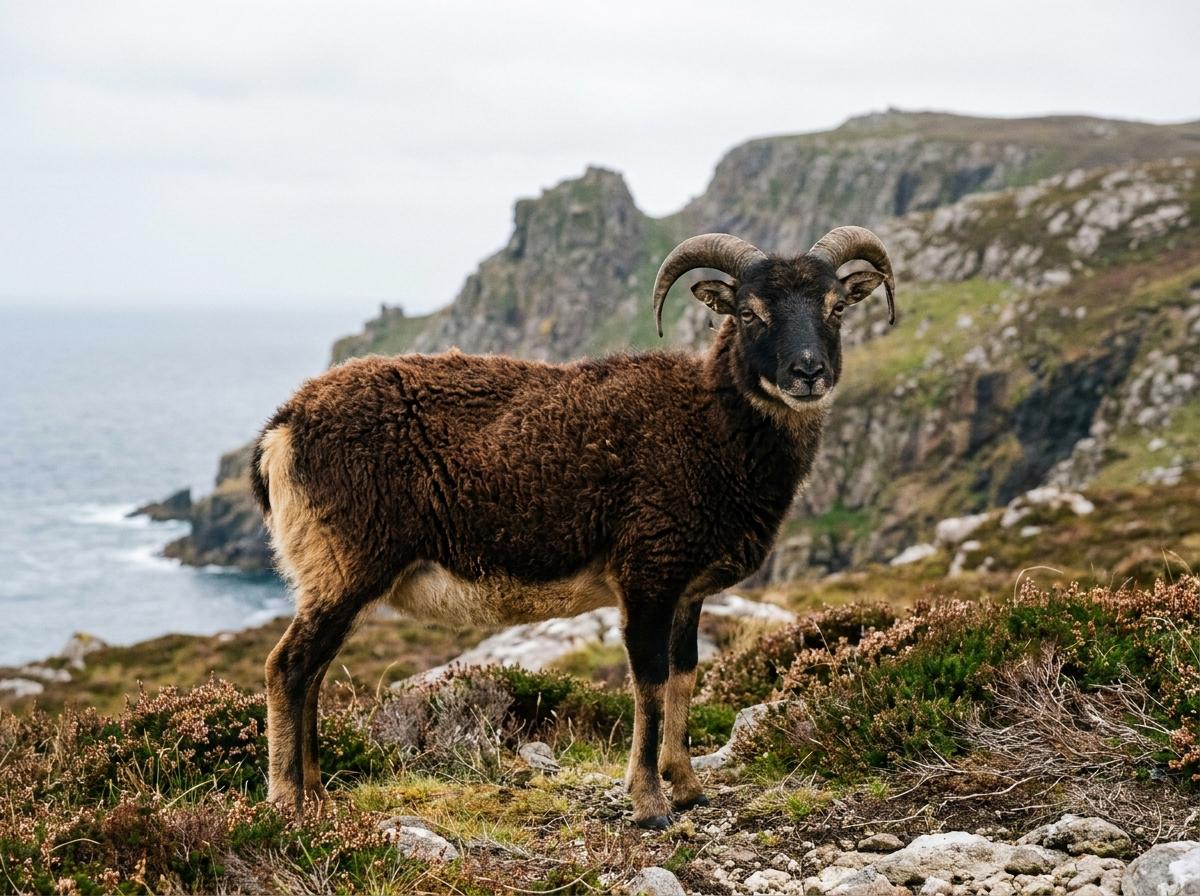
Zeta Yellow is not alone. Piperska zuja, kept mainly in central Montenegro, is medium-sized, mostly horned in both sexes, and carries a yellow-red head, ears and legs. Ljaba, a very small sheep of the Mediterranean southeast, is usually white with sporadic yellow spotting on the face and legs. Both are described in the same microsatellite study, both belong to the Pramenka group, and both are named alongside Zeta Yellow as Montenegrin breeds that are already very low in number and in danger of extinction. The pattern is consistent and useful: yellow here describes the bare skin and hair of the face and legs, not the wool.
So is “Yellow sheep” a breed? What the breed lists actually say
The reason this name has a life of its own is that it appears in a widely copied crowd-edited inventory. The Wikipedia list of sheep breeds carries a row reading “Yellow sheep” with an origin of Yorkshire, and that row has no article behind it, no alternative name, no stated purpose, no photograph and no citation. That single line is enough to seed the name into breed databases, directories and aggregated listings downstream, which is roughly how a phantom breed gets built.
Look for corroboration and it does not appear. The breed does not show up in British Wool’s own sheep breed factsheets or in the National Sheep Association’s breed listing, which is where an English regional breed of any standing would be. The FAO’s inventory of sheep breeds of Mongolia, the obvious place to check if the name had leaked from a Chinese or Mongolian source, lists fifteen indigenous breeds and none of them translates as yellow. The same Wikipedia list has a well-populated entry for Zeta Yellow, with an origin and a purpose, which is what a real entry looks like next to the empty one.
None of that proves nothing anywhere has ever been called a yellow sheep locally. Regional and farm-level names for sheep are numerous and often undocumented, and a shepherd somewhere may use the term for a fawn-fleeced local type. What it does mean is that the label carries no agreed standard, no registry, no expected size, fleece type or purpose, and no health profile, so it cannot tell you anything about an animal you are considering buying.
Buying and selling: what to ask for instead of a color word
If someone offers you a “yellow sheep”, the color is not the useful part of the sentence. Replace it with questions that have checkable answers.
- Ask what breed or type it actually is, and where the flock is. A locality plus a named breed is worth more than any adjective.
- Ask whether the yellow is fleece, skin, or the animal’s face and legs. Yellow face and legs on white wool suggests a genuine breed characteristic somewhere in the animal’s background. Yellow through the fleece is a fleece condition. Yellow eyes or gums is a health problem.
- Ask for records. Lambing history, shearing dates and fleece weights, parasite treatments, mineral and feed program, and any veterinary events. A seller who keeps these is telling you something about the whole operation.
- See the animal, and part the fleece. Look at the skin along the back, the britch and the belly, check feet and teeth, and look at the eyes and gums in daylight.
- Be careful with imported rarities. For a breed with a population in the low hundreds, the paperwork, health testing and movement rules are the transaction, and anyone treating them casually is a problem.
You can see what is actually listed in the sheep marketplace, find farms and flocks in the Creatures breeder directory, and compare named sheep breeds from the sheep species page. If you are naming a new arrival, the sheep name generator is there too. For a working hair-sheep contrast to the wool breeds discussed here, the Pelibuey hub is a useful next stop.
Frequently asked questions
Is “yellow sheep” a real breed of sheep?
No. It is not in the standard breed references, it has no registry or breed standard, and the one widely copied list that carries the name has no source, photograph or purpose attached to the entry. Treat it as a description or a translation, not a breed.
What animal is actually called a yellow sheep?
The Mongolian gazelle, Procapra gutturosa. Its Chinese name pairs the word for yellow with a broad term covering sheep, goats and antelopes, and the literal English rendering is “yellow sheep”. It is a wild antelope of the Mongolian, Russian and Chinese steppe.
Why has my sheep’s wool gone yellow?
Most often yolk, the natural grease and suint in a fleece, which is normal and scours out. Stronger, brassier yellow points to canary stain from a persistently wet fleece, to fleece rot or lumpy wool, to keds or lice, or to urine and dung staining. Marking fluid explains a surprising number of yellow sheep as well.
Will yellow wool wash out?
Ordinary yolk does. Canary stain does not, because the colored compounds have bonded into the fiber, and the affected wool is downgraded and harder to dye. Ked staining is also persistent.
Is yellow fleece dangerous for the sheep?
The color itself is not, but two of its causes matter. A damp, discolored, smelly fleece points to fleece rot or lumpy wool, and those conditions attract blowflies and raise flystrike risk sharply in warm weather.
My sheep’s gums and eyes look yellow. What should I do?
Call your veterinarian the same day. Yellow mucous membranes are jaundice, and in sheep chronic copper poisoning is the cause to rule out quickly. Once clinical signs appear the outlook is poor, so it is not a wait-and-see situation. Take your feed, mineral and lick labels with you.
Is Zeta Yellow the same thing as “yellow sheep”?
Not really, though it is the closest real breed. Zeta Yellow, or Zetska zuja, is a small Montenegrin Pramenka sheep with white wool and a yellow-brown face and legs. It is severely endangered, with only around 100 to 200 breeding animals recorded, so it is not a breed most buyers will encounter.
Can I buy or keep a Mongolian gazelle?
Not as livestock. It is wildlife, it has never been domesticated, and there is no legitimate livestock market in it. Any lawful captive possession runs through wildlife law, which varies by jurisdiction and is normally permit-controlled, and in most places those permits are aimed at zoos, licensed exhibitors and research or conservation collections rather than private keepers. Check your own local law and be skeptical of anyone offering to sell you one.
Do this next on Creatures
Whether you are chasing down a name, sorting out a discolored clip, or running a flock you want on the record, Creatures is the profile, records, marketplace and directory layer to do it in one place.
Start with the real breed. Compare named breeds on the Creatures sheep species page before buying on a color word, and see what is currently listed in the sheep marketplace.
Add your sheep. Create a free animal profile for each ewe, ram and lamb. No account needed to start, and the walkthrough is in adding an animal to Creatures.
Record the fleece and the treatments. Log shearing, fleece condition, parasite treatments and veterinary events. The record sheet opens for any visitor to look around, and a free account saves what you enter. See adding a record and health and medical records.
Do not miss the fly season. Crutching, drenching and preventative timing are the whole game with flystrike, so put them on a schedule using reminders and upcoming care.
Get told when stock appears. Rare and regional sheep surface unpredictably, so set a free sheep listing alert and we will tell you when one is posted. No account needed to start, and saving searches and using your watchlist explains how they work.
Put your flock on the map. Run a farm or a conservation flock? Create your organization page, no account needed to start, then read getting listed in the breeder directory so buyers can find you, and creating an organization and adding your team if others work with you.
Find people, not listings. Search trusted farms and flocks in the Creatures breeder directory, and if you plan to sell, learn how seller payout works first.