

Philippine Forest Dog
The Philippine Forest Dog, also called Asong Gubat, is an emerging Philippine breed proposal rather than a settled ancient lineage with universally accepted recognition. A public introduction and a plan to seek Fédération Cynologique Internationale recognition were documented in 2023. The much stronger claims often attached to the name, including a 30,000-year or 36,000-year continuous breed history, genetic purity and exclusive mating, do not yet have published population-level evidence that this article could verify.
If you are documenting a candidate dog, start a Philippine Forest Dog profile on Creatures and preserve location, parentage, photographs, microchip, health records and any DNA files without claiming more than each record proves.

Browse listings, public profiles, breeders, or add your animal.
What happened in 2023?
The Manila Bulletin announcement for the January 2023 Philippine Circuit said the Philippine Canine Club planned to introduce the Philippine Forest Dog and hoped it would become the first FCI-recognized dog breed from the Philippines. That wording describes an aspiration, not completed international recognition.
At the event, a GMA Integrated News report quoted PCCI corporate secretary Fred Salud discussing documents to be submitted to FCI and describing traits associated with the proposed dogs. This establishes that named proponents publicly presented a candidate population and recognition plan.
It does not establish that FCI accepted the population, that a closed registry exists, or that every dog called Asong Gubat belongs to one genetic cluster. Those require different evidence.
Recognition: use the right verb
Recognition can mean several things: a local club endorses a project, a national registry opens a development register, a government declares a national symbol, or FCI accepts a breed provisionally or definitively. These are not interchangeable.
The current FCI breed nomenclature does not list Philippine Forest Dog or Asong Gubat among recognized or provisionally recognized breeds. Until an official FCI page says otherwise, the accurate phrasing is that proponents are seeking recognition.
The promoter’s website now describes national endorsement and an active documentation effort. That is useful evidence of what the proponents say, but it is not an independent registry decision. A buyer or journalist should ask for the exact issuing body, decision date, register rules and public record whenever the word recognized appears.
The antiquity problem
Claims of 30,000 or 36,000 years are much older than any modern dog breed registry. They appear to borrow from broad hypotheses about dog domestication in Asia and apply that age to a specifically named Philippine population. That leap is not justified without direct evidence.
The major primary study Genetic structure in village dogs analyzed hundreds of village dogs from many countries and showed that geographic structure, isolation and gene flow shape dog populations. Its central lesson is that village dogs preserve important diversity and need population-specific sampling. It does not validate a 30,000-year Philippine Forest Dog breed.
An old dog lineage in a region would not, by itself, prove that today’s brindle candidates form one continuous closed breed. To establish that, researchers would need transparent sampling from unrelated dogs across the claimed range, genome-wide comparison with Philippine village dogs and recognized breeds, population-structure analysis, documented pedigrees and reproducible results in a peer-reviewed publication.
What the current appearance can and cannot show
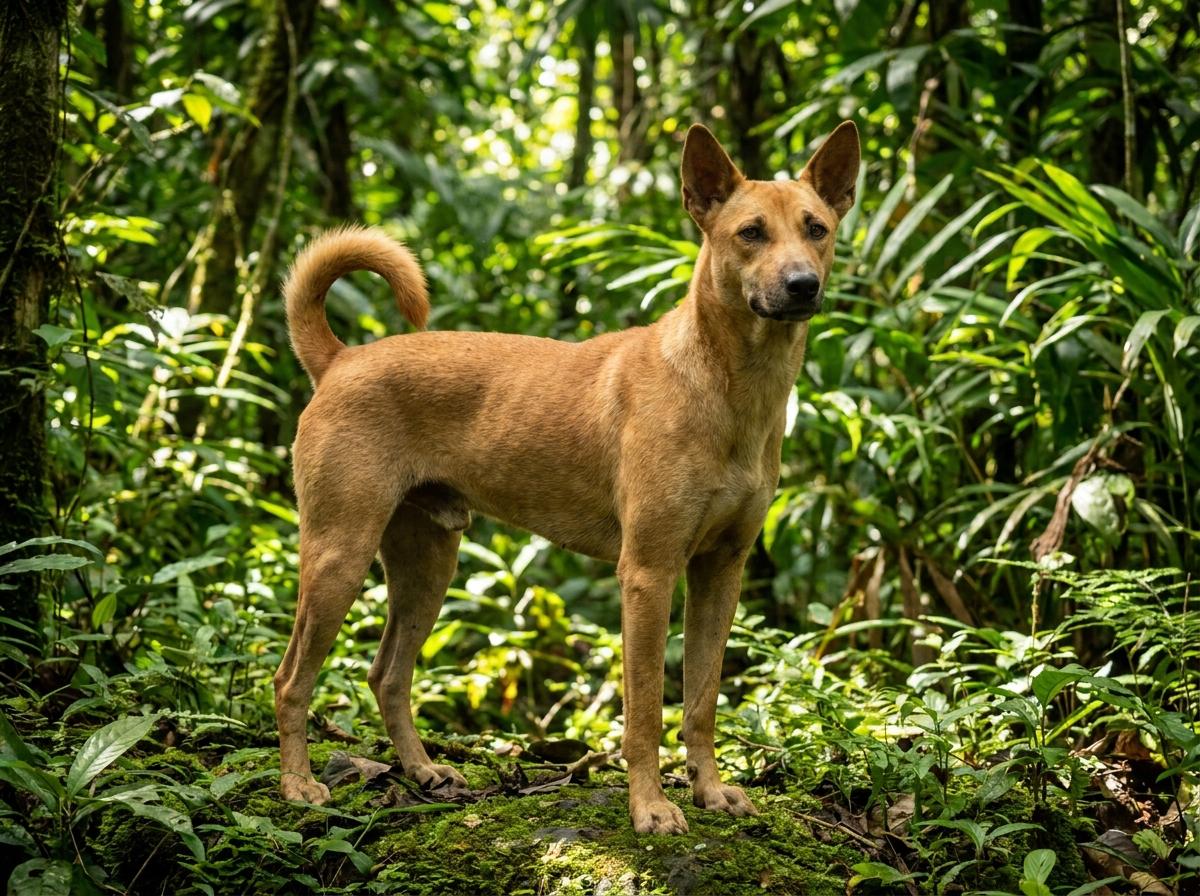
Proponents commonly describe medium, lean dogs with short coats, upright ears and brindle, black or other dark colors. Some accounts add unusual climbing, claw, hunting or anatomical claims. The 2023 GMA interview records several of those statements as things organizers said.
A visual description can support a provisional phenotype. It cannot establish genetic purity, ancient continuity or a breed boundary. Brindle is a widespread dog coat pattern. Upright ears and athletic proportions also occur in many village-dog populations.

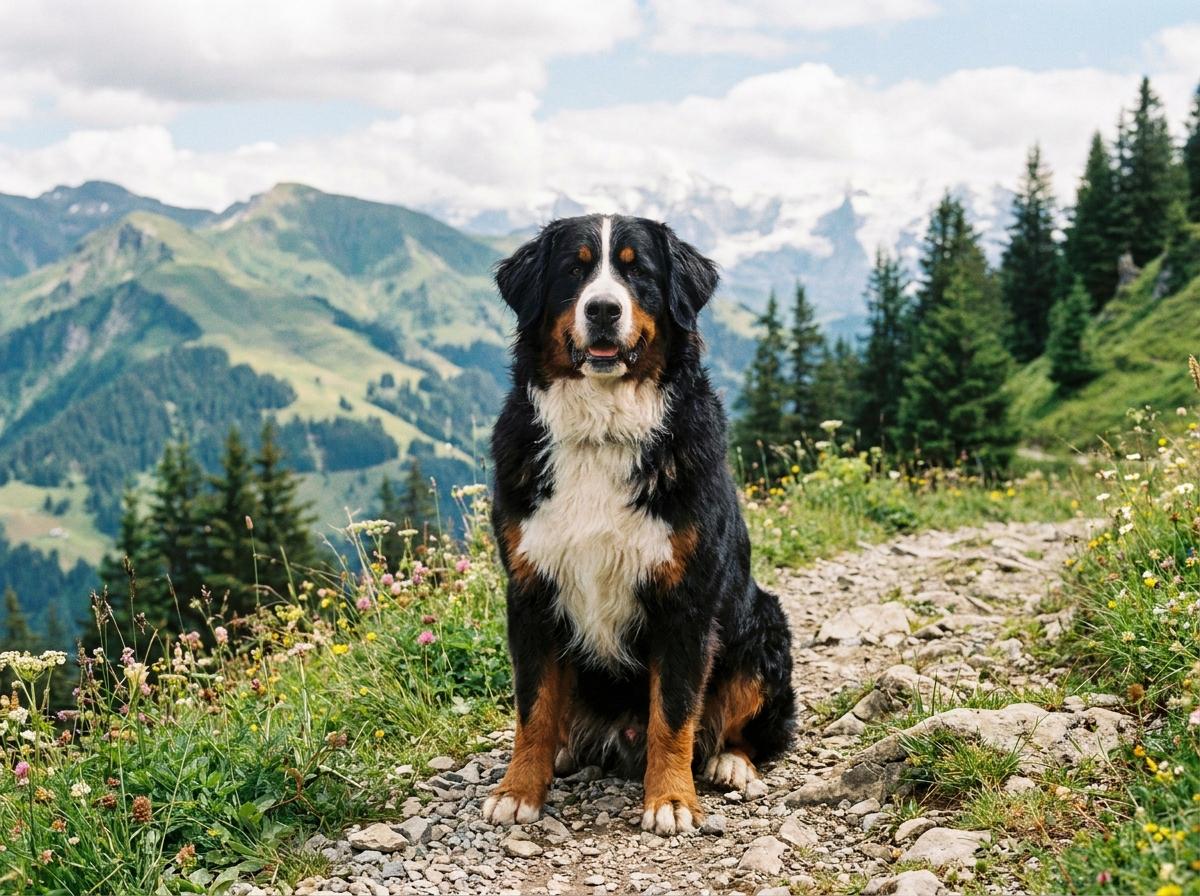
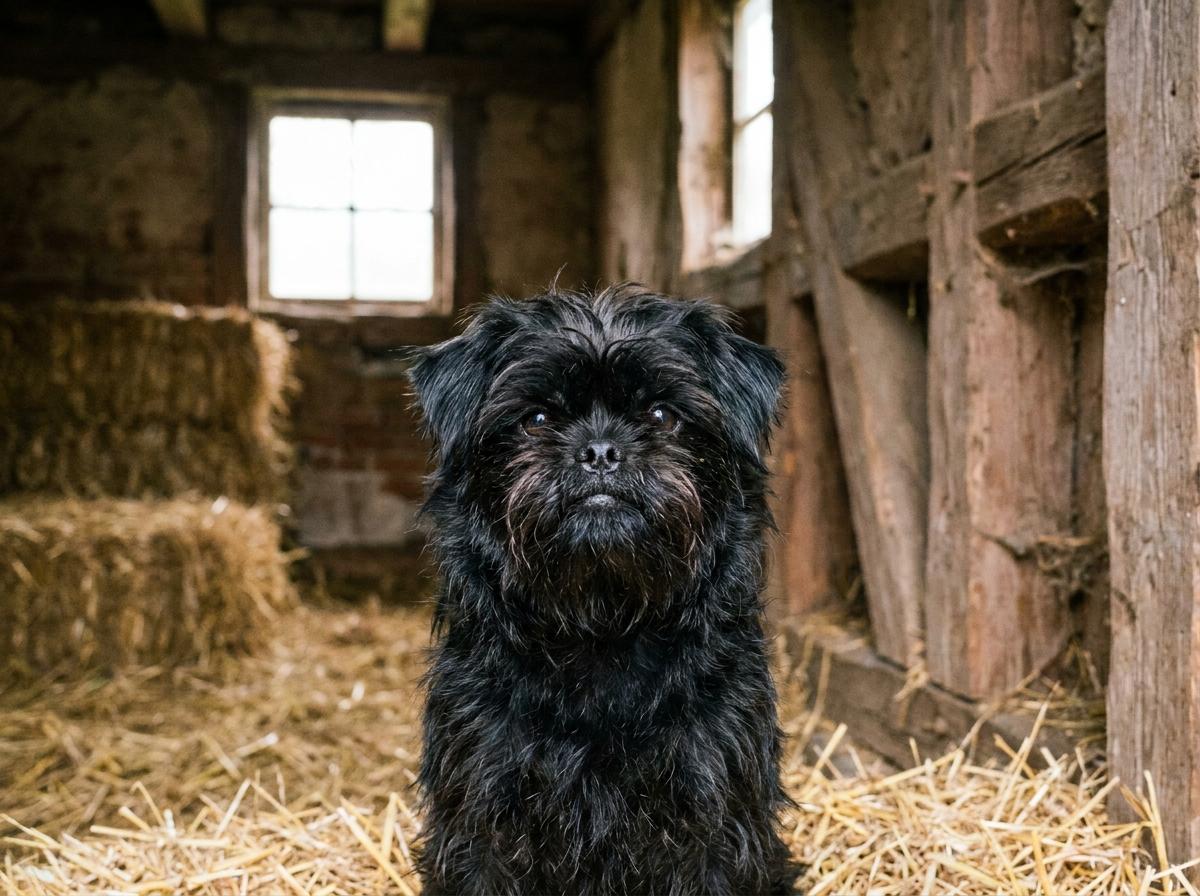
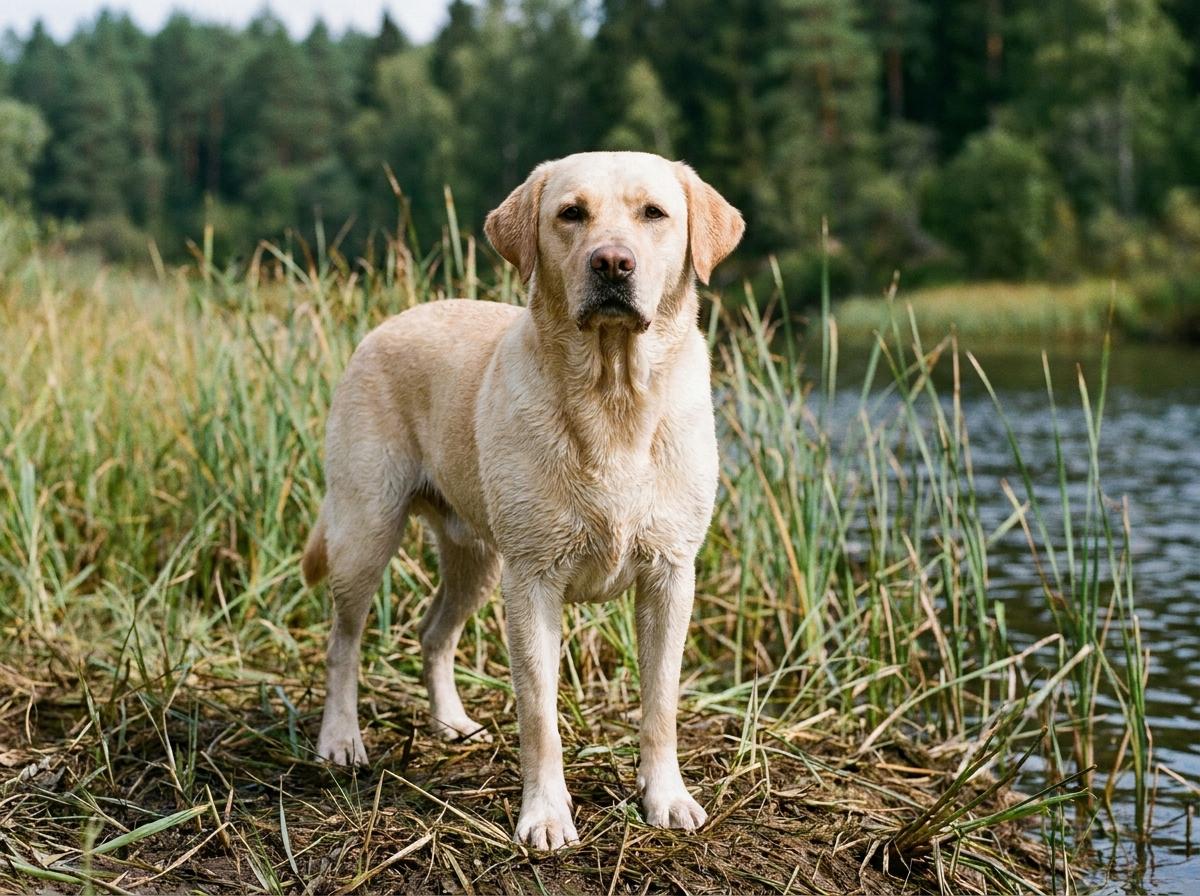
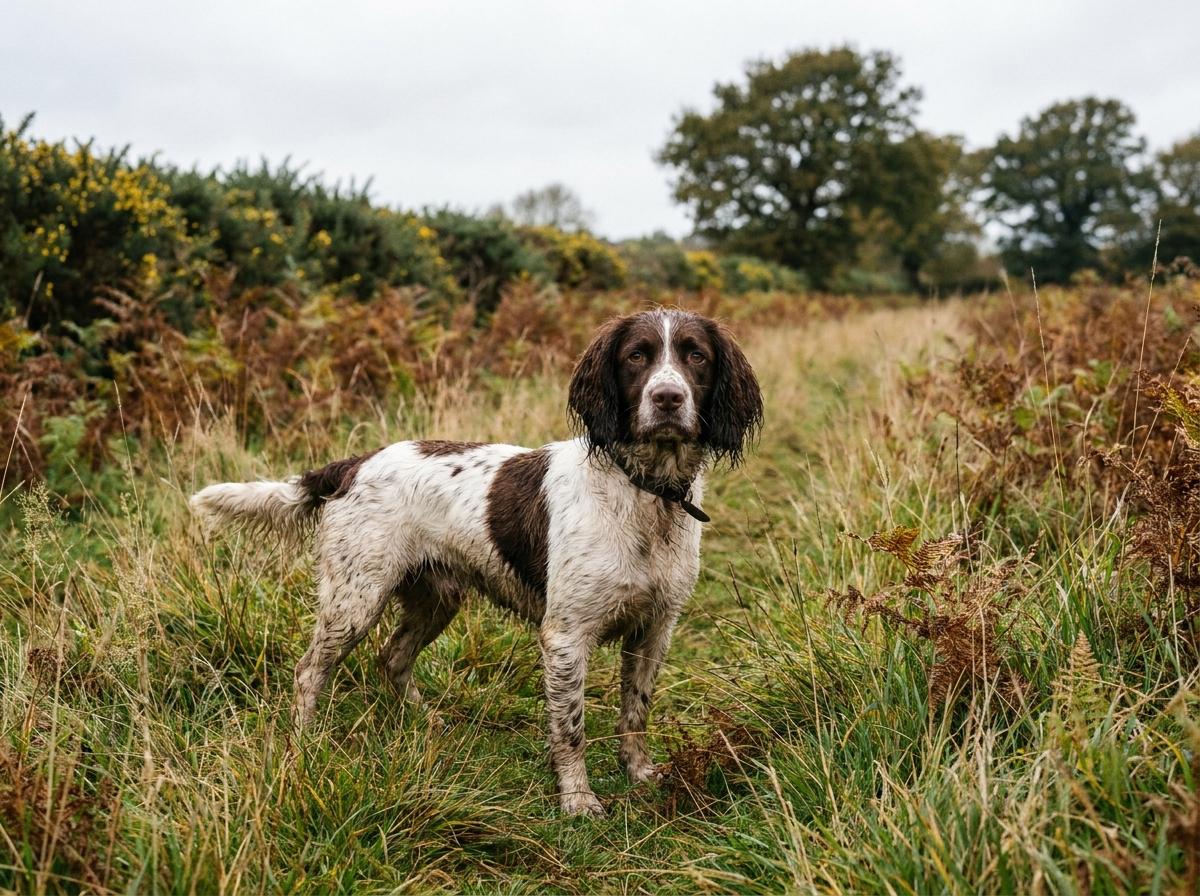
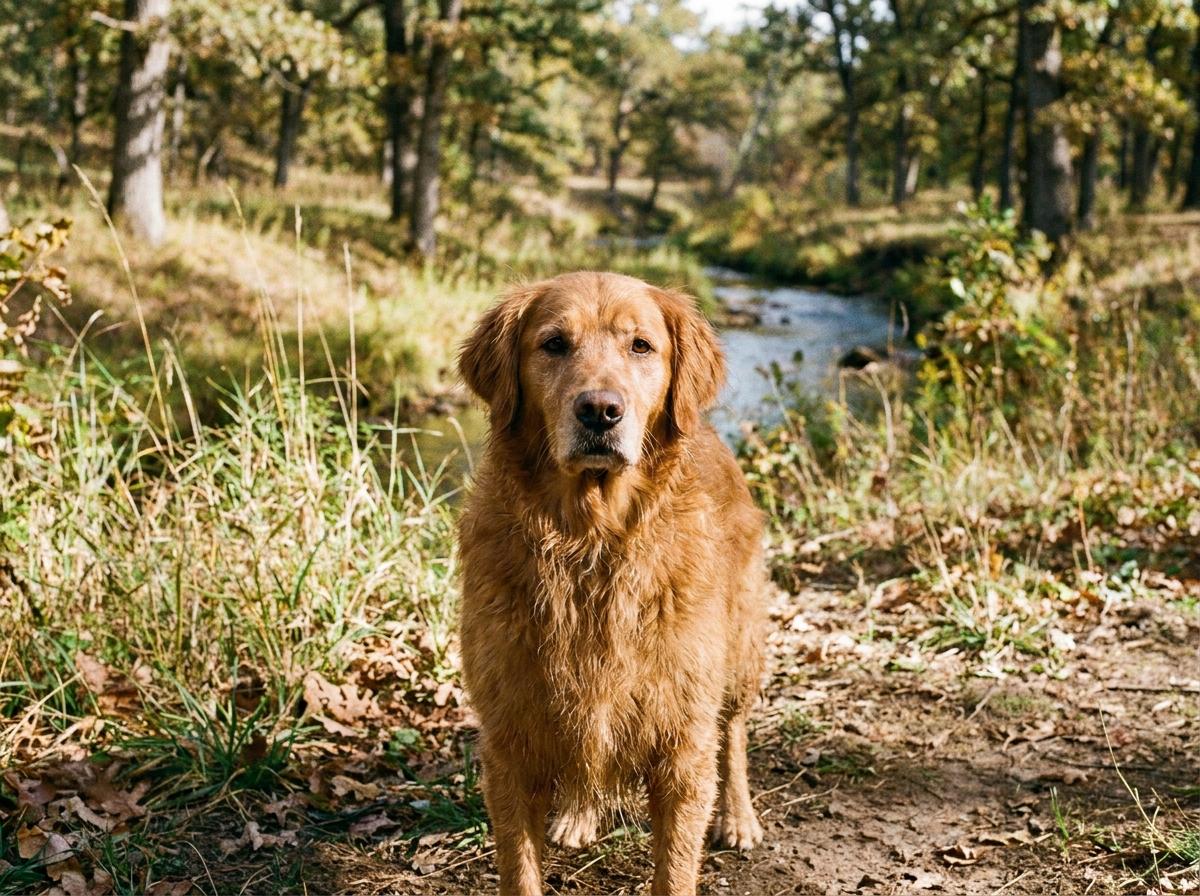
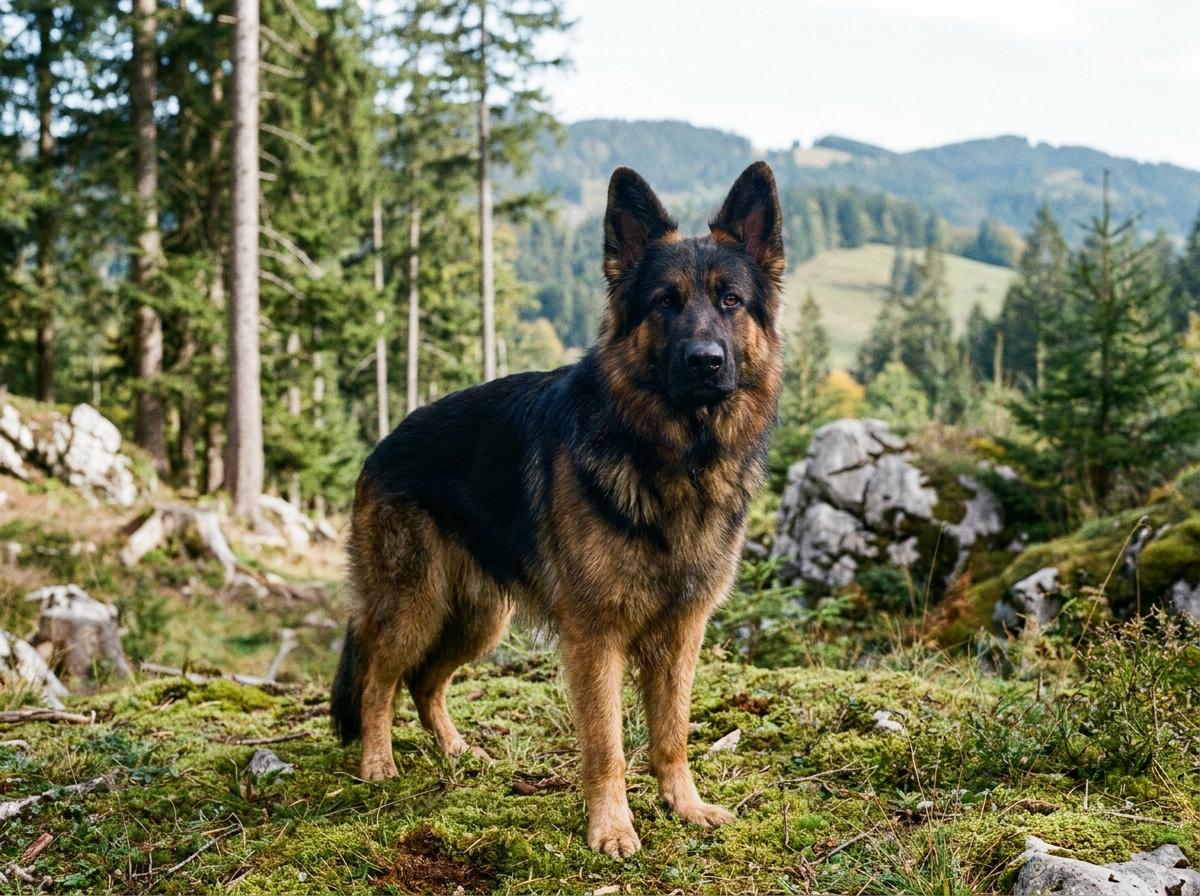
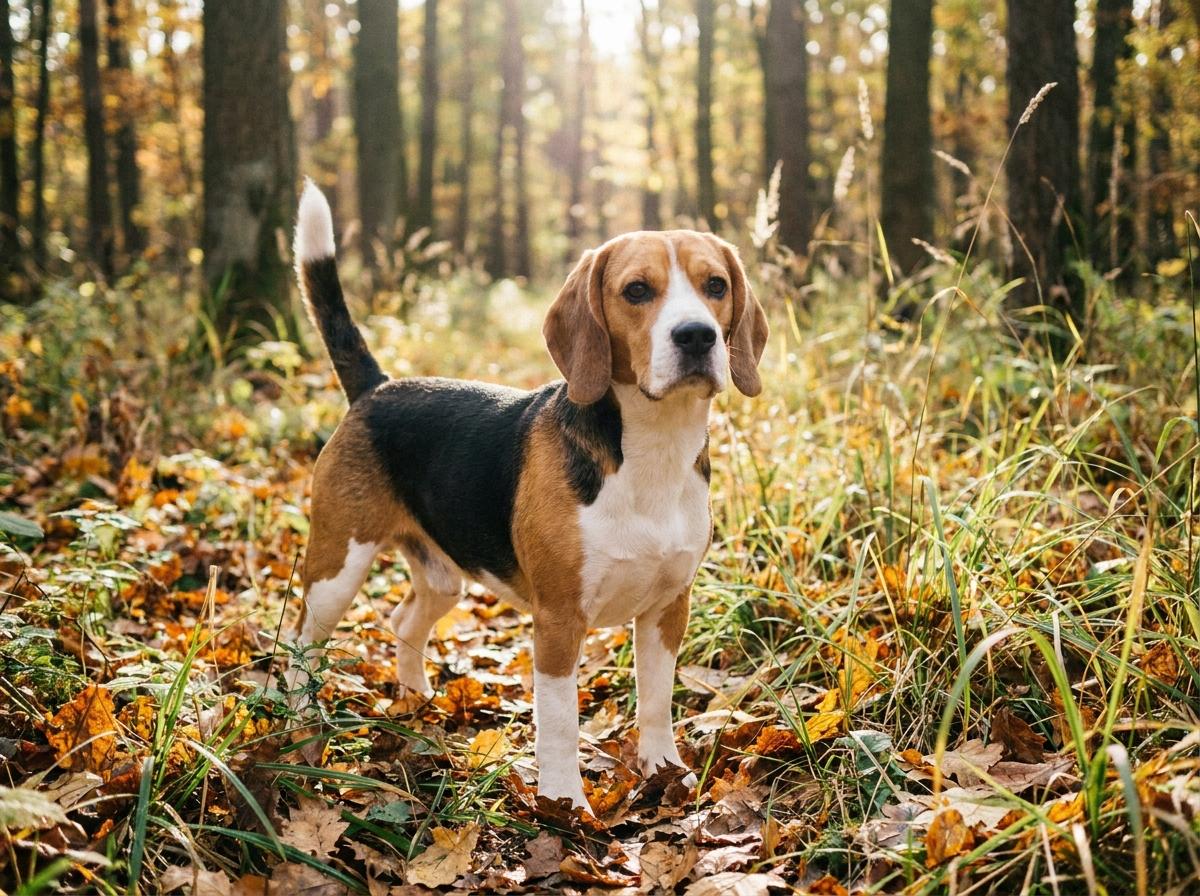
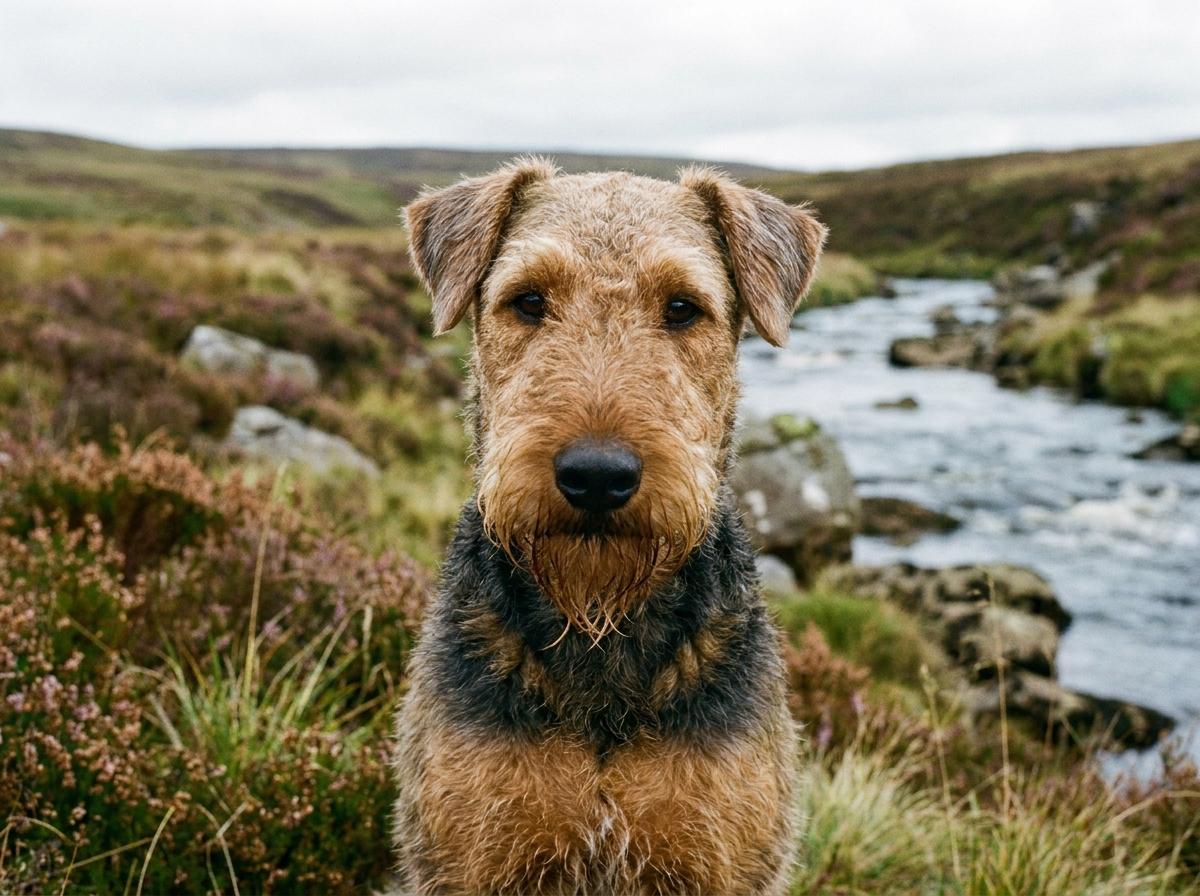
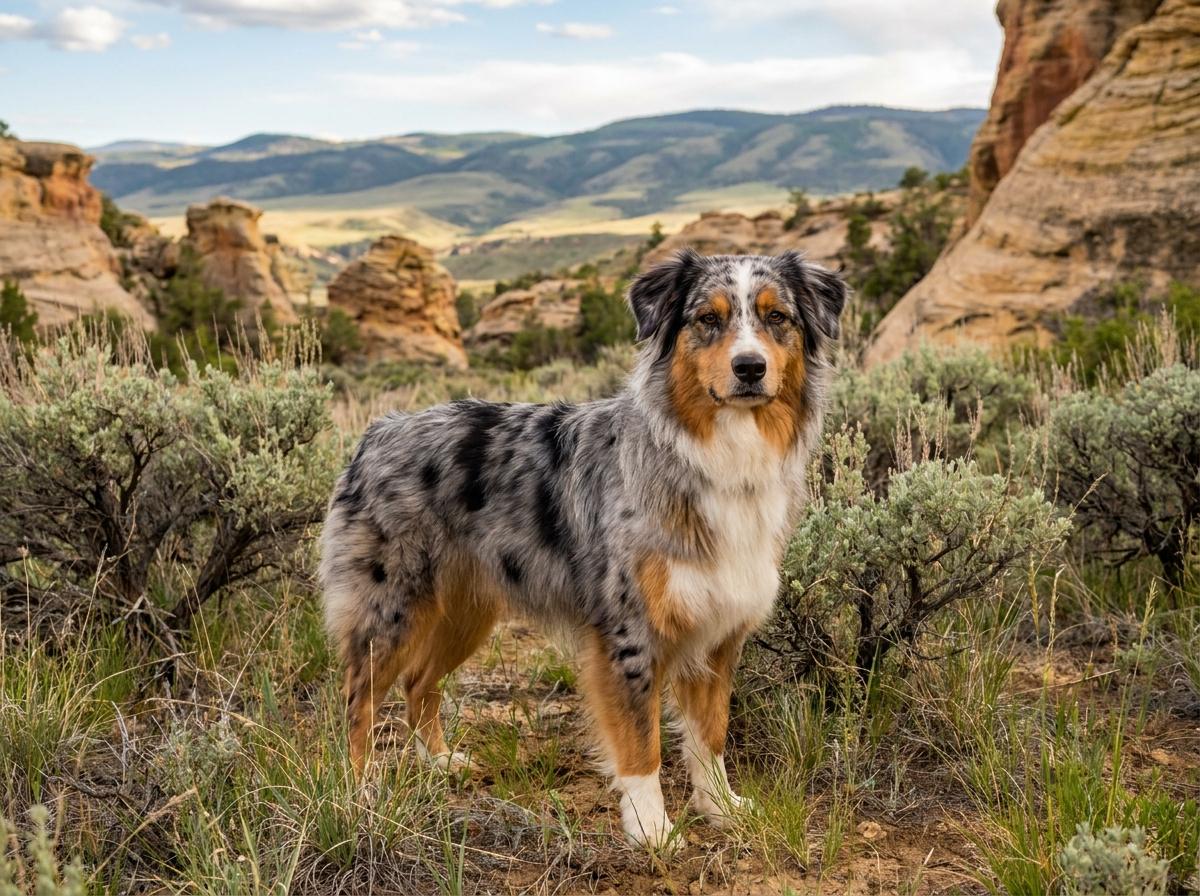
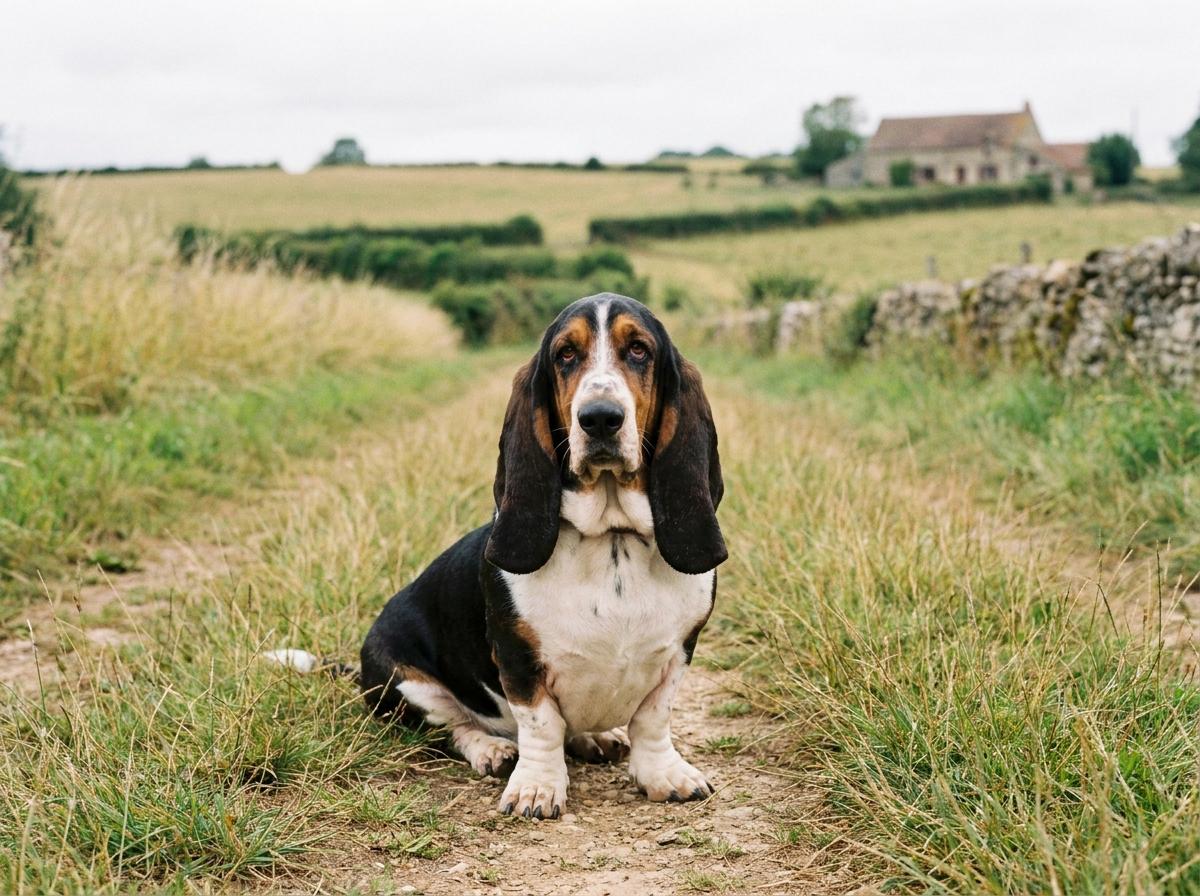
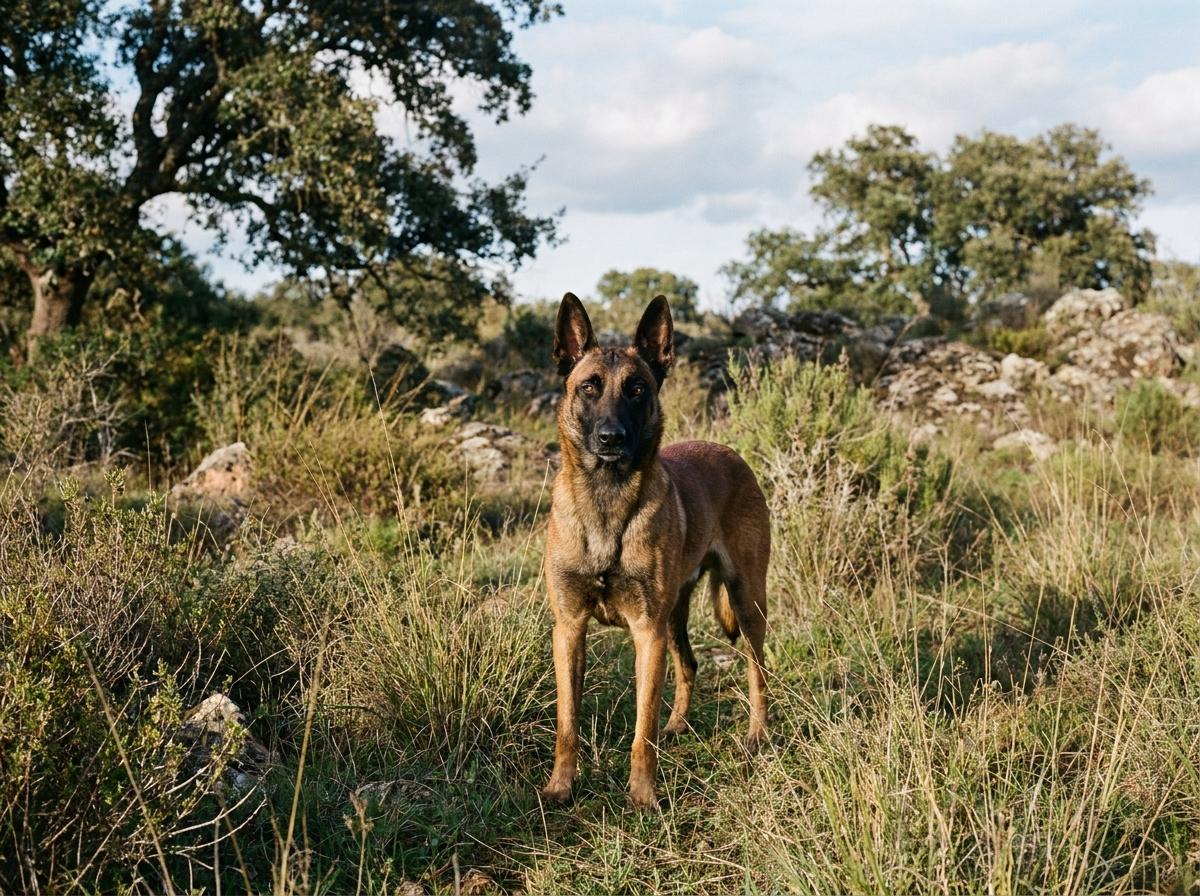
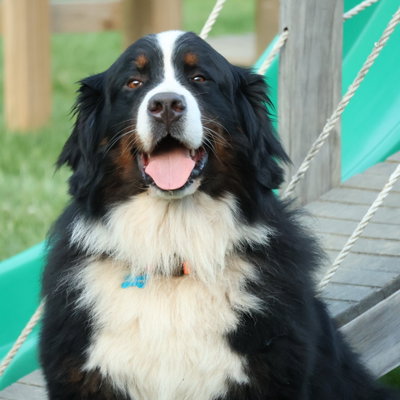
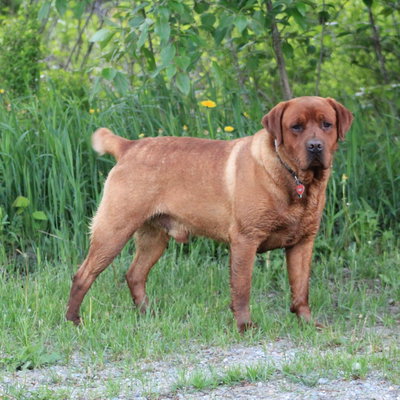
The illustration above makes the evidence limit visible. It presents plausible village dogs around the proposed look, not three certified Philippine Forest Dogs. No official public standard located for this article gives enough independently verified detail to make a generated reference specimen responsible.
Which claims remain unverified?
Treat these as hypotheses or promoter statements unless a primary study or official decision is attached:
- a continuous 30,000-year or 36,000-year breed history;
- exclusive mating only within the proposed population;
- genetic purity across the Philippines;
- a unique ability to climb trees;
- unusual annual claw shedding as a breed-defining trait;
- a unique double-sealing anatomy;
- exceptional disease resistance or longevity;
- endangered status with a measured census;
- present FCI recognition;
- one fixed phenotype across Luzon, Visayas and Mindanao.
This does not mean every observation is false. It means the available evidence is not strong enough to publish it as established breed fact. Responsible conservation begins by separating observations worth testing from conclusions already earned.
What a credible documentation program needs
A serious program can build evidence without devaluing local knowledge.
- Define inclusion before testing. Publish how candidate dogs enter the sample and who makes that decision.
- Sample broadly. Include unrelated dogs from several locations, not a handful from one kennel.
- Use permanent identity. Microchip each sampled dog and connect photographs, location, pedigree and laboratory files.
- Choose the right genetics. A broad genome-wide analysis can test population structure; a single marker or consumer breed estimate cannot validate an ancient breed.
- Include comparison groups. Sample Philippine village dogs outside the proposal, neighboring regional populations and relevant recognized breeds.
- Publish methods and results. Independent researchers must be able to review and reproduce the analysis.
- Protect welfare and consent. Owners and Indigenous communities should know how samples, names, stories and benefits will be used.
- Keep an open development register. Early records should show uncertainty and corrections rather than retroactively manufacturing a closed pedigree.

That work is less dramatic than a viral antiquity claim, but it is what turns a proposal into durable evidence.
Ownership and welfare come before a label
Whether a dog ultimately enters a recognized breed or remains part of the diverse Philippine village-dog population, it is a domestic dog with ordinary welfare needs. Provide vaccination, parasite control, reproductive planning, clean water, shelter, secure containment, exercise, social contact and veterinary care.
Do not encourage roaming, wildlife hunting or tree climbing to prove authenticity. High prey interest creates risk for chickens, cats, wildlife and the dog itself. Use secure fencing, leashes where appropriate and reward-based training. Defer medical and behavioral decisions to qualified professionals who can assess the animal.
If a candidate is reserved around strangers, manage introductions rather than turning fear or aggression into a primitive-breed badge. A dog should tolerate humane handling for vaccination, examination and emergencies. Record behavior in context, including triggers and recovery, rather than assigning one temperament to the whole proposed population.
How to evaluate a seller or breeder claim
Ask for evidence in layers:
- the dog’s microchip and photographs across ages;
- identified parents and grandparents;
- place of birth and prior owners;
- the exact registry or development register, with public rules;
- original DNA data and laboratory identity, not a screenshot summary;
- health tests chosen for the actual family;
- vaccination and veterinary history;
- a written explanation of what is known versus inferred.
If someone says FCI recognized, look for the breed’s page on the FCI site. If someone says 30,000 years old, ask for the paper that sampled this named population and estimated continuity. If someone says pure, ask how unrelated founders and admixture were measured. A compelling story is not a substitute for those answers.
The broader dog hub helps compare established and emerging labels. The evidence-first approach also shapes the Kuchi dog, Pastore della Lessinia e del Lagorai, Tarsus Catalburun and extinct Polynesian Dog guides.
Frequently asked questions
Is the Philippine Forest Dog real?
There is a real, named breed-development and documentation effort, and dogs have been publicly presented under the name. The unresolved question is whether the candidate population meets particular genetic and registry claims.
Is Asong Gubat FCI recognized?
No current FCI nomenclature entry was found. The 2023 primary event records described an effort to seek recognition.
Is the breed 30,000 or 36,000 years old?
No published population-level study located for this article establishes that age for the named Philippine Forest Dog. Broad dog-domestication history cannot be assigned to one modern proposal without direct sampling.
Are brindle coat and upright ears proof?
No. They can fit the proposed phenotype, but both occur outside it. Identity needs traceable records and a defensible population definition.
Did DNA testing prove purity?
The promoter site says samples were submitted, but no peer-reviewed population analysis validating purity was located. Submission is not the same as a published result.
How should candidate dogs be recorded?
Use permanent identity, location, owner consent, multigeneration parentage, photographs, health data and original laboratory files. Keep unverified claims labeled as such.
Do this next on Creatures
Build the record first. Recognition and conservation claims become stronger when another person can audit the evidence.
Document a candidate. Start a Philippine Forest Dog profile, no account needed to begin. Follow adding an animal to Creatures.
Preserve health and evidence. Open the record sheet as a visitor; a free account is required to save. See adding a record and health and medical records.
Watch listings carefully. Set a free listing alert, no account needed to start. Review saving searches and the watchlist.
Browse with an evidence checklist. Open the Philippine Forest Dog marketplace filter. A listing label is not recognition or lineage proof.
Create a transparent program. Start a dog organization profile, no account needed to begin. Read creating an organization and adding your team.
Find record-minded people. Search the Creatures breeder directory and ask how candidates, pedigrees and samples are identified.