



Texel
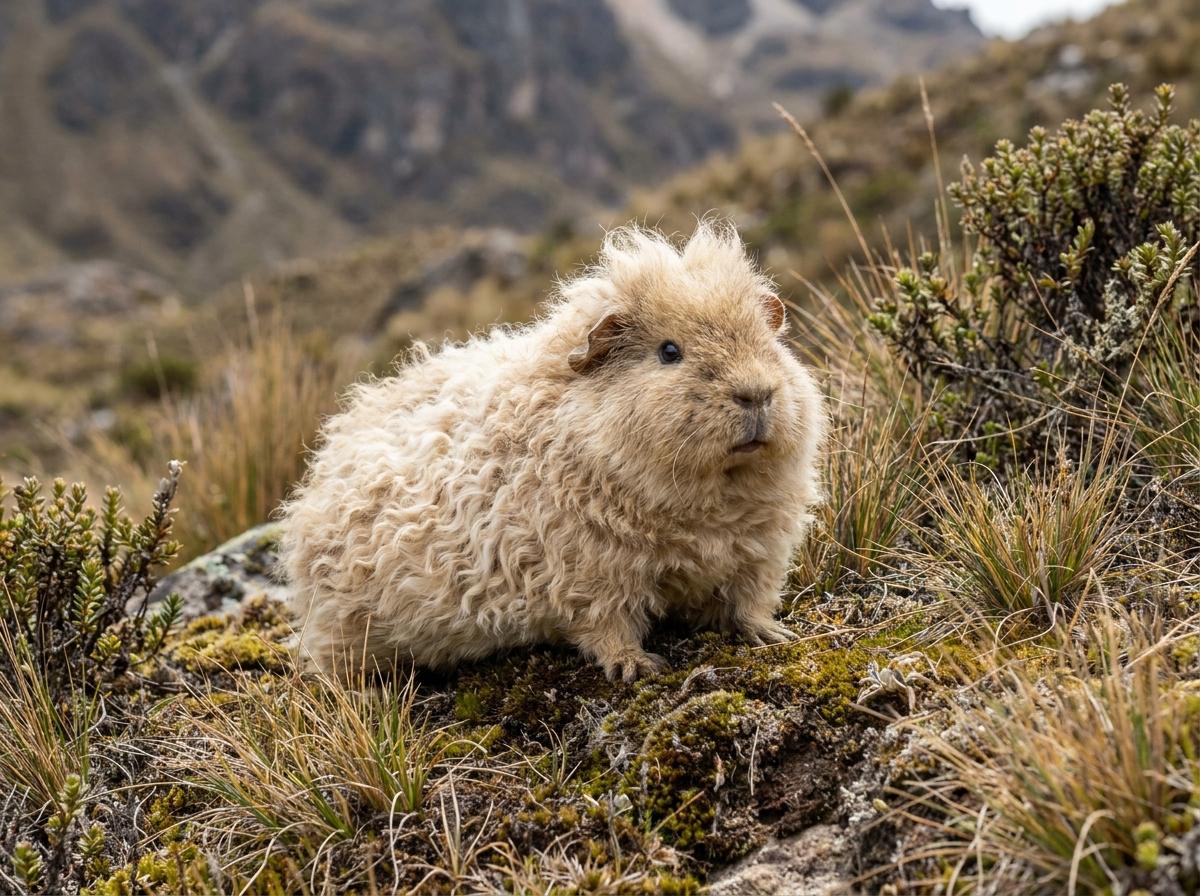
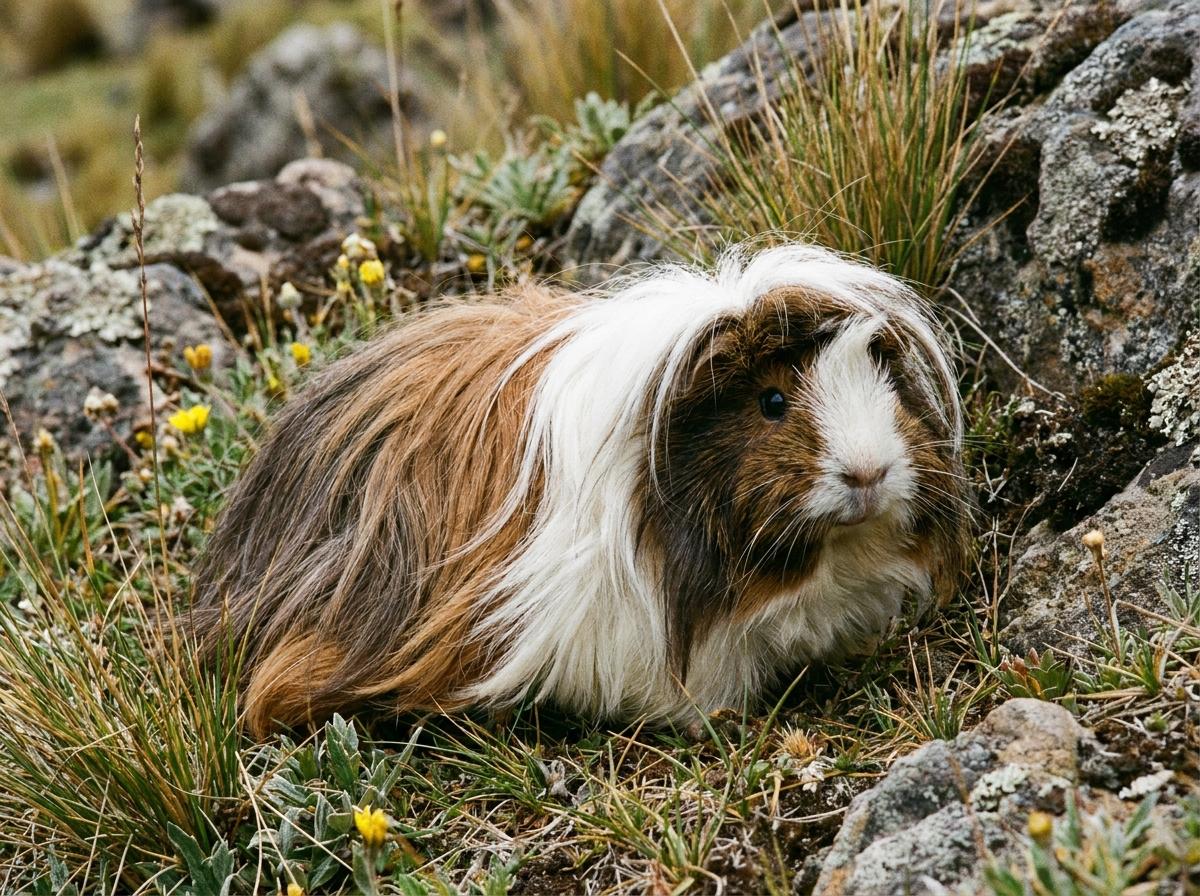
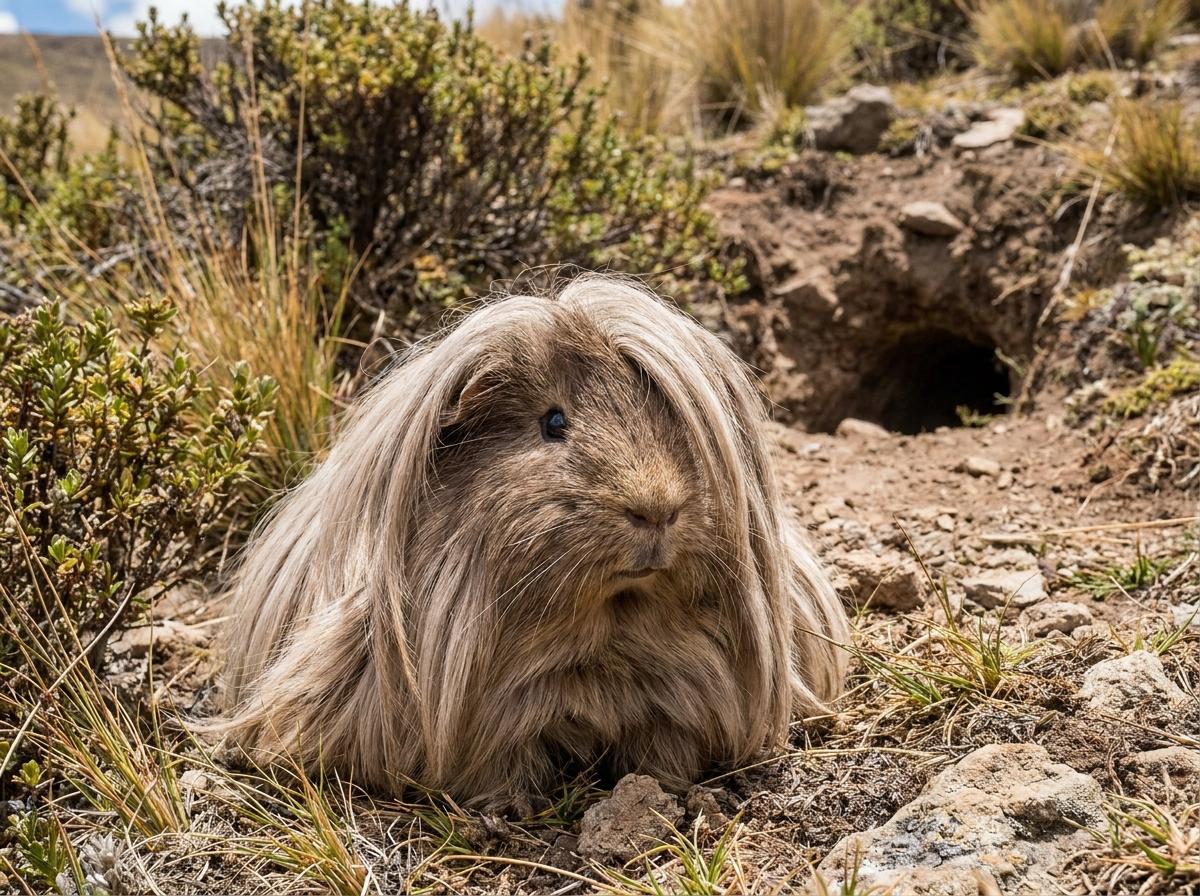
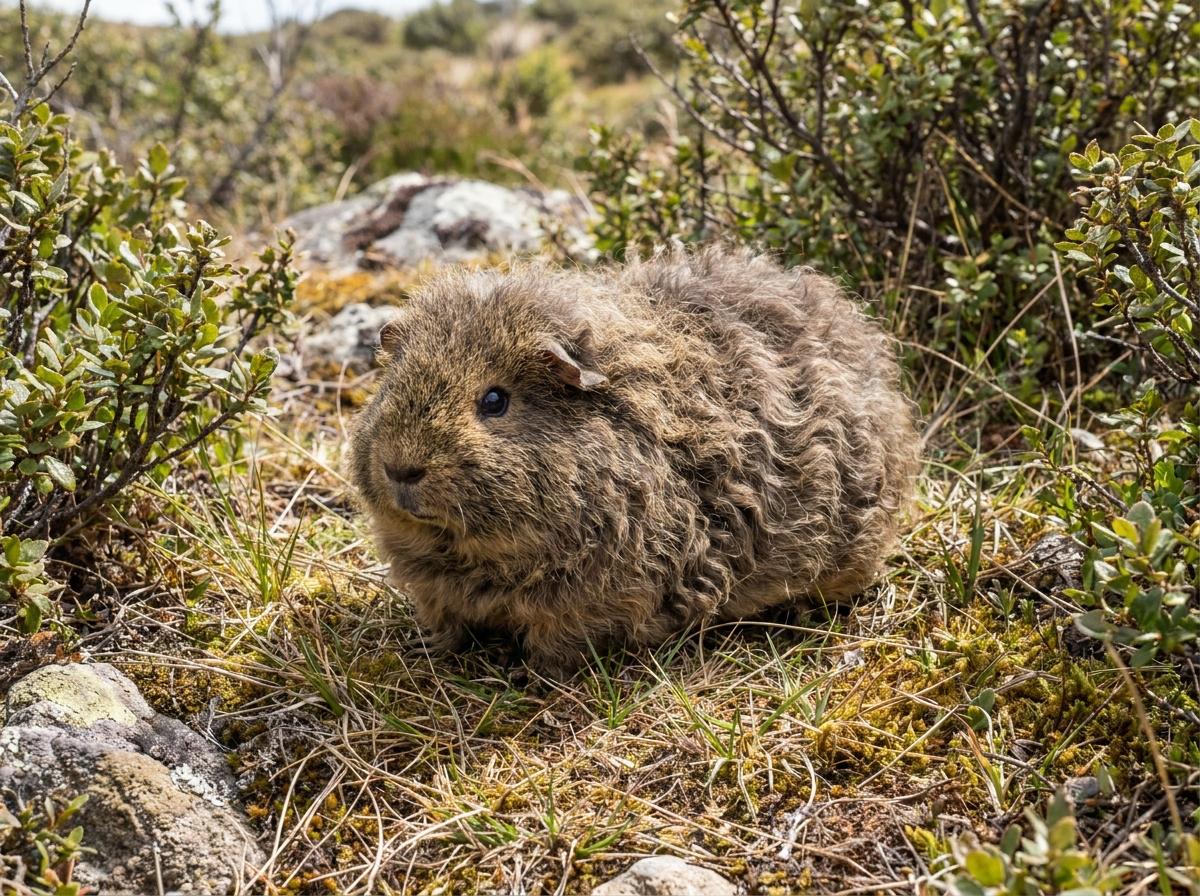
The Texel is a long-haired guinea pig breed whose coat, uniquely among cavies, grows in soft, dense curls and ringlets all over the body rather than falling straight. It was created in England in the 1980s by crossing a Silkie (Sheltie) with a British Rex: the Silkie side gave it long, flowing hair, and the Rex side gave that hair its curl. The result is a small, cobby guinea pig wrapped in what looks like tightly permed fleece, with corkscrew ringlets running down the sides, back, rump, and even the belly, and a shorter curly coat on the face. It is a striking pet, and an honest one to write about, because that beautiful coat is also the single biggest commitment the breed asks of you: daily grooming, and a real risk of matting and soiling if you skip it. Below is what the Texel is, where it comes from, exactly how it differs from the straight-coated Sheltie and its curly and crested relatives, what its grooming and care actually involve day to day, how long it tends to live, and what to check before you bring one home.

Browse listings, public profiles, breeders, or add your animal.
What is a Texel guinea pig?
The Texel is one of the long-haired guinea pig breeds, kept purely as a companion animal. Guinea pigs are also called cavies, and a single one is a cavy. What sets the Texel apart from every other breed is not just that its hair is long, but that it is curly. Each hair grows in a soft ringlet, so the whole animal is covered in dense, springy curls that look like fine fleece or a tight perm, from the shoulders back over the sides, rump, and underside.
The breed is recognized by the American Cavy Breeders Association (ACBA), the national cavy specialty club affiliated with the American Rabbit Breeders Association, and by the British Cavy Council in the United Kingdom, where the Texel has its own breed standard. It competes in the long-haired classes. Underneath all that coat, the Texel has a compact, rounded, cobby body typical of a show-type guinea pig. The name comes from the curly-fleeced Texel sheep, a nod to the ringlet coat the two animals share. If you are weighing the Texel against the other long-haired and short-haired cavies, the broader Creatures guinea pig species page is a good place to compare them side by side.
A Texel is a pet first and a show animal second. Most people who own one want a gentle, sociable companion with an unusual coat, which is exactly what the breed delivers, as long as you are ready for the brushing that coat requires.
Where the breed comes from
The Texel is a modern breed. It was developed in England during the 1980s by crossing a Silkie, known as the Sheltie outside the United States, with a British Rex. The two parents each contributed one half of the Texel’s signature coat. The Silkie brought the long, silky hair. The Rex, a short-haired breed whose defining feature is a dense, springy, curled coat, brought the curl. Breed the two together and select for the combination, and you get long hair that grows in curls instead of lying flat: a long curly coat that no earlier cavy breed had.
That parentage is the key to understanding the modern Texel, and it is the cleanest way to place it among its relatives. A Texel is essentially a curly-coated version of the Silkie. Everything below that separates it from the Silkie and from other long-haired breeds traces back to the Rex curl gene it carries.

The defining feature: curls, not straight hair
If you remember one thing about the Texel, make it this: the coat is curly all over. This is what separates it from the long-haired breeds it is most often confused with, and it is worth being precise about the differences, because they decide what you are actually buying.
- Texel versus Silkie (Sheltie). The Silkie, called the Sheltie in the United Kingdom, has a long coat that grows straight and sweeps backward off a clear face in a smooth, glossy sheet. The Texel has the same long length but grows it in ringlets, so the coat is curly and dense rather than straight and flowing. Same length, opposite texture. In effect, the Texel is the curly cousin of the straight-coated Silkie.
- Texel versus Coronet. The Coronet is a long straight-coated breed, essentially a Sheltie with a single rosette or crest on the forehead. It is straight-haired with a crest. A Texel has no crest and is curly. So the Coronet differs from the Texel on both counts.
- Texel versus Merino. This is the closest relative and the easiest to mix up. The Merino, sometimes called the English Merino, is a Texel with a crest on the head. In other words, a Merino is a crested Texel: same curly coat, plus a rosette or crown on the forehead. A plain Texel has a smooth, uncrested head. If your curly-coated cavy has a single swirl or crown right on top of its head, it is a Merino rather than a Texel.
It also helps to place the short-haired curly cavy in the picture: the Rex has a dense curly coat that stays short. The Texel is what you get when that same curl is combined with long hair. The simplest way to hold it all together: length plus curl equals Texel, length plus curl plus a crest equals Merino, length without curl equals Silkie or Sheltie, and length without curl plus a crest equals Coronet.
One more practical note. On the face, a Texel’s hair is shorter and lies back toward the body rather than growing long over the eyes. The British Cavy Council standard describes the hair on the face as pointing toward the rear of the cavy. So a correct Texel has a visible face framed by short curls, with the long ringlets beginning behind the head and covering the body.
Grooming the curly coat
The Texel’s coat is the whole appeal of the breed and also, without exaggeration, the reason not to buy one on impulse. This is not a low-maintenance guinea pig, and it is more work than even the straight long-haired breeds.
A curly coat tangles more readily than a straight one, and the ringlets trap bedding, hay, food, and droppings deep in the coat where a quick glance will not find them. Veterinary and experienced-keeper guidance is consistent that a Texel needs gentle grooming every day, and often more than once a day. The usual method is to run your fingers through the coat first to find and ease apart any tangles, then work through it with a soft brush or a wide-tooth comb in the direction the hair grows, so you are not dragging at the skin. Daily attention keeps small tangles from tightening into mats and lets you catch anything caught in the curls before it becomes a problem.
The area around the rear and the back legs needs the closest attention. A long curly coat drags on the ground and around the bottom, so soiling there is a constant risk, and a damp, dirty rear is the main trigger for fly strike, a genuinely dangerous emergency in warm weather when flies lay eggs in soiled fur. Keeping the coat, and especially the hair around the rump, clipped shorter is a completely normal and often recommended choice for a pet Texel. A shorter “pet trim” keeps the animal cleaner, cuts down matting, and makes daily grooming manageable, and there is no welfare reason to keep a companion animal in a full show coat. Show Texels are kept in full length and often have their coats wrapped or protected between shows, which is far more work than most pet owners want.
Bathing should be occasional rather than routine. Over-bathing strips the natural oils from the coat and skin, and damp curls are especially prone to matting as they dry, so most of the coat’s upkeep is dry brushing, spot cleaning, and trimming, not frequent baths. As always, if you find persistent skin problems, sores, or parasites under the coat, that is a veterinary matter, not a grooming one.

Size, appearance, and color
Under all that coat, a Texel is a normal guinea pig with a slightly stocky, cobby build. Adult pet guinea pigs generally weigh somewhere between about 700 and 1,200 grams (roughly 1.5 to 2.6 pounds), with males usually a little heavier than females, and most reach their adult size before they are a year old. The dense curly coat can make a Texel look rounder and larger than it is, but the frame underneath is standard cavy.
The breed comes in the full range of guinea pig colors and patterns. It is the curl, not the color, that makes an animal a Texel. So you will see solid (self) Texels in colors such as cream, gold, black, and white, as well as agouti, roan, tortoiseshell, and multicolored coats. Color is a matter of preference and says nothing about whether the animal is a true Texel. That status is decided entirely by the long, curly, ringleted coat.
Temperament
Texels, like the other long-haired guinea pigs, are generally described by keepers as calm, gentle, and sociable, and the breed has a reputation for being placid and tolerant of handling. That matches the practical experience of many owners, but temperament in any individual guinea pig depends heavily on how it is handled, whether it lives with other guinea pigs, and how settled and well-socialized it is. Treat the calm reputation as a tendency, not a guarantee, and give any new animal time to relax into its home.
Guinea pigs are highly social herd animals. They generally do far better with at least one compatible companion guinea pig than alone, and in many places keeping them in pairs or small groups is considered best practice for their welfare. A gentle, coat-heavy breed like the Texel still wants company of its own kind, enough space to move, daily interaction, and a predictable routine. The extra grooming a Texel needs also means extra one-on-one handling time, which, done gently, many owners find helps keep the animal tame and comfortable being touched all over.

Health and care essentials
A Texel has the same core care needs as any guinea pig, plus the extra grooming its curly coat demands. Two health points matter more than any breed trivia, and both are well established in veterinary sources such as the Merck Veterinary Manual.
Vitamin C is not optional. Guinea pigs, unlike most mammals, cannot make their own vitamin C and must get it from their diet every day. Without enough, they develop scurvy, with signs that can include a rough coat, reluctance to move, swollen or painful joints, loss of appetite, dental problems, bleeding, and, if untreated, death. The Merck Veterinary Manual puts the requirement at at least 10 mg of vitamin C per kilogram of body weight per day, rising to about 30 mg per kilogram per day for pregnant animals. Owners meet this with vitamin C rich fresh vegetables (such as bell pepper and leafy greens), a quality guinea pig pellet, and, on a veterinarian’s advice, a supplement. Because the vitamin C in pellets is unstable and degrades with heat, light, and time, a fresh dietary source matters and you should not rely on pellets alone.
Hay is the foundation of the diet. The bulk of a guinea pig’s food should be unlimited grass hay, such as timothy, which provides the fiber that keeps the gut moving and helps wear down continuously growing teeth. Hay, plus a measured amount of a timothy-based pellet, plus a daily ration of fresh vegetables for vitamin C and variety, plus constant clean water, is the standard healthy setup. Alfalfa hay is too high in calcium for most adult guinea pigs and is usually reserved for the young, pregnant, or nursing.
Beyond diet, guinea pigs need a clean, spacious, draft-free home with safe bedding, gentle handling, and an exotics-capable veterinarian for checkups and any illness, because not every clinic treats cavies. For a curly long-haired breed specifically, the coat is where the extra care goes: check the skin underneath for mats, soiling, and parasites, keep the rear end clean and dry to head off fly strike, and weigh the animal regularly, since a heavy coat can hide weight loss that would otherwise be an early warning sign. None of this is exotic, but it is daily, and it is the real cost of the breed in time. As always, defer medical decisions to a veterinarian who can examine the animal.
Lifespan
With good care, guinea pigs commonly live around 5 to 7 years, and some reach into their high single digits. There is no evidence that the Texel’s curly coat shortens or lengthens its life relative to other guinea pigs. Lifespan is driven by diet, housing, genetics, and veterinary care far more than by breed or coat type. The most useful thing you can do for a long life is get the basics right every day: hay, vitamin C, clean and dry housing, companionship, regular weight checks, and prompt veterinary attention when something seems off. For a Texel, keeping the coat clean and mat-free is part of that daily foundation, not a separate cosmetic concern.
Cost and where to find one
Guinea pigs are inexpensive to acquire compared with most pets, and the Texel is no exception. The real cost of a Texel is ongoing rather than upfront: housing, unlimited hay, fresh vegetables, bedding, vitamin C, and exotic veterinary care over a five to seven year life, plus the grooming time the curly coat demands every single day. Budget for the animal’s whole life, and for the time as much as the money, before you decide this is the breed for you.
You can find Texels through breeders who focus on long-haired and curly cavies and through guinea pig rescues, which frequently have long-haired and mixed animals looking for homes. Because the Texel is a specialty coat, it will not always be available near you, and it is worth being patient for a healthy, well-socialized animal from someone who grooms their stock. When you bring one in, confirm it is a true Texel (a long coat that is curly all over, with no crest on the head) rather than a straight-coated Silkie, a crested Merino, or a mixed long-hair if the breed matters to you, and ask about age, sex, and any health history.
To see what is available, you can browse Texel guinea pigs on the Creatures marketplace and look for cavy breeders and rescues in the Creatures directory. If you want to compare the long-haired breeds before deciding, the Sheltie guinea pig guide covers the straight-coated cousin the Texel was bred from, and the Alpaca guinea pig guide covers another curly long-haired relative. If you are drawn to unusual long coats on small pets more broadly, the long-haired Syrian hamster guide covers a very different animal with the same grooming lesson: a long coat is a daily commitment.
Frequently asked questions
What is a Texel guinea pig?
A Texel is a long-haired guinea pig breed whose coat grows in soft curls and ringlets all over the body, including the belly, rather than lying straight. It was created in England in the 1980s by crossing a Silkie (Sheltie) with a British Rex, and it is recognized by the American Cavy Breeders Association and the British Cavy Council.
What is the difference between a Texel and a Sheltie (Silkie)?
Length is the same, texture is opposite. A Sheltie, called the Silkie in the United States, has a long coat that grows straight and sweeps backward off a clear face. A Texel has a long coat that grows in curls and ringlets all over. In effect, the Texel is the curly version of the straight-coated Silkie.
What is the difference between a Texel and a Merino?
A Merino is a Texel with a crest. Both have the same long curly coat, but the Merino has a single rosette or crown on top of its head, while a plain Texel has an uncrested head. If a curly-coated cavy has a swirl on the forehead, it is a Merino.
Do Texel guinea pigs need a lot of grooming?
Yes, more than almost any other guinea pig. The curly coat tangles easily and traps bedding and debris, so it needs gentle brushing every day, sometimes more than once. Many owners keep the coat, especially around the rear, trimmed shorter for easier care and cleanliness. This daily grooming is the breed’s main commitment.
How long do Texel guinea pigs live?
Commonly about 5 to 7 years with good care, with some living longer. The curly coat does not affect lifespan; diet, housing, genetics, and veterinary care do.
What do Texel guinea pigs eat?
The same as any guinea pig: unlimited grass hay (such as timothy) as the foundation, a measured amount of timothy-based pellets, and a daily source of vitamin C from fresh vegetables, because guinea pigs cannot make their own vitamin C. Always provide clean water.
Are Texels good for beginners?
On temperament, generally yes, they are calm and gentle. The catch is grooming. The curly coat is daily, hands-on work, and it is more demanding than a short-haired or even a straight long-haired breed. A beginner who is ready for that commitment can keep a Texel very well, but someone who wants a low-maintenance pet should choose a short-haired breed instead.
Do this next on Creatures
Whether you are researching the breed, looking for a Texel to bring home, or already keeping one, Creatures is the records, marketplace, and directory layer to do it in one place.
Add your guinea pig. Already have a Texel? Create a free animal profile in a few minutes, no account needed to start. The walkthrough is in adding an animal to Creatures, and your animal’s profile page explains the tabs.
Track grooming and health. A curly coat means daily grooming and regular weigh-ins, so add a care or health record to keep it all in one timeline. The record sheet opens for any visitor to look around, and a free account saves what you enter. See adding a record and health and medical records for the full how-to.
Never miss routine care. Set up reminders and upcoming care for grooming sessions, weight checks, and veterinary visits so the small recurring tasks that a curly coat demands do not slip.
Find a Texel. Browse Texels on the marketplace and search trusted cavy breeders and rescues in the Creatures directory.
Get alerted when one is posted. A specialty curly breed will not always be listed near you, so set a free Texel listing alert and we will tell you when one appears. No account needed to start, and saving searches and using your watchlist shows how it works.
Breed or rescue cavies? List your cavy breeder or rescue profile so people searching for this breed can find you. No account needed to start.
If you are still comparing breeds, you can browse the wider guinea pig species page and the straight-coated Sheltie guinea pig guide before you decide.