




Rex
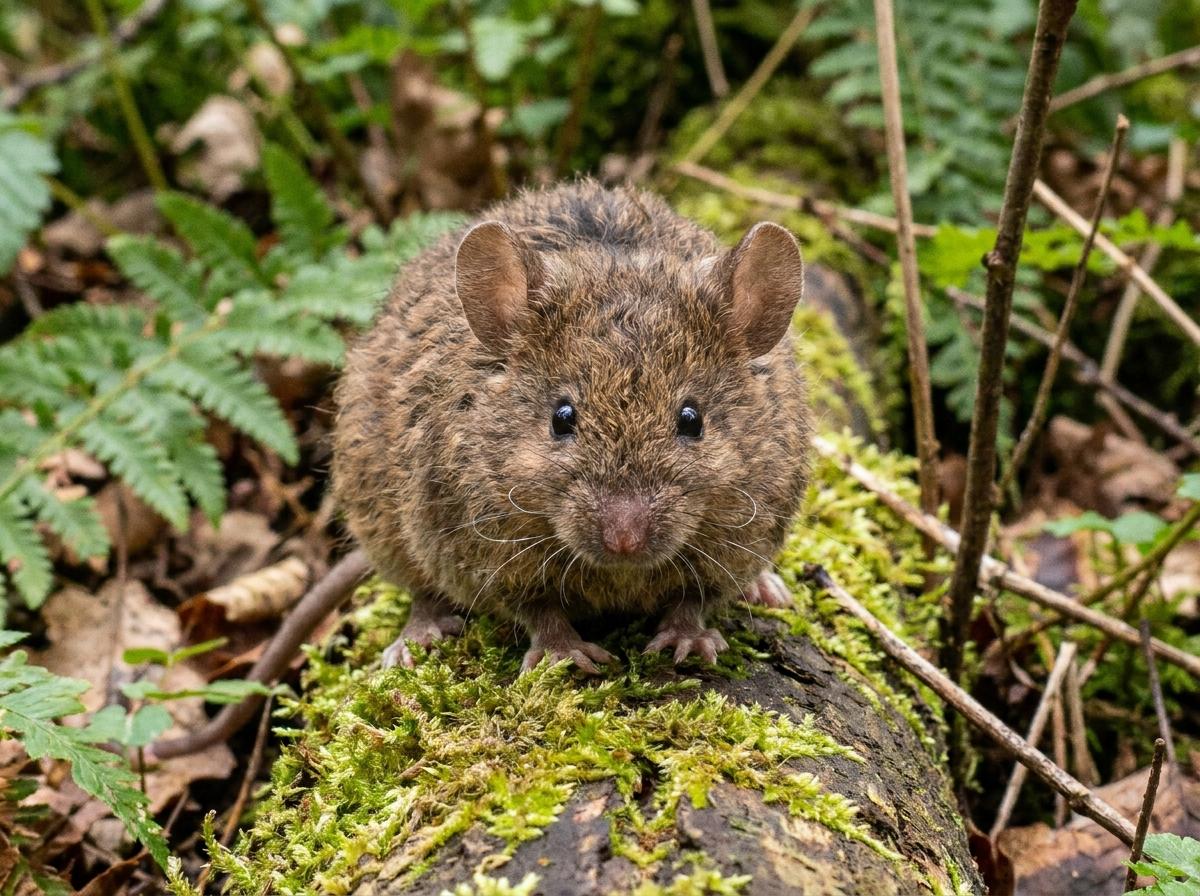
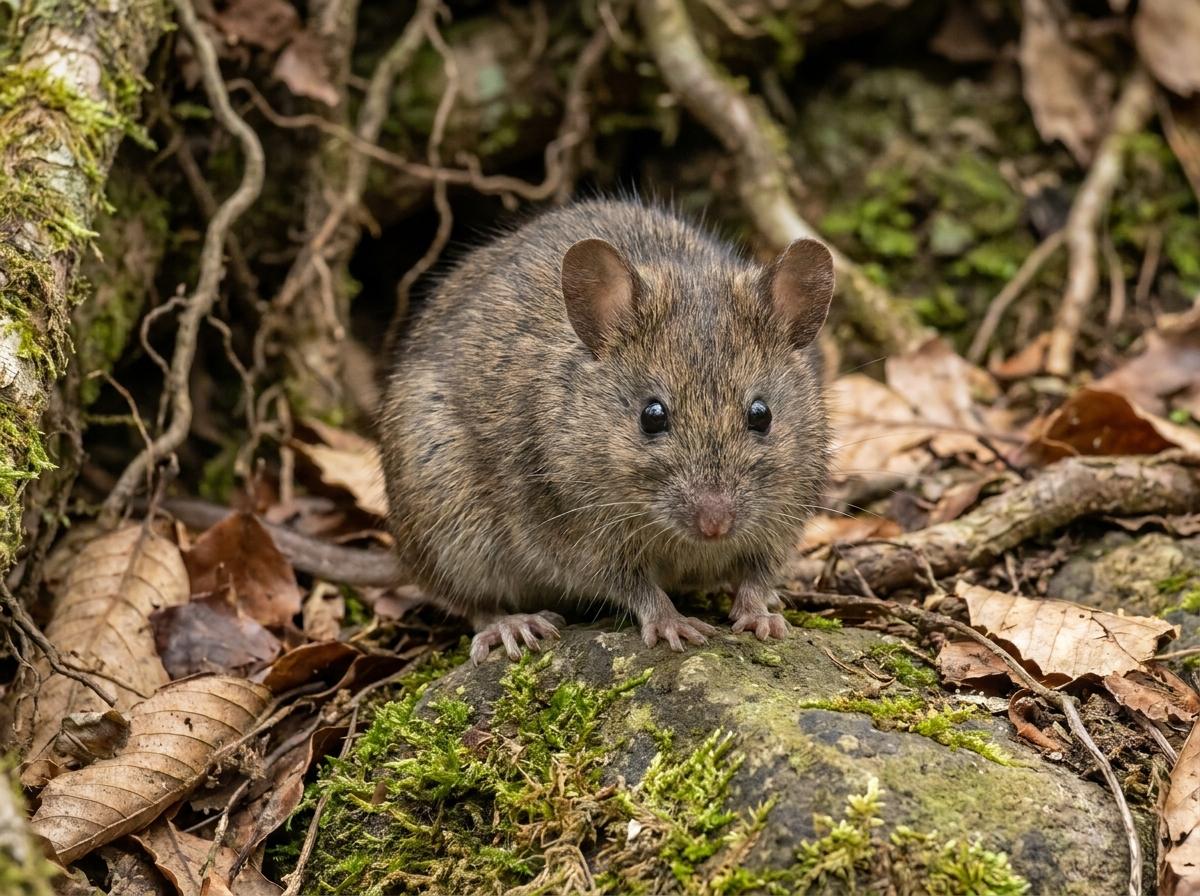
The Rex is not a separate kind of mouse. It is a coat variety of the fancy mouse (the domesticated pet and show form of Mus musculus), defined by one thing: a curly or wavy coat paired with curled, crinkled whiskers. The curl comes from a single dominant gene, usually written Re, which can sit on top of almost any color or marking, so you can have a black rex, a fawn rex, a broken-marked rex, and so on. A “rex mouse” is just a normal fancy mouse wearing a curly coat. This page explains what the rex coat actually is, the genetics behind it, how it differs from the standard, satin, long-haired, and astrex coats, and how to care for a fancy mouse day to day, because the curl changes nothing about the animal’s needs.

Browse listings, public profiles, breeders, or add your animal.
What is a rex mouse?
A rex mouse is a fancy mouse whose coat carries the rex curl. Everything else, body, size, behavior, diet, and lifespan, is identical to a normal pet mouse. The word “rex” describes the hair, the same way “satin” or “long-haired” does, and it is borrowed from the rex coat seen in rabbits, cats, and rats, where a similar curly mutation appears independently. If you are comparing coat types or deciding what to keep, the broader Creatures mouse species page is a good place to start.
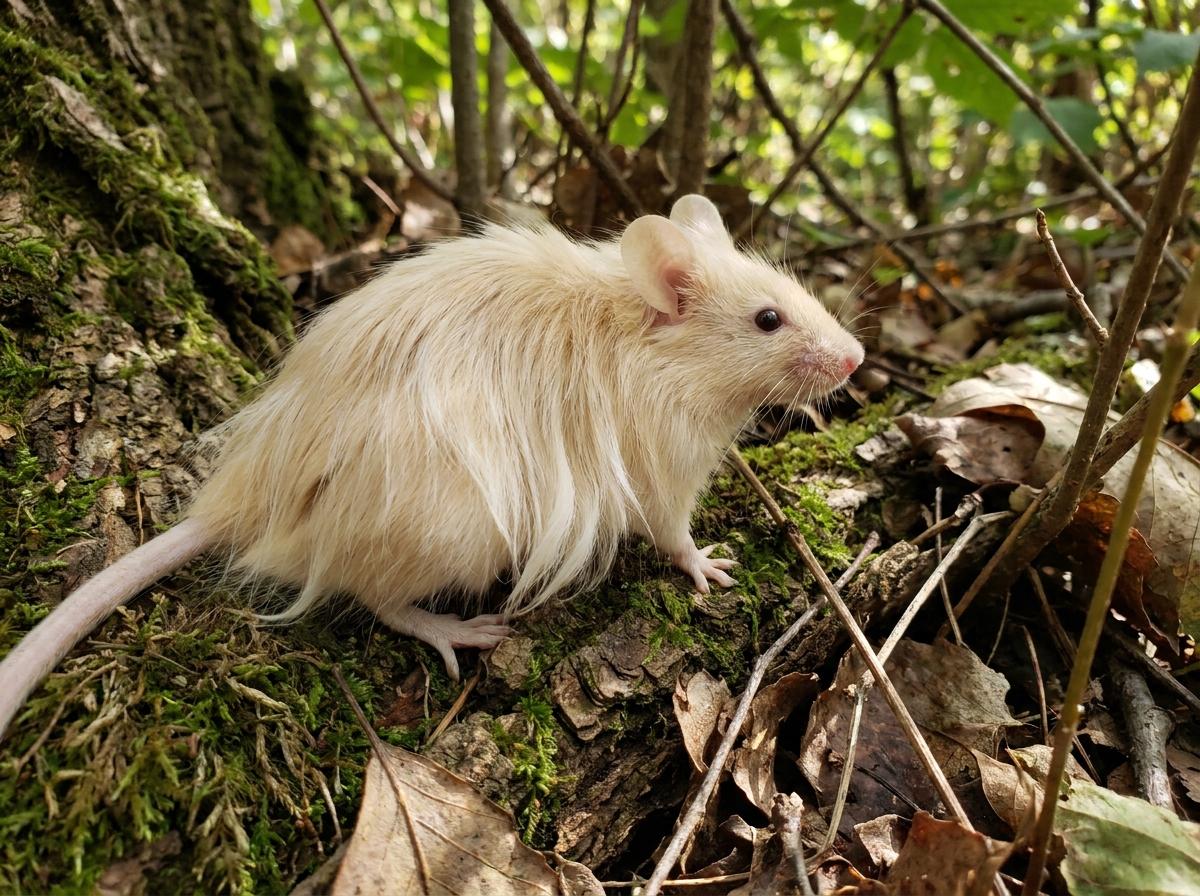
The two giveaways of a rex coat are the wavy fur and the whiskers. In a true rex, the whiskers are not straight: they are curled or distinctly crinkled, and that whisker curl is one of the most reliable ways to spot the variety even when the coat curl is subtle. The fancy mouse hobby is an old one. The National Mouse Club in the UK, founded in 1895, has long maintained written standards for coat and color varieties, and the curly-coated mouse sits within that tradition.
The rex coat and its genetics
The curl is caused by a dominant gene. The locus is named rex, the gene symbol is Re, and it sits on chromosome 11 of the mouse. Because it is dominant, a mouse needs only one copy to show a curly coat, so a heterozygous animal (one curly copy, one normal copy, written Re/re) is already visibly rexed.
Copy number does change the look. Homozygous mice (two curly copies, Re/Re) tend to show more curl, and the curl is usually strongest in youngsters. As a rex mouse grows up, the body coat tends to relax and straighten, while the whiskers and the coarser guard hairs keep their wave. So a rex kit can look dramatically curly and then settle into a softer, more rippled adult coat. That age-related straightening is normal and is not a sign of a health problem.
It is worth being clear that “curly mouse” covers more than one gene. Several different mutations independently produce a curly or frizzy coat in mice, they sit at different loci, and some are dominant while others are recessive. The dominant Re gene described here is the one most people mean by a rex (or astrex) mouse. Other curly mutations exist, including recessive ones, and breeders sometimes stack more than one curly gene to intensify and hold the curl. For a pet owner, the practical takeaway is simple: the curl is a coat trait, it can vary in strength and can soften with age, and it does not change the animal underneath.

Naming: rex, astrex, and the standards
Naming is the one genuinely confusing part, because hobby clubs in different countries use different words for curly mice. In the UK, the National Mouse Club standardises the dominant curly mouse as the Astrex, and its written standard asks for a coat “as curly as possible,” likened to the Astrex rabbit, with whiskers that “must be curly,” in any standard color. That Astrex standard was certified back in 1936, so the curly mouse has a long pedigree in the fancy.
In the United States, the American Fancy Rat and Mouse Association (AFRMA) is the equivalent body, and American hobbyists often use “rex” loosely for curly-coated mice while reserving other names, such as Frizzie, for particular curly varieties. The result is that the same curly mouse can be called rex in one place and astrex in another. None of this changes the animal: it is a fancy mouse with a curly coat and curled whiskers. When you are buying or showing, ask the seller or club which gene and which standard they mean, rather than relying on the label alone.
How rex differs from standard, satin, and long-haired coats
The fancy splits mice into coat varieties so they can be judged and bred consistently. Here is how the rex curl sits against the coats you are most likely to meet:
- Standard. The default. The coat is short, smooth, glossy, and lies close to the body, and the whiskers are straight. Most pet mice are standard-coated. A rex is, in effect, a standard mouse with the curl gene added.
- Satin. A coat trait about shine, not shape. Satin fur is very fine and dense with a high, almost metallic sheen, because the hair shafts reflect more light. A satin coat is still smooth and straight unless a curl gene is also present, in which case you can get a curly satin.
- Long-haired. Longer fur than standard while keeping a fine, silky texture. Length, not curl. A long-haired mouse can also be satin (longer plus shiny).
- Rex / astrex. The curl variety. Wavy or curly body coat plus the signature curled whiskers, from the dominant Re gene, on any color.
- Frizzie and other curly types. Other curly mutations the hobby recognises, some recessive, often with a tighter, rougher wave and curly whiskers. These are separate genes from Re, which is why the names matter when you breed.
These coats are not mutually exclusive. Because color, sheen, length, and curl are governed by different genes, a single mouse can combine them, which is exactly why the variety naming exists. The one trait that reliably marks a rex is the curled whisker.
Caring for a fancy mouse
The curl needs no special grooming. A rex mouse is housed, fed, and handled exactly like any other fancy mouse, and you should not bathe, brush, or “treat” the coat to make it curlier. Below is the practical care picture; defer any medical decision to an exotics veterinarian who can examine the animal.
Housing and bedding
Mice need a secure, well-ventilated enclosure with deep, absorbent bedding they can burrow into, plus a hide, a wheel, and things to climb and chew. A common rule of thumb is at least a 10 gallon (around 38 litre) footprint for a small group of females, with more space being better, and good airflow to prevent ammonia from urine building up. On bedding, never use cedar, and avoid raw, untreated pine: the aromatic oils (phenols) in these softwoods are linked to respiratory irritation in rodents. Paper-based bedding or kiln-dried, dust-extracted aspen are safer choices. Keep mice in a stable room temperature; the Merck (MSD) Veterinary Manual gives an optimal range of about 18 to 26 degrees Celsius (64 to 79 Fahrenheit) for pet mice and rats.
Social life, sexing, and the male-odor question
Fancy mice are social and generally do better with company than alone, but how you pair them depends on sex. Females usually live happily in same-sex groups. Adult males are the catch: entire (unneutered) males commonly fight when housed together, so they are often best kept singly, and the Merck Veterinary Manual notes males are best housed singly or with females (which means breeding, so plan accordingly). There is also a smell difference: an entire male mouse’s urine has a notably strong, musky odor from scent-marking, stronger than a female’s, which is worth knowing before you choose a male as a pet. Sexing matters early, because mice reach sexual maturity quickly, by roughly six to eight weeks of age, so unsexed or mixed-sex youngsters can breed sooner than new owners expect.
Diet
A good base diet is a quality rodent pellet or lab block that provides complete nutrition, offered so the mouse can graze, with fresh water always available. Mice will happily eat seed mixes and treats, but lab blocks fed without limit are relatively high in fat and can cause obesity, so keep grains, vegetables, fruit, and treats to a small share of the diet (a common guideline is no more than about 10 percent). Adult mice eat only a few grams of food a day. Eating their own droppings (coprophagy) is normal and healthy in mice, not a sign of illness.

Health and lifespan
Fancy mice are short-lived. AFRMA, drawing on its members’ long experience, puts the average mouse lifespan at about 1 to 2 years and notes that living past two years is the exception rather than the rule. The Merck Veterinary Manual cites a comparable 18 to 24 month range. Plan for a short, intense companion animal rather than a long-term one.
The most common health problems in pet mice are respiratory infections, skin conditions (dermatopathies, often from mites), and tumors (neoplasia). A mouse making a clicking or chattering sound when it breathes, sitting hunched, or wearing a ruffled, dull coat may be showing respiratory illness and should see a vet. Mammary tumors are common in mice and are frequently malignant, so any new lump warrants a prompt veterinary opinion. Because the signs of illness are subtle and mice hide weakness, a daily check of breathing, coat, weight, and behavior is the single most useful thing an owner can do, and keeping written records of weights and any symptoms makes it far easier to catch a problem early and to give a vet a clear history.
Is a rex mouse right for you?
A rex fancy mouse suits someone who wants an active, inquisitive, low-cost small pet and likes the novelty of the curly coat and crinkled whiskers, and who is comfortable with a short lifespan and the reality that mice are better watched than constantly handled. The curl itself adds no extra work and no extra health risk that is specific to the coat. The honest trade-offs are the ones common to all fancy mice: the roughly one-to-two-year lifespan, the male-odor and male-aggression issue if you want a male, the need for same-sex groups done carefully, and the fact that good ventilation and the right bedding genuinely matter for their delicate airways. If those fit your situation, a curly little mouse is a charming, easy-to-house pet.
Frequently asked questions
Is a rex mouse a different breed or species?
No. It is a coat variety of the ordinary fancy mouse (Mus musculus). The only difference from a standard mouse is the curly coat and curled whiskers, caused by a single dominant gene.
Why are my rex mouse’s whiskers curly?
That is the defining feature of the rex (astrex) coat. The same dominant gene that waves the coat also curls the whiskers and guard hairs, and the curled whiskers often stay wavy even after the body coat relaxes with age.
Will the curl go away as my mouse grows up?
Often it softens. The curl tends to be strongest in young mice and the body coat usually relaxes toward a wavier, less tightly curled adult coat, while whiskers and coarser hairs keep their wave. This is normal, not a defect or a health problem.
Do rex mice need special grooming or coat care?
No. Do not bathe or brush the coat to change the curl. A rex mouse is groomed by nothing more than its own normal self-care, the same as any fancy mouse.
Is “rex” the same as “astrex”?
Usually yes, in practice. The dominant curly mouse is standardised as the Astrex by the UK National Mouse Club, while “rex” is the looser common term, and American hobbyists may use different names for particular curly varieties. Ask which gene and standard a breeder means rather than trusting the label alone.
How long do rex mice live?
About 1 to 2 years on average, the same as any fancy mouse. Living beyond two years is uncommon.
Do male rex mice smell?
Entire male mice have a notably strong, musky urine odor from scent-marking, stronger than females. The curl makes no difference to this. If smell is a concern, females are usually the easier pet, and they also group together more readily.
Do this next on Creatures
Whether you are researching the rex coat, looking for a curly fancy mouse, or already keeping mice, Creatures is the records, marketplace, and directory layer to do it in one place.
Add your mouse. Already keeping a curly mouse? Create a free animal profile in a couple of minutes. No account needed to start. The step-by-step is in adding an animal to Creatures.
Track weight and health. Mice are short-lived and hide illness, so a simple weight and symptom log helps you catch problems early. Add a health or weight record. The record sheet opens for any visitor to look around, and a free account saves what you enter. See adding a record and health and medical records for the full how-to.
Stay on top of care. Set gentle nudges for cage cleans, weigh-ins, and vet checks with reminders and upcoming care.
Find a mouse. Browse rex mice on the marketplace and search trusted breeders in the Creatures directory. Curly mice can be uncommon, so set a free rex mouse listing alert and we will tell you when one is posted. No account needed to start, and you can manage it from saving searches and using your watchlist.
Breed or rehome mice? List your mousery or rescue on Creatures so people looking for curly fancy mice can find you. No account needed to start.
Curious about the wider rodent rex coat? The same kind of dominant curly mutation shows up across species. See the sister guide to the double rex rat for how the curl behaves in a larger rodent, and compare coat types on the Creatures mouse species page.