




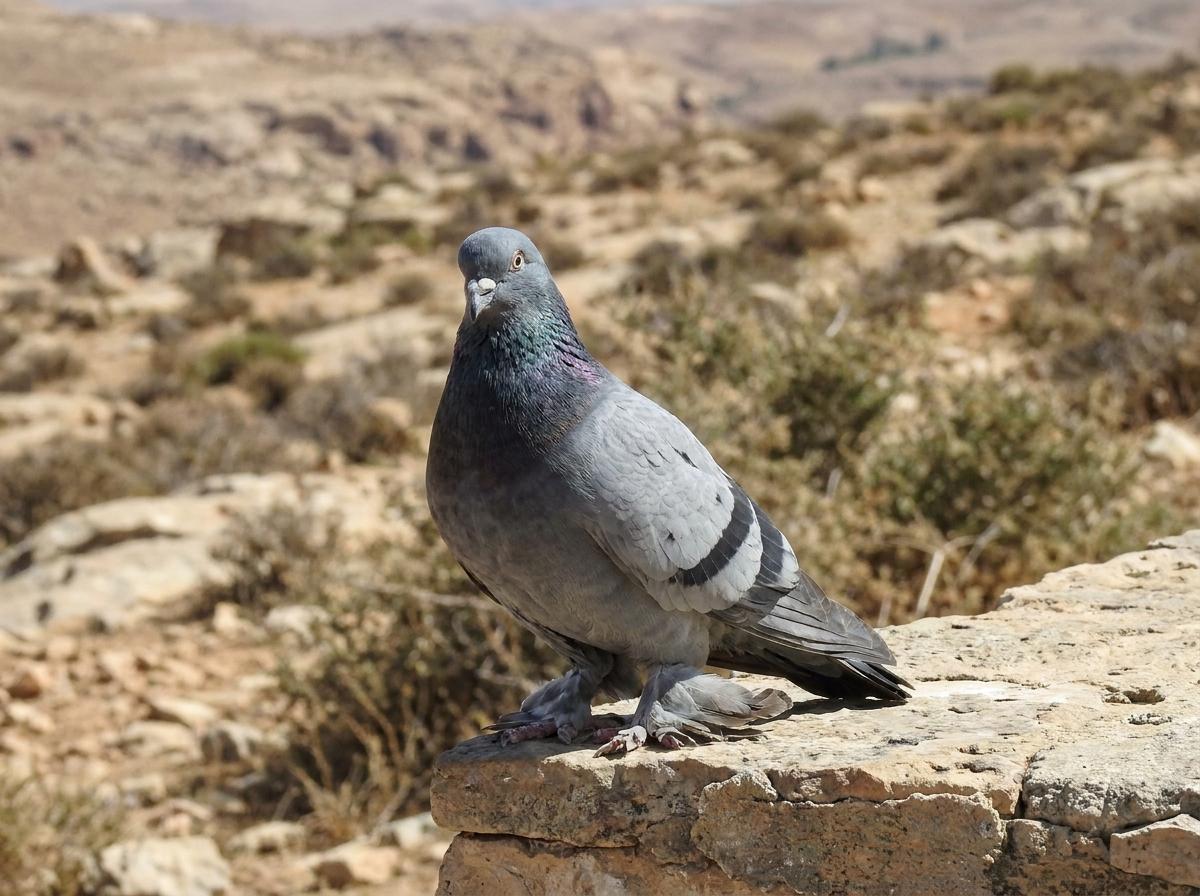
Damascus
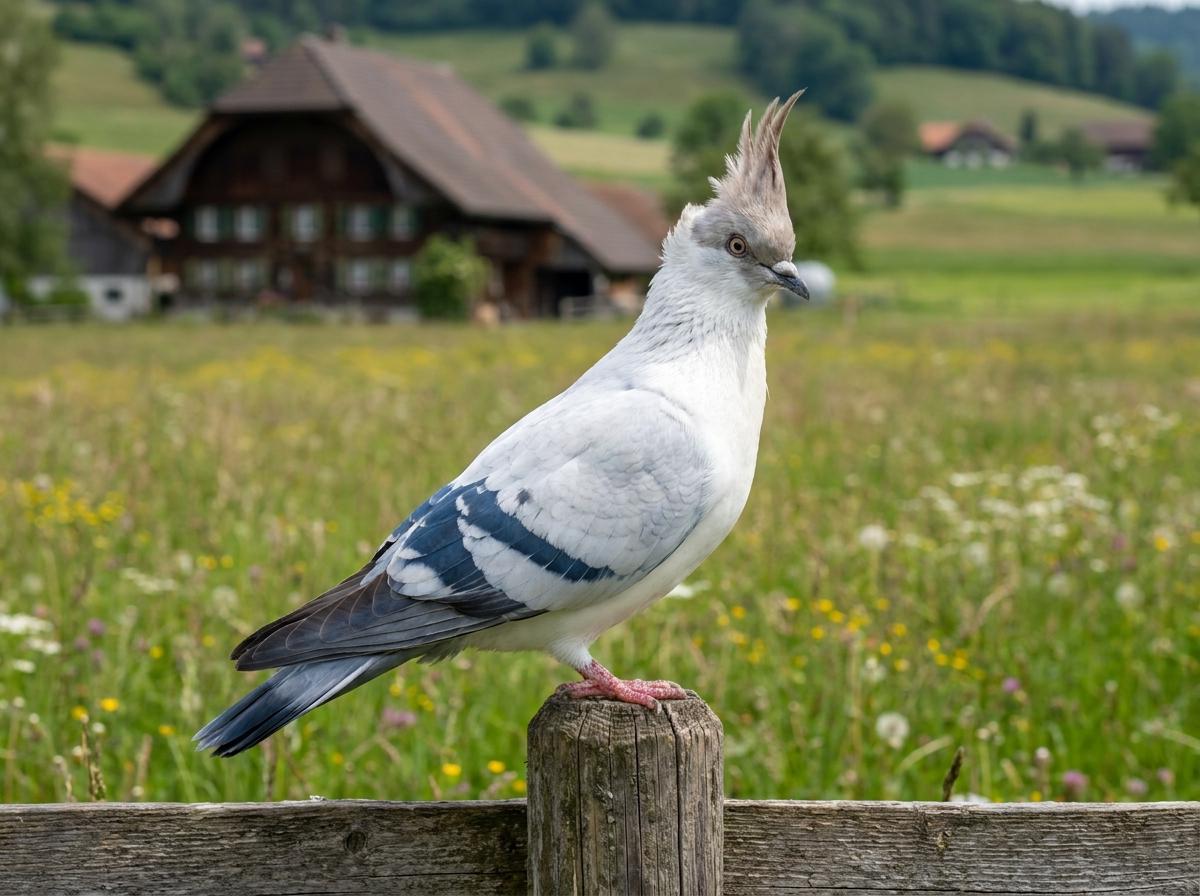
The Damascus pigeon, more often written Damascene and known across its home region as the Shami pigeon, is one of the oldest documented domestic pigeon breeds. It is an ornamental show breed from the Near East, associated with Damascus in Syria, and it is instantly recognizable: a pale, frosty, almost milk-white to silvery body, two bold jet-black bars across each wing, a short black beak, and a large bright eye ringed by a deep plum-colored cere that gives the bird a striking “eye makeup” look. This page covers what the breed is, where it comes from, how it is supposed to look under the standard, how it behaves, what it costs, and what to check before you buy one. It is strictly about the pigeon, not the unrelated Damascus goat.

Browse listings, public profiles, breeders, or add your animal.
What is a Damascus pigeon?
The Damascus pigeon is an ornamental, exhibition-type domestic pigeon (a variety of Columba livia domestica) from the Near East. The spelling you will see most in modern breed clubs and standards is Damascene, while across the Middle East it is widely called the Shami or Syrian pigeon, after Bilad al-Sham, the historical name for greater Syria. It is best known for one of the most photogenic faces in the pigeon fancy: a calm, pale, frosty-bodied bird with crisp black wing bars and a bold dark ring of bare skin around the eye.
It is not a working utility bird in the way that meat breeds like the King pigeon are. Although some European bodies file it under a utility heading, in practice the Damascene is bred and kept for its appearance and for the show bench rather than for meat or message-carrying. If you are weighing it against other fancy breeds, the broader Creatures pigeon species page is a good place to compare it with the other ornamental pigeons covered on this site.
One quick note to clear up a common search mix-up: this article is about the Damascus (Damascene) pigeon. There is a completely separate animal called the Damascus goat, a Near Eastern dairy breed, and the two share only a name and a region. Everything below is about the bird.
Origin and history
The Damascene is genuinely old. It is mentioned in some of the earliest written literature on domesticated pigeons, and the breed is usually traced to Damascus, Syria, with some accounts suggesting it may have come from Turkey (the American Pigeon Standard notes Smyrna, now Izmir) or from Persia. The Near East has a deep tradition of selecting pigeons for both flight and beauty, and the Damascene is one of its clearest surviving products.
The breed reached the European fancy centuries ago. In old English pigeon literature it appears under the name “Mahomet,” and it is still sometimes called the Mahomet in the United States. John Moore’s “Columbarium,” published in 1735 and one of the foundational texts of the pigeon fancy, is part of the early written record in which breeds of this kind were described and named for English keepers. The takeaway for a buyer is simple: this is a long-established, internationally recognized breed with a documented history, not a recent novelty.

What a Damascus pigeon looks like
The Damascene is a medium-sized, smooth, clean-cut pigeon, and almost everything distinctive about it lives in the color pattern and the face. The points below follow the National Pigeon Association breed standard.
- Frosty pale body. The body color is an icy, powdered blue that should be as light as possible, ideally a near milk-white or frosty silver, even in shade from head to tail. Under the surface the feathering is a much darker sooty color, which is part of what gives the bird its cool, frosted look.
- Two jet-black wing bars. Each wing carries two broad, jet-black bars across the otherwise pale shield. They are meant to be clean and well defined, sharply contrasting against the frosty body.
- Black tail bar. The tail has one very wide jet-black bar at its tip, and the flight feathers darken noticeably toward their ends. Head and breast should stay clear of markings; a dark crescent on the breast is a fault.
- The eye and cere. This is the signature feature. The eye should be large and very bright, with red eyes much preferred. Around it sits a flat, fairly large cere colored damson, a deep plum. That dark ring against the pale face is the “eye makeup” effect people remember. Red or pink eye ceres, or eye colors such as bull or pearl, are disqualifications under the standard.
- Short black beak and clean red legs. The beak is short and black, set in a fairly large, round, short head with a smooth chalky-white wattle. Legs are preferred clean (free of feathers below the hocks), short, and bright red with black toenails. A grouse-legged form with light leg feathering exists, but clean legs are the show preference.
In body size the breed is medium, with mature birds commonly cited at roughly 370 to 425 grams, cocks running heavier than hens. It carries itself in a calm, level, unexaggerated way, without the extreme posture, frill, or crest of some oriental breeds; in fact any crest or frill is a disqualification in the Damascene standard.

How the breed is classified
Knowing where the Damascene sits in the official breed groups helps when you read a show catalog or a registry list. In the United States, the National Pigeon Association places the Damascene in its Syrian group, alongside other Near Eastern breeds. In Europe, the Entente Europeenne d’Aviculture et de Cuniculture (EE) lists it among the Formentauben, the form or utility pigeons. The Australian National Pigeon Association files it within its oriental grouping. The breed is also recognized in the United Kingdom fancy.
Two practical points follow from this. First, because the breed is standardized by recognized national bodies, there is a written description you can hold a bird against rather than relying on a seller’s word. Second, the small differences between national groupings (Syrian here, utility form there) reflect how each country organizes its show classes, not a disagreement about what the bird is.
Temperament
Damascene pigeons are generally described by keepers as calm, gentle, and easy to tame, which is typical of long-domesticated fancy breeds kept in lofts and handled for showing. Many become quite settled with their keepers over time. We flag this as the consistent practitioner view rather than a formally studied trait, since published behavioral research on this specific breed is thin. As with any pigeon, temperament varies with how much handling a bird gets, how it is housed, and whether it is a breeding cock in season. Hand-raised, regularly handled birds tend to be the steadiest.
Husbandry and care
The good news for a new keeper is that a Damascene does not need an exotic regimen. Its care is essentially the care of any fancy pigeon kept for show, and the headlines below cover the structure of good management. Defer any medical decision to an avian or livestock veterinarian who can examine the bird.
Housing
Damascenes are loft birds. They need a clean, dry, well-ventilated loft that is free of drafts, with perches and nest boxes, dry bedding, and enough space that birds are not crowded or bullied. Good ventilation without drafts matters for respiratory health, which is the area pigeon keepers watch most closely. Protection from predators (cats, hawks, rodents) and from damp is the baseline. Because the clean red legs and the pale plumage are part of the breed’s appeal, dry footing and clean housing also keep show birds presentable.
Feeding
Feeding a Damascene is not meaningfully different from feeding other domestic pigeons. The base of the diet is a good-quality commercial pigeon grain mix, supplemented with constant access to clean fresh water, grit, and a mineral or pick source to support digestion and eggshell quality in breeding hens. Some keepers add occasional greens. Avoid letting birds get fat and idle; condition matters both for health and for the show bench. A veterinarian or an experienced local fancier can help you fine-tune rations for breeding versus maintenance.
Breeding and health
Like other pigeons, Damascenes typically pair off, lay two eggs per clutch, and share incubation and the feeding of squabs on crop milk. Routine pigeon health management applies: clean water and feeders, parasite control suited to your loft, biosecurity when introducing new birds (quarantine newcomers), and attention to the common pigeon respiratory and canker issues at the first sign of trouble. Keep clear records of pairings, hatch dates, and any treatments so you can make breeding and selection decisions on evidence rather than memory, which also makes a bird far easier to sell honestly later. For any illness, vaccination question, or medication decision, work with a veterinarian.
Cost and availability
The Damascene is recognized worldwide, but it is a specialist fancier’s bird rather than a common backyard pigeon, so you generally buy from breeders and show exhibitors rather than finding them everywhere.
Pricing is genuinely variable and depends heavily on quality and source. Ordinary stock can be quite inexpensive, in the range of a typical fancy pigeon, while well-marked birds from established show lines command much more, and pigeons in general can run from modest sums into the hundreds of dollars for top exhibition quality. Because asking prices range widely from one seller to the next, we will not assert a single market price. Judge value by the bird in front of you and its records, not by a headline number, and factor in that shipping live birds adds cost.
The practical takeaway for most buyers is that supply is uneven. You may not find a Damascene near you at any given moment, which is exactly the situation a saved listing alert is built for: you set the search once and get told when a matching bird is posted, instead of checking repeatedly.
Buying considerations
Because the Damascene is a standardized show breed, you can and should buy against the standard rather than against a pretty photo.
- Check the markings against the standard. Look for the frosty, even pale body, two clean jet-black bars on each wing, and the black tail-tip bar, with a clear head and breast. Smudged bars, a dark breast crescent, or uneven body color are faults.
- Look hard at the eye and cere. The damson (plum) eye cere and a bright, preferably red eye are the breed’s signature. Red or pink ceres, or off-color eyes, are disqualifications, so a serious exhibition buyer should rule those out in person.
- Confirm clean legs and a black beak. Clean red legs with black toenails and a short black beak are the show preference; grouse-legged birds exist but are less ideal for exhibition.
- Ask for records and provenance. Hatch dates, pairings, show results, and any health history tell you more than appearance alone, especially if you are buying breeding stock.
- Quarantine new birds. Whatever you buy, isolate newcomers from an existing loft for a few weeks to protect both groups.
You can browse current pigeon listings on the Creatures marketplace and look for breeders and lofts in the Creatures directory. If you want to compare related ornamental breeds first, see the Modena pigeon, the Chinese Owl pigeon, and the Nun pigeon pages.
Frequently asked questions
Is the Damascus pigeon the same as the Damascus goat?
No. They share a name and a region and nothing else. The Damascus (Damascene) pigeon is an ornamental bird; the Damascus goat is a separate Near Eastern dairy goat. This page is only about the pigeon.
Why is it sometimes called the Mahomet?
“Mahomet” is an old English fancy name for the breed, recorded in early pigeon literature, and it is still occasionally used in the United States. Most modern clubs and standards call it the Damascene, and in the Middle East it is the Shami or Syrian pigeon.
What are the main features to recognize a Damascene by?
A frosty pale, near milk-white to silver body, two jet-black bars on each wing, a black tail-tip bar, a short black beak, clean red legs, and a large bright eye surrounded by a dark plum (damson) cere. That dark eye ring against the pale face is the most distinctive trait.
What color should the eye be?
The standard prefers a bright red eye. Bull, pearl, or other eye colors are disqualifications, and red or pink eye ceres are also disqualifications. The cere itself should be the deep damson plum color.
Is the Damascene a meat or a show breed?
It is kept primarily as an ornamental and exhibition bird. Although some European bodies list it under a utility heading, in practice it is bred for appearance and the show bench, not for meat production.
Are Damascene pigeons hard to keep?
Not especially. Their care is the same as for other fancy pigeons: a clean, dry, well-ventilated loft, a good commercial grain diet with grit and water, basic biosecurity, and a veterinarian for health issues. The main extra effort is keeping the pale plumage and red legs clean for showing.
Do this next on Creatures
Whether you are researching the breed, hunting for a well-marked bird, or already keeping Damascenes, Creatures is the records, marketplace, and directory layer to do it in one place.
Find a bird. Browse Damascene pigeons on the marketplace and search trusted breeders and lofts in the Creatures directory. New to the marketplace? See saving searches and using your watchlist.
Get alerted. Damascenes are not on every loft list, so set a free Damascene listing alert and we will tell you when a matching bird is posted. No account needed to start.
Add your pigeon. Already keeping Damascenes? Create a free animal profile in a few minutes. No account needed to start, and the walkthrough is in adding an animal to Creatures.
Track pairings and health. Add a record to log pairings, hatch dates, show results, and health events. The record sheet opens for any visitor to look around, and a free account saves what you enter. See adding a record, and explore your animal’s profile page and its tabs.
List your loft. Breed or show Damascenes? Create a loft or breeder profile so buyers searching for the breed can reach you. No account needed to start, and you can read getting listed in the breeder directory for the how-to.
Still comparing breeds? Read the Creatures pigeon species page and the French Mondain pigeon guide before you decide.