French Lop
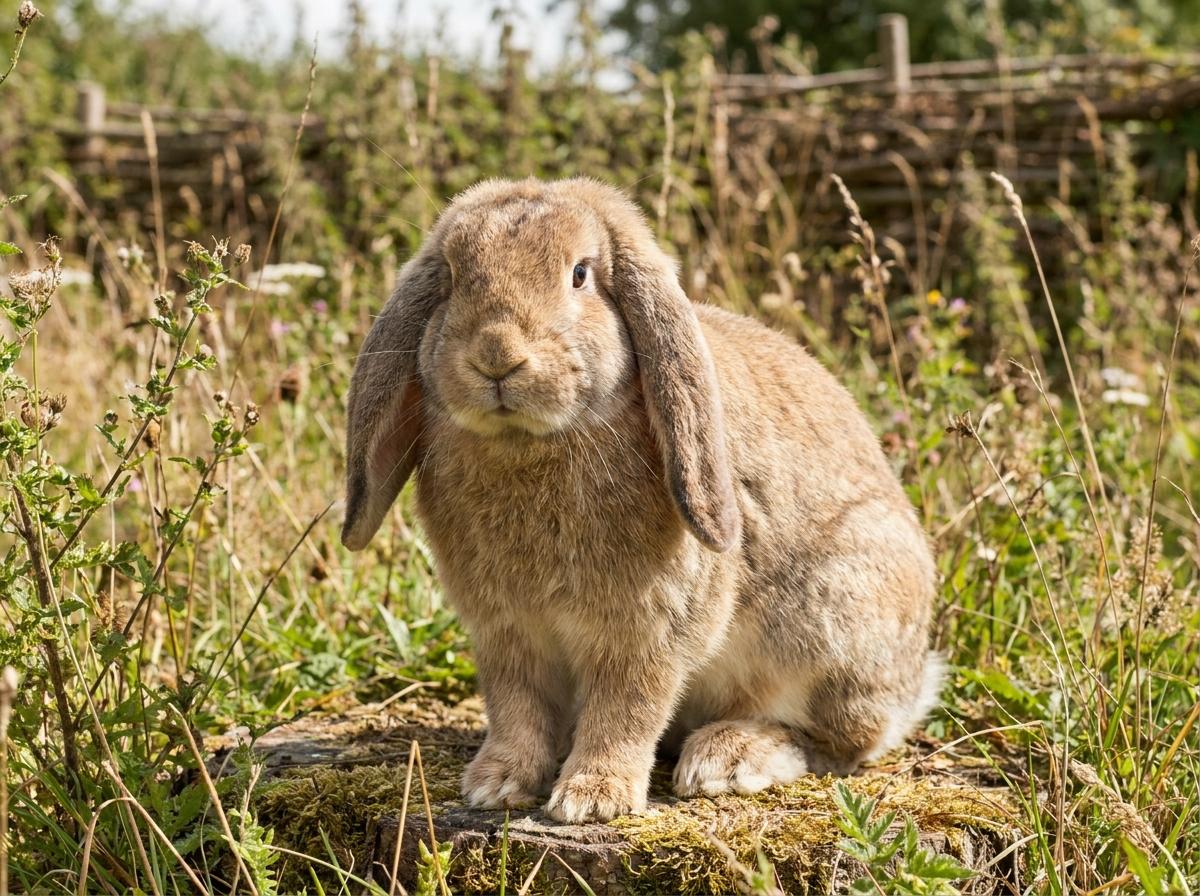
The French Lop is one of the largest lop-eared rabbit breeds in the world, a heavy, muscular, cobby giant with a broad bold head and short thick ears that hang down beside the face. Adults commonly weigh 10 to 15 pounds, so this is a big, strong rabbit that needs real space, real handling confidence, and a diet built around unlimited hay. It is recognized by both the American Rabbit Breeders Association (ARBA) and the British Rabbit Council (BRC), it was developed in France in the 1800s from English Lop and giant stock, and it is a calm, sociable animal that most keepers describe as gentle. Below you will find what the breed is, where it comes from, how it looks, how big it really gets, how it differs from the smaller German Lop and the long-eared English Lop, what it costs, and what to check before you bring one home.

Browse listings, public profiles, breeders, or add your animal.
What is a French Lop rabbit?
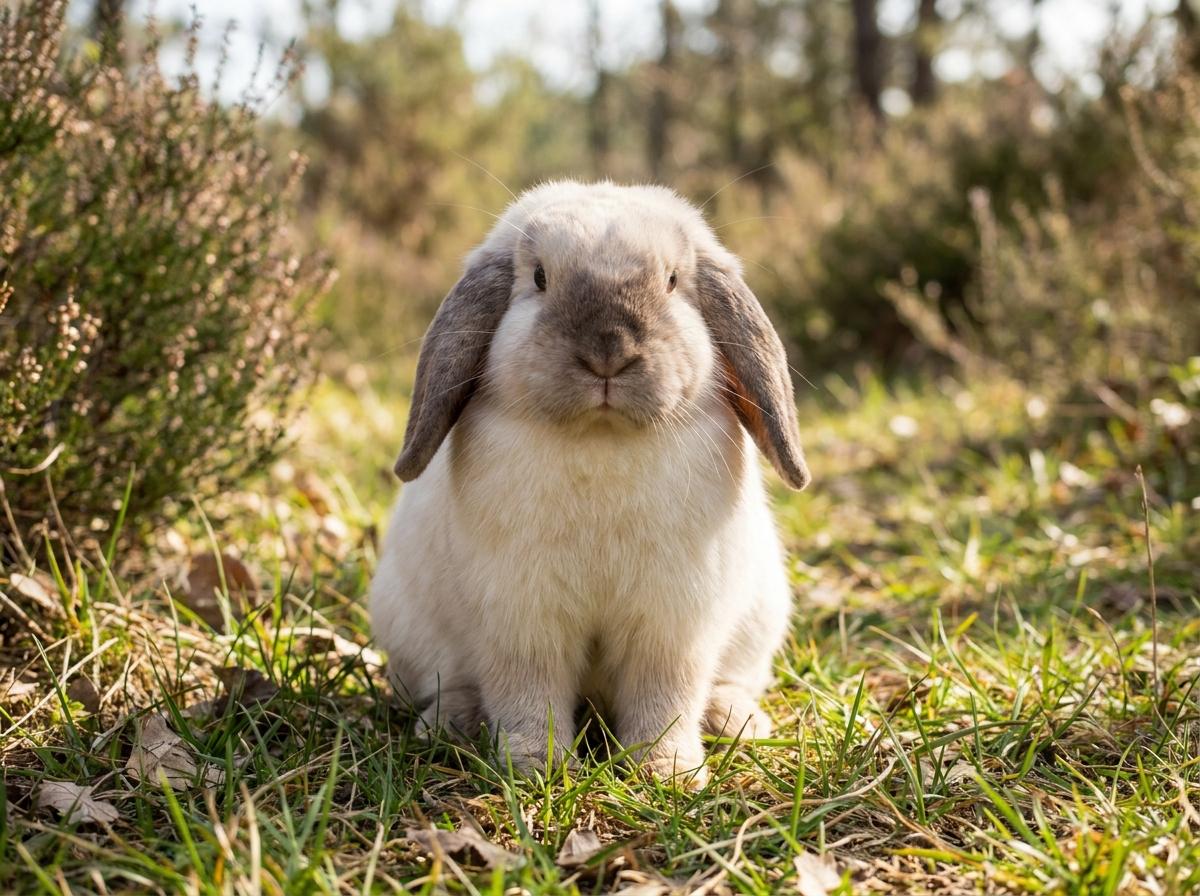
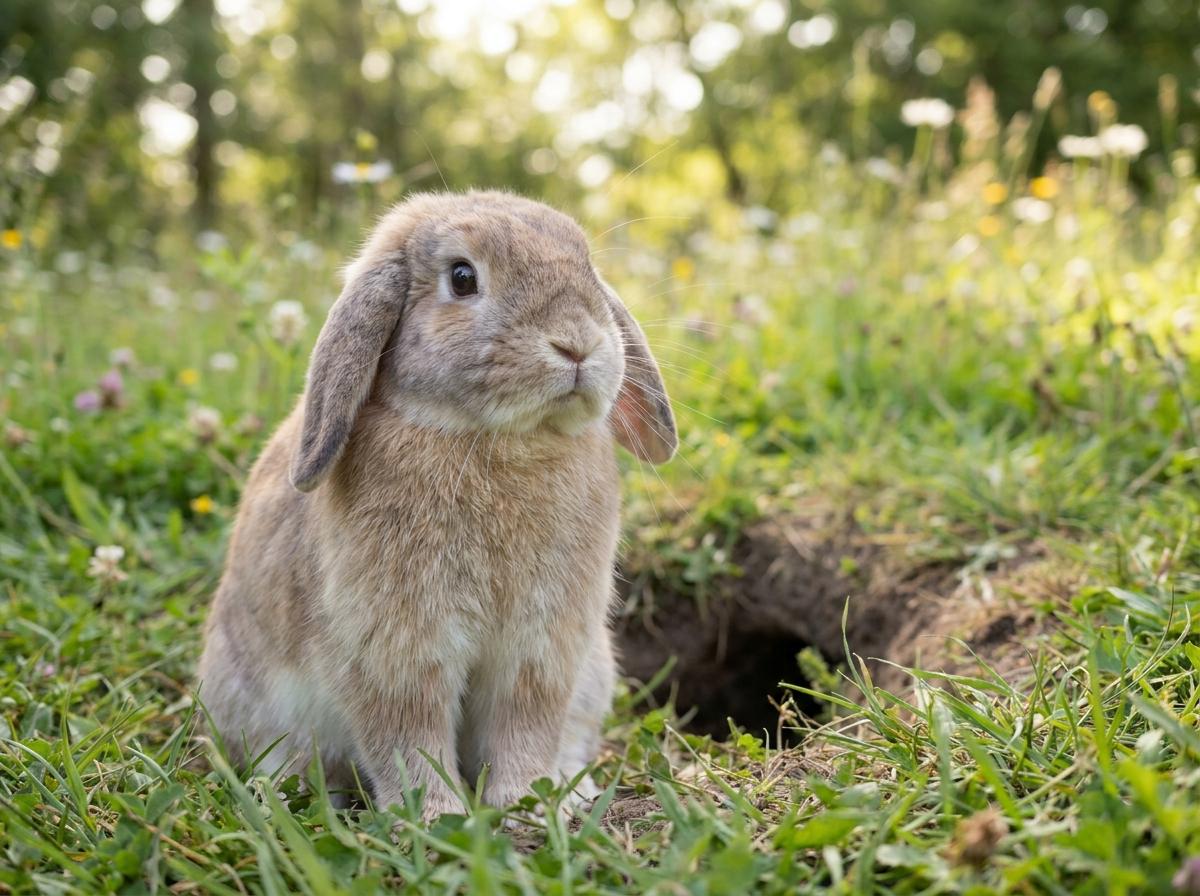
The French Lop is a breed of domestic rabbit (Oryctolagus cuniculus) known above all for its size. It is one of the largest of the lop breeds, built heavy and thickset rather than long and rangy, with short muscular legs, a broad deep chest, and a large bold head. The ears are the giveaway of any lop: instead of standing upright, they hang down on either side of the head, framing the face. On a French Lop those ears are relatively short and thick compared with the extreme trailing ears of the English Lop.
It is a recognized show breed on both sides of the Atlantic, listed by the American Rabbit Breeders Association (ARBA) in the United States and by the British Rabbit Council (BRC) in the United Kingdom. In practice most French Lops today are kept as pets or shown, though the breed was originally developed for meat. If you are still comparing breeds, the broader Creatures rabbit species page is a good place to weigh the French Lop against smaller and easier-to-house lops.
The single most important thing to understand before you fall for the fluffy face is the scale. A French Lop is not a lap-sized bunny that happens to have floppy ears. A typical adult weighs roughly 10 to 15 pounds, which is heavier than many small dogs, and a heavy individual can be a genuine armful. That size shapes everything about how the breed is housed, fed, handled, and rehomed, so we come back to it throughout this page.
Origin and history
The French Lop was developed in France in the 19th century, with most accounts placing the breed’s beginnings around 1850. According to the breed’s documented history, it was produced by crossing the English Lop with a large French breed. Sources differ slightly on that second parent: it is usually given as the Giant Papillon (the “Butterfly Rabbit of France,” sometimes rendered “geant papillon francais”), and some accounts describe Flemish Giant blood in the breed’s giant-rabbit background. Either way, the recipe is consistent: take the lopped ears of the English Lop and cross onto heavy, large-bodied French stock to get a giant lop.
The breed was first raised as a meat rabbit, which explains its heavy, meaty build. From France it spread to neighboring countries, and ten French Lops were exported from the Netherlands to the United Kingdom in 1933 for exhibition. The breed became well established in Britain over the following decades. French Lops were not imported into the United States until the early 1970s, which makes the breed a relatively recent arrival in American rabbitries compared with its long European history.
That history is worth keeping in mind when you read the breed standard. The French Lop was bred to be big first and pretty second, and the modern show and pet animal still carries the frame of a former meat rabbit. This is why the breed standards emphasize mass, bone, and a broad, muscular body rather than a delicate or refined look.
What a French Lop looks like
The French Lop is unmistakable once you know the diagnostic features, and most of them come down to one word: heavy.
- Massive, cobby body. “Cobby” means short and thickset, and the French Lop is the classic cobby rabbit: a compact, deep, muscular body carried on short, straight, heavy-boned legs. The overall impression is of a solid block of a rabbit rather than a long, lean one.
- Broad, bold head. The head is large and broad, wide across the skull and full in the cheek, which gives the breed its characteristic bold expression. On bucks especially the head can look strikingly big.
- Short, thick lopped ears. The ears hang down beside the head below the jaw and are commonly about 5 to 8 inches long. Crucially, they are short and thick for a lop, not the dramatic ground-trailing ears of the English Lop. The base of the ears sits on a firm crown of cartilage.
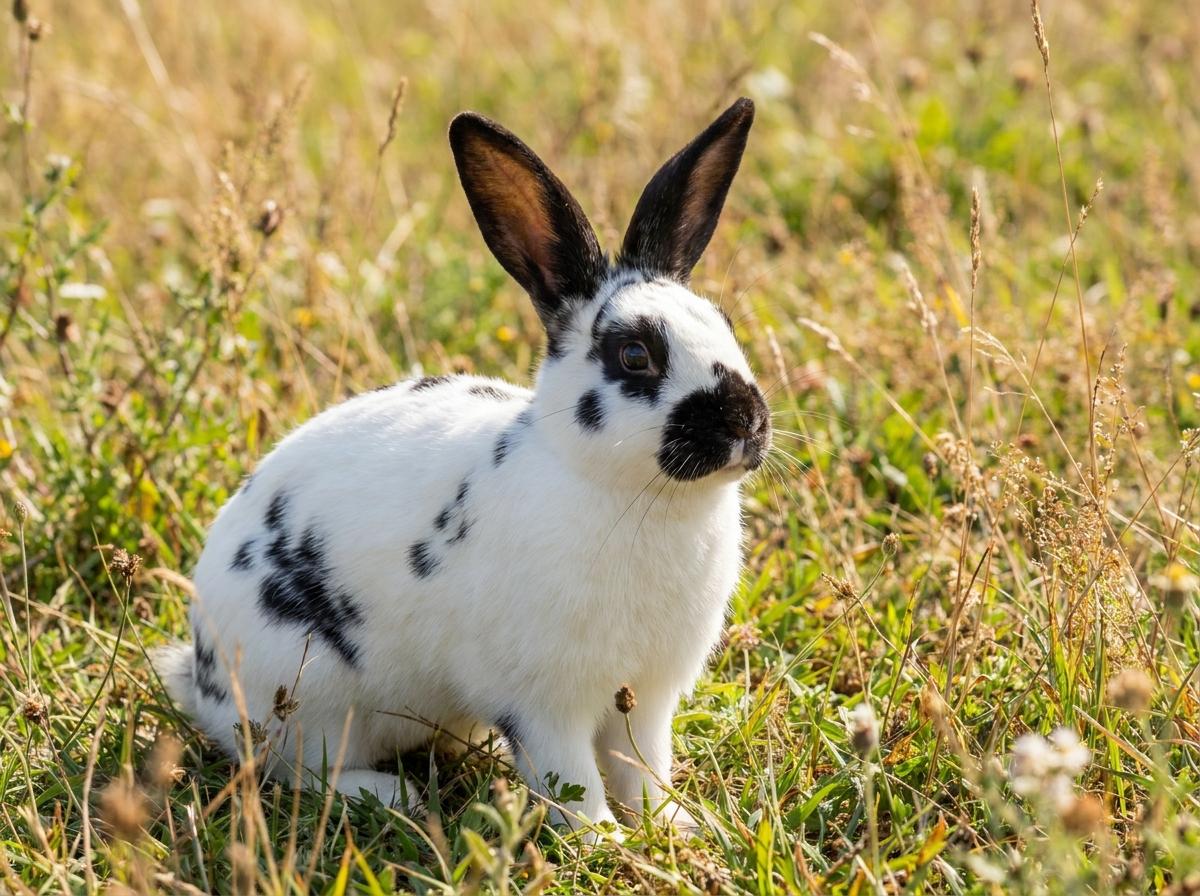
- Dense, soft coat. The coat is dense and soft, and the breed comes in a wide range of colors in both solid and broken (two-color, usually white plus a color) patterns. Recognized colors include agouti, black, chinchilla, and fawn among others, so this is a colorful breed rather than a single-color one.

How big is a French Lop, really?
Big enough that size is a buying decision, not a detail. French Lops commonly weigh 10 to 15 pounds as adults. The ARBA standard sets a minimum senior weight (in the region of 10.5 pounds) and, tellingly, no maximum, which is unusual and reflects that the breed is meant to be as large as it can be while staying sound. UK sources describe adult French Lops averaging around 5 to 6 kilograms, which lands in the same 11-to-13-pound range.
For comparison, a Netherland Dwarf weighs around 2 pounds and a Holland Lop around 3 to 4 pounds. A French Lop can be four or five times the weight of those popular small pet lops. When people are surprised by how much rabbit they end up with, it is almost always a French Lop (or a Flemish Giant) they underestimated. Plan your housing and handling around the top of the range, not the bottom.
French Lop vs German Lop vs English Lop
Because “lop” covers everything from tiny dwarfs to giants, it is easy to buy the wrong size by accident. Three lops are often confused, and they are genuinely different animals.
- French Lop (giant). The heavyweight. Commonly 10 to 15 pounds, massive and cobby, with short thick lopped ears. This is the breed on this page and one of the two or three largest lops in the world.
- German Lop (medium). The German Lop was deliberately developed as a medium-sized lop that sits between the giant French Lop and the small dwarf and Holland lops. It is typically much lighter, often in the range of about 6 to 8 pounds, with a compact well-rounded body. If a full-grown 12-pound rabbit is more than you want, the German Lop is the natural step down, and you can compare it directly on the Creatures German Lop page.
- English Lop (the long-eared one). The English Lop is famous for extraordinarily long ears that can trail well past the body, far longer than the French Lop’s. The French Lop was actually bred partly from the English Lop but is heavier in the body and does not carry the same exaggerated ear length. If ears are the whole point for you, that is the English Lop; if size and a sturdy build are the point, that is the French Lop.
Getting this distinction right before you buy saves a lot of grief later. A family that wanted a manageable medium lop and ended up with a 13-pound French Lop faces very different housing and handling needs than they planned for.
Temperament
French Lops are generally described as calm, good-natured, and sociable, and many keepers single the breed out as one of the more relaxed giant rabbits. That easygoing temperament, combined with the plush coat and floppy ears, is a big part of the breed’s appeal as a pet.
Two honest caveats belong next to that. First, temperament is shaped by handling and socialization, not just breed: a French Lop that is handled gently and often from a young age tends to be confident and friendly, while one that is rarely handled can be nervous. Second, and specific to this breed, the sheer size and strength matter. A frightened 12-pound rabbit that kicks out with powerful hind legs can injure itself (a spinal injury from a bad twist is a real risk in heavy rabbits) or scratch a handler badly. For that reason the French Lop is usually not recommended as a first rabbit for young children who cannot safely support its weight. It rewards an owner who is comfortable lifting and holding a large animal correctly.
Like all rabbits, French Lops are social and generally do best with company. Rabbit welfare guidance from veterinary sources recommends keeping rabbits in compatible bonded pairs (commonly a neutered male with a neutered female) rather than alone, with introductions done carefully.

Housing and space
A giant rabbit needs giant space, and this is where prospective owners most often underestimate the breed. A French Lop is far too large for the small hutches sold for dwarf rabbits.
As a floor-space starting point, UK welfare guidance for a large rabbit points to an enclosure on the order of at least 6 feet long by 2 to 3 feet deep, plus a securely attached exercise run, and a French Lop sits at the top of that range. Beyond the base enclosure, this is an active, muscular breed that needs several hours of out-of-hutch exercise every day to stay fit and avoid boredom and obesity. Many owners keep French Lops as free-roaming or part-free-roaming indoor rabbits (rabbit-proofed like you would for a cat), which suits the breed’s size and sociability well.
Whatever the setup, the essentials are the same: dry, draft-free, secure shelter; solid comfortable flooring (a heavy rabbit on wire flooring is at risk of sore hocks); room to fully stretch out and take several hops in a line; and hiding places for security. Because the breed is big and strong, fixtures and latches need to be sturdy. If your rabbit lives partly or wholly outdoors, protection from predators, temperature extremes, and flies is essential.
Feeding
The foundation of every pet rabbit’s diet is hay, and that is doubly true for a large, obesity-prone breed like the French Lop. Veterinary and welfare guidance is consistent: unlimited good-quality grass hay (such as timothy or meadow hay) should make up the great majority of the diet, roughly 80 percent or more, with a daily portion of fresh leafy greens and only a small measured amount of commercial rabbit pellets. Fresh clean water must always be available.
Two feeding points are especially important for this breed. First, French Lops put on weight easily, so pellets and treats should be limited and body condition watched; an overweight giant rabbit is at higher risk of sore hocks, flystrike, and difficulty grooming itself. Second, the constant chewing that unlimited hay requires is what keeps a rabbit’s continuously growing teeth worn down. A low-hay, high-pellet diet is the leading cause of painful dental disease in pet rabbits, a point every reputable rabbit-care source stresses. Sudden diet changes and unsuitable foods can also trigger gut stasis, a serious slowdown of the digestive system that is a medical emergency in rabbits.
Health
French Lops are not a notably sickly breed, but they share the health priorities of all pet rabbits, plus a couple of concerns tied to their size and their lopped ears. Always defer medical decisions to a rabbit-savvy veterinarian.
- Dental disease. All rabbits are at risk of painful overgrown teeth if not fed a correct high-hay diet. This is the single most common preventable rabbit health problem, and diet is the main defense.
- Gut (GI) stasis. A rabbit that stops eating or passing droppings may be in gut stasis, which can be life-threatening. It is an emergency; a rabbit that has not eaten for several hours needs a vet promptly.
- Flystrike. In warm weather, flies can lay eggs on a soiled or damp rear end and the hatching maggots cause devastating, fast-moving injury. Large and less mobile or overweight rabbits that struggle to keep themselves clean are at higher risk, so daily rear-end checks in summer matter.
- Ear problems. The lopped ear canal does not drain and ventilate as freely as an upright ear, so lop breeds can be more prone to ear wax buildup and ear infections. Ask your vet to check the ears during routine visits.
- Vaccine-preventable viral disease. Myxomatosis and rabbit haemorrhagic disease (RHD) are serious, often fatal viral diseases; vaccination is standard preventive care in regions where these vaccines are available. Neutering is also commonly recommended, partly for behavior and bonding and partly because it removes the high risk of uterine cancer in female rabbits.
Keeping clear records of weight, diet changes, vaccinations, dental checks, and any illness makes it far easier to spot problems early and to give your vet an accurate history. You can keep all of that on your rabbit’s Creatures profile, which we cover in the next-steps section below.

Lifespan
With good care, French Lops commonly live around 5 to 8 years, and individual rabbits can live longer. There is no single authoritative breed-specific figure, and published estimates vary, so treat this as a general expectation rather than a guarantee. As with any animal, lifespan depends heavily on diet, housing, neutering, vaccination, and prompt veterinary care. The best thing an owner can do for longevity is get the basics right: unlimited hay, a correct-sized clean living space, daily exercise, and a relationship with a rabbit-experienced vet.
Cost and availability
French Lops are an established, recognized breed and are not rare in the way an exotic import is, but they are less common than the popular small pet lops, so availability varies a lot by region.
There is no single reliable national price, and prices vary with location, pedigree, show quality, color, and whether you are buying from a hobby breeder or adopting. As a general guide, a pet-quality French Lop typically costs somewhere in the low hundreds of dollars, with well-bred show or pedigree animals costing more. Adoption through a rabbit rescue is often less expensive and frequently includes neutering, and rescues sometimes have giant lops specifically because owners underestimated the size and could not keep up. We will not invent a precise figure; ask any seller for the animal’s exact weight and age, its parents, and its health and vaccination history.
Remember that the purchase price is a small part of the real cost. A giant rabbit eats more hay, needs a larger enclosure, and (because of size) can run up larger vet bills than a dwarf. Budget for the ongoing cost of keeping a big rabbit for its full lifespan, not just the sticker price.
Buying and adoption considerations
Because size is the defining trait of this breed, most of the smart questions come back to it.
- Confirm it is actually a French Lop, not a smaller lop. Ask the seller for the parents and the animal’s expected adult weight. If you specifically want a medium rabbit, the German Lop may be the better fit; do not buy a French Lop by mistake and hope it stays small.
- Match the rabbit to your space and strength. Be honest about whether you have room for a 6-foot-plus enclosure plus daily run time, and whether you (or your children) can safely lift and hold a 10-to-15-pound rabbit.
- Ask for health and vaccination history. A responsible seller can tell you about the parents, the rabbit’s diet, its vaccination status (myxomatosis and RHD where available), and whether it has been checked for dental and ear problems.
- Check the individual animal. Look for bright eyes, clean ears, a clean dry rear end, good body condition (not obese), and a rabbit that moves freely on sound legs and feet. A calm, well-handled temperament is a good sign.
- Consider adoption. Rabbit rescues regularly have giant lops needing homes, often already neutered and vaccinated, which can be both cheaper and a good ethical option.
You can browse current French Lop listings on the Creatures marketplace and look for breeders and rescues in the Creatures directory. If none are listed near you right now, a saved listing alert (below) is the simplest way to be told when one appears.
Frequently asked questions
How big does a French Lop get?
French Lops commonly reach 10 to 15 pounds as adults, making them one of the largest lop breeds. The ARBA standard sets a minimum senior weight (around 10.5 pounds) and no maximum. UK sources often cite an average of about 5 to 6 kilograms.
Are French Lops good pets?
For the right home, yes. They are generally calm, good-natured, and sociable, which makes them popular pets. The main caution is their size and strength: they need a lot of space and daily exercise, and they are usually not the best choice as a first rabbit for young children who cannot safely handle a large animal.
What is the difference between a French Lop and a German Lop?
Size is the main difference. The French Lop is a giant, commonly 10 to 15 pounds, while the German Lop was bred as a medium lop, typically around 6 to 8 pounds. If you want a manageable medium-sized lop, the German Lop is the natural alternative.
What is the difference between a French Lop and an English Lop?
The English Lop is defined by extremely long, ground-trailing ears, far longer than the French Lop’s. The French Lop was bred partly from the English Lop but is heavier and more thickset in the body, with shorter, thicker ears.
How long do French Lops live?
Commonly around 5 to 8 years with good care, and sometimes longer. Diet, housing, neutering, vaccination, and prompt veterinary care all affect lifespan. There is no single authoritative breed-specific figure, so treat this as a general range.
Do French Lops need a companion?
Rabbits are social animals and veterinary welfare guidance generally recommends keeping them in compatible bonded pairs rather than alone, most often a neutered male with a neutered female, with careful introductions.
Do this next on Creatures
Whether you are researching the breed, hunting for a French Lop near you, or already keeping one, Creatures is the records, marketplace, and directory layer to do it in one place.
Compare the sizes first. Not sure a giant is right for you? Compare the French Lop against the medium German Lop, and browse other breeds on the Creatures rabbit species page (the Belgian Hare and Blanc de Hotot are two more to weigh up).
Find a rabbit. Browse French Lops on the marketplace and search trusted breeders and rescues in the Creatures directory. New to the marketplace? See saving searches and using your watchlist.
Get alerted. No French Lop listed near you yet? Set a free French Lop listing alert and we will tell you when one is posted. No account needed to start.
Add your rabbit. Already keeping a French Lop? Create a free animal profile in a few minutes. No account needed to start, and the walkthrough is in adding an animal to Creatures.
Track weight, diet, and health. Track weight, diet, and vet records on Creatures. The record sheet opens for any visitor to look around, and you will need a free account to save what you enter. See adding a record and health and medical records for the full how-to.
Never miss vaccines or dental checks. Set up reminders and upcoming care so vaccination and dental-check dates for your rabbit do not slip.
Breed or rescue rabbits? Create a breeder or rescue profile (no account needed to start) so people searching for this breed can reach you.