

Polish
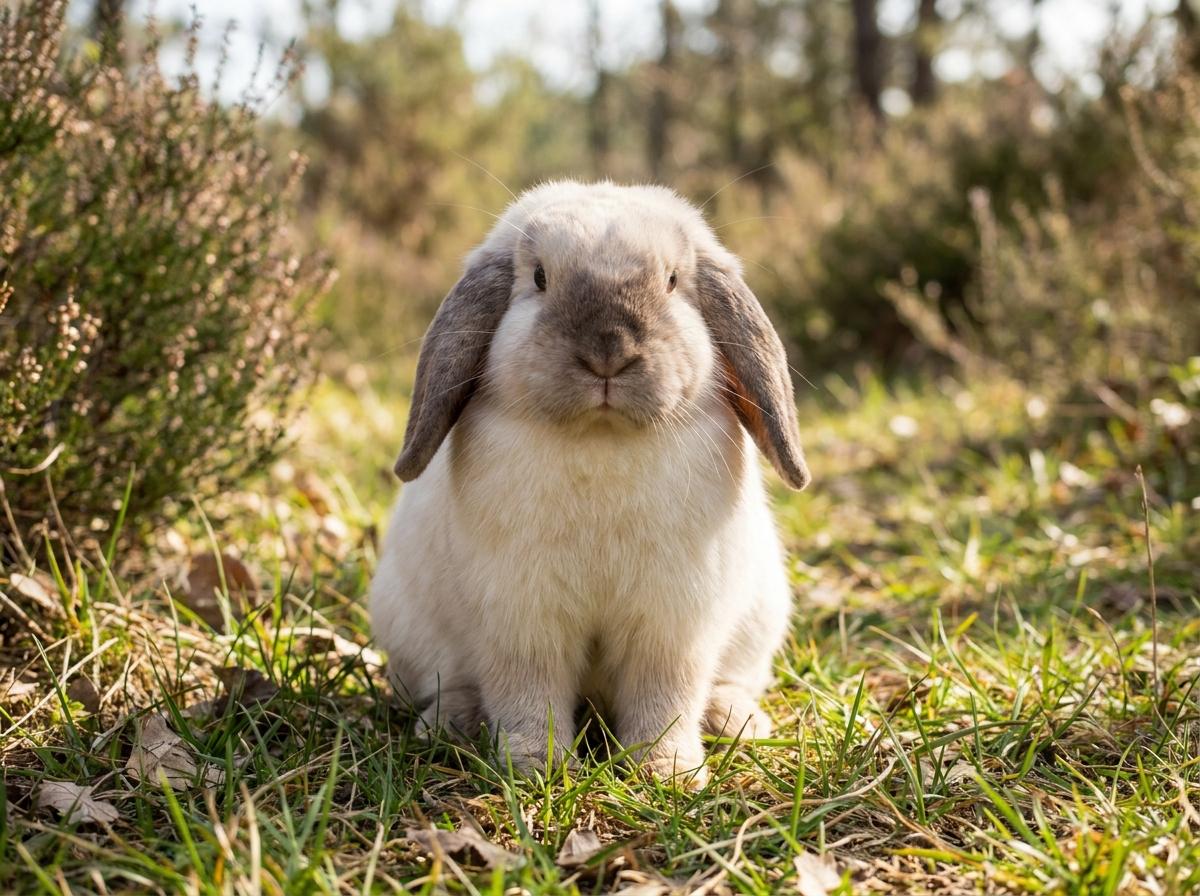
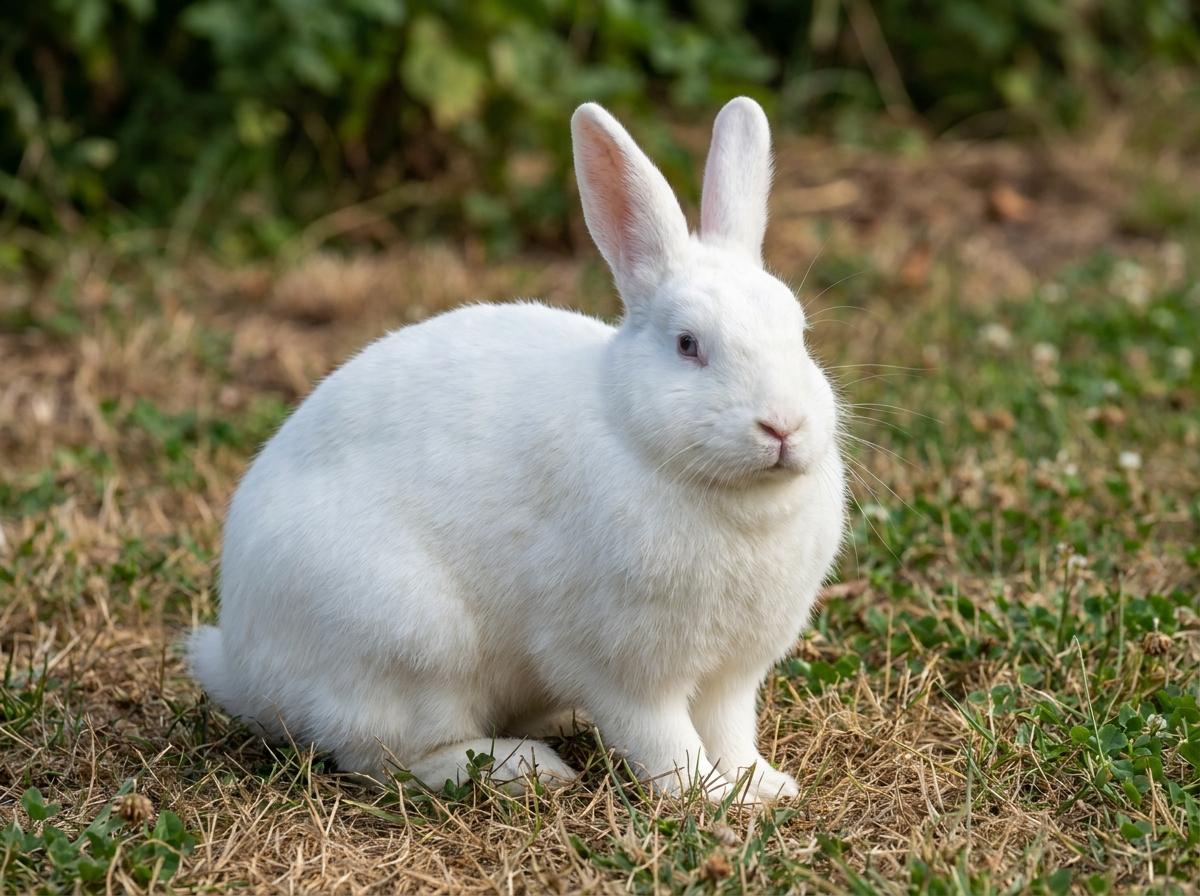
The Polish rabbit is one of the smallest breeds recognized by the American Rabbit Breeders Association (ARBA), a compact, fine-boned little rabbit that tops out at 3.5 pounds and is prized for its short erect ears, its short full head, and above all its large, bold, bright eyes. It is a true small breed rather than a dwarf, which means it keeps normal (if petite) proportions instead of the extremely shortened head of a Netherland Dwarf. Long a favorite on the show table and a steady 4-H project, it also makes a personable indoor pet in the right home. One important warning up front: the rabbit called “Polish” in the United States is not the same animal as the rabbit called “Polish” in the United Kingdom, and that single naming difference is the source of most of the confusion people run into when they research this breed. Below you will find what the Polish rabbit is, where the name comes from, the ARBA weight and type standard, the recognized colors, how to care for one, its size and lifespan, and what to check before you buy.

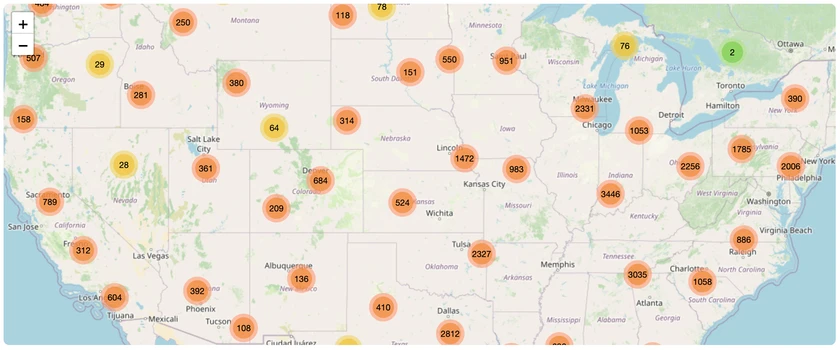
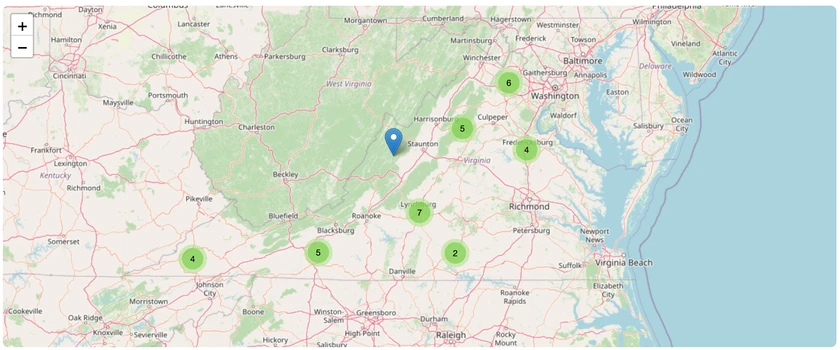
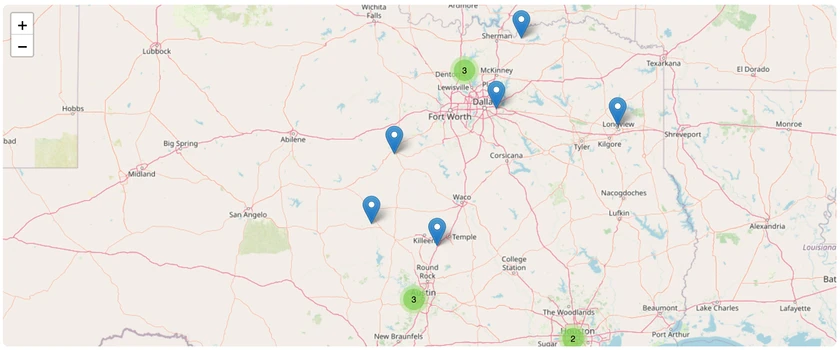
Browse listings, public profiles, breeders, or add your animal.
What is a Polish rabbit?
The Polish is a small, short-coupled domestic rabbit that ARBA recognizes with a maximum senior weight of 3.5 pounds and an ideal weight of about 2.5 pounds. The American Polish Rabbit Club (APRC), the national breed club that guides the standard in the United States, describes it as “one of the smaller domestic rabbit breeds” whose most distinctive characteristic is its “large, bold and expressive eyes.”
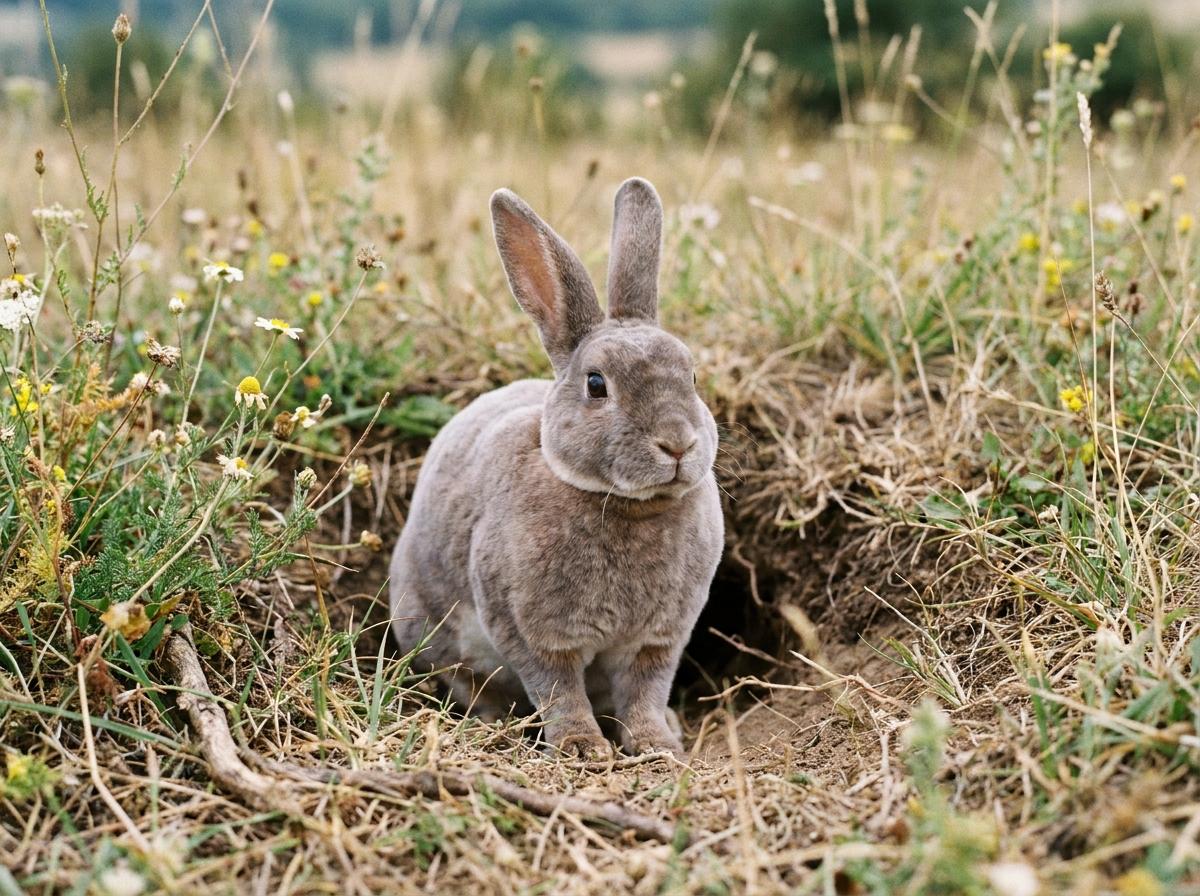
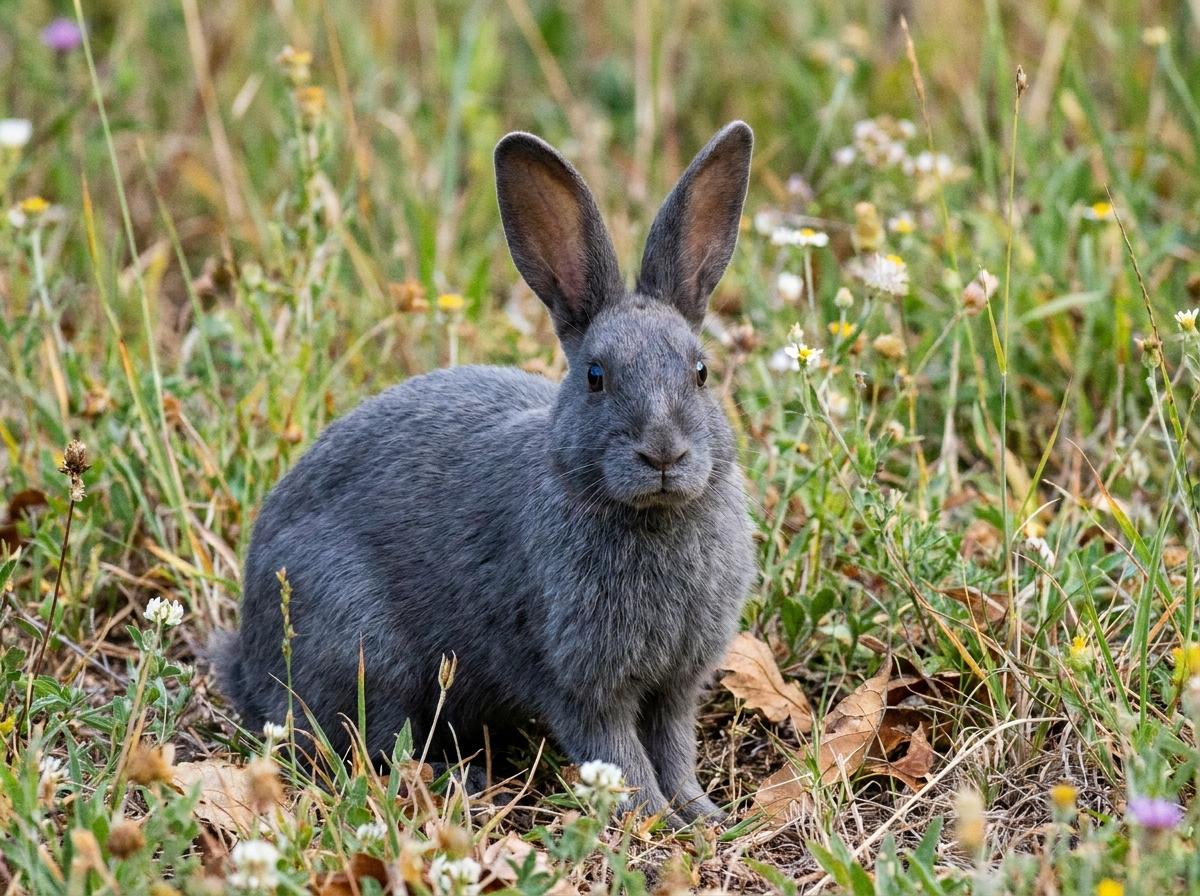
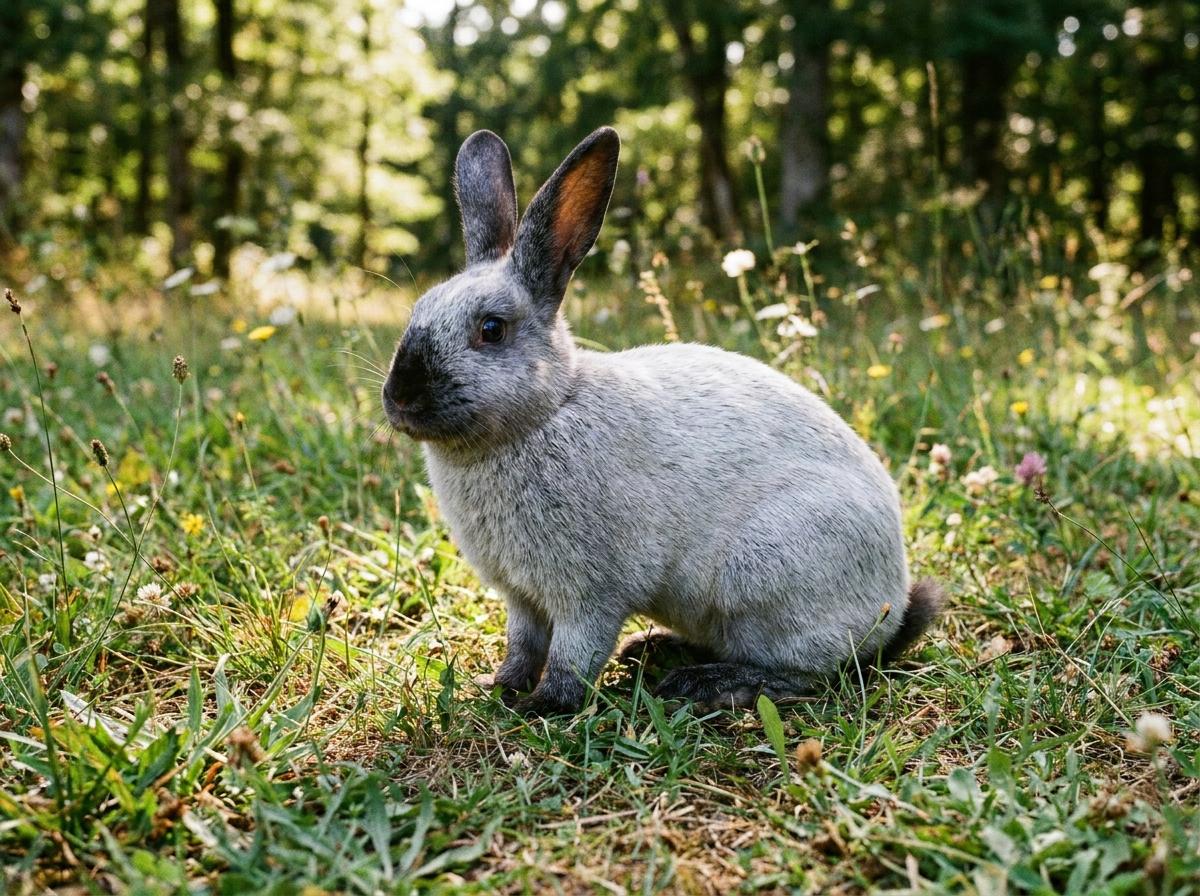
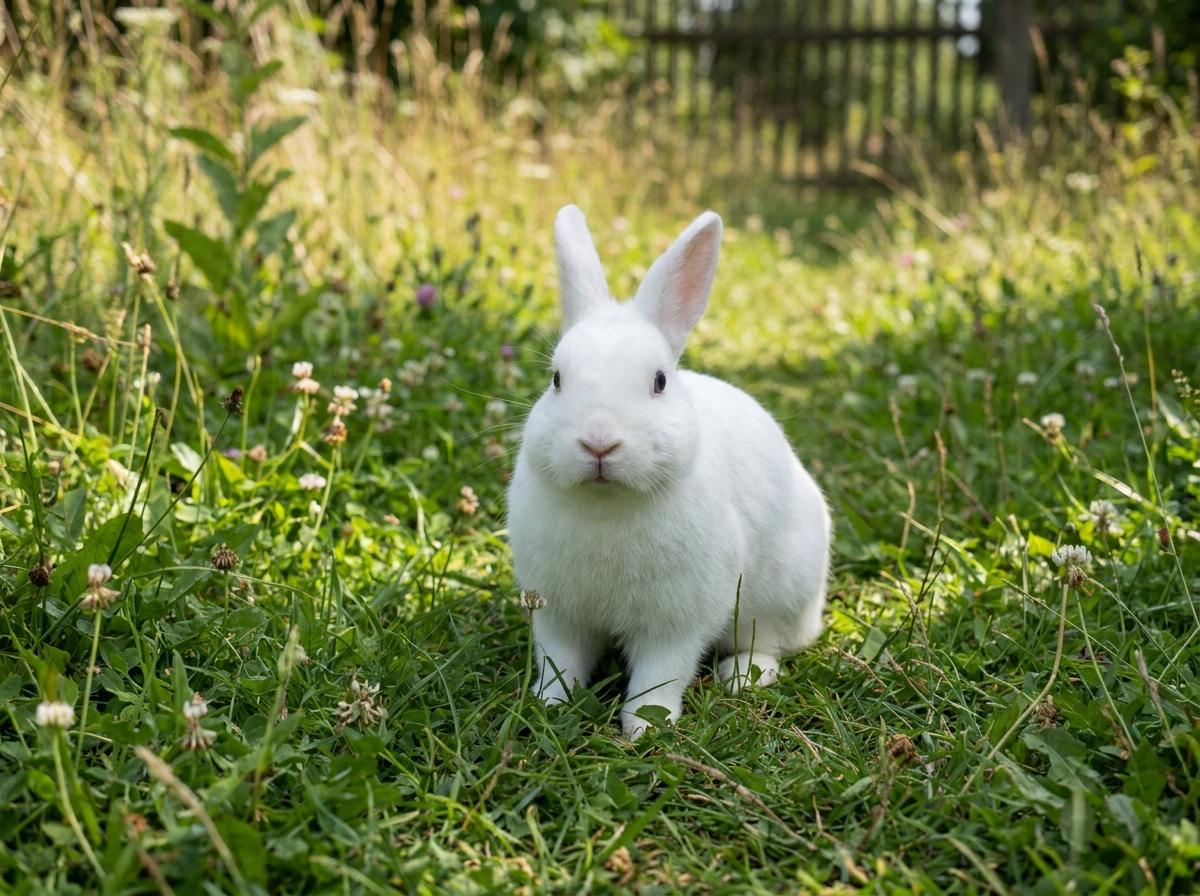
Under the standard, the body is small, compact, and close-coupled, with well-rounded hindquarters that are slightly wider than the shoulders. The head is medium-full and short, with full cheeks and muzzle. The ears are short and balanced to the body, held erect and set close together so that they touch each other all the way up, and the eyes are large, bold, expressive, and bright. Put together, those traits give the Polish the alert, wide-eyed look that shows up in old descriptions of the breed as a “little aristocrat.”
It is worth being precise about one thing that trips up newcomers: the Polish is a small breed, not a dwarf. ARBA itself notes that the Polish is “diminutive but not a dwarf breed,” with longer ears, a normal (non-flattened) head, and less of the extreme cobbiness you see in the Netherland Dwarf. In plain terms, the Polish looks like a small, neatly proportioned rabbit rather than a rabbit bred for an exaggeratedly tiny head. If you are comparing small breeds side by side, the broader Creatures rabbit species page is a good place to start.
Where the name comes from (and why it is misleading)
The Polish rabbit did not come from Poland. Both ARBA and the American Polish Rabbit Club trace the breed to western Europe, most likely England and Germany. Ruby-eyed white rabbits of this small type were mentioned in English rabbit literature by 1860 and were being exhibited in England later in the 1800s. How the name “Polish” attached to them is not firmly documented, and you should treat any confident single-sentence origin story for the name with some caution. What the breed clubs are clear about is the practical point: despite the name, this is not a Polish national breed.
The Polish first reached the United States around 1912, when W. E. Dexter of Boston imported stock, initially only the ruby-eyed white. From there American breeders developed the colored varieties and refined the type over the following decades.
US Polish vs UK Polish: clearing up the biggest confusion
This is the single most important thing to understand before you buy, show, or read about the breed, because the word “Polish” points at two different rabbits depending on which country you are in.
In the United Kingdom, the rabbit called “Polish” is a slim, upright, full-arch rabbit that poses high on its front legs. When that British type was brought to the United States, there was already an established American breed here called “Polish,” so to avoid confusion American breeders renamed the imported British rabbit the Britannia Petite. ARBA recognized the Britannia Petite as a separate breed in 1977. So:
- US Polish (this page): a small, compact rabbit with a rounded body sitting close to the table, maximum 3.5 pounds.
- US Britannia Petite (called “Polish” in the UK): a slimmer, racier, full-arch rabbit that stands up on its toes, with a maximum weight of about 2.5 pounds.
If you read a British care guide, watch a British show, or buy from a British pedigree, “Polish” there means the animal Americans call the Britannia Petite. Match the country to the breed name and most of the contradictory information you find online resolves itself. If you are drawn to the smaller full-arch look, the Britannia Petite is a distinct breed worth researching on its own terms rather than a color or size of the American Polish.
Colors and varieties
ARBA recognizes the Polish in seven showable varieties, according to the American Polish Rabbit Club:
- Black
- Blue
- Chocolate
- Blue-Eyed White
- Ruby-Eyed White
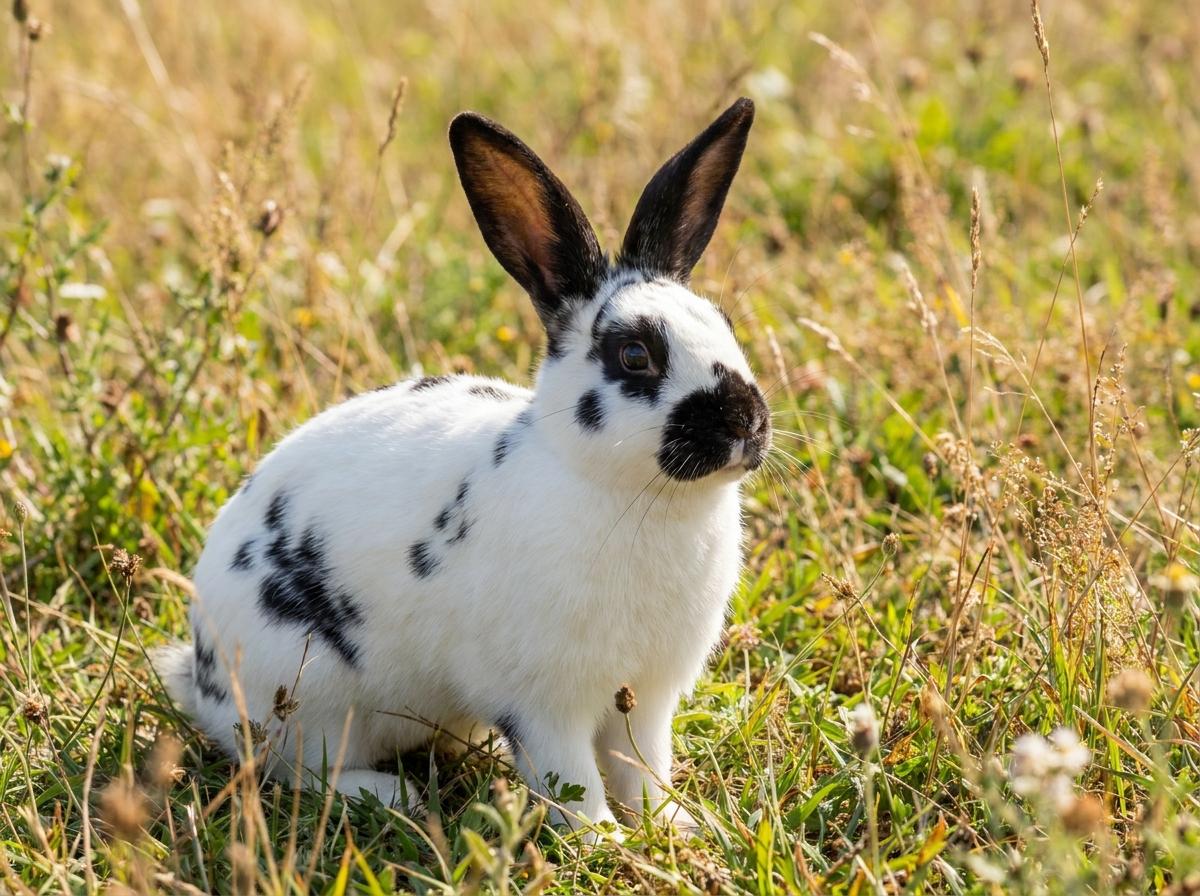
- Broken (a colored-and-white pattern)
- Lilac
The two white varieties are worth a note because people often ask about a white rabbit’s eye color. The Ruby-Eyed White is a true albino-type white with pink-red eyes, and it is the oldest Polish variety. The Blue-Eyed White is a separate variety carrying a different gene, with clear blue eyes; it was developed in the United States and accepted in 1938. The solid colors and the Broken pattern were added over the following decades, and the Lilac (a soft dove-gray) is the most recent addition to the recognized list. If a color you have heard of is not on this list, it may be a color recognized in another breed or another country rather than a showable Polish variety.

Temperament and what they are like to live with
The Polish is generally described by keepers as calm, friendly, and personable, and its small size and manageable nature are a big part of why it has been a popular show and 4-H rabbit for so long. Many owners find them curious and interactive, and their compact size makes them easy to handle for older children under supervision. We flag this as the general experience of breeders and pet owners rather than a formally studied trait, and it comes with the usual rabbit caveats.
All rabbits are prey animals, so they can startle, and being picked up incorrectly frightens them. A rabbit that feels insecure off the ground can kick hard enough to injure its own spine, so any rabbit, and especially a light small breed, should be supported firmly against the body and kept close to the ground rather than held up in the air. Intact rabbits of either sex can also become territorial or moody with hormones, which is one of several reasons many owners choose to spay or neuter (more on that below). As with any animal, individual personality varies with handling, socialization, and how much calm, gentle attention the rabbit gets.
Care and housing
A Polish rabbit is small, but its care needs are the same in kind as any pet rabbit’s. The three pillars are diet, space and enrichment, and preventive health.
Diet
The foundation of a healthy rabbit diet is unlimited grass hay. Veterinary and rescue sources consistently recommend that roughly 80 percent of the diet be high-quality grass hay such as timothy, orchard grass, oat, or meadow hay, with a smaller portion of fresh leafy greens and only a limited amount of pellets. Hay is not just food; the long-stem fiber drives the side-to-side chewing motion that continuously wears a rabbit’s constantly-growing teeth, and it keeps the gut moving. Fresh water should always be available. Go easy on sugary treats and fruit, which can upset the delicate gut flora rabbits depend on.
Space and enrichment
Despite the small body, a Polish needs real space to move, stretch up, and hop, plus daily time out of its enclosure to exercise. Provide safe things to chew and explore, keep the living area clean and dry, and rabbit-proof any room they run in (electrical cords and houseplants are common hazards). Rabbits are social and often do best with gentle daily interaction or, for committed owners, a bonded companion rabbit.
Temperature
Rabbits tolerate cold far better than heat. They are comfortable in cool to moderate room temperatures and are genuinely at risk in hot weather, where high temperatures can cause fatal heat stroke. Keep rabbits out of direct summer sun and provide shade, ventilation, and cool surfaces when it is warm.

Health: what to watch in a small breed
Two health themes matter most for a small breed like the Polish, and both are best managed with a rabbit-experienced (exotics) veterinarian.
Dental disease. A rabbit’s teeth grow continuously, and if the upper and lower teeth do not meet and wear correctly, they overgrow, a condition called malocclusion. Veterinary sources note that hereditary malocclusion is reported more often in dwarf and small, short-headed rabbits, because a small jaw leaves less room for the teeth to align, so it is a condition Polish owners should specifically watch for. A hay-heavy diet helps wear the cheek teeth, but genetics play a role too, so check the bite of any rabbit before buying and have a vet examine the teeth if you see drooling, dropped food, weight loss, or a reluctance to eat.
GI stasis. The most common rabbit emergency is gastrointestinal stasis, in which the gut slows or stops moving. It is often triggered by a low-fiber diet, dehydration, stress, or pain (including dental pain), and it can become life-threatening quickly. A rabbit that stops eating or stops passing droppings for more than a few hours is an urgent veterinary case, not a wait-and-see situation. The best prevention is unlimited hay, fresh water, low stress, and prompt attention to any illness.
Spaying and neutering. Beyond curbing hormonal and territorial behavior, spaying female rabbits greatly reduces the risk of uterine cancer (uterine adenocarcinoma), which is common in aging intact does of many breeds. Interestingly, the Merck Veterinary Manual notes that some breeds, Polish among them, have a comparatively low reported incidence of this cancer, but “lower” is not “none,” and spaying still carries clear behavioral and health benefits. Discuss timing and the specifics for your rabbit with your veterinarian; all medical decisions should be made with a vet who can examine the animal.
Size, weight, and lifespan
Under the ARBA standard, senior Polish rabbits weigh no more than 3.5 pounds, with an ideal show weight around 2.5 pounds; juniors under six months are shown at not over 2.5 pounds with a minimum of 1.5 pounds. That makes the Polish a genuinely small rabbit, though not the very smallest (the Britannia Petite and Netherland Dwarf are lighter).
For lifespan, there is no reliable breed-specific figure, so treat the general pet-rabbit range as the expectation: with good care, spaying or neutering, and an indoor life, pet rabbits commonly live about 8 to 12 years, and some live longer. A small breed kept well can be a long-term companion, so plan for a decade of care rather than a short-term pet.
Breeding and litters
Polish does have relatively small litters, commonly around two to four kits, which is modest compared with the large litters of commercial meat breeds. That, plus the fine-boned type and the care needed to breed away from dental faults, means responsible Polish breeding is a patient, selective hobby rather than a high-output enterprise. If you plan to breed, learn the ARBA Standard of Perfection for the variety you keep, select for correct bite and sound type, and keep careful pedigree and health records so you can make decisions on evidence. You can keep those breeding, litter, and health records on each animal’s Creatures profile.

Cost, availability, and buying considerations
Polish rabbits are an established show breed in North America, so they are more available than a rare heritage breed, but they are not as common in pet stores as mixed-breed or dwarf rabbits. Your best sources are show breeders, often found through the American Polish Rabbit Club, local ARBA-affiliated clubs, and 4-H networks. There is no single reliable public price for a Polish rabbit, and we will not invent one; pet-quality animals are generally modest in price, while show-quality stock from proven lines costs more, and prices vary widely by region, variety, and pedigree.
When you are choosing a Polish rabbit, look past the “cute” factor and check the fundamentals:
- Check the bite and teeth. Given the small-breed tendency toward dental problems, confirm the front teeth meet correctly and ask whether the line has any history of malocclusion.
- Assess type against the standard. A good Polish is compact and short-coupled with a short full head, short erect ears held close together, and the breed’s signature bold eyes. Ask to see the ARBA variety the rabbit is registered as.
- Confirm the variety and eye color. Especially with the two whites, know whether you are looking at a Ruby-Eyed White (pink-red eyes) or a Blue-Eyed White (blue eyes), as they are separate varieties.
- Watch for signs of health. A healthy rabbit is bright, active, eating well, with clean eyes, nose, ears, and rear, and clean, dry droppings.
- Confirm it is actually a Polish, not a Britannia Petite or a dwarf. If the rabbit poses high on its toes in a full arch, you may be looking at a Britannia Petite; if it has an extremely tiny flattened head, it may be a Netherland Dwarf. Match the animal to the standard.
You can browse current rabbit listings on the Creatures marketplace and look for breeders in the Creatures breeder directory. If no Polish is listed near you right now, a saved listing alert (below) is the simplest way to be notified when one is posted.
How the Polish compares to similar small rabbits
Because the Polish is small and often confused with other petite breeds, it helps to see where it sits:
- Netherland Dwarf: even smaller and lighter, bred for an extremely short, round head and tiny ears; a true dwarf. The Polish is larger, longer-eared, and more normally proportioned. (Historically, small Polish-type rabbits were among the ancestors used to create the Netherland Dwarf in the early 20th century.)
- Britannia Petite: the rabbit called “Polish” in the UK; slim, racy, and full-arch, posing up on its toes, and lighter at about 2.5 pounds maximum. Different body type entirely.
- Other rare rabbit breeds: if you are exploring small and uncommon rabbits, our sister guides to the Blanc de Hotot rabbit and the Silver Marten rabbit cover two very different looks, and you can compare more breeds from the Creatures rabbit species page.
Frequently asked questions
Are Polish rabbits actually from Poland?
No. Despite the name, breed authorities trace the Polish to western Europe, most likely England and Germany, and it was documented in English rabbit literature by 1860. How the name “Polish” attached to it is not firmly established.
Is the Polish the same as the UK “Polish” rabbit?
No, and this is the most common mix-up. The rabbit called “Polish” in the United Kingdom is the slim, upright, full-arch breed that Americans call the Britannia Petite, recognized by ARBA as a separate breed in 1977. The American Polish is a small, compact, rounded rabbit.
How big does a Polish rabbit get?
It is a small breed with a maximum senior weight of 3.5 pounds and an ideal weight around 2.5 pounds. It is small, but not as tiny as a Netherland Dwarf or a Britannia Petite.
Is a Polish rabbit a dwarf?
No. ARBA describes it as diminutive but not a dwarf, with longer ears and a more normal head shape than the Netherland Dwarf.
What colors do Polish rabbits come in?
ARBA recognizes seven showable varieties per the American Polish Rabbit Club: Black, Blue, Chocolate, Blue-Eyed White, Ruby-Eyed White, Broken, and Lilac.
Do Polish rabbits make good pets?
They are generally calm, friendly, and personable, and their manageable size makes them popular for pets, show, and 4-H. Like any rabbit they need a hay-based diet, space to exercise, gentle handling, and a rabbit-savvy veterinarian, and they can live 8 to 12 years or more with good care.
How long do Polish rabbits live?
There is no breed-specific figure, but well-cared-for pet rabbits commonly live about 8 to 12 years, especially when spayed or neutered and kept indoors.
Do this next on Creatures
Whether you are identifying the wide-eyed little rabbit you just met, hunting for show-quality stock, or already keeping Polish rabbits, Creatures is the records, marketplace, and directory layer to do it in one place.
Compare the breed. See how the Polish stacks up against other rabbits on the Creatures rabbit species page, and read our sister guides to the Blanc de Hotot and Silver Marten rabbits.
Add your rabbit. Already have a Polish? Create a free animal profile in a few minutes, no account needed to start. The walkthrough is in adding an animal to Creatures, and your animal’s profile page explains what each tab does.
Track health and dental checks. Small breeds need an eye on their teeth, so add a health record for weights, dental checks, and vet visits. The record sheet opens for any visitor to look around, and a free account saves what you enter. See adding a record and health and medical records for the full how-to.
Stay on top of care. Set gentle nudges for vaccinations, nail trims, and dental checks with reminders and upcoming care.
Find or catch a Polish. Browse Polish rabbits on the marketplace and trusted breeders in the Creatures directory. None nearby? Set a free Polish rabbit listing alert and we will tell you when one is posted, no account needed to start. See saving searches and using your watchlist.
Breed or show Polish? If you run a rabbitry, create a breeder profile so buyers can find you, and read getting listed in the breeder directory.