Manx
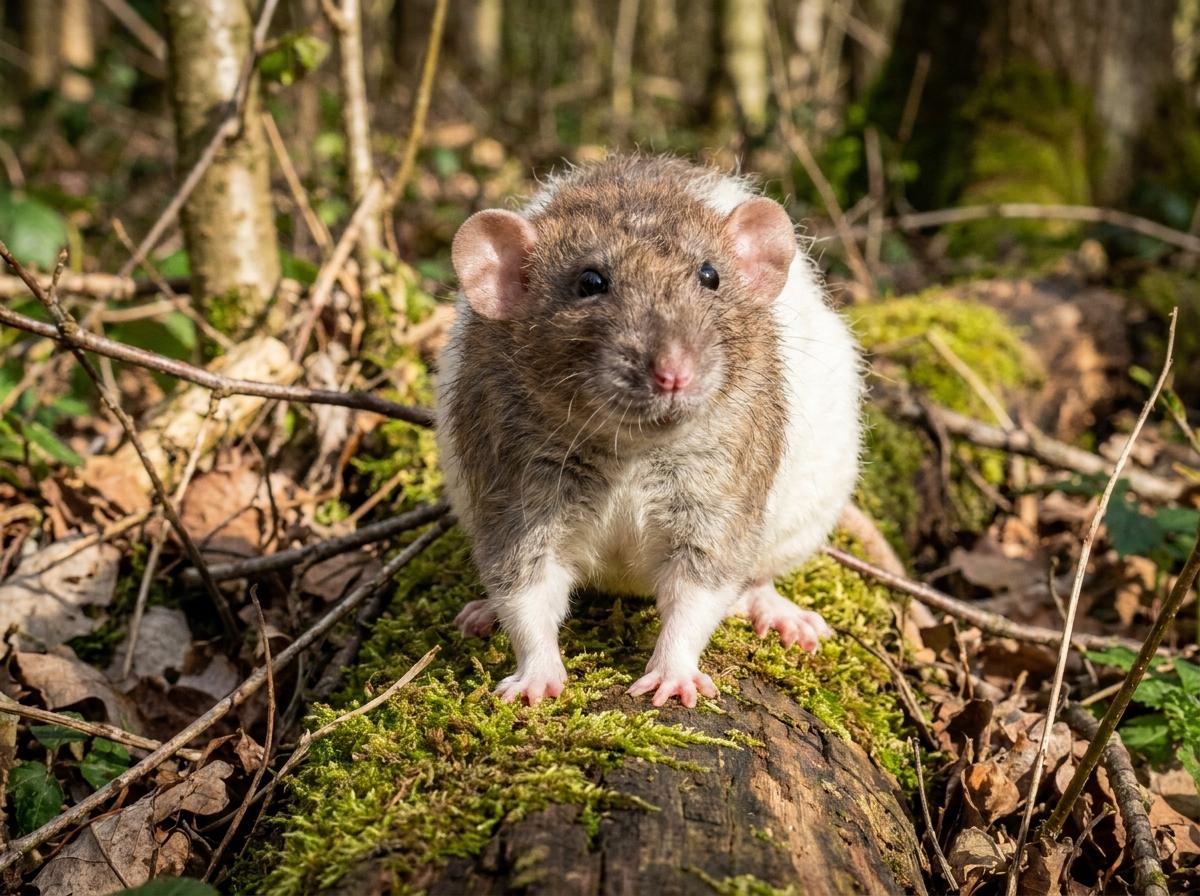
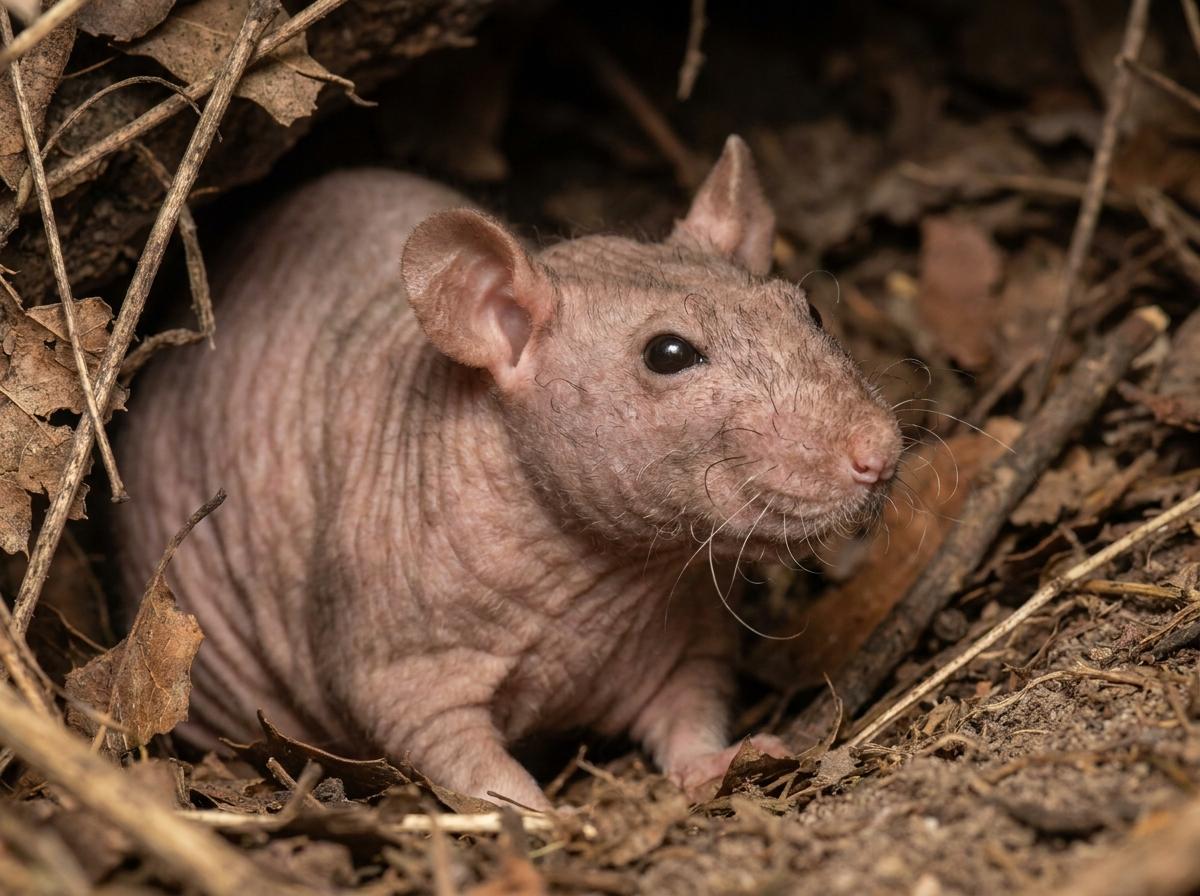
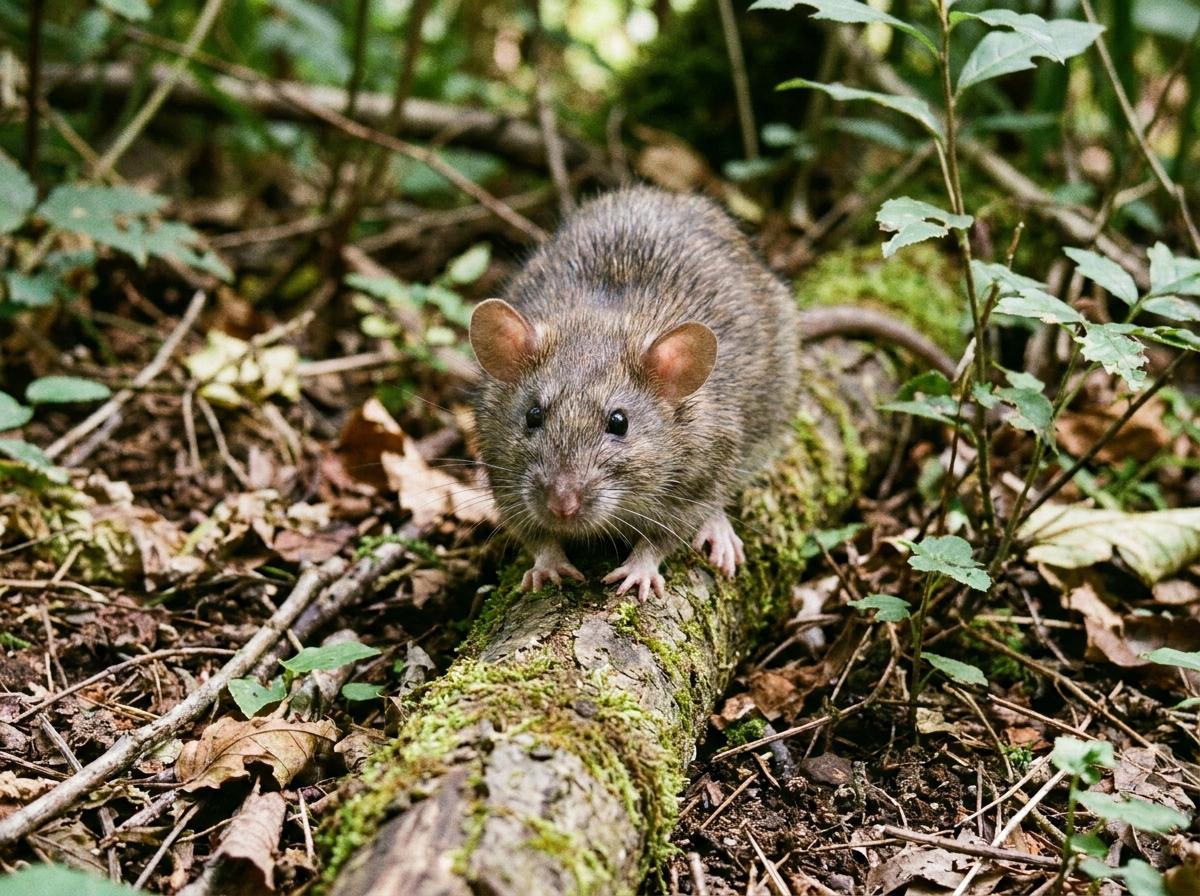
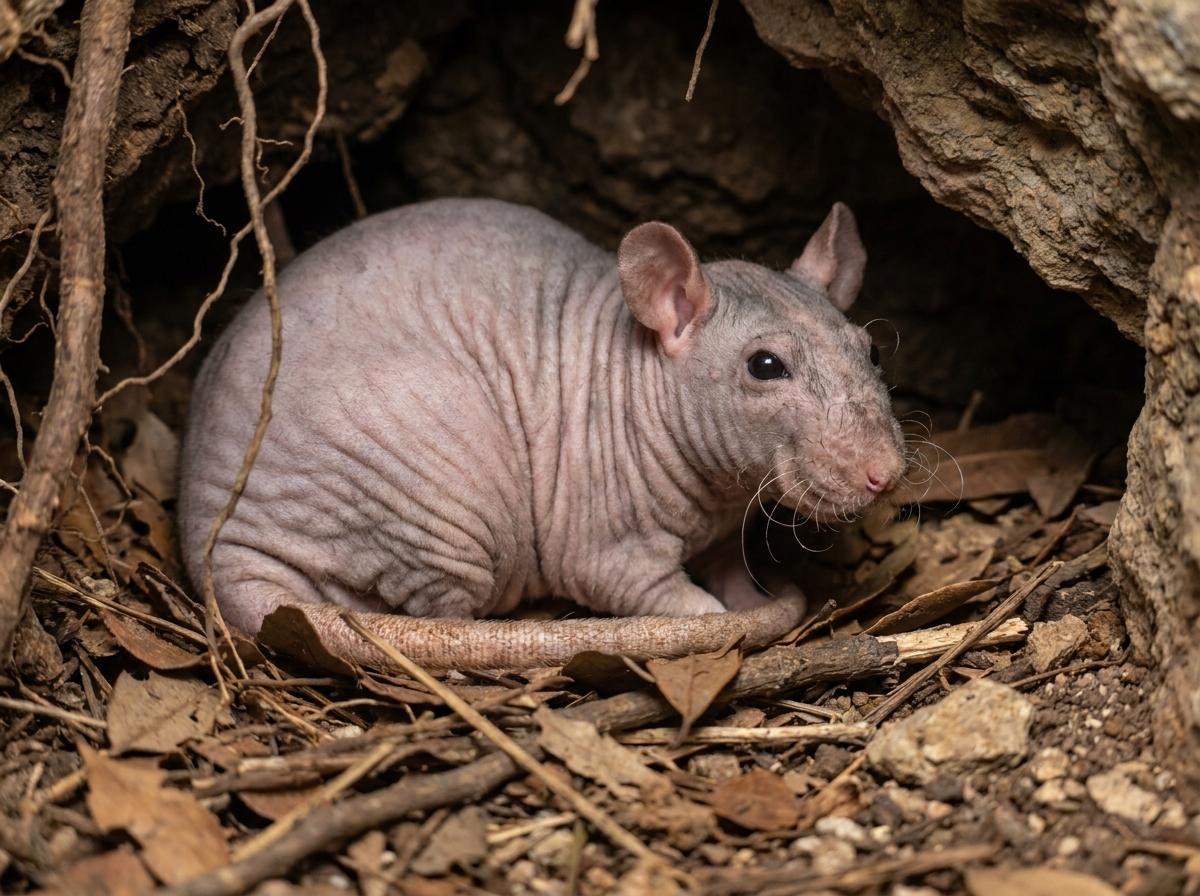
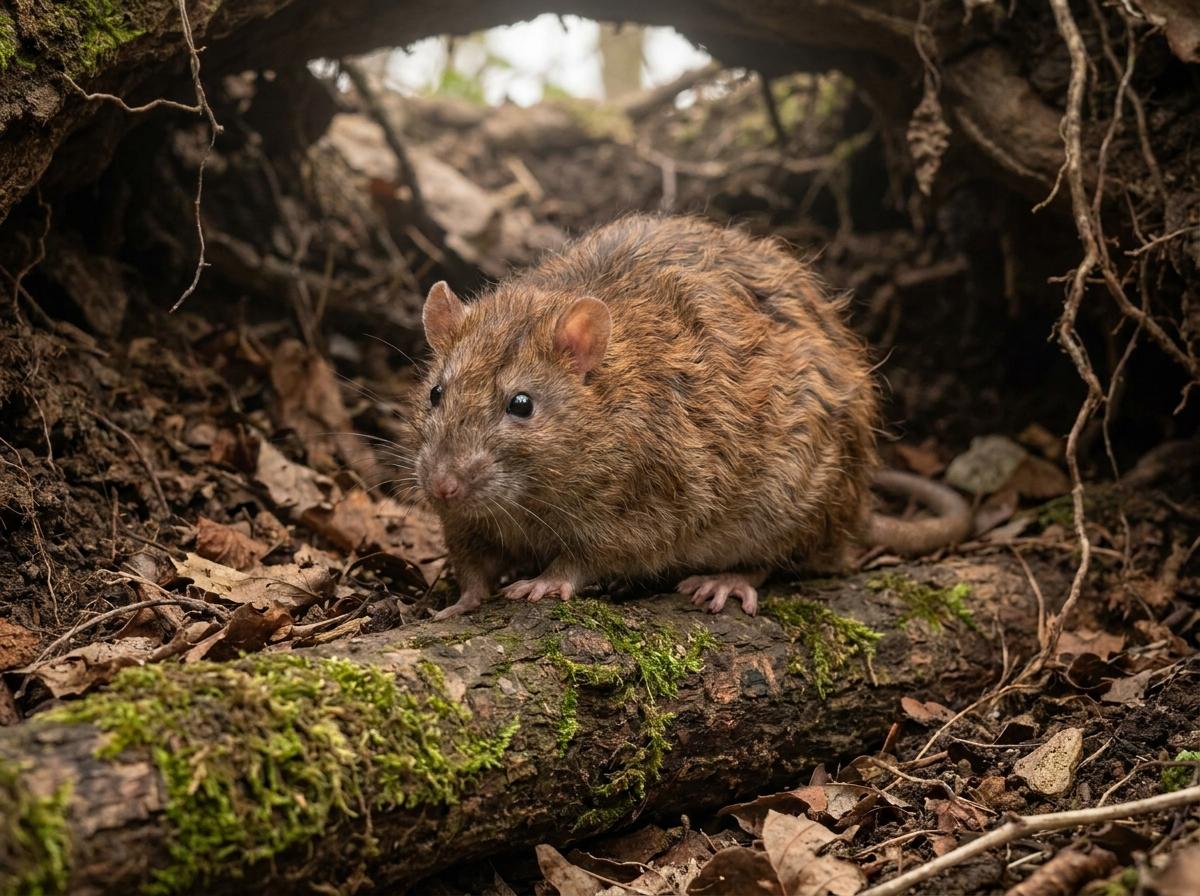
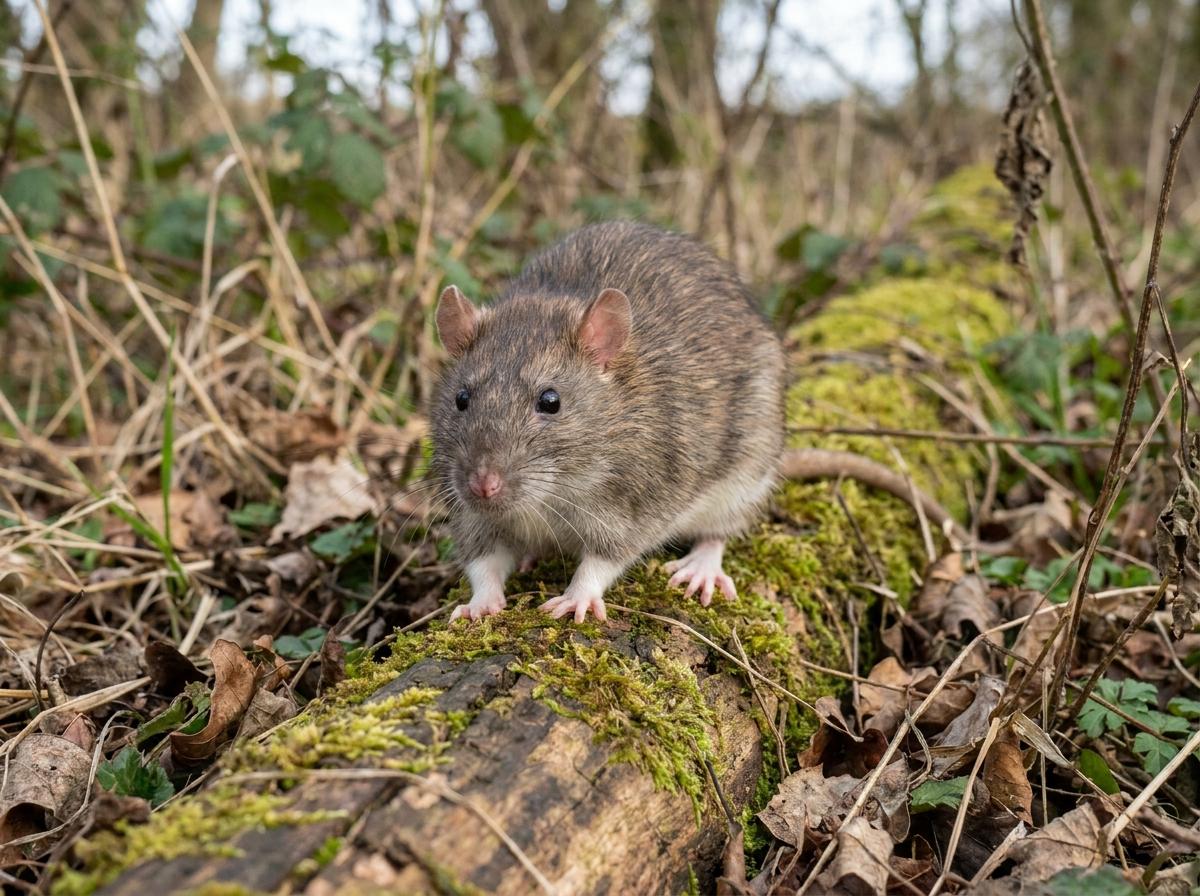
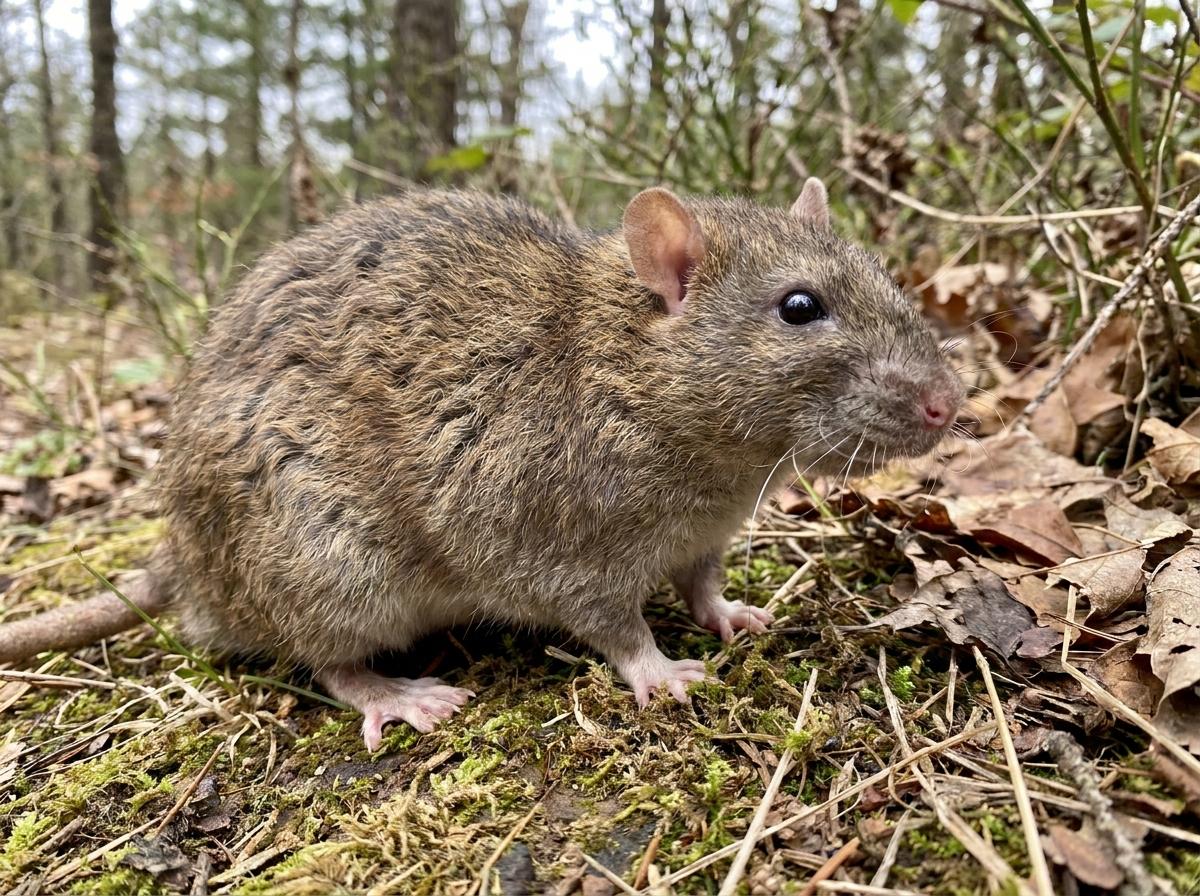
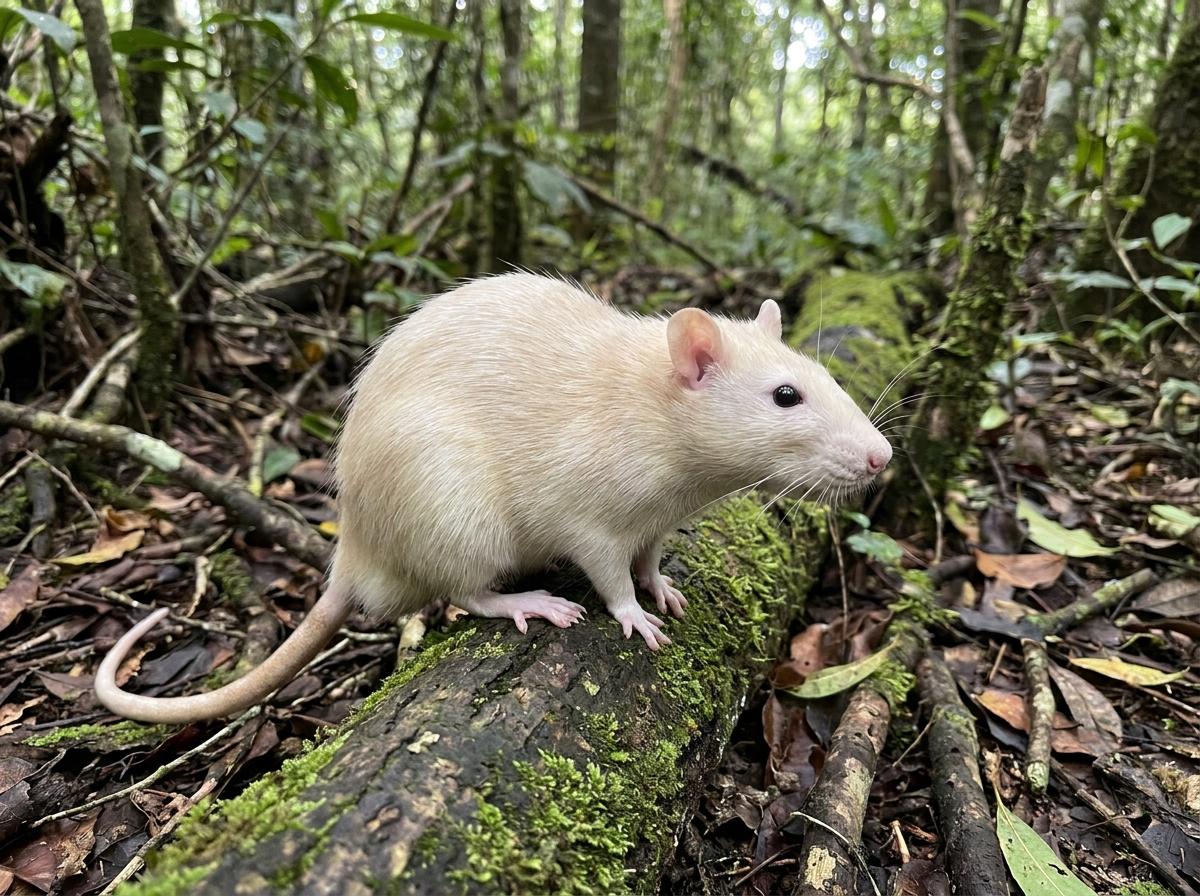
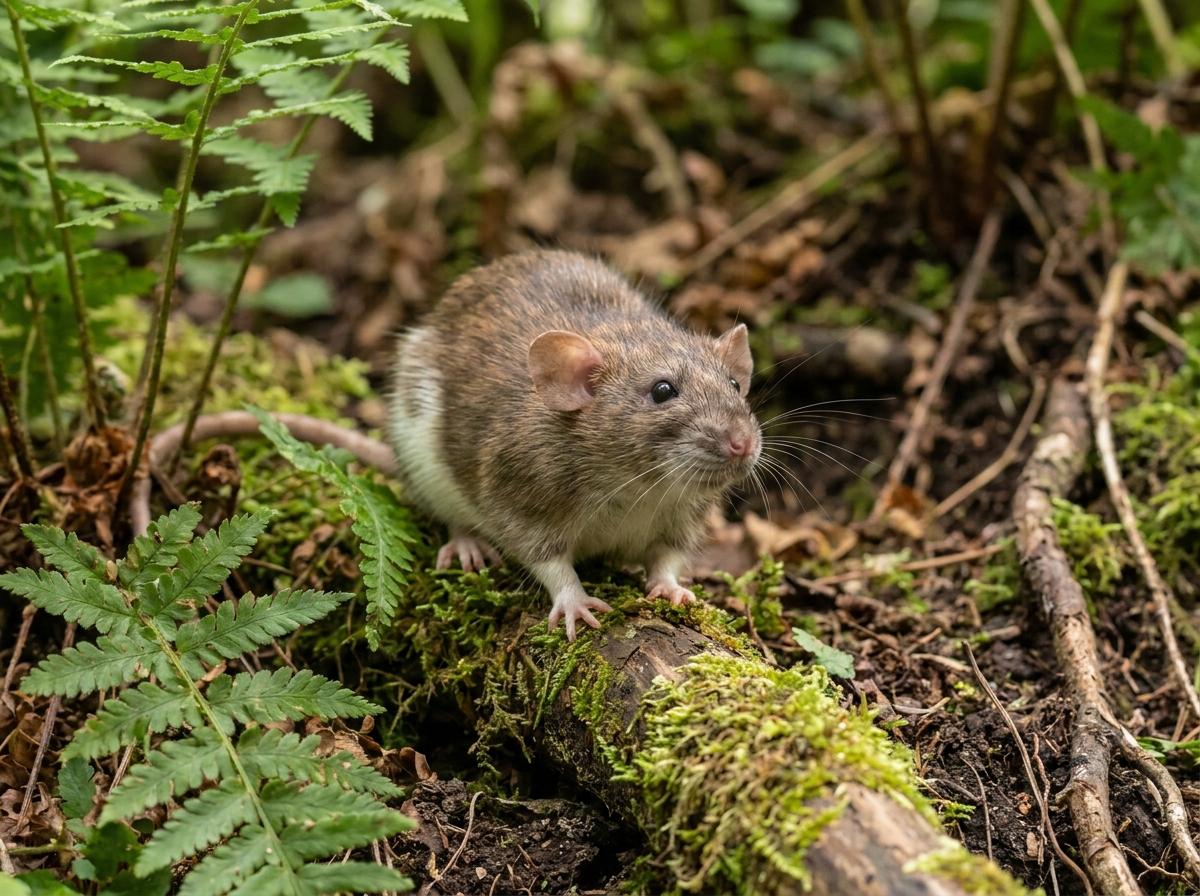
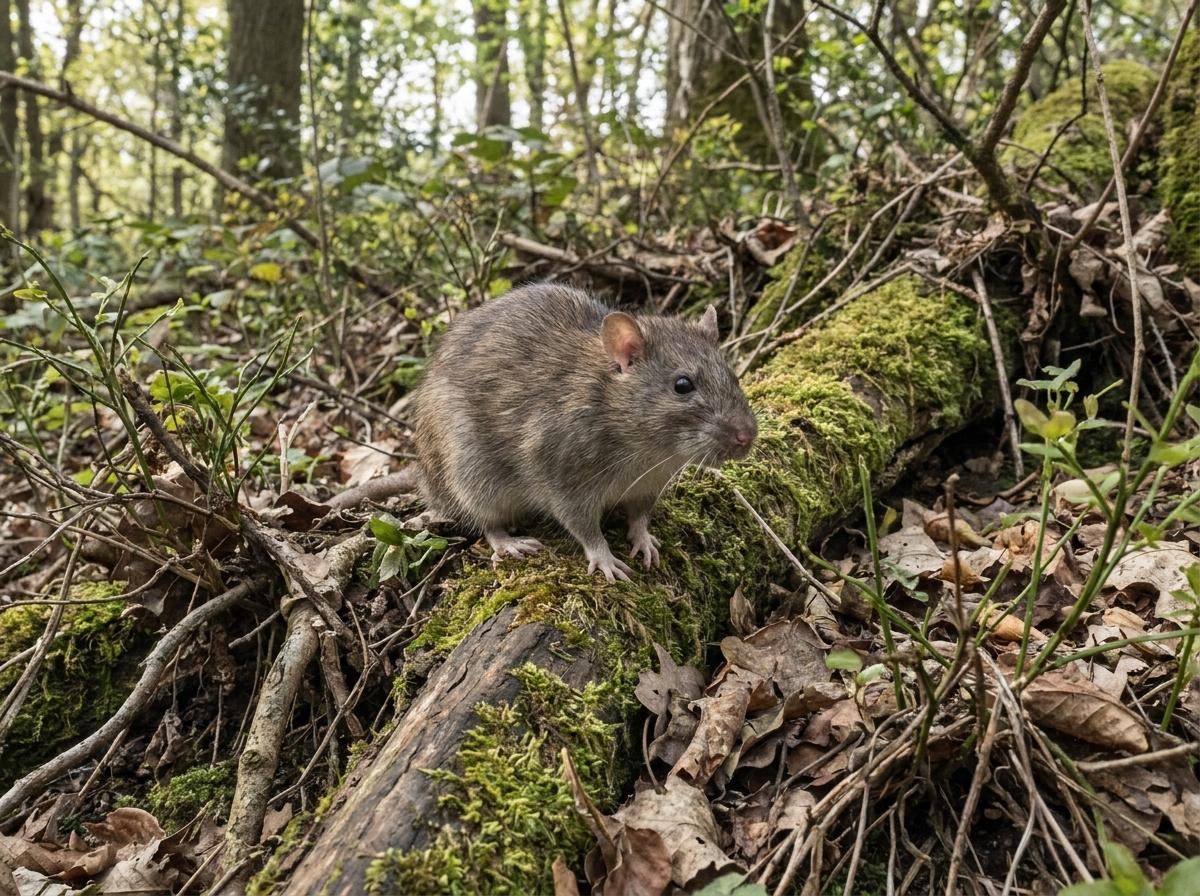
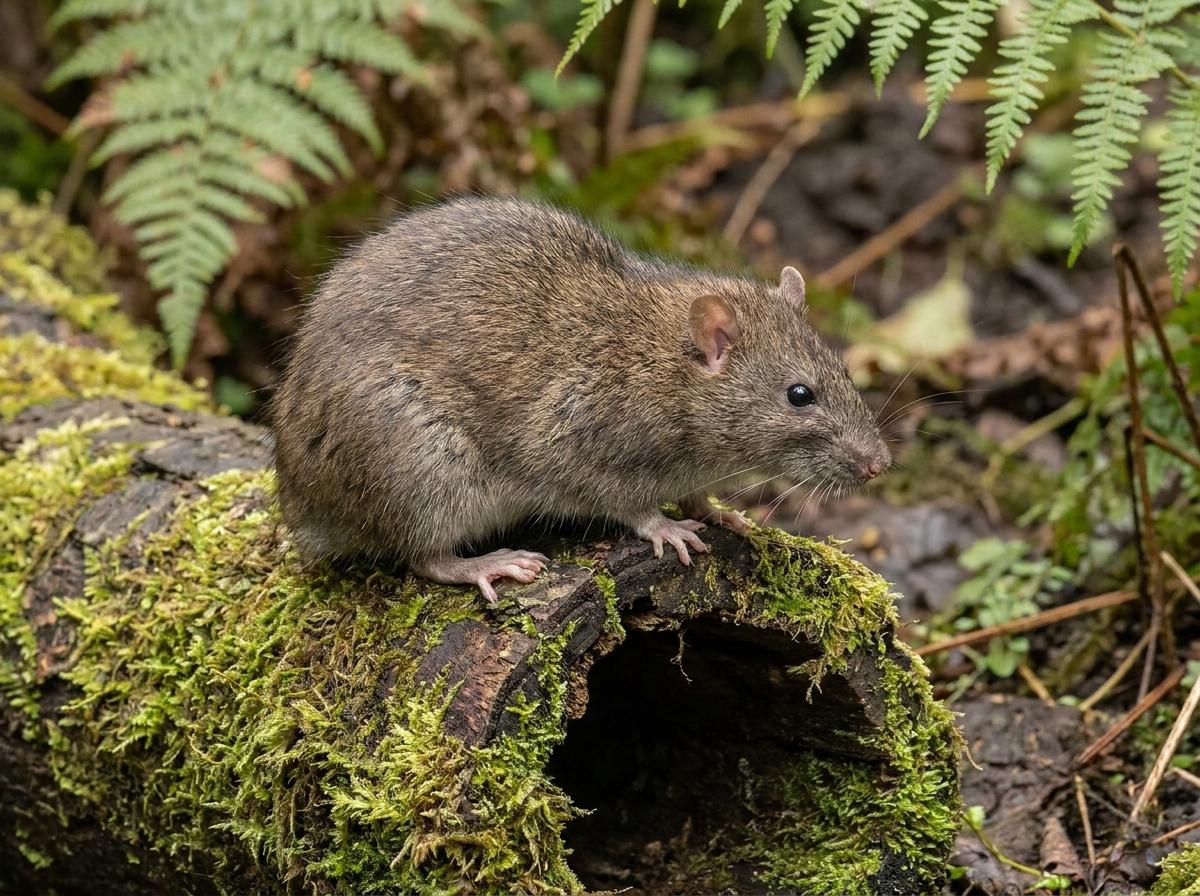
The Manx rat is a fancy rat with no tail. It is not a separate species, a size, or a color, but a tailless variety of the ordinary domestic pet rat (Rattus norvegicus), named after the tailless Manx cat. A Manx rat has a normal head, a normal short (or any) coat, normal whiskers, and a normal friendly rat personality, but its hindquarters end in a smoothly rounded rump, with either no tail at all or a short stub. That missing tail is the entire point of the variety, and it is also the reason the Manx rat is one of the most genuinely debated coats or body types in the rat fancy. The tail does real work for a rat, in balance and especially in cooling, and breeding deliberately for taillessness is linked to skeletal and other defects. This page explains what a Manx rat actually is, how the taillessness is inherited, the honest welfare picture (including why one major club will not even show them), and how to care for a tailless rat responsibly if you already have one.

Browse listings, public profiles, breeders, or add your animal.
What is a Manx rat?
A Manx rat is a domestic fancy rat that is born without a tail. Everything else about it is an ordinary pet rat. It comes in the full range of colors, markings, coat types, and ear sets, it has the same intelligence and sociability as any other rat, and it is kept for the same reasons. The only thing “Manx” describes is the absence of the tail and the rounded rump that goes with it. The name is borrowed directly from the Manx cat, the tailless cat breed from the Isle of Man, because the two share the tailless look and, as it happens, a similar set of health cautions.
The American Fancy Rat and Mouse Association (AFRMA), the main pet rat registry in the United States, lists Tailless among its recognized varieties and defines it simply as the “complete absence of a tail, similar to the Manx cats.” AFRMA standardized the variety in November 1993. It is worth being precise about the vocabulary here: rats do not come in “breeds” the way dogs or cattle do. AFRMA and other clubs classify pet rats by coat, body type, and ear type, called varieties, so “Manx” is best understood as a body variety rather than a breed. If you are comparing rat varieties, the broader Creatures rat species page is a good place to see where tailless sits alongside the standard, coat, and ear varieties.
The tailless look is not new to science. Anatomically tailless rats were documented in laboratory colonies as early as 1915 to 1917, when researchers at the Wistar Institute recorded a small number of tailless animals among tens of thousands of lab rats. The modern fancy variety is much more recent. AFRMA traces the first American tailless rat to February 1984, out of imported English Siamese stock, and English fancy breeders reported tailless rats around 1985. So this is a variety with roughly forty years of deliberate fancy breeding behind it, not a long-established type.
How the taillessness is inherited
This is where the Manx rat departs sharply from a simple coat variety like the Rex, whose single dominant gene behaves predictably. Taillessness in rats is genetically messy.
AFRMA is explicit that “taillessness is not a simple recessive characteristic.” Instead, the trait appears to arise from the interaction of several genes, and quite possibly other developmental and environmental factors, rather than from one clean dominant or recessive gene you can track through a litter. Some lines are more prone to throwing tailless pups than others (the Siamese line that came to the US in the 1980s was one), but tailless rats can also appear unexpectedly from crossing two unrelated tailed lines. In practice this means a breeder cannot reliably predict how many tailless pups a given pairing will produce, and cannot cleanly separate the taillessness from the defects that can travel with it.
The pairing most breeders report as workable is to cross a tailless male with a tailed female whose own father was tailless, which tends to yield one or two tailless pups in a litter. Breeding two tailless rats directly to each other is not recommended, and there is a specific, serious reason beyond the general defect risk: AFRMA notes that tailless females often have major difficulty giving birth, with some unable to deliver naturally, sometimes requiring a cesarean, and some effectively unable to breed at all. The modified pelvis that comes with taillessness is part of why.
The blunt version, in AFRMA’s own words, is that this “is not a variety for any but the most advanced and knowledgeable breeder.” That is not marketing caution. It reflects the fact that when you select for a missing tail, you are selecting near a cluster of developmental problems in the lower spine and pelvis, and the further you push it, the more of those problems you tend to get.
What a Manx rat looks like

A Manx rat is easy to identify because the defining feature is an absence rather than an added trait.
- No tail, or a short stub. A true Manx has no tail at all. Some tailless rats instead have a short residual stub. The tail is missing at the skeletal level: AFRMA describes tailless rats as born “with no tail vertebrae and with modified sacral and/or lumbar vertebrae,” so this is a bone-level difference, not just missing skin and fur.
- A rounded, cobby rump. Because the tail and its supporting vertebrae are absent, the back end is shortened and rounded, giving the Manx its characteristically cobby, guinea-pig-like rear. This rounded rump is the visual signature of the variety.
- An otherwise normal rat. The head, ears, whiskers, body, and coat are all ordinary. A Manx can be any color and any coat, because taillessness is inherited independently of color and coat texture. You can have a black hooded Manx, a cream Manx, an agouti Manx, and so on.
Some keepers describe tailless rats as especially outgoing, “kissy,” people-oriented, and bouncy. Treat that as breeder and keeper observation rather than an established behavioral fact, since personality in rats is shaped far more by socialization and handling than by the tail gene, and there is no rigorous study tying temperament to taillessness.
The honest welfare picture: what the tail does and why it matters
This is the most important section on the page, and it is why this variety deserves a careful, honest treatment rather than a cheerful one. A rat’s tail is not decorative. It does two jobs that matter a great deal to the animal, and a tailless rat has to live without both.
Cooling. Rats cannot sweat and do not pant effectively, so they shed excess body heat largely through the bare, blood-rich skin of the tail. The tail is a small fraction of the rat’s surface area, roughly 5 to 7 percent, but it can dissipate a strikingly large share of the animal’s heat, on the order of 17 percent and, under warm conditions, up to around a quarter of total heat production. Remove the tail and you remove the rat’s main radiator. Experimental work bears this out: when tailless and tailed rats were warmed, the tailless rats’ body temperatures rose several tenths of a degree higher and then took nearly an hour longer to cool back down to normal. In plain terms, a tailless rat overheats more easily and recovers from heat more slowly than a normal rat. This is the single most practical welfare consequence of the variety, and it drives the care advice below.
Balance. The tail also works as a counterweight and balancing organ. A rat uses it constantly to steady itself on narrow surfaces, to climb, and to right its body in mid-movement. Tailless rats are less stable on narrow surfaces, particularly when moving quickly, and lose the fine balance aid that a tail provides. Many manage climbing and everyday movement, but the margin for error is smaller.
Beyond cooling and balance, the more serious concern is what can accompany taillessness developmentally. Because the trait involves modified sacral and lumbar vertebrae and a changed pelvis, breeding for it is associated with a cluster of defects, and clubs and experienced breeders have documented these repeatedly. The reported problems include nerve impairment affecting bladder and bowel control, missing hip sockets and pelvic bones, fused pelvises, spine and leg problems, crooked or missing limbs, and hind-end paralysis. AFRMA’s own history of the variety notes that irresponsible breeding for taillessness sharply increased these problems, and that responsible breeders will discontinue an entire line if it starts producing affected pups.
Why the NFRS will not show tailless rats
The clearest institutional statement of the welfare concern comes from the National Fancy Rat Society (NFRS) in the United Kingdom, and it is worth quoting the position accurately because it is often misstated online.
The NFRS holds both the tailless (Manx) and the hairless (sphinx) under a regulation against showing harmful mutations: “Any mutation that the society deems harmful to the health of the rat shall not be shown in any class.” For the tailless rat specifically, the NFRS reasoning is that “tails are necessary for heat regulation and therefore tailless are more prone to heat exhaustion,” and it lists documented problems including nerve impairment affecting the bowels and bladder, and some animals missing hip sockets and pelvic bones. An earlier NFRS committee resolution described taillessness as “a defect” that runs “contrary to the fancy’s aims of propagating top quality stock.”
Two things are important for honesty here. First, this is a UK exhibition ban, not a UK ownership ban. The NFRS does not prohibit keeping, breeding, or selling tailless rats; it declines to award them show classes and does not allow them to be advertised on its Breeders’ List. Second, the two big registries genuinely disagree: AFRMA standardized the tailless variety in 1993 after seeing apparently healthy American lines, while the NFRS excludes it from the show bench. That disagreement is not a detail to paper over. It tells you this is a variety where thoughtful, animal-focused people have landed on different conclusions, and where the case for breeding purely for taillessness is, at best, unsettled.
None of this means a Manx rat cannot be a happy, well-loved pet. A tailless rat already in a home should be cared for like any cherished animal. But it does mean that deliberately breeding more tailless rats is a genuinely different ethical proposition from breeding a Rex or a hooded rat, and this page will not pretend otherwise or encourage it.
Caring for a tailless rat

If you already share your home with a Manx rat, the good news is that day-to-day care is mostly ordinary fancy rat care, with a few extra points that follow directly from the missing tail. Caring for a tailless rat is caring for a fancy rat, plus attention to temperature, footing, and the lower body.
Temperature is the priority
Because the tail is a rat’s main cooling organ, a tailless rat is more vulnerable to overheating and slower to recover from it. Keep tailless rats in a comfortably cool, well-ventilated room, well away from direct sun, radiators, and hot windows, and be especially careful in summer or in any warm climate. Never leave a rat in a car or a hot room. In hot weather, keepers commonly cool the space with good airflow, ceramic tiles or a wrapped frozen bottle for the rat to lie against, and cool (not icy) water always available. Watch for early signs of heat stress such as lethargy, sprawling out flat, or labored breathing, and act quickly to cool the rat down and contact an exotics veterinarian. This vigilance matters more for a Manx than for a normal rat.
Housing and footing
Rats need a roomy, well-ventilated wire cage with solid or well-covered floors, since wire floors can cause foot problems. Give plenty of climbing space, hammocks, hides, and tunnels, but bear in mind a tailless rat has less balance help, so favor stable, broad platforms and shorter drops over precarious high perches, and provide soft landing surfaces below climbing areas. Use a dust-free, absorbent, paper-based bedding rather than pine or cedar shavings, whose aromatic oils are commonly flagged as respiratory irritants for small animals, and keep the cage clean and dry, because ammonia from soiled bedding is hard on a rat’s sensitive airways.
Companionship, diet, and handling
Every welfare point that applies to normal rats applies here. Rats are highly social and should never be kept alone; plan on at least a same-sex pair or small group so no one is isolated and you are not risking accidental litters. A tailless rat can live perfectly happily with tailed cage mates. Feed a complete commercial rat pellet or a well-formulated lab block as the base, which prevents the selective eating that comes with loose seed mixes, then add small amounts of fresh vegetables and occasional treats, with clean water always available. Handle your rats gently and often; regular contact is how you notice weight changes, lumps, or breathing trouble early, and it is also how a rat becomes the confident, affectionate companion the species is known for.
Watch the lower body and defer to a vet
Given the skeletal and nerve issues associated with taillessness, pay particular attention to the hind end. Check that your Manx rat is passing urine and droppings normally, moving its back legs well, and keeping its rump clean, since impaired bladder or bowel control and hind-leg weakness are among the documented problems in some tailless lines. Any sign of incontinence, hind-limb weakness or dragging, or difficulty toileting warrants a prompt visit to an exotics or small-mammal veterinarian. As with all rats, defer every medical decision to that veterinarian, and keep written records of weight, symptoms, and treatments so a problem is caught while it is still small.
Health and lifespan
A Manx rat’s health starts from the same baseline as any fancy rat and then adds the tailless-specific cautions above. Two conditions dominate the veterinary literature for pet rats in general: chronic respiratory disease, often associated with Mycoplasma, and tumors, especially mammary tumors in unspayed females. Any sneezing, labored breathing, or porphyrin (the red-brown discharge around the eyes and nose that people often mistake for blood) warrants a veterinary visit, and lumps should be checked early, since many mammary tumors can be removed successfully when caught in time. Rats do not need routine vaccinations, but veterinary sources such as VCA recommend at least an annual wellness exam, moving to twice a year as the rat ages.
Lifespan is short and is not changed by taillessness itself: a fancy rat, tailless or not, typically lives roughly 2 to 3 years, with some well-cared-for individuals reaching a little beyond that. Going in clear-eyed about that short life, and about the near-certainty of some veterinary care along the way, is the honest starting point for adopting any rat, and doubly so for a variety that carries extra risk in the lower body.
Finding, buying, or adopting a Manx rat

Manx rats are less common than everyday coat varieties, precisely because responsible breeders treat the variety with caution and one major club will not show it. When you do find one, buy or adopt on evidence and on the health of the individual animal, not on the novelty of a missing tail.
- Prioritize a trusted, careful source. Because taillessness is linked to defects, the source matters more here than for almost any other variety. A responsible breeder should be able to explain the pairing, confirm they do not breed tailless to tailless, and tell you honestly about any health problems in the line. Adopting a tailless rat that needs a home from a rescue is often the kindest route, since it meets a need without creating demand for more breeding.
- Check the hind end specifically. Beyond the usual health check, watch the rat move, and confirm it uses its back legs normally, toilets normally, and has a clean rump. Weakness, dragging, or soiling around the back end is a reason to pause and ask questions.
- Do the normal rat health check too. The rat should be bright, active, and breathing quietly, with clean eyes and nose (no crusty red porphyrin), a clean coat, and no lumps. Sneezing, wheezing, or labored breathing is a reason to slow down.
- Get more than one. Since rats must live socially, plan to bring home at least a pair, and a same-sex pair avoids litters. A Manx pairs fine with tailed rats.
- Think hard before breeding. If you are considering producing tailless rats yourself, the honest advice from the fancy is not to, unless you are a highly experienced breeder who understands the genetics, can manage the birthing difficulties in tailless females, and will cull an entire line rather than perpetuate defects. This is not a beginner project, and for most keepers it is not a project at all.
You can browse current listings on the Creatures rat marketplace and look for small ratteries and rescues in the Creatures breeder and rescue directory. Because Manx rats are uncommon, a saved listing alert (below) is often the most practical way to hear about one, including rescues looking to rehome a tailless rat, when it becomes available.
Frequently asked questions
Is a Manx rat a separate breed or species?
No. A Manx rat is an ordinary domestic fancy rat (Rattus norvegicus) that happens to be tailless. Rats do not come in breeds; clubs classify them by variety. “Manx” or “tailless” describes the missing tail and rounded rump, not a breed, size, or color.
Why is the Manx rat named after a cat?
The name is borrowed from the Manx cat, the tailless cat breed from the Isle of Man, because the rat shares the tailless look. The two also share a theme of tail-related health cautions, though the underlying genetics are not the same animal-to-animal.
Are tailless rats unhealthy or cruel to keep?
A tailless rat already in a home is not cruel to keep and can live a happy, well-cared-for life, though it needs extra attention to keeping cool and to its hind-end health. The ethical concern is with deliberately breeding for taillessness, because it is linked to skeletal and nerve defects and to birthing difficulty in females. That is why the NFRS will not show the variety and why AFRMA warns it is only for the most advanced breeders.
Why do tailless rats overheat more easily?
A rat’s tail is its main cooling organ, shedding a large share of body heat through its bare, blood-rich skin, and rats cannot sweat or pant effectively. Without a tail, a rat sheds heat much less efficiently, so a Manx rat overheats more easily and takes longer to cool down. Keeping the room cool and well ventilated is the most important part of Manx care.
Can Manx rats climb and balance normally?
Less well than a tailed rat. The tail works as a counterweight and balancing organ, so tailless rats are less stable on narrow surfaces and when moving fast. Many manage everyday climbing, but it is wise to favor broad, stable platforms, shorter drops, and soft surfaces below climbing areas.
Can Manx rats be kept alone?
No. Like all fancy rats, they are highly social and should be kept in at least a pair or small group. A lone rat is prone to stress and behavioral problems. A tailless rat lives happily with tailed cage mates.
How long do Manx rats live?
About 2 to 3 years, the same as any fancy rat. Taillessness does not shorten lifespan on its own, though the defects sometimes linked to it can affect an individual rat’s health and comfort.
Do this next on Creatures
Whether you are researching the tailless variety, giving a Manx rat that needs a home a good life, or already keeping tailless rats, Creatures is the records, marketplace, and directory layer to do it in one place. If you are still comparing rat varieties, the rat species page and the sister guides to the Rex (curly) rat and the double Rex rat are good next reads.
Find a rat. Browse Manx rats on the marketplace and search trusted small ratteries and rescues in the Creatures directory. New to the marketplace? See saving searches and using your watchlist.
Get alerted. Manx rats are uncommon, so set a free Manx rat listing alert and we will tell you when one, including a rescue rehome, is posted. No account needed to start.
Add your rats. Already keeping tailless rats? Create a free animal profile for each one in a few minutes. No account needed to start, and the walkthrough is in adding an animal to Creatures.
Track weight and health. Tailless rats need close attention to temperature and hind-end health, so a running weight and symptom log helps. Add a health record on Creatures. The record sheet opens for any visitor to look around, and a free account saves what you enter. See adding a record and health and medical records for the full how-to.
Never miss care. Set weigh-in and wellness-exam reminders so an annual (then twice-yearly) vet check does not slip. Learn how in reminders and upcoming care.
Run a rattery or rescue? If you rehome or responsibly work with rats, set up a free organization profile so adopters can find you. No account needed to start.