



Rex
A rex rat is an ordinary pet rat wearing a different coat. One dominant gene puts a crimp in every hair, and the fastest way to confirm one, in a shop or on a breeder’s table, is not the fur at all. It is the whiskers. A rex grows whiskers that kink and curl instead of running straight, from the moment they first appear. Everything else is standard domestic fancy rat (Rattus norvegicus domestica): the size, the colours, the ear sets, the temperament, the short life. Creatures files rex in the breed slot on the rat species page because that is where the site keeps coat varieties, but rex is not a breed the way a Labrador is a breed. It is one gene, and it can sit on any rat.
That changes what to shop for. There is no rex temperament to buy and no rex care regime. What buyers get wrong is the line between rex, double rex and truly hairless, and what a curly six week old will look like at six months.

Browse listings, public profiles, breeders, or add your animal.
How to spot a rex in ten seconds
Start at the face, not the back.
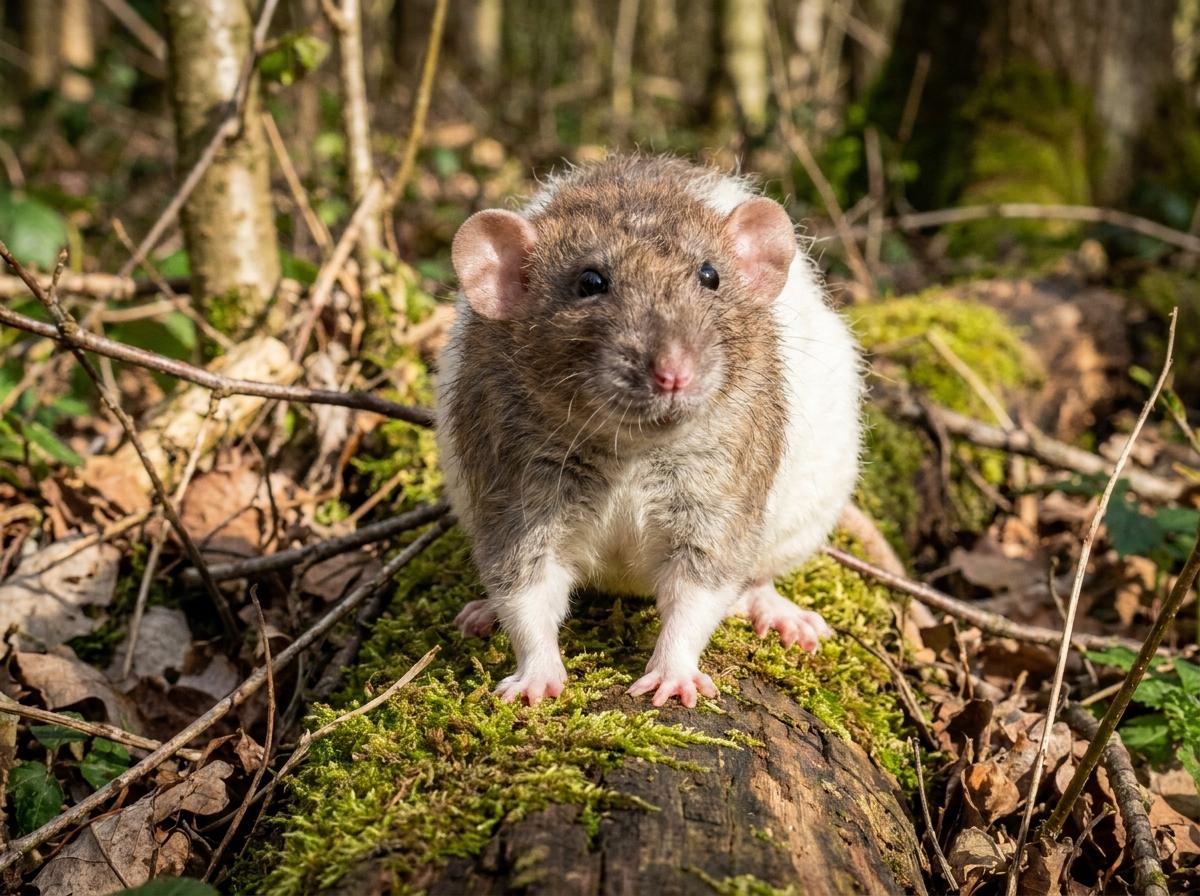
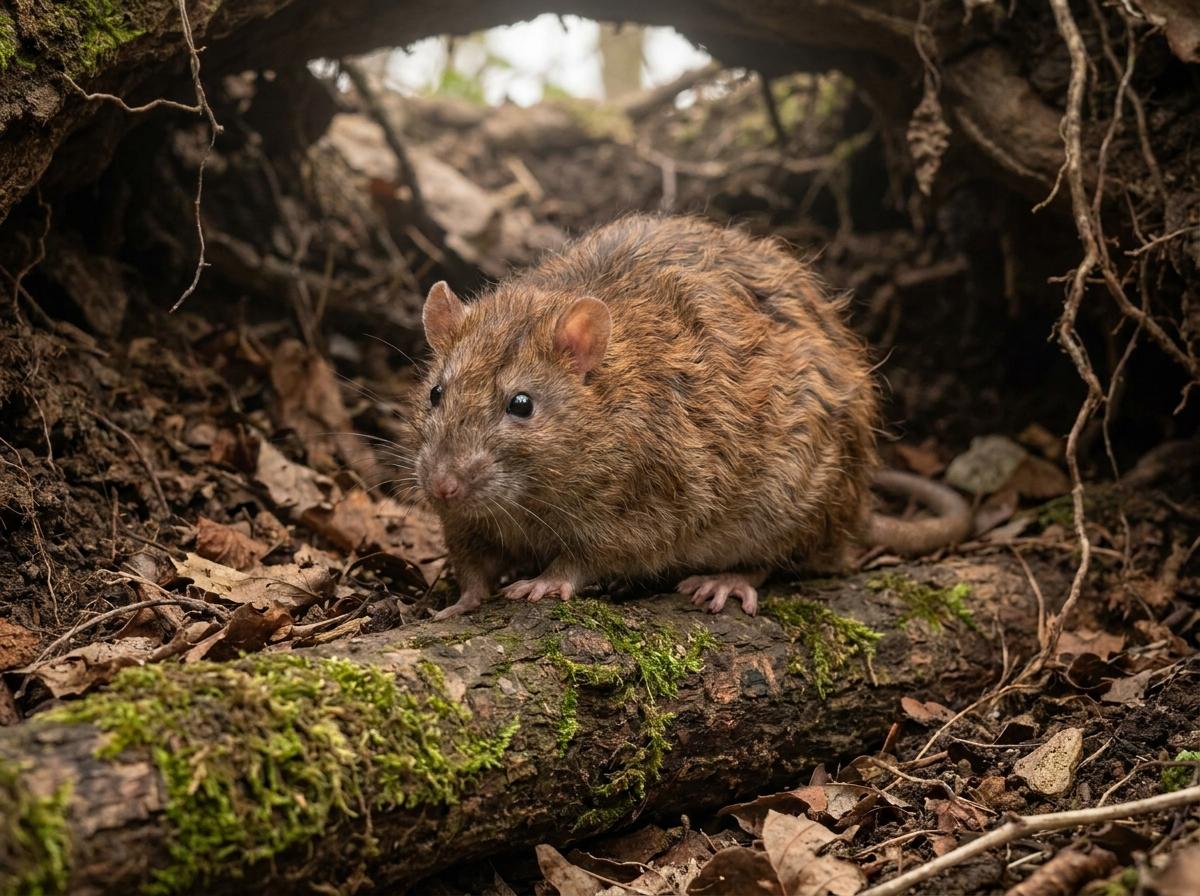
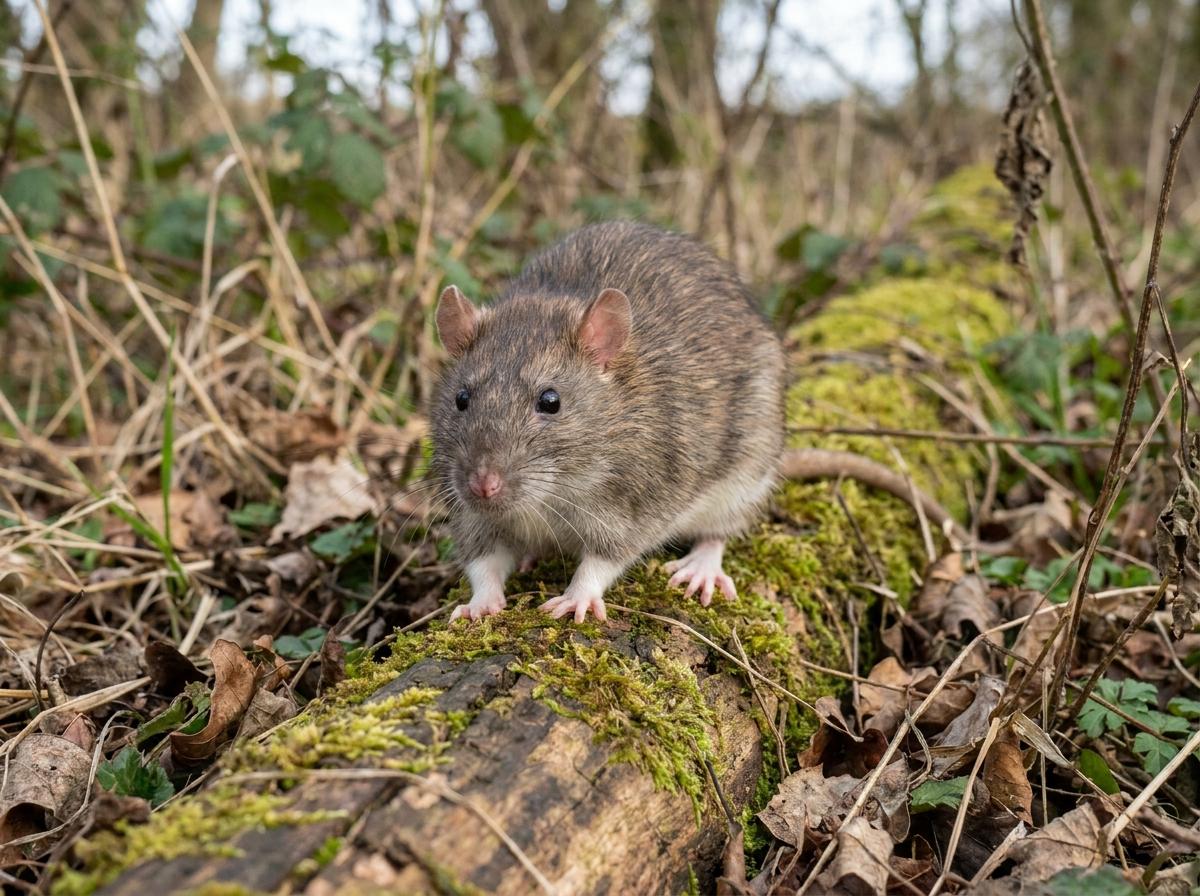
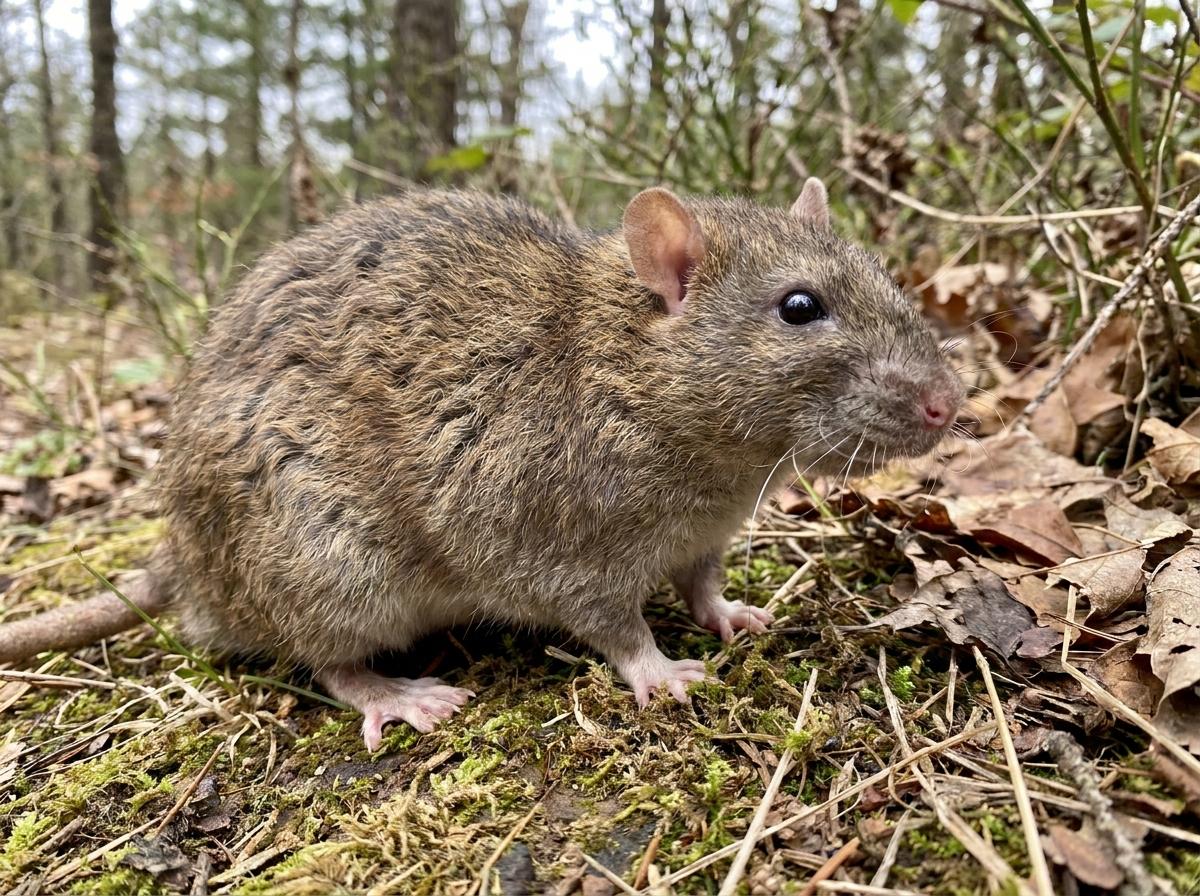
The whiskers are the giveaway. Rex whiskers kink, wave and hook back on themselves rather than projecting straight out, and they are usually shorter than a normal rat’s. The National Fancy Rat Society standard says it flatly: “Curly vibrissae (whiskers) are normal for Rex.” Breeders use this to pick rex kittens out of a litter long before the coat means anything.
The coat should be crimped and even, not patchy. The NFRS asks for a coat “evenly dense and not excessively harsh, with as few long guard hairs as possible” and “evenly curled and also to a lesser extent on the belly.” Run a hand along a good one and it feels plush and slightly woolly, with the long coarse guard hairs of a standard coat largely missing. The listed faults are “bald patches and lack of curl”, with a note that “some leeway should be given for does”. Even the people writing the standard expect females to carry less coat.
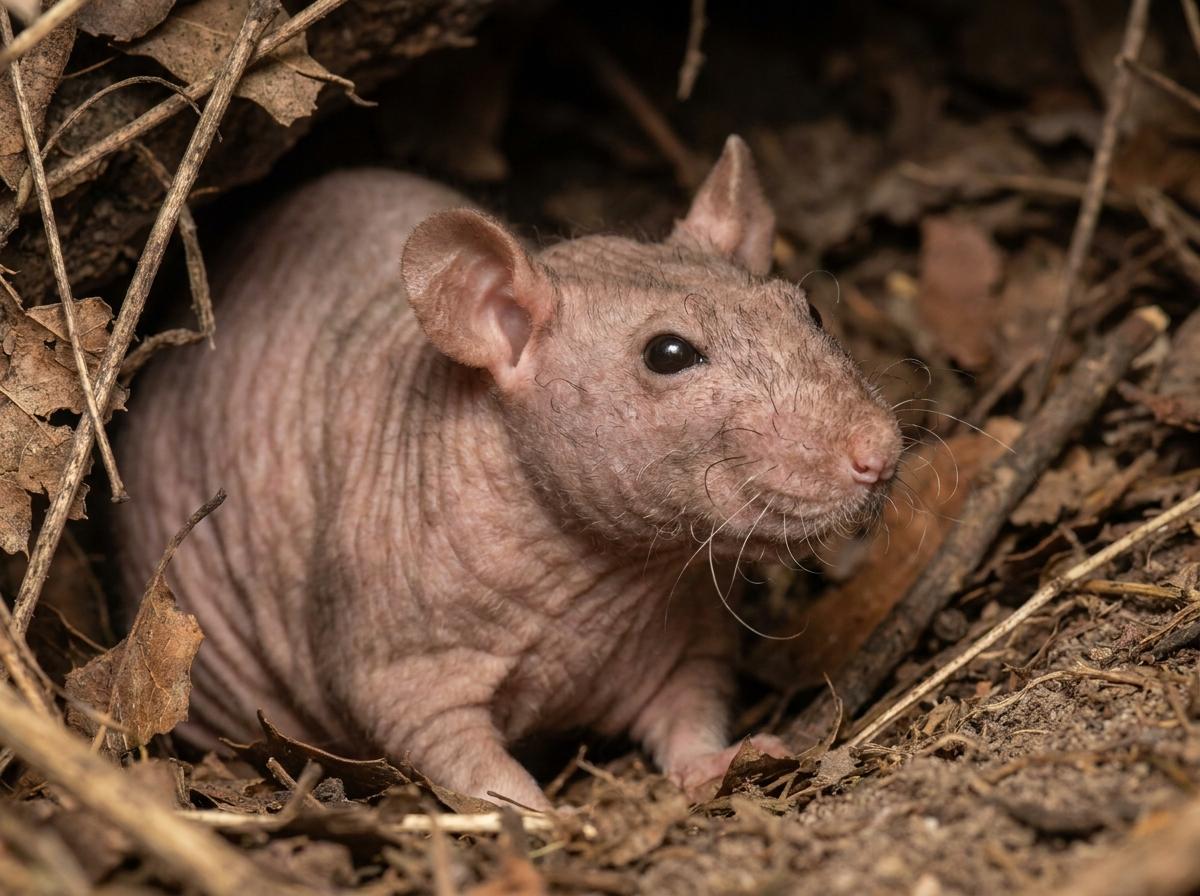
A rex is fully furred. No bare skin, no pink patches. Visible bald areas mean you are probably looking at a double rex or a hairless rat, and the difference matters for how you keep it.
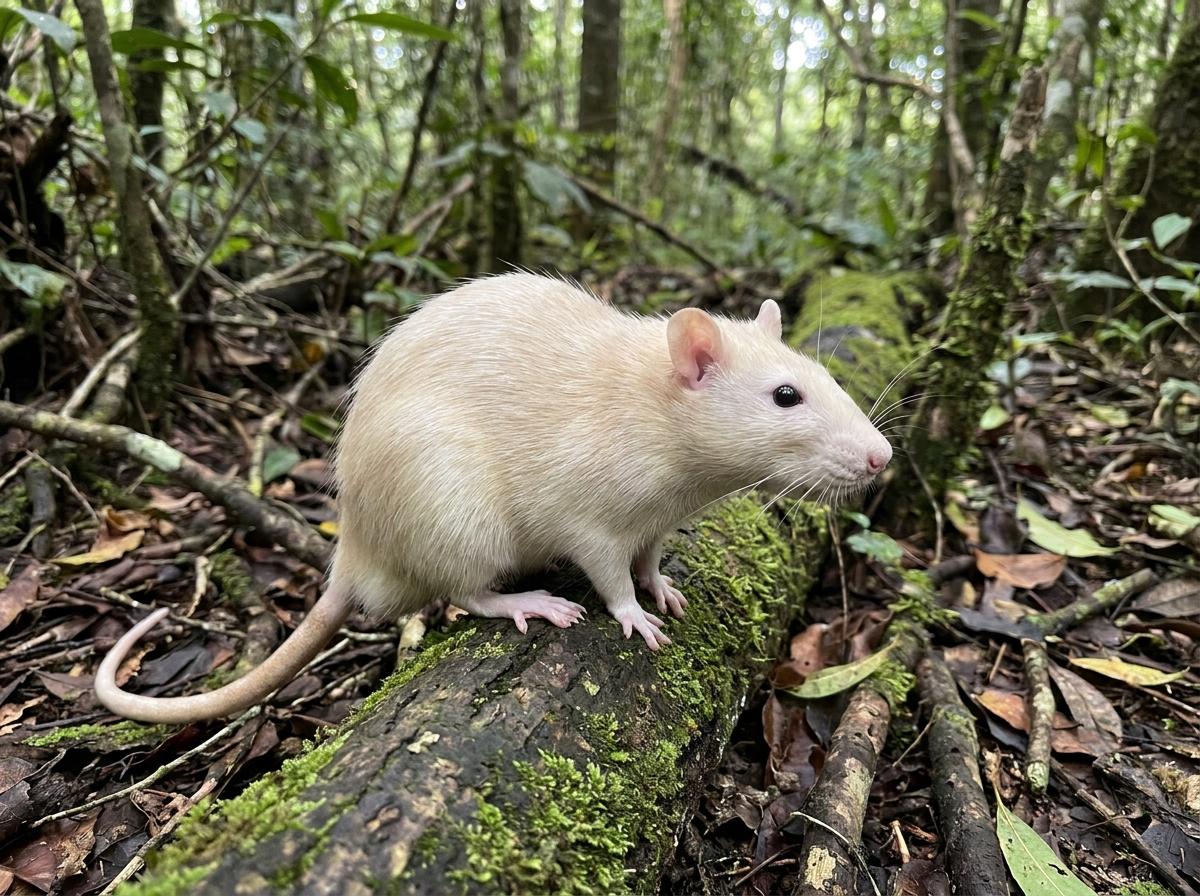
Colour, markings and ears are unrelated. Rex is inherited independently of colour and pattern, so agouti, black, blue, champagne, hooded, berkshire and Irish rex rats are all ordinary, as is a rex with dumbo ears.

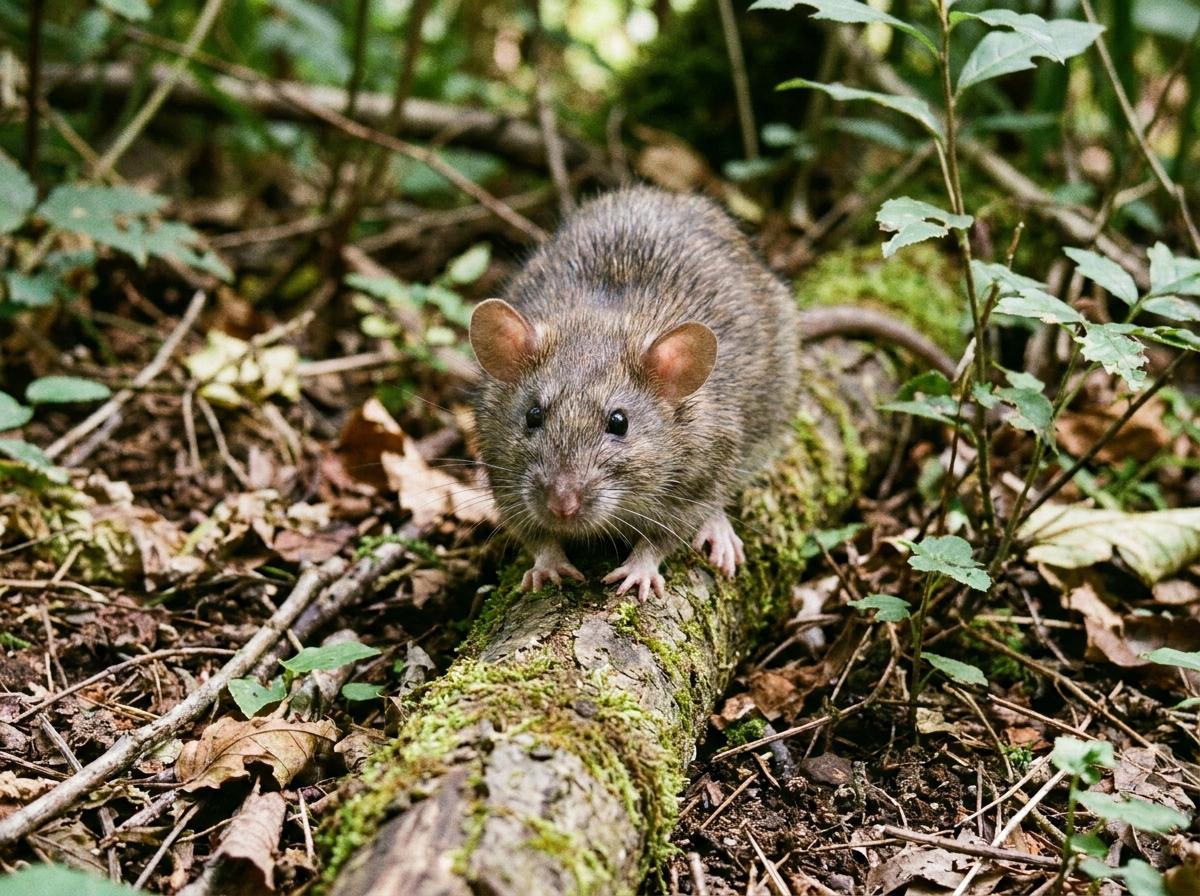
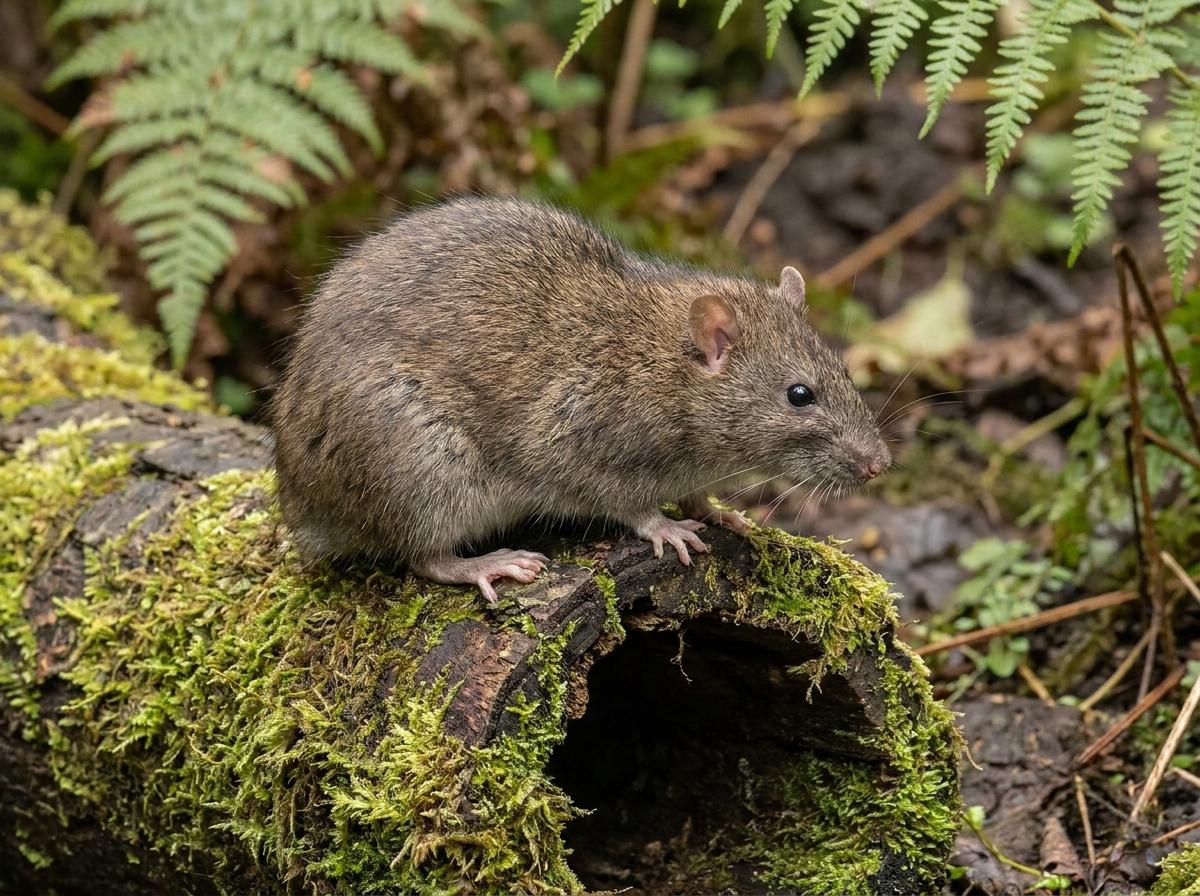
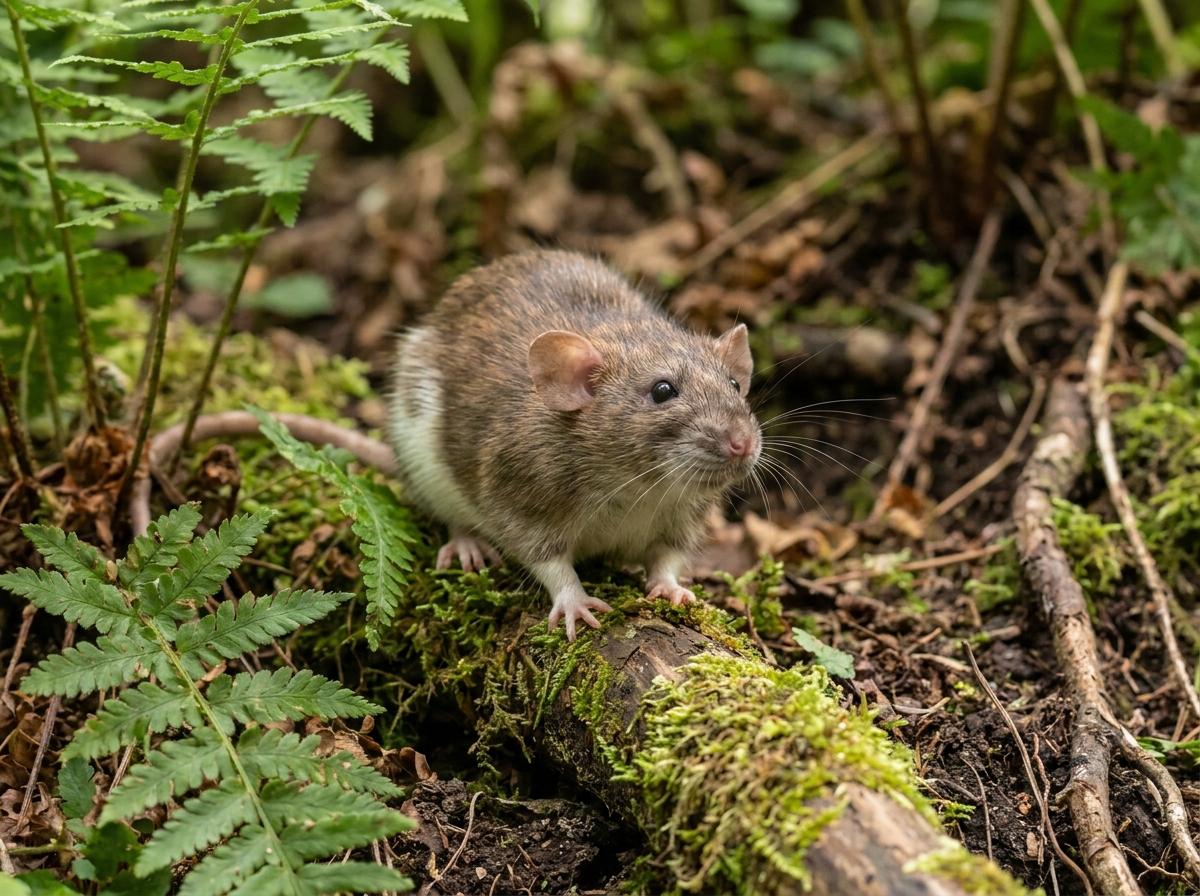
Left, a rex coat. Right, a standard coat on the same colour. The whiskers are the faster tell.
Rex is a coat, not a breed
Pet rats do not have breeds in the dog or cattle sense. There are no closed herdbooks, no societies each guarding a separate population, no rex line reproductively isolated from other rats. What the fancy has instead is a catalogue of varieties: coat textures like rex and satin, body and ear types like dumbo and manx, and a long list of colours and markings. Any of them stack on any rat. A blue hooded dumbo rex is not a hybrid of four breeds. It is one rat carrying four independent traits, which is why the same breed field on this site also holds dumbo eared rats and satin coats. Read it as a shelf label.
What the rex gene actually does
Most pages stop at “it is a dominant gene.” The genetics goes considerably further, and the detail explains both the whiskers and the double rex.
In 2010 a group at Kyoto University’s Institute of Laboratory Animals went looking for mutations the pet fancy had produced. They gathered nine out of fancy rat stock, including rex, satin and dumbo, mapped rex to rat chromosome 7, and concluded that all of the mutations in the set were probably unique to the fancy rat (Kuramoto and colleagues, Experimental Animals, 2010). Later the same year they pinned rex down to the base pair: a seven base pair deletion at the splice acceptor site of intron 1 of keratin 71 (Krt71), removing six amino acids from the rod domain of the KRT71 protein. Their summary of the phenotype reads, “The rat autosomal dominant Rex (Re) mutation on chromosome 7 causes curly hair in Re/+ and hair loss in Re/Re rats” (Kuramoto and colleagues, Journal of Veterinary Medical Science, 2010). Under the microscope a single rex has dilated follicles and hairs with an irregular cuticle. In a double rex the same damage is worse.
The fancy’s old rule of thumb and the molecular work agree, which is not always how these stories end.
Why the whiskers curl too
KRT71 is not a hair keratin. It builds the inner root sheath, the sleeve of cells inside a follicle that hardens around a growing hair and moulds its shape on the way out. Break the mould and the hair emerges bent. Work on the same gene in mice found filamentous aggregates in Henle’s and Huxley’s layers of that sheath, and those animals grew a wavy coat and curly vibrissae together (Runkel and colleagues, Mammalian Genome, 2006).
The rat paper describes coat and follicle, not whiskers, so treat this as the best available explanation rather than a demonstrated rat result. It fits: a whisker grows from the same kind of follicle as a body hair, only bigger and far better supplied with nerves.

What “dominant” means when you pair rats
Dominant means one copy is enough to show. In practice:
- Rex bred to a standard coated rat gives roughly half rex and half standard kittens, and cannot produce a double rex. This is the pairing responsible breeders use.
- Rex bred to rex averages one quarter double rex, one half rex and one quarter standard. A quarter of that litter gets the sparse coat.
- A standard coated rat out of a rex litter does not carry rex. With a dominant gene there is no hidden carrier. As the American Fancy Rat and Mouse Association puts it in its Rex variety article, “if it is there, you can see it.”
So there is no such thing as a “rex carrier” that throws a surprise curly litter two generations later. What you can get is a poorly curled rex whose coat reads almost smooth, which is why the whiskers stay the check of record.
What is established, and what just gets repeated
Two claims circulate as fact and should not.
The first is that any curly pet rat is a rex. Roy Robinson’s survey of rat genetics listed several separate genes that curl hair, among them curly-1, curly-2, kinky, shaggy and cowlick, each with its own timing and effect on the guard hairs. AFRMA’s own article on the variety says the fancy may be sitting on more than one of them without knowing, because they produce similar looking coats. A distinct curly whisker mutation has also been described in Wistar derived stock (Fujii and colleagues, Congenital Anomalies, 2003). Rex is a specific mutation. “Rex” on a sales listing is a description of a look, and the two are not guaranteed to match.
The second is that a rex rat is the same thing as a rex rabbit or a Cornish Rex cat. It is not. Rex short hair in rabbits was shown to be controlled by three distinct loci, and the common rabbit rex coat, the r1 locus, comes from a single base deletion in exon 9 of LIPH and needs two copies to appear (Diribarne and colleagues, PLoS One, 2011). The Selkirk Rex cat carries a splice variant in KRT71 and its curl is dominant (Gandolfi and colleagues, Scientific Reports, 2013), while the Devon Rex and the Sphynx sit at different points of an allelic series at that same gene (Gandolfi and colleagues, Mammalian Genome, 2010). The Cornish Rex is a different gene again: a four base pair deletion in LPAR6, fixed in that breed and absent from every straight coated cat tested (Gandolfi and colleagues, PLoS One, 2013). So of the three cat breeds people reach for when they say “rex”, one of them is not even on the rat’s gene. “Rex” is just the word breeders reached for whenever a curly coat turned up in a new species. Sometimes the gene underneath really does match, as it does between the rat and several cats. Often it does not.
Rex, double rex and hairless
These three get mixed up constantly, and a patchy coated rat is very often mislabelled hairless.
- Single rex (Re/+). Fully coated, evenly crimped, curled whiskers. The rex the standard describes.
- Double rex (Re/Re). Two copies. Not more coat, less. AFRMA describes these animals as ranging from “nearly hairless to haired with a very thin patchy coat”, and the Kyoto work found the same follicle damage as a single rex, only worse. Keepers commonly describe the coat shedding and regrowing in shifting patches, which is where the name patchwork comes from. That cycle is not documented in the published work, so take it as fancy lore rather than an established finding. What the sources do establish is the range: a double rex runs anywhere from nearly hairless to very thinly and unevenly haired. The double rex rat guide covers the pattern and its care.
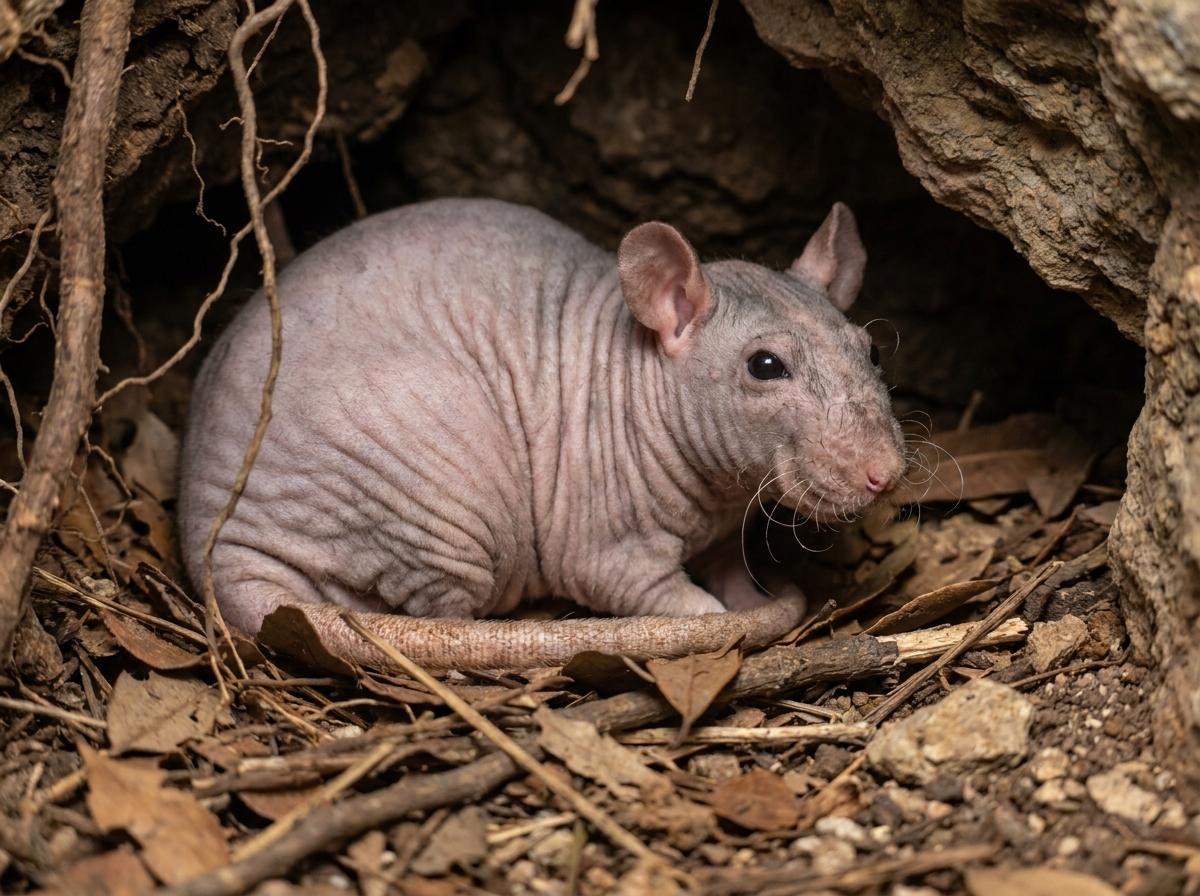
- Hairless. A different gene entirely, and generally recessive rather than dominant. A hairless rat is much more consistently bare, often with light fuzz on the face and feet, rather than unevenly patchy. Skin doing the coat’s job brings its own warmth and housing considerations.
The practical rule: curly and fully coated is a rex, thinly and unevenly coated is usually a double rex, steadily bare is usually a hairless rat. AFRMA advises against deliberately pairing rex to rex, which is a fair question to put to any breeder.
What the coat does over a rat’s life
A rex coat is not fixed, and knowing the trajectory saves a lot of worry.
Kittens are the curliest they will ever be, often coming up with a tight, almost sheep like fleece. Then the first moult into the adult coat arrives at roughly six to seven weeks and, in AFRMA’s blunt description, “their curl almost disappears. Instead of curl, they have kind of wavy hair.” Most rats never get the tight curl back. The occasional buck does, and those animals are what show breeders chase. By six months you know what you actually have, which is why breeders hold promising babies that long before deciding.
Then coats thin. AFRMA notes that by about eighteen months many rex coats are very thin with bald patches, and the NFRS lists bald patches among the faults while allowing does more slack. None of that is illness on its own, which is exactly why a rex owner should watch the coat more closely rather than less. Age related thinning looks a lot like fur loss from mites, ringworm, barbering by a cage mate, or a hormonal problem. Slow, even thinning from eighteen months is one picture. A patch dropped in a fortnight, or hair loss that is itchy, one sided, or paired with scabs, weight change or a change in behaviour, is a veterinary question and not “just the rex coat”.
The care that actually matters
None of what follows is rex specific. That is the point.
Never keep one rat alone
This is not a preference. The Merck Veterinary Manual is direct that rats are “very social creatures” who “appreciate being in a group”, and the research bar sits higher than that: rats learn to open a restrainer and free a trapped cage mate for no reward at all, and when a second restrainer holds chocolate they open both and usually share it (Ben-Ami Bartal, Decety and Mason, Science, 2011). A rat kept by itself is missing most of its behavioural repertoire.
Keep at least two, in a same sex pair or group, so you are not managing accidental litters. Does generally live together without much trouble. Bucks usually need to have been raised together or introduced carefully, since Merck notes unrelated males often fight. Coat has nothing to do with compatibility, so a rex lives perfectly happily with standard coated cage mates.

Housing
Go tall. Rats climb, and vertical space with solid shelves and ramps is worth more than floor area alone. Flooring must be solid, because Merck warns that “wire mesh or grid flooring can damage rats’ feet and legs”. Where a cage does use wire shelving, gaps should be no wider than half an inch by half an inch so feet cannot drop through.
Bed on a dust free paper based product. Avoid cedar, pine and other aromatic wood shavings, which Merck says “contain oils that can be irritating to rats’ sensitive respiratory tracts”. Given how much respiratory disease shapes a pet rat’s life, that is not a small detail.
Fill the space: a fleece hammock, a hide, cardboard tubes, ropes, chew wood, something to forage in. For a wheel, Merck suggests twelve to fourteen inches with a smooth running surface, because a small wheel forces a bad spinal curve. Clean weekly and change bedding at least twice weekly. Ammonia builds fast and goes straight to the respiratory tract you are trying to protect.
Diet
Build the diet on a complete rat block or pellet rather than a loose seed mix, which lets rats pick out the fatty bits and leave the rest. Add modest amounts of fresh vegetables and the occasional protein or fruit treat, plus constant clean water. Rat incisors grow continuously, so provide wooden gnawing blocks. Merck flags overgrown incisors as a common problem leading to difficulty eating, weight loss and mouth trauma.
The two health problems that dominate
Respiratory disease. Chronic respiratory disease, also called murine respiratory mycoplasmosis and usually associated with Mycoplasma pulmonis, is the biggest shadow over pet rat keeping. Merck’s summary is sobering: there is no cure, signs can be improved with antibiotics, and “rats with chronic respiratory disease rarely live longer than 2 years”. Watch for sneezing, sniffling, a rough or puffy coat, lethargy, laboured breathing, weight loss, head tilt, and reddish brown staining around the eyes and nose. That staining is porphyrin, not blood. A little after a stressful day is normal; a lot is a signal. Clean housing and low ammonia are the strongest levers you have.
Tumours. Mammary fibroadenomas are the most common tumours in pet rats. They appear in both sexes but far more often in does, they can grow quickly and get large, and most are not malignant. Merck notes that removal often does not stop new ones appearing elsewhere, and that pituitary tumours are common in rats, especially females. A lump found early is a very different conversation with a vet from a lump found late, which is the practical argument for handling your rats daily and weighing them weekly.
There are no vaccines for rats. Merck recommends an annual examination by a rat savvy veterinarian, and many keepers move to twice yearly past eighteen months. Line that vet up before you need one, because plenty of small animal clinics do not see rodents, and nine on a Sunday night is the wrong time to find that out. Every medical decision here belongs to a vet who can examine the animal.
Rats hide illness well and decline fast, so a written trend line is often what tells you first. Start a health record on Creatures, or read health and medical records.
Size, weight and lifespan
A rex is a normally sized fancy rat. Merck gives adult does at roughly 350 to 450 g and bucks at roughly 450 to 650 g, with plenty of individual variation, and puts the usual lifespan at about 1.5 to 3 years. Nothing in the published work on the Rex mutation suggests it changes lifespan; the Kyoto papers describe effects on the hair follicle and the coat and stop there.
That is short, and it is the honest headline for a first time keeper. Budget for veterinary care from the start, because respiratory treatment or a lump removal will cost many times what the rat did.
Cost, and where rex rats turn up
Rats are cheap to buy and not cheap to keep well. A pet rat usually costs between a few dollars and a few tens of dollars, with rats from small dedicated ratteries costing more than shop stock because of the health and socialisation work behind them. There is no reliable single figure to quote, and the number is not the interesting part anyway. Cage, bedding, food and vet care over two or three years dwarf it.
Rex is common in the fancy, so rex rats turn up regularly in litters and in rescues, in a full range of colours. Browse rex rats on the Creatures marketplace or look for small ratteries and rescues in the breeder and rescue directory. If nothing is listed near you, a saved listing alert is the practical way to catch one.
What to check before you take one home
- Confirm it really is a rex. Curled whiskers plus an evenly crimped, fully furred coat. Bare patches point to a double rex, which is fine to take on, but take it on knowingly.
- Buy the health, not the curl. Bright eyes, a clean dry nose, quiet breathing, no lumps, no scabs or bare spots, and an animal that is interested in you. Sneezing or wheezing is a reason to pause.
- Take two. A single rat is a welfare failure, and a bonded same sex pair is the easiest start there is.
- Ask about the pairing. A good breeder will tell you both parents’ coats and will not have bred rex to rex chasing curl. That one question separates people who understand the gene from people repeating a label.
- Ask the age. A rex sold as “curly” at five weeks may look wavy by three months. Normal, and not a complaint, but worth knowing before you fall for a photo.
Frequently asked questions
Is a rex rat a breed?
No. It is a coat variety of the domestic fancy rat, Rattus norvegicus domestica. Rex describes hair texture and nothing else, and it combines with any colour, marking, ear type or size.
Why are the whiskers curly?
The Rex mutation sits in Krt71, a keratin that builds the inner root sheath, the sleeve inside the follicle that shapes a hair as it grows. Damage the sleeve and hairs come out bent. Whiskers grow from the same kind of follicle, so they bend too.
Do curled whiskers affect the rat?
Rats explore by sweeping their whiskers across surfaces, precisely enough to discriminate fine textures. Whether a curled, shortened whisker gathers that information differently from a straight one does not appear to have been tested. Rex rats are not reported to behave differently, but nobody has measured it. Treat it as an open question, not a reassurance.
Will my rex stay curly?
Probably not to the same degree. The tightest curl is on babies, and the first moult at six to seven weeks usually relaxes it into a wave. Coats thin with age too, often noticeably by eighteen months.
What is the difference between a rex and a double rex?
One copy gives a full curly coat. Two copies give a sparse, patchy coat, running anywhere from nearly hairless to very thinly haired, and two copies only happen when both parents are rex.
Can I keep a rex rat on its own?
No. Rats must be kept in at least a same sex pair. A solitary rat is a welfare problem, not a preference.
How long do rex rats live?
About 1.5 to 3 years, the same as any fancy rat. The Rex gene is not known to change lifespan.
Are rex rats hypoallergenic?
No rat is. A rex carries fewer long guard hairs, but the allergy triggering proteins are in dander, saliva and urine, unchanged.
Weighing up other small pets? The black Syrian hamster and Belgian Hare rabbit pages cover very different commitments.
Do this next on Creatures
Whether you are identifying a rex, hunting a pair, or already keeping curly coated rats, Creatures is the records, marketplace and directory layer for it.
Find a pair. Browse rex rats on the marketplace and search trusted small ratteries and rescues in the Creatures directory. New to it? Start with saving searches and using your watchlist.
Get told when one is posted. Rex litters come and go quickly, so set a free rex rat listing alert. No account needed to start.
Add your rats. Create a free profile for each rat in a couple of minutes. No account needed to start, and the walkthrough is in adding an animal to Creatures.
Log weights and lumps. Add a health record. The sheet opens for any visitor to look around, and a free account saves what you enter. See adding a record.
Do not miss the annual check. Set a reminder for the wellness exam and the weekly weigh in. Reminders and upcoming care shows how.
Breed or rescue rats? Set up a free organization profile so adopters searching for rex rats can find you. No account needed to start.