





Satin
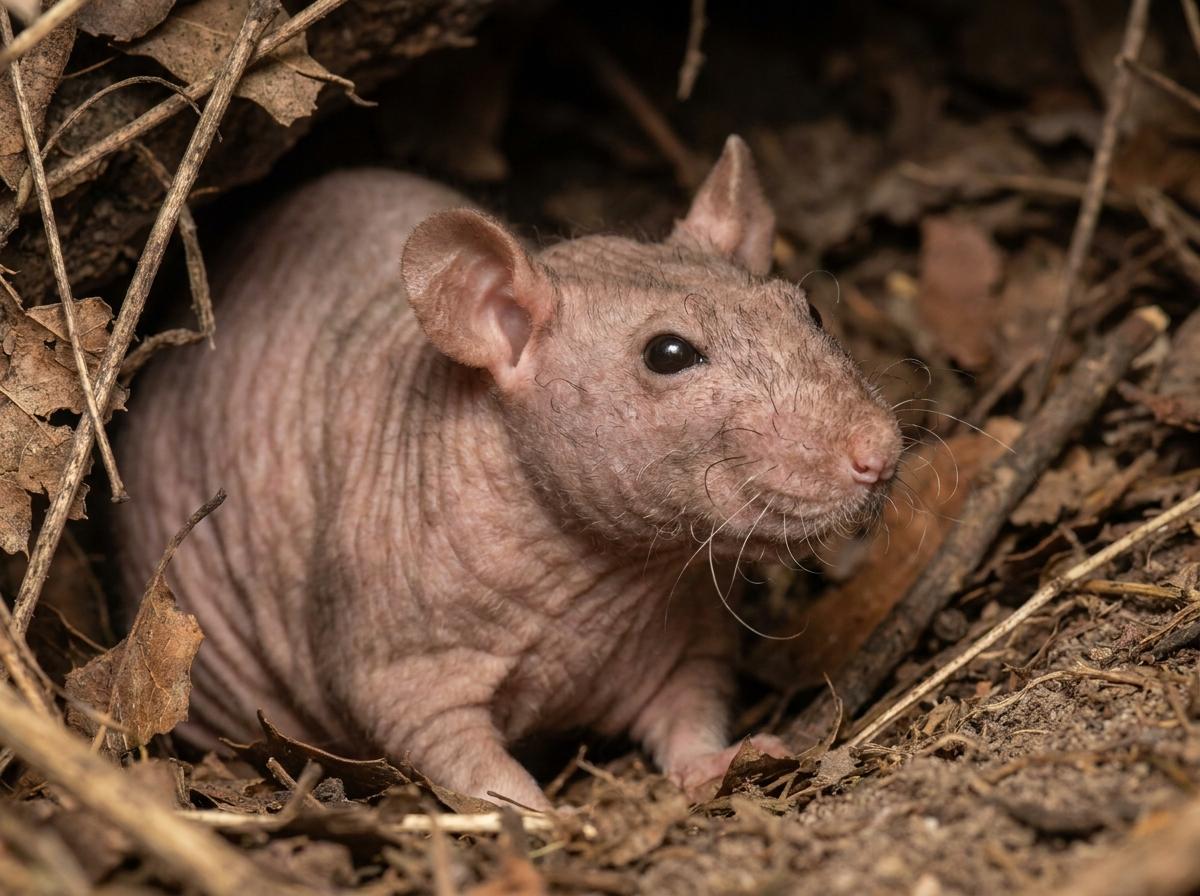
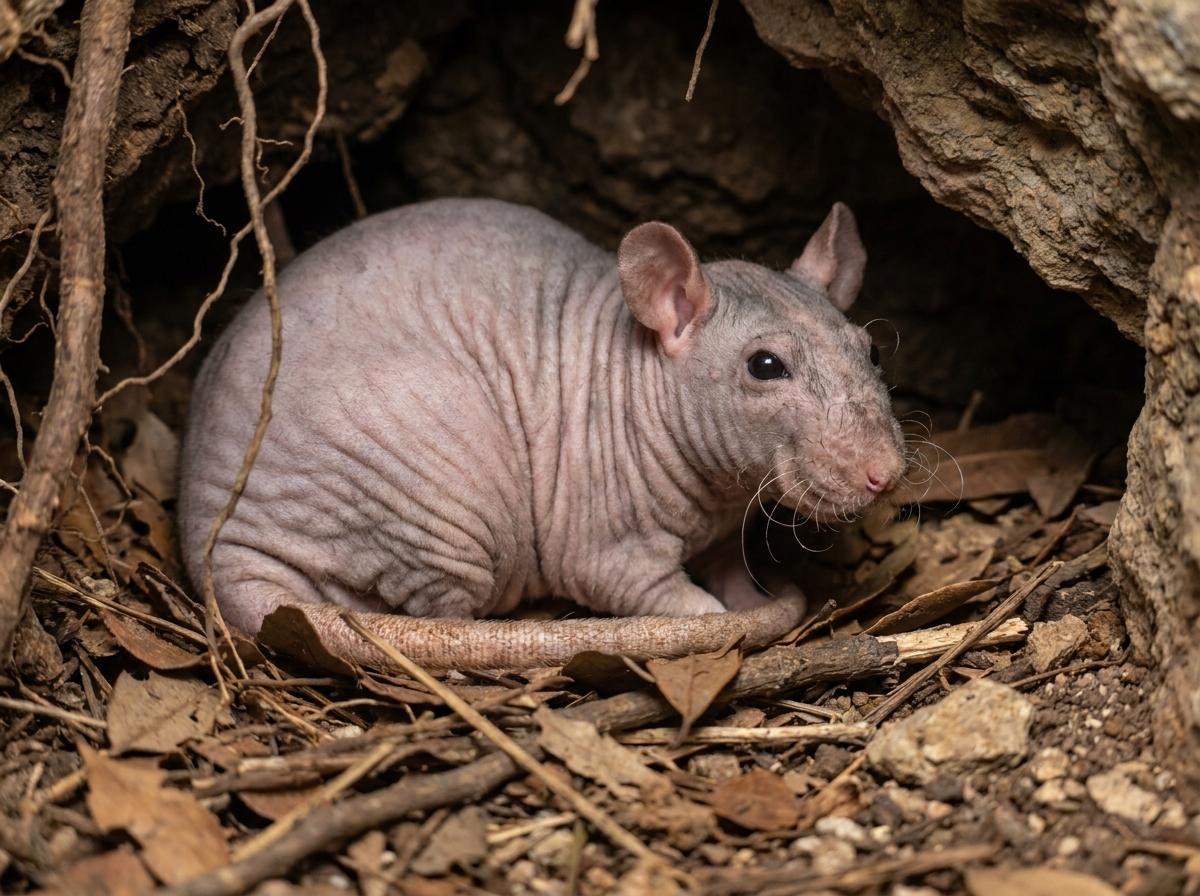
The Satin is a fancy rat with a coat that has a distinctive high-gloss, lustrous shine. It is not a separate species, a size, or a color, but a coat variety of the ordinary domestic pet rat (Rattus norvegicus), created by a recessive gene that changes the structure of every hair. Instead of the short, smooth, matte fur of a standard rat, a Satin rat grows finer, slightly longer, and more transparent hair shafts that reflect light, giving the coat a silky, almost polished sheen and making the animal’s color look deeper and richer. This page explains what a Satin rat actually is, how the gene is inherited, why the coat shines, how the Satin differs from a standard rat and from the curly-coated Rex, and what fancy rat care and health look like day to day before you bring a pair home.

Browse listings, public profiles, breeders, or add your animal.
What is a Satin rat?
A Satin rat is a domestic fancy rat that carries the satin coat gene. It is exactly the same animal as any other pet rat, kept for the same reasons, and it comes in the full range of colors and markings. The only thing “Satin” describes is the texture and shine of its coat. The name comes from the fabric, and it is a good one: where a standard rat’s fur is short, smooth, and matte, a Satin rat’s fur has a soft, silky, reflective quality that looks almost polished in good light.
The shine is not a trick of grooming or diet. It comes from the hair itself. The American Fancy Rat and Mouse Association (AFRMA), the main pet rat registry in the United States, describes the satin coat as the product of “a smaller diameter hair shaft and a more transparent hair shell.” Because the outer shell of each hair is clearer and more glass-like, it reflects light rather than scattering it, which is what produces the sheen. AFRMA also notes that the fur is “fine to the touch and appears thinner” than a standard coat, and that the hairs are slightly longer, especially the guard hairs.
The Satin is not a size, a body type, or an ear set. You can have a standard-eared Satin or a Dumbo-eared Satin, a small doe or a large buck, in any color a rat comes in. So when you see a rat described as a “Satin,” think of it the way you would think of a coat finish, not a breed. If you are comparing coat varieties, the broader Creatures rat species page is a good place to see where Satin sits alongside standard, Rex, and other coats.
Why a Satin coat shines
The gloss is the whole point of the Satin, so it is worth understanding where it comes from, because it also explains a second, more subtle effect on the rat’s color.
A standard rat hair is relatively thick and opaque. Light hitting it scatters in many directions, which is why a normal coat looks soft and matte. A satin hair is different in two ways. First, the shaft is thinner and finer. Second, and more importantly, the outer shell of the hair is more transparent. AFRMA describes this transparent shell as the reason “pigment granules show through more clearly so that Satins appear more intense in color compared to normal furred animals.” So the clearer shell does two jobs at once: it reflects light off the surface to create the sheen, and it lets the pigment underneath read more vividly, so the color looks deeper and richer than the same color on a standard-coated rat.

This is why a black Satin can look like polished coal, a blue Satin looks especially deep and slate-like, and a cream or champagne Satin takes on a soft pearlescent glow. The effect is easiest to see in good, directional light, where a bright band of reflection runs along the rat’s back and flanks. In flat lighting the coat still feels silkier than a standard rat’s, but the dramatic shine shows best in the sun or under a lamp.
One thing worth being clear about: satin is a purely visual coat trait. It changes how the fur looks and feels, not how the rat behaves or how healthy it is. There is no evidence that the satin coat, on its own, comes with a different temperament or a different lifespan. It is a fancy rat wearing a shinier coat.
How the satin gene is inherited
The satin coat comes down to a recessive gene, and that single fact explains how the variety is bred and why two glossy-coated rats do not always come from two glossy-coated parents.
AFRMA lists the satin coat as a recessive trait, written in genetic shorthand as the homozygous pair sasa, meaning a rat must inherit a satin gene from both parents to show the coat. In plainer terms:
- Two copies (sasa), a Satin. A rat that inherits the satin gene from both parents has the full glossy, silky coat the variety is known for.
- One copy (Sasa), a carrier. A rat with one satin gene and one standard gene has an ordinary standard coat but can pass the satin gene to its offspring. You cannot tell a carrier from a non-carrier by looking.
- No copies (SaSa), a standard coat. A rat with no satin gene has the ordinary matte, standard coat and cannot pass satin on.
Because the gene is recessive, a Satin rat can appear in a litter from two standard-looking parents if both parents happen to be carriers, and breeding a Satin to a standard-coated rat produces glossy babies only if that standard-coated partner also carries the gene. Breeders who want to produce Satins reliably pair a Satin with a Satin, or a Satin with a known carrier, rather than relying on chance. This recessive inheritance is the opposite of the Rex rat, whose curly coat comes from a dominant gene and so can be produced from a single curly-coated parent.
It is also worth a note of honesty about the genetics: satin has been reported by some fanciers to be more complicated than a single clean recessive, with more than one satin-like gene having circulated in the hobby over the years. For the practical purposes of a pet keeper, the reliable takeaway is that satin behaves as a recessive coat trait, so a glossy coat does not always breed true from one glossy parent, and appearance alone will not tell you which of two matte rats is a carrier.
What a Satin rat looks like, and what it is not
Once you know the signs, a Satin is easy to recognize, but it is also easy to confuse with a couple of other coat types if you go on shine alone.
The diagnostic features of a true Satin are:
- A high-gloss, lustrous sheen. The coat reflects light in a way a standard coat does not, most visibly as a bright highlight along the back in directional light.
- Fine, silky, slightly longer fur. The hairs are finer and a touch longer than standard, especially the guard hairs, so the coat feels softer and silkier to the touch.
- Deeper, more intense color. Because the transparent hair shell lets pigment show through, the underlying color reads richer than the same color on a standard-coated rat.
- A fully furred, normal coat. A Satin is not bald, not patchy, and not curly. It is a completely normal, fully coated rat that simply shines.
That last point is what keeps the Satin from being confused with the coats it is most often mixed up with:
- Satin versus standard. A standard rat, in AFRMA’s own words, has “short, smooth, glossy hair.” A little natural shine is normal on any healthy rat. The Satin takes that much further, with a finer, longer, noticeably more reflective coat and deeper color. The difference is one of degree and is clearest side by side or in strong light.
- Satin versus Rex. The Rex rat has a curly or wavy coat and curled whiskers, produced by a dominant gene. The Satin coat lies smooth and flat and simply shines; its whiskers are straight. Curl means Rex, shine means Satin, and the two are entirely different genes. It is possible to have a rat that carries both, but the traits themselves do not overlap.
- Satin versus hairless or double Rex. A true Hairless rat or a double Rex rat is bare or patchy. A Satin is the opposite: fully coated. If a rat sold as “Satin” has bald or thin patches, either it is a different variety or something is wrong with its coat, and it is worth a closer look.
The other rat commonly mixed up with the Satin by name is the Manx (tailless) rat, but that is a body-type variety about the tail, not a coat type, so the two describe completely different things.
Temperament and social needs
The Satin has no special temperament of its own, because temperament is not tied to the coat gene. What you get is a fancy rat, and fancy rats are, as a group, among the most social and trainable of the common small pets. They are curious, intelligent, and genuinely affectionate with people who handle them gently and often. A well-socialized rat will learn its name, come when called, ride on a shoulder, and enjoy interactive play and foraging games.

The single most important care fact about any pet rat, Satin included, is that they are social animals that should never be kept alone. The VCA Animal Hospitals care guidance and rat welfare sources agree that rats are healthier and happier living with other rats, and a lone rat kept in isolation is prone to stress and behavioral problems. Plan on keeping at least two, ideally a same-sex pair or small group so you are not managing accidental litters. Two Satin does or two Satin bucks, or a Satin housed with standard-coated or Rex cage mates, all work fine. The coat variety has nothing to do with compatibility. Rats introduced carefully and given enough space bond readily and spend much of their day grooming, wrestling, piling up to sleep, and generally keeping one another company in a way a person cannot fully replace.
Care and housing
Caring for a Satin rat is caring for a fancy rat. The glossy coat needs no special grooming, and you should not bathe rats often, because it strips the coat and skin of natural oils and can actually dull the shine you are trying to protect. The real care priorities are space, companionship, diet, and watching for the health issues rats are prone to.
Housing
Rats need a roomy, well-ventilated wire cage with solid or well-covered flooring, since bare wire floors can cause foot problems. Give them vertical space to climb, plus hammocks, hides, tunnels, and safe chew and forage enrichment, because rats are active and intelligent and get bored in a bare cage. Use a dust-free, absorbent bedding such as a paper-based litter rather than pine or cedar shavings, whose aromatic oils are commonly flagged as respiratory irritants for small animals. Keep the cage clean and dry, because ammonia buildup from soiled bedding is hard on a rat’s sensitive respiratory tract.
Diet
A good pet rat diet is built around a complete commercial rat pellet or a well-formulated lab block, which prevents the selective eating that happens when rats pick the tasty bits out of a loose seed mix. On top of that base, offer small amounts of fresh vegetables and the occasional fruit or protein treat, and provide clean water at all times, easiest from a sipper bottle. Rats are prone to obesity on rich, fatty diets, so keep treats modest. The satin coat does not change dietary needs at all, though a healthy, well-fed rat with good skin will always show its coat, satin or not, to best effect.
Companionship and handling
As above, keep rats in at least pairs. Daily, gentle handling and time out of the cage build a confident, friendly rat and give you the routine contact that lets you notice lumps, weight changes, or breathing problems early. Rats are most active around dawn, dusk, and evening, which for many keepers fits nicely with time at home.
Health
Rats are wonderful pets, but they are not long-lived, and two health issues dominate the veterinary literature: respiratory disease and tumors. Rats are highly prone to chronic respiratory infections, which VCA and other veterinary sources link most often to the bacterium Mycoplasma pulmonis. Any sneezing, labored breathing, or porphyrin (the red-brown discharge around the eyes and nose that people often mistake for blood) warrants a veterinary visit. Both sexes, but especially unspayed females, are also prone to mammary and other tumors, many of which can be removed successfully if caught early. Rats do not need routine vaccinations, but veterinary sources recommend at least an annual wellness exam, moving to twice a year as the rat ages. Choose an exotics or small-mammal veterinarian before you need one, and defer all medical decisions to that vet. Keeping written records of weight, litters if any, symptoms, and treatments makes it much easier to catch a problem while it is still small.
Size, lifespan, and what to expect
A Satin is a normal-sized fancy rat. Adult does typically weigh roughly 250 to 450 grams and bucks are larger, often 450 to 650 grams or more, though individuals vary. Like all fancy rats, Satin rats are short-lived: a lifespan of roughly 2 to 3 years is typical, with some well-cared-for rats reaching a bit beyond that. There is no evidence that the satin gene shortens or lengthens life on its own; a Satin has a normal lifespan for a pet rat. Going in with clear eyes about that short lifespan, and about the near-certainty of some veterinary care along the way, is the honest starting point for adopting any rat.
Cost and finding a Satin rat

Rats are inexpensive to buy and more expensive to keep well. The purchase price of a pet rat, Satin included, is usually modest, often in the range of a few dollars to a few tens of dollars depending on where you get it, with rats from dedicated small breeders generally costing more than pet-store rats because of the extra care put into health and socialization. We will not quote a single precise figure, because it varies widely by region and source, but the reliable takeaway is that the animal itself is cheap relative to its housing and, especially, its veterinary care over a two to three year life. It is worth budgeting for exotic-vet visits from the start, since respiratory treatment or tumor surgery can easily cost many times the price of the rat.
Availability of the Satin coat varies more than a common variety like Rex, because satin is recessive and so is less likely to turn up by accident. You are most likely to find Satin rats through dedicated fancy rat breeders who work with the gene deliberately, and sometimes in rescues. Because the coat is a favorite for showing and photography, breeders who produce it often keep it in a range of colors, where the deeper color effect is most striking. You can browse current listings on the Creatures rat marketplace and look for small ratteries and rescues in the Creatures breeder and rescue directory. If nothing suitable is listed near you right now, a saved listing alert (below) is the simplest way to hear about Satin rats when they become available.
Buying and adoption considerations
Because a “Satin” label is only as good as the animal and the source behind it, buy or adopt on evidence, not just on the shine.
- Confirm it is actually a Satin, in good light. The tell is a fine, silky, fully furred coat with a genuine reflective sheen and deeper color, best judged under a lamp or in daylight. A standard rat can look slightly glossy too, so it helps to compare with a standard-coated cage mate.
- Check health, not just looks. A rat you are considering should be bright, active, and breathing quietly, with clean eyes and nose (no crusty red porphyrin), a clean coat, and no lumps. Sneezing, wheezing, or labored breathing is a reason to pause. A dull or greasy coat can be a sign of illness, not a satin trait.
- Get more than one. Since rats must live socially, plan to bring home at least a pair (a same-sex pair avoids litters), and ask whether the cage mates were raised together.
- Ask about the line and the pairing. Because satin is recessive, a responsible breeder can tell you which parents were Satin or carriers, and can speak to the health, temperament, and age of the line.
- Prefer a trusted breeder or rescue. Buying from a small breeder who socializes and health-screens their rats, or adopting from a rescue, generally means a friendlier, healthier animal than an impulse buy.
Frequently asked questions
Is a Satin rat a separate breed or species?
No. A Satin rat is an ordinary domestic fancy rat (Rattus norvegicus) that carries the satin coat gene. “Satin” describes the glossy coat and its texture, not a breed, a size, or a color.
Why does a Satin rat’s coat shine?
Satin hairs have a thinner shaft and a more transparent outer shell than standard hairs. The clearer shell reflects light, which creates the sheen, and lets the pigment underneath show through more clearly, which makes the color look deeper. AFRMA describes both effects.
Is the satin gene dominant or recessive?
It is recessive. A rat needs two copies of the gene, one from each parent, to show the satin coat, so two matte-coated carrier parents can produce Satin babies, and a single glossy parent does not guarantee glossy offspring.
What is the difference between a Satin rat and a Rex rat?
They are different genes and different looks. The Satin coat is smooth, silky, and glossy with straight whiskers. The Rex coat is curly or wavy with curled whiskers and comes from a dominant gene. Shine means Satin, curl means Rex. See the Rex rat guide for the curly coat.
Do Satin rats need special grooming?
No. The coat needs no special care and you should not bathe rats often, since bathing strips natural oils and can dull the very shine you want to keep. A healthy diet and clean housing keep the coat at its best.
Can Satin rats be kept alone?
No. Like all fancy rats, they are highly social and should be kept in at least a pair or small group. A lone rat is prone to stress and behavioral problems.
How long do Satin rats live?
About 2 to 3 years, the same as any fancy rat. The satin gene does not change lifespan on its own.
Do this next on Creatures
Whether you are researching the satin coat, looking for a friendly pair, or already keeping glossy-coated rats, Creatures is the records, marketplace, and directory layer to do it in one place. If you are still comparing coat and body types, the rat species page, the Rex rat guide, and the sister guide to the Siamese mouse are good next reads on how a single coat or color gene defines a fancy pet.
Find a pair. Browse Satin rats on the marketplace and search trusted small ratteries and rescues in the Creatures directory. New to the marketplace? See saving searches and using your watchlist.
Get alerted. Because satin is a recessive coat, glossy-coated rats are not always listed near you. Set a free Satin rat listing alert and we will tell you when a litter or rehome is posted. No account needed to start.
Add your rats. Already keeping Satin rats? Create a free animal profile for each one in a few minutes. No account needed to start, and the walkthrough is in adding an animal to Creatures.
Track weight and health. Rats can hide illness, so a running weight and symptom log helps. Add a health record on Creatures. The record sheet opens for any visitor to look around, and a free account saves what you enter. See adding a record and health and medical records for the full how-to.
Never miss care. Set weigh-in and wellness-exam reminders so an annual (then twice-yearly) vet check does not slip. Learn how in reminders and upcoming care.
Run a rattery? If you breed or rescue rats, set up a free organization profile so adopters searching for Satin rats can find you. No account needed to start.