

Tarsus Çatalburun
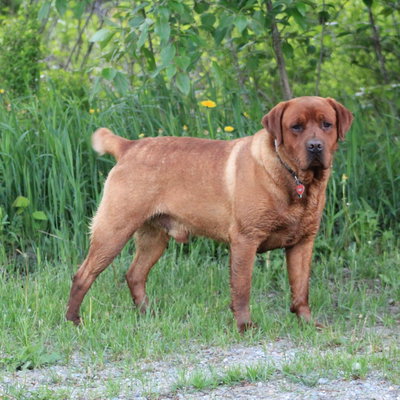
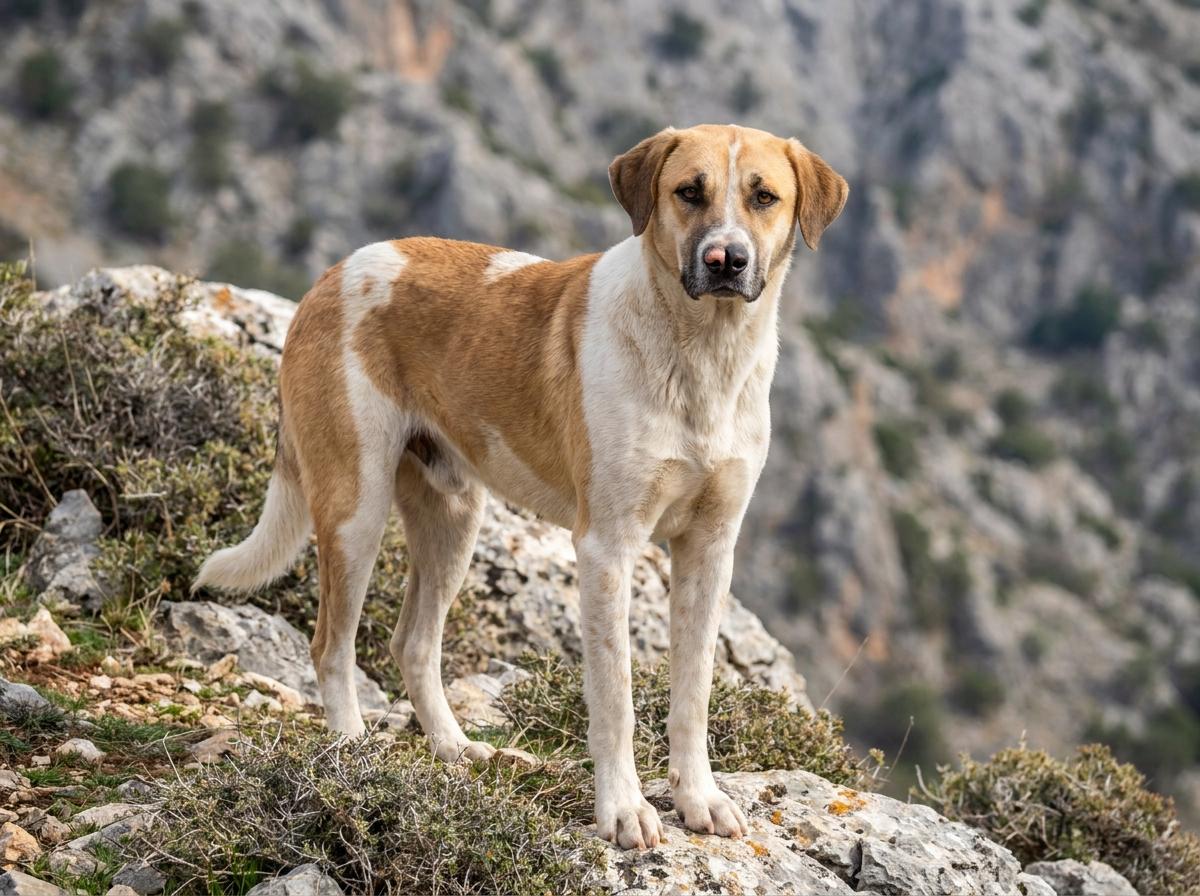
The Tarsus Catalburun, also called Catalburun or Turkish Pointer, is a locally associated pointer population from Tarsus in southern Turkey. Its best-known feature is a bifid nose, meaning the nose leather has a pronounced central division. That visible trait is documented. Claims that it gives every dog superior scent, causes a particular illness or proves one ancient origin need separate evidence.
If you are documenting one, start a Tarsus Catalburun profile on Creatures and connect its microchip, photographs, parentage, veterinary findings and original laboratory reports.

Browse listings, public profiles, breeders, or add your animal.
One dog, several search names
Catalburun combines Turkish words for fork and nose. Tarsus Catalburun adds the place most closely associated with the population. Turkish Pointer describes its pointer-like use and form. This page treats those as one intent, not three breeds.
The 2012 veterinary article Tarsus Catalburun Breed of Turkish Hunting Dog describes a rare local hunting population associated with Tarsus and readily identified by its split nose. It also said the dogs were not standardized or recognized at that time. Its estimate of about 200 dogs was an informal 2012 snapshot, not a current census, so it is not repeated as today’s population.
The current FCI nomenclature contains no definitive or provisional entry under Catalburun or Turkish Pointer. That does not erase a local population or research record. It means FCI recognition should not be claimed without a new official decision.
What the research measured
A 2021 study in the Turkish Journal of Veterinary and Animal Sciences measured 100 Catalburun dogs and collected blood from 62 for genetic characterization. Reported means were 20.20 kg body weight, 48.2 cm at the withers, 49.1 cm at the rump and 54.1 cm body length.
Those are sample averages, not minimums, maximums or an official global standard. Sex, age, family and sampling location affect individual measurements. They are useful for recognizing a medium, athletic pointer outline rather than guaranteeing a size.
The same study reported microsatellite and mitochondrial results and described two closely related parental lines in its sampled dogs. It was the first comprehensive population-structure study for the group. It did not prove that every dog sold under the name belongs to the sample, that the population is genetically pure, or that one health outcome follows from the reported diversity.
What is a bifid nose?
In the Catalburun, bifid describes a midline division of the external nose leather. A respectful close view shows two rounded lobes separated by a central groove. It should not be rendered as two muzzles or sensationalized as an injury.

A 2025 Genome Research paper, Analysis of canine gene constraint, identified a PDGFRA splice-acceptor variant associated with the Catalburun bifid-nose phenotype. The variant appeared heterozygous in all three whole-genome-sequenced Catalburun dogs. Researchers then genotyped 14 more: 13 were heterozygous and one was homozygous for the reference allele, although phenotypes were unavailable for those 14.
The authors connect PDGFRA to midline closure biology and present the variant as a strong causal hypothesis. This is important new evidence, but the whole-genome Catalburun sample was three dogs. It does not establish all inheritance outcomes, a clinical prognosis or a rule for every fork-nosed dog.
Is it the same as cleft lip or cleft palate?
Do not diagnose from the breed label or an internet photograph. Bifid nose, cleft lip and cleft palate describe related anatomical territory, but they are not interchangeable observations.
A veterinarian should examine the nose, lips, oral cavity, breathing, feeding, teeth and tissues of the individual. Seek veterinary attention for difficulty breathing or eating, nasal discharge, repeated infection, oral pain, poor growth or any opening between structures. The article does not assume those signs are typical of the population.
The 2025 genetics study discusses orofacial-closure genes, but it does not report a breed-wide Catalburun disease rate. The visible bifid nose is not permission to promise perfect health, and it is not proof that a particular dog has a cleft palate.
Does the split nose improve scent?
No controlled study located for this guide demonstrates superior smell caused by the bifid nose. The 2012 papers record local belief and hunting use, while explicitly acknowledging sparse scientific evidence. That is not the same as testing scent detection against an appropriate comparison group.
Scent performance depends on the whole dog, including motivation, learning, handling, physical health and the task. A careful statement is that Catalburun dogs have been used as local hunting and pointing dogs and are selected around that work. The anatomical mechanism and performance advantage remain unproven.

Low-pressure scent games can provide enrichment without making a breed claim. Let the dog choose to search, use a loose line in a safe space and stop before fatigue or frustration. The orchard scene above is enrichment, not a laboratory test.
Appearance and temperament without a settled global standard
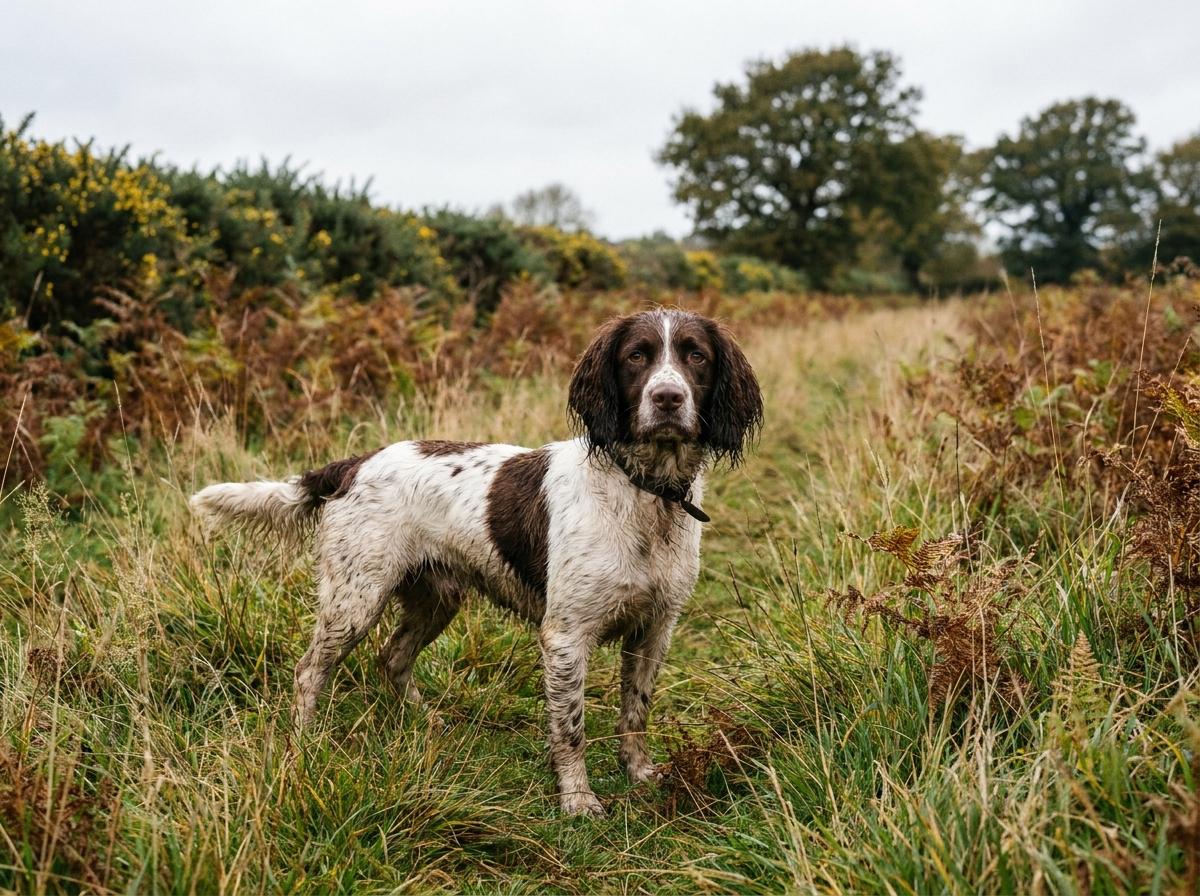
Published samples support a medium pointer-type dog with short coat, drop ears and athletic proportions. White backgrounds with orange, brown, red or darker patches and ticking appear in descriptions. The tail is natural and useful in reading arousal and movement.
Early publications relay owner descriptions of intelligence, loyalty and good relations with people. Those reports are valuable local observations, but they are not a blinded behavior study. Ask about the individual dog and relatives rather than treating every Catalburun as one temperament.
Daily life should include secure exercise, scent-based tasks, rest and reward-based training. Manage interest in birds or wildlife with fencing, a long line and practiced recall. Never release a dog to prove hunting authenticity.
Health, breeding and identity questions
No comprehensive breed-wide disease prevalence dataset was found. Choose tests from the actual family history, anatomy and veterinary examination instead of copying a panel from another pointer population.
For breeding, ask a veterinary geneticist how the new PDGFRA evidence should be interpreted. The published association is not yet a complete mating protocol. Preserve genotype, phenotype, oral examination, relatives and offspring outcomes so future decisions have more than a visual guess.
A credible source should provide:
- permanent identification and matching paperwork;
- photographs that show the intact nose, lip and profile without manipulation;
- identified parents and grandparents;
- original health and laboratory reports;
- a transparent account of how the dog entered the breeding population;
- veterinary findings for the nose and mouth;
- a return and placement policy.
The broader dog hub helps compare local and recognized populations. Related evidence-first pages include the Pastore della Lessinia e del Lagorai, Kuchi, Philippine Forest Dog, Calupoh and Polynesian Dog.
Frequently asked questions
Are Catalburun and Turkish Pointer the same?
They are names used for the same Tarsus-associated fork-nose pointer population in the cited veterinary literature.
Is the Tarsus Catalburun FCI recognized?
No definitive or provisional FCI nomenclature entry was found under its principal names.
Does it have two noses?
No. It has one muzzle and one nose region with a central division in the external nose leather. Two noses is a misleading shorthand.
Is the bifid nose a cleft palate?
Not automatically. A visible nasal division does not establish the condition of the palate. A veterinarian must examine the individual.
Does the forked nose improve smell?
No controlled evidence located for this guide proves that causal claim.
Is there a genetic finding?
Yes. A 2025 study associated a PDGFRA splice-acceptor variant with the bifid-nose phenotype, based on small Catalburun genomic samples and follow-up genotyping.
Do this next on Creatures
Record the dog in front of you, preserve the new genetic evidence and keep observation separate from diagnosis.
Add your dog. Start a Tarsus Catalburun profile, no account needed to begin. Follow adding an animal to Creatures.
Preserve examinations and tests. Open the record sheet as a visitor; a free account is required to save. See adding a record and health and medical records.
Watch for a traceable listing. Set a free listing alert, no account needed to start. Review saving searches and the watchlist.
Compare evidence, not nose drama. Browse the Tarsus Catalburun marketplace filter and request original records.
Represent a conservation or breeding program. Start a dog organization profile, no account needed to begin. Read creating an organization and adding your team.
Find record-minded dog people. Search the Creatures breeder directory and verify every health or registry claim.