American Sable
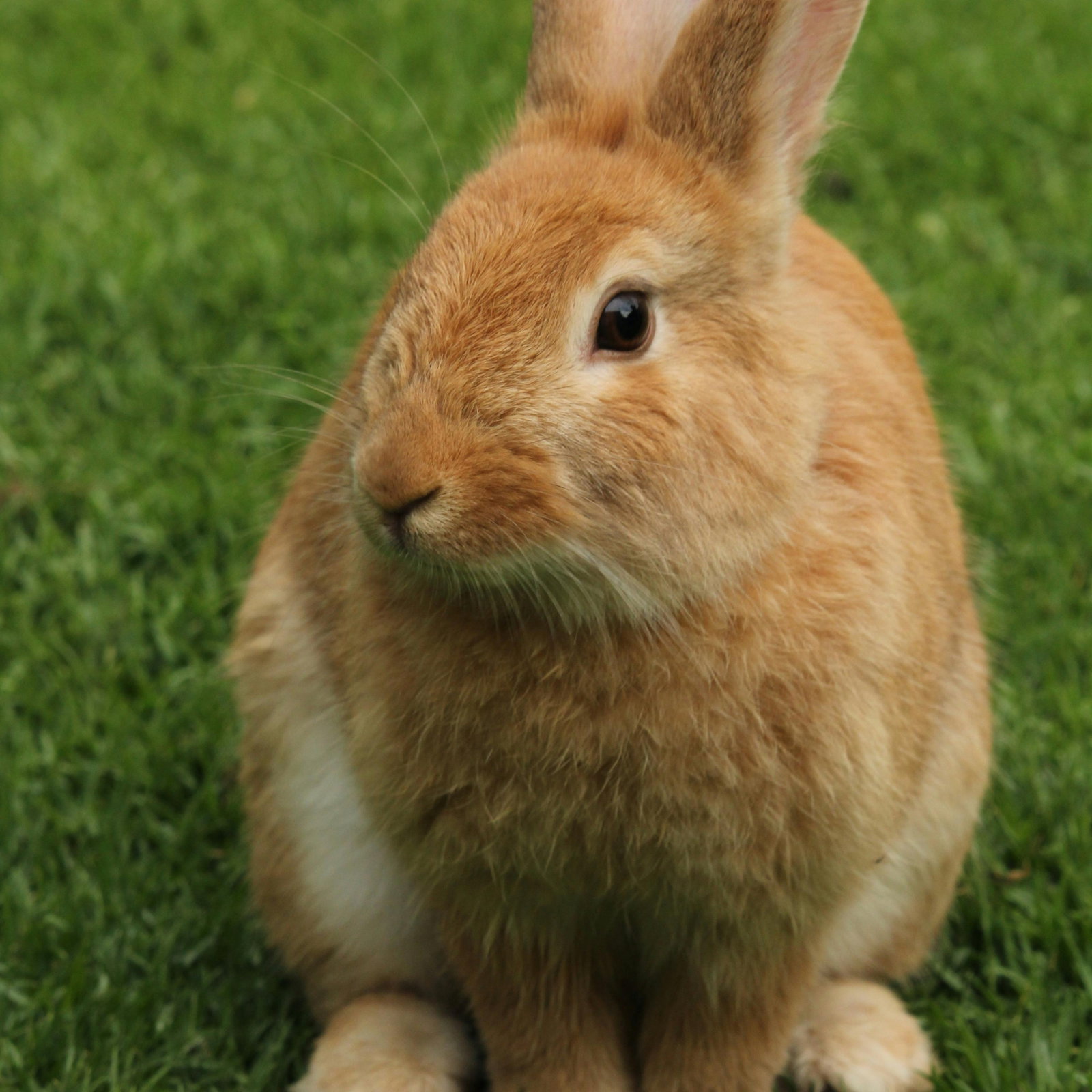
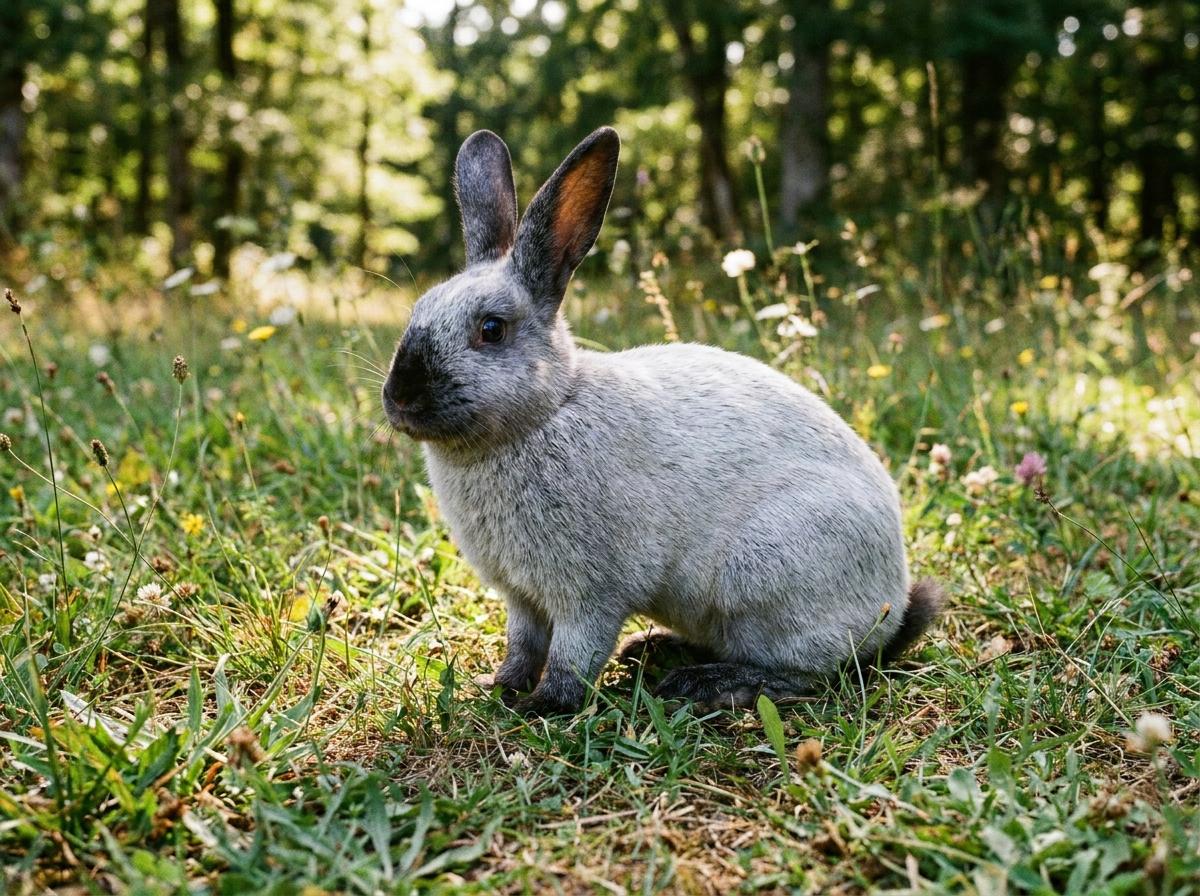
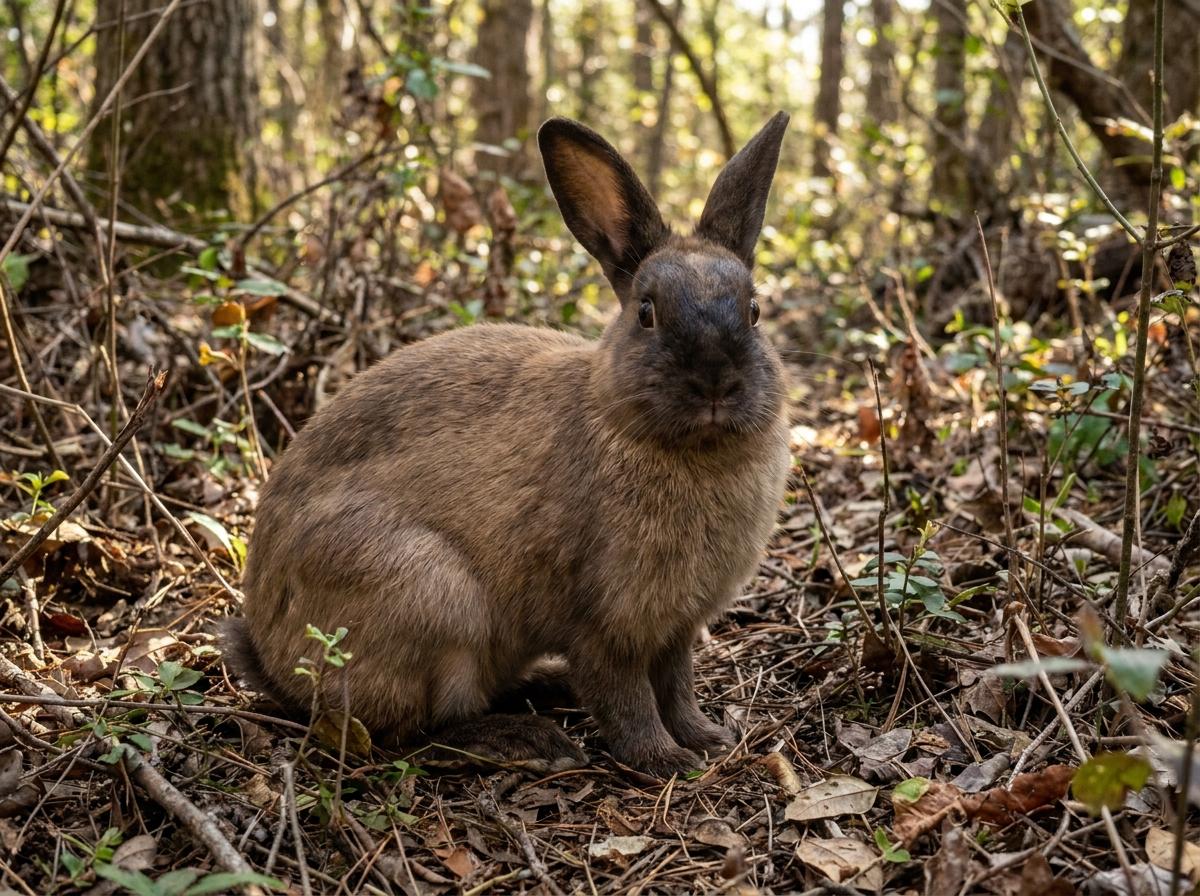
The American Sable is a medium, American-bred rabbit best known for one thing: its coat. The color is a rich sepia brown that is darkest on the extremities (the ears, face, feet, legs, back, and top of the tail) and shades to a lighter tan-brown over the sides and belly, giving the animal a soft, graduated look often compared to a Siamese cat. Underneath that distinctive coloring is a solid commercial-type rabbit weighing roughly 7 to 10 pounds, with erect ears and dark, ruby-glowing eyes. It is a heritage breed with an unusual backstory: it appeared as a colored surprise in Chinchilla rabbit litters in 1920s California, was recognized by the American Rabbit Breeders Association in 1931, nearly disappeared in the 1970s, and was pulled back from the brink by a group of dedicated breeders in the 1980s. This page covers what the breed is, where it came from, exactly how the sable coloring works, how big it gets, its temperament, what good care looks like, and what to check before you buy one.

Browse listings, public profiles, breeders, or add your animal.
What is an American Sable rabbit?
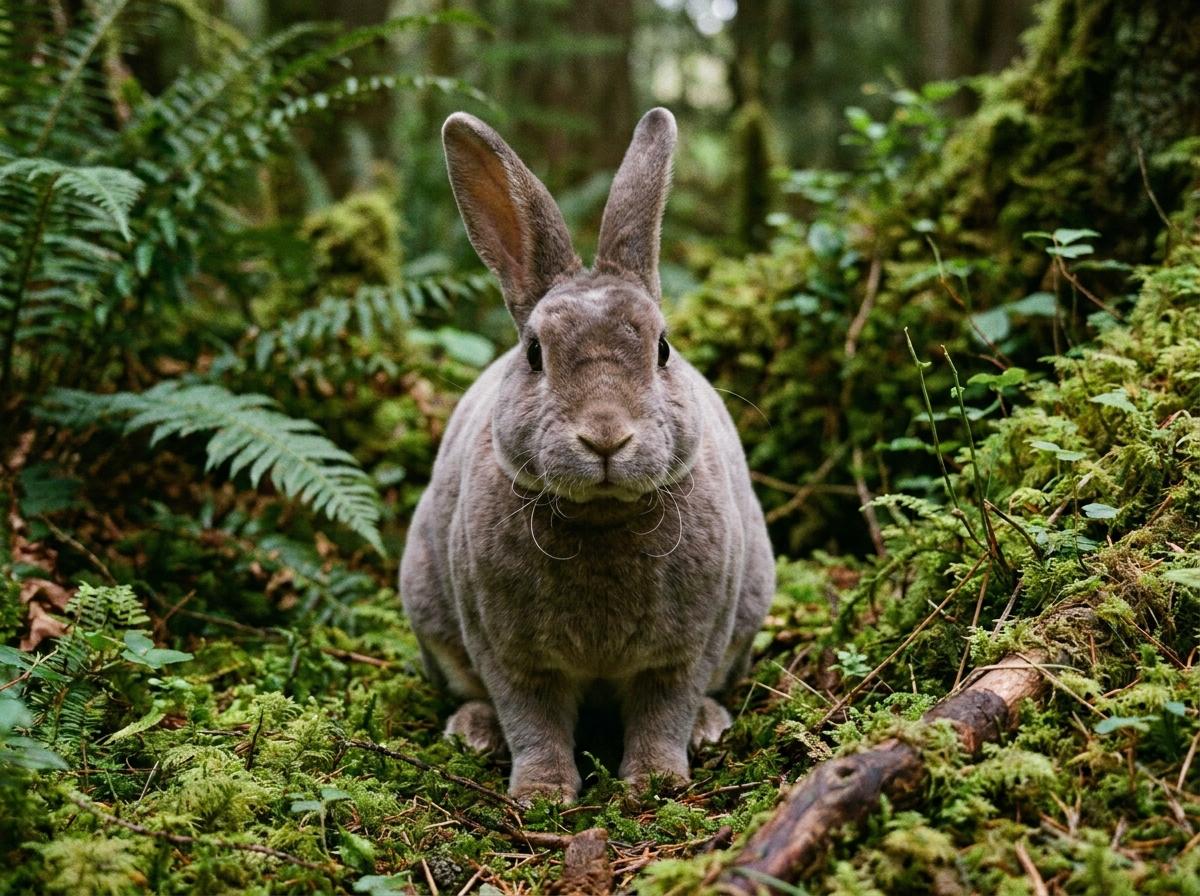
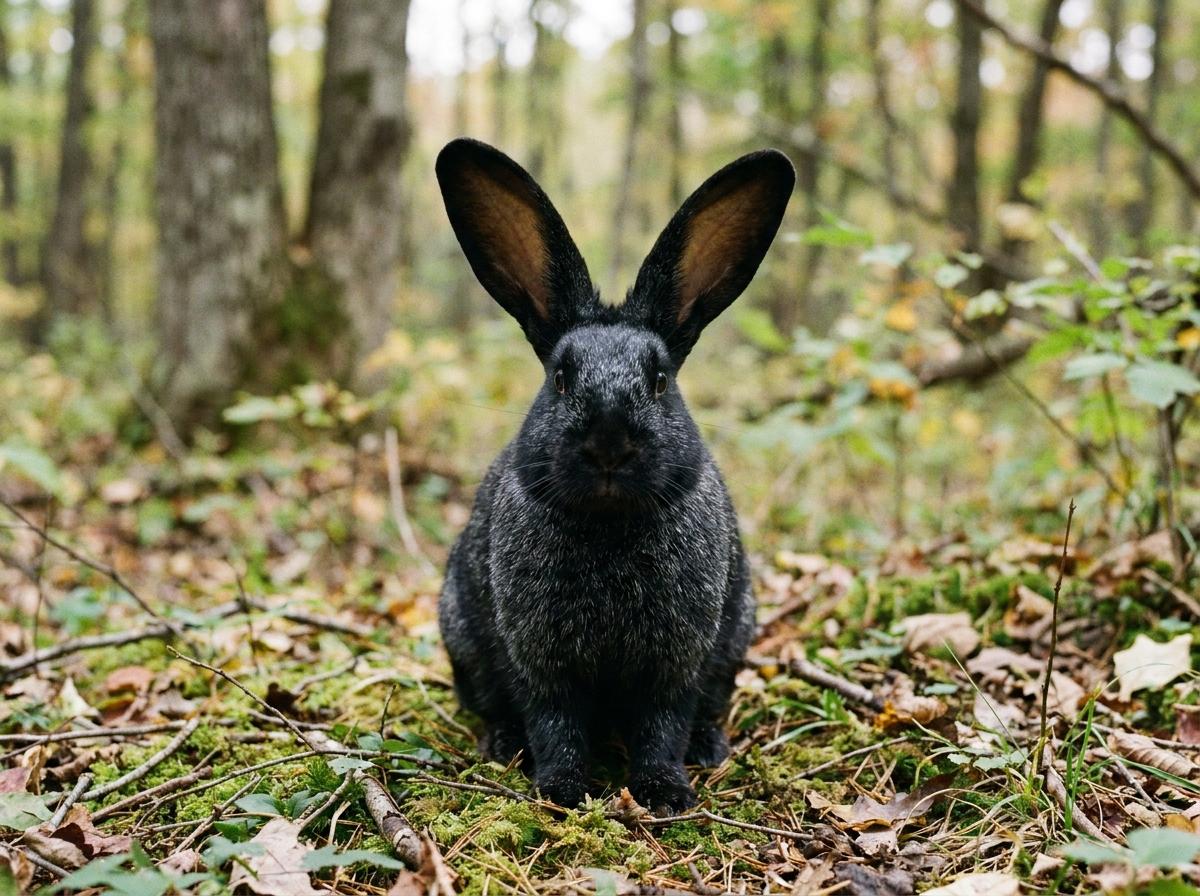
The American Sable is a medium-sized rabbit defined almost entirely by its shaded coloring. The body is a rich sepia brown that is not uniform: it is darkest at the extremities, the ears, face, feet, legs, back, and top of the tail, and it lightens noticeably to a warmer tan-brown across the flanks, sides, and belly. That graduated, dark-to-light effect is the diagnostic trait, and it is the reason the coat is so often compared to the coloring of a Siamese cat. The eyes are dark and take on a distinct ruby glow in bright light.
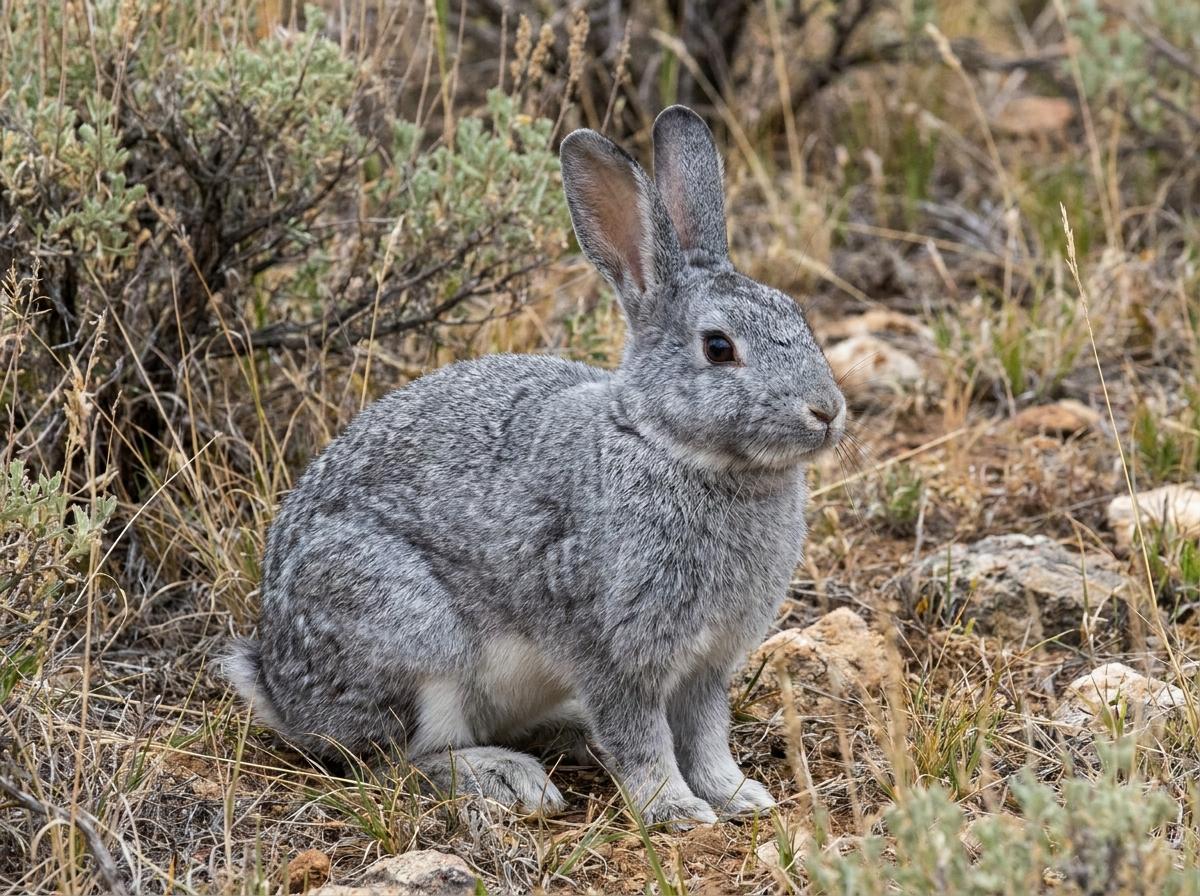
Structurally, the American Sable is essentially a Chinchilla rabbit in a different coat. It shares the Chinchilla’s rounded, well-muscled commercial body type and erect ears, so the sable shading is really the only thing that separates the two at a glance. According to the American Rabbit Breeders Association (ARBA), the national registry that recognizes and standardizes rabbit breeds in the United States, only one color variety is accepted: the shaded sable described above. There is no blue sable or chocolate sable American Sable the way there are multiple colors within some breeds. The breed is the color.
The American Sable was originally developed as a general-purpose rabbit and has historically been kept for show, meat, and fur, but today most are kept by hobbyists as show animals and pets. If you are still comparing rabbit breeds, the broader Creatures rabbit species page is a good place to see how the American Sable sits next to other breeds.
Where the American Sable came from
The American Sable did not start as a planned breed. It started as a set of colored throwbacks that breeders decided were worth keeping.
The breed traces to Otto Brox (his surname is also recorded as Brock) of San Gabriel, California, in the 1920s. Brox was working with Chinchilla rabbits, and Chinchilla lines carry the chinchilla gene, which strips warm yellow and red pigment out of the coat and produces the breed’s grizzled gray, wild-rabbit look. When those lines threw unexpected sepia-brown, shaded offspring rather than the standard chinchilla gray, breeders recognized a distinctive new color and worked to fix it into a breed of its own. This origin out of Chinchilla stock is why the American Sable shares the Chinchilla’s body type so closely, and it is a story it has in common with the Silver Marten, another breed that emerged from surprises in Chinchilla litters.
Enthusiasts organized around the new rabbit, the American Sable Rabbit Association formed in 1929, and ARBA accepted the breed as a recognized breed in 1931. For a while the American Sable was reasonably popular. Then, through the 1970s, interest fell away and the breed’s numbers dropped so sharply that it came close to disappearing from the show tables entirely.
The revival is a documented conservation success. In 1982, a group of committed breeders founded (some accounts say re-established) the American Sable Rabbit Society in Cedar Rapids, Iowa, an effort widely credited to Al Roerdanz of Kingsville, Ohio. Their work rebuilding the breeding population is why the American Sable still exists as a recognized breed today rather than as a historical footnote.

The sable coloring, explained
The American Sable’s coat is a good, concrete example of how rabbit coat-color genetics work, and understanding it helps you judge whether an animal is well-colored.
Sable is one of several coat colors produced by the same stretch of rabbit DNA that produces the chinchilla color, what breeders call the C locus, or color series. On that series, “sable” is the shade sometimes labeled light chinchilla. Where the full chinchilla gene removes yellow pigment and leaves a cool gray, the sable version removes color less completely and in a graded way, so pigment stays richest and darkest at the points (ears, face, feet, and tail) and thins out toward the body, producing the signature dark-to-light shading. It sits in a genetic family that also includes seal (a darker, near-black sable), Siamese sable, and pointed patterns, which is why you will see the words “Siamese” and “sable” used together to describe the look. Because the shading is graded rather than sharply patterned, temperature and age can subtly influence how dark an individual runs, and a rabbit’s coat can look richer in cooler conditions.
For a buyer or a shower, the practical takeaway is that a good American Sable shows an even, well-blended gradient: clearly dark sepia points melting smoothly into a lighter body, without harsh patches, blotches, or a muddy, undefined transition. Because the American Sable is closely related to Chinchilla stock, and because “sable” also appears as a color variety inside other rabbit breeds, it is worth confirming that an animal presented as an American Sable is that breed rather than simply a sable-colored rabbit of another breed. More on that distinction below.
Size, weight, and body type
The American Sable is a medium, commercial-type rabbit, meaning it has a full, rounded, well-muscled body rather than the slender frame of a fancy breed or the compact build of a dwarf. Under the ARBA standard, senior bucks weigh roughly 7 to 9 pounds and senior does roughly 8 to 10 pounds, with does typically running a little heavier than bucks. That puts the breed solidly in the medium-to-large range, heavier than a Silver Marten or a Palomino crossover in the lighter tiers but well short of the giant breeds.
The ears are erect and carried upright, and the coat is short, dense, and glossy, with the “flyback” quality typical of the Chinchilla family, meaning the fur snaps back into place when stroked against the grain. That short, easy coat is one of the practical advantages of the breed for an owner, since it needs far less grooming than a wool or long-haired rabbit.

Temperament and whether it makes a good pet
American Sables are widely described by keepers as calm, docile, and people-oriented, a reputation that helped make them a favorite among the breeders who worked to save the breed. Many owners find them gentle and easy to handle, and their steady disposition, combined with a low-maintenance short coat, is part of why they are recommended as a manageable medium rabbit for someone who wants a companion animal rather than a project.
We flag the temperament description as a general keeper observation rather than a formally studied trait, because rabbit personality varies a great deal with the individual animal, how it was raised, and how much calm daily handling it gets. A rabbit that has been handled gently and often from a young age will almost always be easier to live with than one that has not, regardless of breed. As with any rabbit, a well-socialized American Sable that gets space, enrichment, and regular out-of-enclosure time will be a better companion than one left isolated in a hutch. Rabbits are social, intelligent animals, and they do poorly when kept alone with little interaction.
Care and daily needs
American Sables have the same core needs as any pet rabbit. None of those needs are exotic, but they are non-negotiable, and the single most important one is diet.
Diet
Hay is the foundation of a healthy rabbit. Rabbit-welfare and veterinary sources are consistent that the large majority of an adult rabbit’s diet should be unlimited grass hay such as timothy, orchard, or oat hay. Hay keeps the digestive system moving and, just as importantly, wears down a rabbit’s continuously growing teeth. The House Rabbit Society notes that alfalfa hay is too rich in calcium and protein for most adults and should be reserved for young, growing, or nursing rabbits. Around that unlimited hay, adult rabbits get a measured portion of quality pellets and a daily serving of leafy greens, with sugary treats and fruit kept to a small amount. Fresh water must always be available. Because diet is where most pet-rabbit health problems begin, it is worth getting this right from the first day and confirming specifics with a rabbit-savvy veterinarian.
Housing and enrichment
A medium rabbit needs a roomy enclosure plus daily time outside it to exercise. Rabbits are active and need space to hop, stretch fully upright, and explore. Provide safe chew items, hiding spots, and enrichment, and rabbit-proof any area they roam so they cannot chew cords or baseboards. If housed outdoors, they need protection from temperature extremes, predators, and damp, and they are more sensitive to heat than to cold, so shade and ventilation matter in summer.
Grooming and health
The short flyback coat is low-maintenance and needs only occasional brushing, increasing during a molt. Beyond that, routine rabbit health care applies: keep nails trimmed, watch that the teeth are wearing evenly, and monitor droppings and appetite every day, because a rabbit that stops eating or passing stool is a genuine emergency that needs a veterinarian quickly. Rabbits hide illness well, so small changes matter. A good practice is to keep dated records of weight, molts, nail trims, and any veterinary visits so you can spot trends early. You can track all of that in a free animal profile on Creatures (see the records tools at the end of this page). Defer any medical decision to a veterinarian who can examine the animal.

Is the American Sable a rare breed?
Yes, in practical terms. The American Sable is uncommon, and its numbers were low enough in the past to raise serious conservation concern. The breed appeared on heritage-rabbit conservation lists during the decades when it was struggling, and the 1980s revival effort was specifically about pulling it back from near-extinction.
It is worth being precise about the current status, though, because it has genuinely improved. The American Sable is no longer listed among the at-risk rabbit breeds on The Livestock Conservancy’s Conservation Priority List, which currently flags breeds such as the Giant Chinchilla and Standard Chinchilla as threatened and lists recovering breeds including the Palomino and the Silver Marten. So the honest framing is that the American Sable is a rare heritage breed with a real conservation history that has recovered enough to come off the active watchlist, not a breed that is currently in crisis. For a prospective owner, the practical consequence is simply that you will see relatively few of them for sale, and finding one may take patience.
Buying an American Sable: what to check
Because the breed is uncommon and because “sable” is also a color found in other breeds, buy on evidence rather than a quick look at a photo.
- Confirm the breed, not just the color. Ask whether the rabbit is a registered or pedigreed American Sable, not simply a sable-colored rabbit of another breed. Because the breed shares Chinchilla type, a pedigree matters if you want genuine breeding or show stock.
- Check the shading in person. Look for an even, well-blended gradient: clearly dark sepia points (ears, face, feet, back, and tail) melting smoothly into a lighter body, without harsh blotches or a muddy transition. The ruby glow in the eye under bright light is a normal breed feature.
- Ask about temperament and handling. A rabbit that has been handled gently and often will settle far more easily. The breed’s calm reputation is a good sign, but early socialization still matters.
- Check general health. Bright eyes, a clean nose and ears, good body condition, clean hindquarters, and steady breathing. Ask what the rabbit is being fed so you can keep the diet consistent at first.
- Ask for records. For breeding or show animals, a pedigree and any health or litter history tell you more than looks alone.
You can browse current listings on the Creatures marketplace and find breeders in the Creatures directory. Because the breed is uncommon, a saved listing alert (below) is often the most practical way to hear about one when it appears. If you are new to buying a rabbit and want to know where genuine breeders and sellers gather, the where to buy a rabbit guide walks through the options. And if you are drawn to unusual rabbit coloring in general, the Mini Satin guide covers a small breed with a famously glossy coat, while the Silver Marten guide covers a related pattern that also came out of Chinchilla lines.
Frequently asked questions
What color is an American Sable rabbit?
Shaded sepia. The coat is a rich brown that is darkest on the ears, face, feet, back, and tail and fades to a lighter tan-brown over the sides and belly, a graduated look often compared to a Siamese cat. The eyes are dark with a ruby glow in bright light. It is the only color ARBA recognizes for the breed.
How big does an American Sable get?
It is a medium, commercial-type breed. Under the ARBA standard, senior bucks weigh roughly 7 to 9 pounds and senior does roughly 8 to 10 pounds, with does usually a little heavier.
Where did the American Sable rabbit come from?
It was developed in San Gabriel, California, in the 1920s, out of Chinchilla rabbit breeding lines that produced unexpected sable-colored offspring. It is attributed to Otto Brox (also written Brock), and ARBA recognized the breed in 1931.
Is the American Sable rabbit rare or endangered?
It is uncommon and came close to disappearing in the 1970s before a 1980s revival effort saved it. Its numbers have since recovered past a thousand animals, and it is no longer listed among the at-risk rabbit breeds on The Livestock Conservancy’s Conservation Priority List. You will still see relatively few for sale.
Are American Sables good pets?
They are commonly described as calm, docile, and people-oriented, and their short, low-maintenance coat makes them easy to keep. Like all rabbits, they need a hay-based diet, daily exercise, space, and gentle regular handling to be at their best.
How long does an American Sable live?
There is no breed-specific figure, so treat it as the general pet-rabbit range of roughly 5 to 8 years or more with good diet, housing, and veterinary care.
Do this next on Creatures
Whether you are researching the breed, looking for one, or already keeping an American Sable, Creatures is the records, marketplace, and directory layer to do it in one place.
Add your rabbit. Already have an American Sable? Create a free animal profile in a few minutes. No account needed to start. The walkthrough is in adding an animal to Creatures, and your animal’s profile page explains each tab.
Track weight and health. Because rabbits hide illness, dated records help you catch problems early. Add a health or weight record. The record sheet opens for any visitor to look around, and you will need a free account to save what you enter. See adding a record and health and medical records for the full how-to.
Never miss care. Set nail trims, molts, and vet visits as reminders and upcoming care so routine rabbit care does not slip.
Find a rabbit. Browse American Sables on the marketplace and search trusted breeders in the Creatures directory. Not sure where to start? See the where to buy a rabbit guide.
Get alerted. This breed is uncommon, so if nothing is listed today, set a free American Sable listing alert and we will tell you when one is posted. No account needed to start. See saving searches and using your watchlist.
Breed or show rabbits? Add your rabbitry as an organization so buyers searching for this hard-to-find breed can find you. No account needed to start.