


Dwarf Hotot
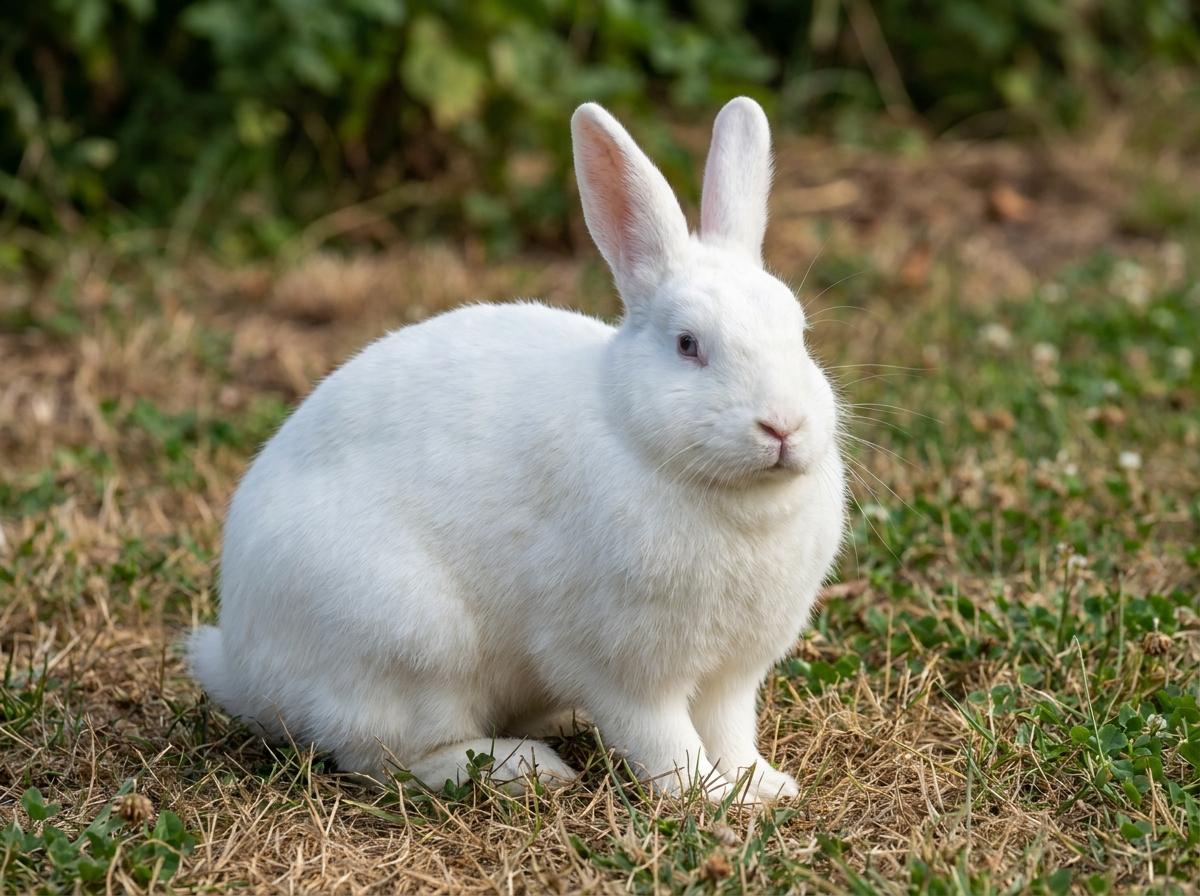
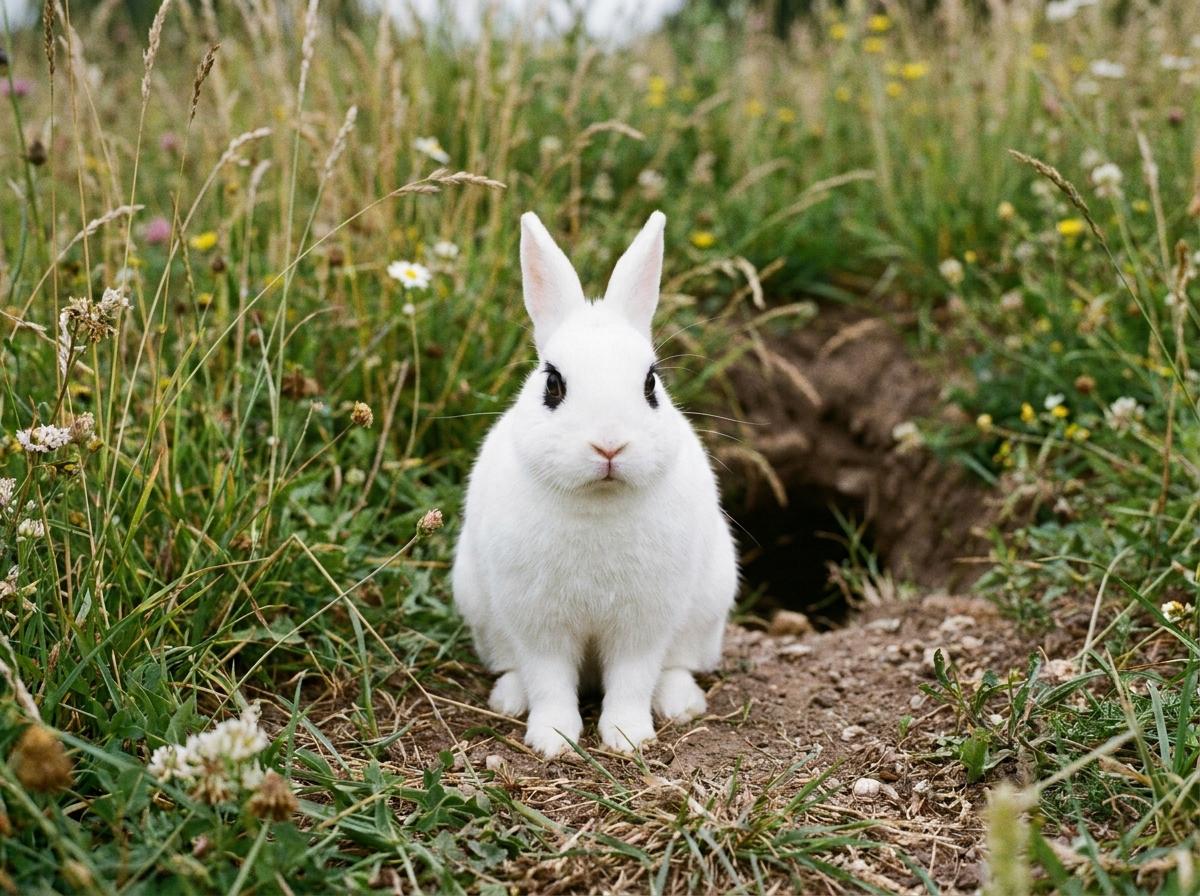
The Dwarf Hotot is a tiny, compact, pure white rabbit whose single defining feature is a thin band of colored fur that rings each eye, giving the impression of a small white bunny wearing fine black eyeliner. It is one of the smallest recognized rabbit breeds, usually weighing under three and a half pounds, with short erect ears and a round, well filled head and body. The breed carries the nickname “Eye of the Fancy,” and that ring of color, most often black, is the only marking a purebred Dwarf Hotot should have. Below you will find what the breed is, where it came from, how to identify a correct one, how it behaves as a pet, what to know before breeding it, and how to find genuine stock, with the diagnostic eye band explained in detail.

Browse listings, public profiles, breeders, or add your animal.
What is a Dwarf Hotot rabbit?
The Dwarf Hotot is a true dwarf breed of domestic rabbit, one of the smallest breeds the American Rabbit Breeders Association recognizes. A correct animal is pure white over its entire body, with a short, dense, rollback coat, a round and compact build, a well filled head, a short neck, and short ears that stand upright in a V shape. Its one and only marking is a narrow ring of colored fur around each eye. Everything about the breed is built around keeping that ring crisp and even on an otherwise spotless white rabbit.
The breed’s nickname, “Eye of the Fancy,” comes directly from that feature. In rabbit shows the eye band is the make or break trait: judges want it even in width all the way around the eye, clean edged, and not broken, smudged, or missing on either side. A single spot of color anywhere else on the body, or a gap in a band, is a serious fault. If you are comparing small pet breeds, the broader Creatures rabbit species page is a good place to see the Dwarf Hotot next to other dwarf and show breeds.
The Dwarf Hotot is a companion and exhibition animal rather than a production breed. It is small enough to keep indoors easily, striking enough to do well on the show table, and popular with 4-H and youth exhibitors as well as adult hobbyists.
Origin and history
The Dwarf Hotot is a relatively young breed with an unusually tidy origin story. The eye band trait itself is much older: it comes from the Blanc de Hotot, a large pure white French rabbit developed in the early twentieth century near Hotot-en-Auge in Normandy, whose defining feature is exactly the same narrow black ring around each eye. The Dwarf Hotot is, in effect, that spectacled marking shrunk down onto a dwarf frame. The two are separate ARBA breeds, and we cover that distinction below, but you can read the larger cousin’s full story on the Creatures Blanc de Hotot page.
The dwarf version was created in Germany in the 1970s, and it happened twice at once. According to breed histories, one breeder in what was then East Germany and one in West Germany worked toward a banded dwarf independently, without knowing about each other, and they took different routes. One line crossed a ruby eyed white Netherland Dwarf to a Blanc de Hotot to bring the eye band onto a dwarf body. The other did not use a Blanc de Hotot at all: it crossed a black Netherland Dwarf to a Dutch rabbit and then bred out every marking generation after generation until only the eye bands remained. The two strains were eventually brought together in 1979 to form the breed as it is known today.
From there the breed moved quickly to North America. It was imported into the United States around 1980, and the American Rabbit Breeders Association recognized it in the early 1980s, with sources placing the acceptance in 1983 to 1984. The American Dwarf Hotot Rabbit Club (ADHRC), the ARBA chartered national club for the breed, was organized in the same period and still supports breeders and exhibitors today. For years only the black banded variety was recognized; the chocolate banded variety was accepted later, in 2006.
The eye band, the one trait that matters

If you learn one thing about this breed, make it the eye band. On a Dwarf Hotot the entire body is pure white, and a thin, well defined band of black (or, in the chocolate variety, chocolate) fur encircles each eye like a drawn on ring of eyeliner. That band is the only permitted color anywhere on the animal.
The show standard is exacting about it. The ARBA description calls for a narrow, even band; a commonly cited target is roughly the width of two pennies stacked, even all the way around each eye. The band should be a clean, continuous ring, the same on the left and right sides, with no breaks and no color bleeding out into the surrounding white. Because the whole breed hangs on this one feature, correct eye bands are genuinely hard to breed. A rabbit can be an excellent dwarf in every other respect and still be uncompetitive because one band is too thick, too thin, broken, or uneven, or because a stray colored spot appears on the body or ears. That difficulty is a large part of why the breed is described as easy to keep but challenging to breed to standard.
Two recognized colors of band exist. The black band is the original and the standard most people picture. The chocolate band, a warmer brown ring rather than a black one, was accepted by the ARBA in 2006. Both are shown as the same breed, with the band color noted on the entry.
Size, body type, and how to identify a correct one
The Dwarf Hotot is a Compact type rabbit, meaning it is short, round, and cobby rather than long or arched. A good one has a round, well filled head, a short neck so the head sits close to the shoulders, wide shoulders, and rounded hindquarters carried in line with those shoulders, so the whole outline reads as a small, tidy ball of a rabbit.
Weight is genuinely small. Practical adult weights run in the range of about 2.25 to 3.5 pounds, and the ARBA senior show maximum is 3 pounds, with an ideal around 2.5 pounds. That makes it one of the smallest rabbit breeds and only slightly larger, on paper, than the Netherland Dwarf that helped create it. The ears are short and erect, carried in an upright V shape; ears longer than 2.75 inches are a disqualification on the show table, which keeps the breed’s short eared, round headed look consistent.
The coat is short, dense, and rollback, meaning it rolls back slowly to its position when stroked from tail to head, and it needs very little grooming. Because the rabbit is so small and its coat so short, a molt can be easy to miss. The features that separate a correct Dwarf Hotot from a random small white rabbit are the combination of tiny compact body, short erect V ears, pure white coat with no other markings, and crisp even bands of black or chocolate around both eyes.
Dwarf Hotot vs Blanc de Hotot: not the same rabbit
These two breeds share a marking and half a name, and they get confused constantly, so it is worth being clear. They are separate ARBA breeds with different histories and very different sizes.
The Blanc de Hotot is a large rabbit, generally in the range of 8 to 11 pounds, developed in France in the early 1900s. The Dwarf Hotot is a small dwarf, usually under 3.5 pounds, developed in Germany in the 1970s. A Dwarf Hotot is not simply a miniature or baby Blanc de Hotot, and a Blanc de Hotot is not a Dwarf Hotot that grew up. They were bred by different people, in different countries, decades apart, and are judged as distinct breeds. What they share is the signature: the same narrow ring of dark fur around each eye on an otherwise pure white body. If you want the larger version’s full background, the Creatures Blanc de Hotot page covers it in depth.
Temperament and what they are like as pets
Keepers generally describe the Dwarf Hotot as friendly, curious, and affectionate once it is well socialized, and its small size makes it easy to house and handle indoors. We flag this as the common practitioner and breeder description rather than a formally studied trait, since temperament varies a great deal with individual animals and, above all, with handling.
Two honest caveats apply. First, like most small, quick, lightly built rabbits, a Dwarf Hotot needs gentle, consistent handling to become and stay confident, and a nervous or under handled rabbit of any breed can be skittish or nippy. That makes daily calm interaction more important than the breed label. Second, small size and light bones mean these rabbits are fragile; they can be injured by a fall from a child’s arms or by rough handling, so they are best suited to households where an adult supervises young children around the animal. Given good socialization and gentle handling, they make engaging, personable companions.
Rabbits in general are social, long lived pets that need more space, enrichment, and veterinary attention than the old hutch stereotype suggests. Plan on a diet built around unlimited grass hay, fresh water, a measured amount of pellets, and suitable greens, plus space to move and a rabbit savvy veterinarian for routine and sick care. Defer any medical decision to a veterinarian who can examine the animal.
Care basics

Day to day care for a Dwarf Hotot is standard small rabbit care, with a couple of points that follow from its size and coat.
- Housing. Provide clean, spacious, secure housing with solid, comfortable flooring, safe from predators and temperature extremes. A small rabbit still needs daily time and room to move and explore, not permanent confinement to a small cage.
- Diet. The foundation is unlimited grass hay (such as timothy) with constant fresh water, a controlled portion of a quality pellet, and appropriate leafy greens. Hay is what keeps a rabbit’s continuously growing teeth and its gut working properly.
- Grooming. The short, dense coat needs little grooming; an occasional check and a light brush during a molt is usually enough. Handle the rabbit regularly so it stays used to being picked up and examined.
- Health checks. Watch the eyes, ears, teeth, and rear end. Because the breed’s whole point is a clean eye band, any discharge, crusting, or irritation around the eye is worth noting and, if it persists, showing to a veterinarian. Keep the vaccinations and parasite prevention your veterinarian recommends for your region.
- Records. Keeping simple records of weight, litters, health events, and eye band quality helps with both pet care and any breeding or show decisions. You can keep those records on Creatures so they live in one place with the animal’s profile.
Because good rabbit care spans housing, diet, and routine veterinary attention, keep clear notes and lean on a rabbit savvy veterinarian rather than general internet advice for anything medical.
Breeding considerations and the dwarf gene
Anyone thinking about breeding Dwarf Hotots needs to understand two things: the eye band is difficult to get right, and the breed carries the dwarfing gene, which has a real genetic consequence.
On the marking side, breeding to the standard is the hard part of this breed. Getting two even, correctly sized, unbroken eye bands with no stray body spots, litter after litter, takes knowledge and patience, which is exactly why the breed is described as manageable to keep but demanding to breed well.
On the genetic side, the Dwarf Hotot is a “true dwarf” breed. Its small size comes from a dwarfing gene, and show quality dwarfs carry one copy of that gene paired with a normal gene. This matters because of a well documented lethal outcome. When two such dwarfs are bred together, each kit can inherit two copies of the dwarfing gene, and those double dwarf kits, called “peanuts” by rabbit breeders, do not survive; they are typically much smaller at birth and usually die within the first weeks of life. On average, a dwarf to dwarf mating produces about one quarter peanuts, one half true dwarfs (the show type), and one quarter larger “false dwarfs” that carry no dwarfing gene. This is standard, well understood rabbit genetics rather than a flaw unique to this breed, but it is the single most important fact a would be breeder must know: some loss of newborn kits is an expected part of breeding true dwarf rabbits, and no responsible husbandry eliminates it entirely. Anyone breeding the breed should go in understanding the peanut outcome and plan accordingly, and should consult experienced breeders and a veterinarian.
Cost and where to find one
The Dwarf Hotot is a popular, established show and pet breed in North America, but it is not the most common rabbit at every pet store, and correctly marked, show quality animals come from a smaller pool of dedicated breeders. There is no single reliable public price for the breed, and we will not invent one; a pet quality Dwarf Hotot from a hobby breeder is usually modest in cost, while a well marked show prospect from a proven line commands more. Buy on the animal and the breeder, not on a headline number.
When you shop, the same things that make the breed hard to breed are what you should check in person. Look for a genuinely small, compact, round body; short erect V shaped ears; a pure white coat with no colored spots anywhere on the body or ears; and, above all, two clean, even, unbroken eye bands of the same color. Ask about the parents, the line, and any known health issues, and if you plan to breed, ask specifically about the breeder’s approach to dwarf to dwarf matings and peanut losses. New rabbit buyers often find it easiest to start from the Creatures rabbit marketplace and the Creatures breeder directory, and our guide to where to buy a rabbit walks through choosing a trusted source. If you are drawn to bold rabbit color and pattern in general, two related pages worth a look are the Harlequin rabbit, known for its striking banded and split color coat, and the Palomino rabbit.
Frequently asked questions
What is the black ring around a Dwarf Hotot’s eyes?
It is the breed’s defining marking, a narrow band of black fur that encircles each eye on an otherwise pure white rabbit. The standard calls for the band to be even, clean edged, and unbroken all the way around both eyes. There is also a chocolate banded variety, accepted by the ARBA in 2006, in which the ring is warm brown instead of black.
How big does a Dwarf Hotot get?
It is one of the smallest rabbit breeds. Adults generally weigh about 2.25 to 3.5 pounds, with an ARBA show maximum of 3 pounds and an ideal near 2.5 pounds. The body is compact and round, and the ears are short and upright.
Is a Dwarf Hotot the same as a Blanc de Hotot?
No. They are separate breeds that share the eye band marking. The Blanc de Hotot is a large French rabbit of roughly 8 to 11 pounds developed in the early 1900s; the Dwarf Hotot is a small German dwarf under about 3.5 pounds developed in the 1970s.
Are Dwarf Hotots good pets?
Many owners find them friendly, curious, and affectionate when they are well socialized and gently handled, and their small size suits indoor life. Because they are tiny and fragile, they are best in homes where an adult supervises handling, especially around young children.
Do you have to be careful breeding Dwarf Hotots?
Yes. The breed carries the dwarfing gene, so breeding two true dwarfs produces some “peanut” kits (double dwarfs) that do not survive, on average about one in four of the litter. This is normal true dwarf rabbit genetics, but it is essential to understand before breeding, and getting correct eye bands consistently is difficult as well.
How long do Dwarf Hotots live?
With good care, commonly around 7 to 10 years, which is a fairly long span for a rabbit. Diet, housing, handling, and veterinary care all affect the real number.
Do this next on Creatures
Whether you are researching the breed, hunting for a well marked one, or already keeping a Dwarf Hotot, Creatures is the records, marketplace, and directory layer to do it in one place.
Find one. Browse Dwarf Hotots on the marketplace and search trusted breeders in the Creatures directory. Not sure where to start? Read our guide to where to buy a rabbit.
Get alerted. Well marked Dwarf Hotots come from a smaller pool of breeders, so set a free Dwarf Hotot listing alert and we will tell you when one is posted. No account needed to start. See saving searches and using your watchlist for how it works.
Add your rabbit. Already have a Dwarf Hotot? Create a free animal profile in a few minutes, no account needed to start. The walkthrough is in adding an animal to Creatures.
Track weight and health. Keep weight, eye band, and health records on Creatures. The record sheet opens for any visitor to look around, and a free account saves what you enter. See adding a record and health and medical records for the full how-to.
List your rabbitry. Breed Dwarf Hotots? Create a free breeder or organization profile, no account needed to start, so buyers searching for well marked stock can find you.