

Gyr
Gyr cattle and Gir cattle are two spellings for the same Indian dairy zebu breed. The page is not about a separate American Gyr, nor the wild gaur. It is about the registered Gir of Gujarat, recognizable by a shield-like convex forehead, long folded ears, a shoulder hump, and loose skin. Explore related breeds on the Creatures cattle hub, then use the breeder directory to compare herds by records rather than spelling or sales claims.

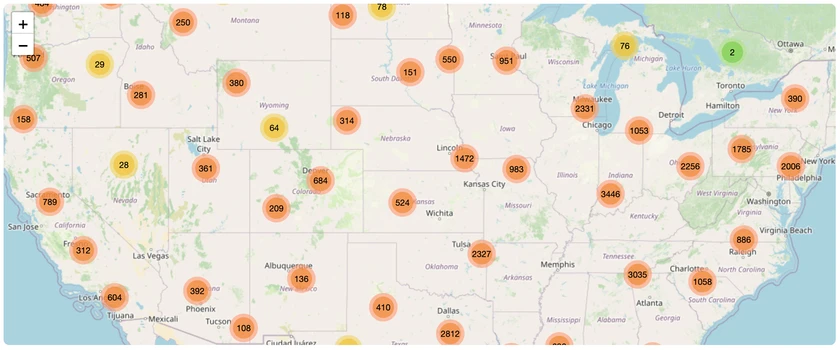
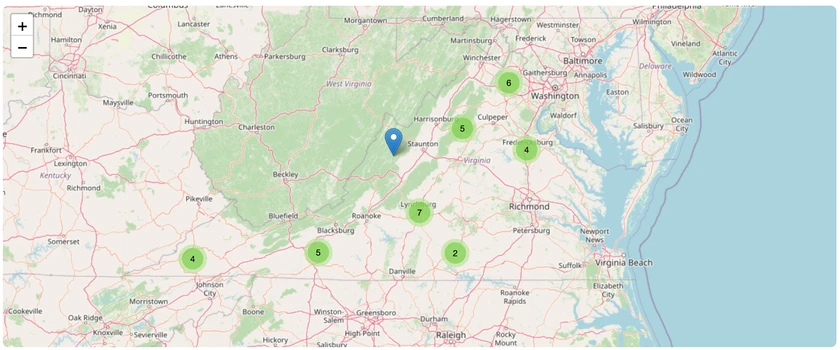
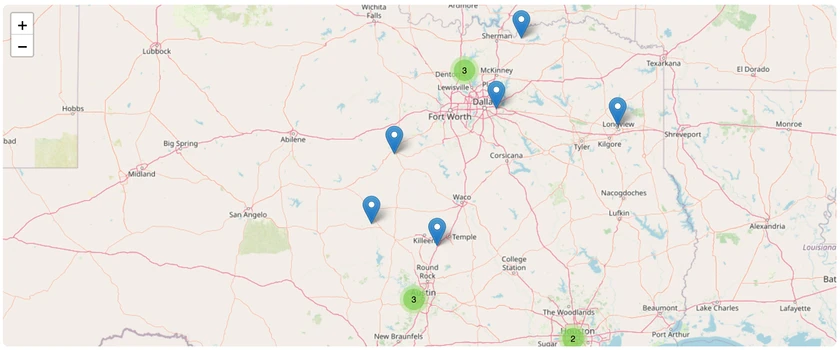
Browse listings, public profiles, breeders, or add your animal.
Gir or Gyr: which name is correct?
Both spellings point to one breed. India’s ICAR-NBAGR cattle registry lists Gir, with Gujarat as its home tract and accession number INDIA_CATTLE_0400_GIR_03007. Gyr is a common spelling in international cattle circles, particularly in the Americas. Search engines and sale catalogs may favor one form, but that does not create two breeds.
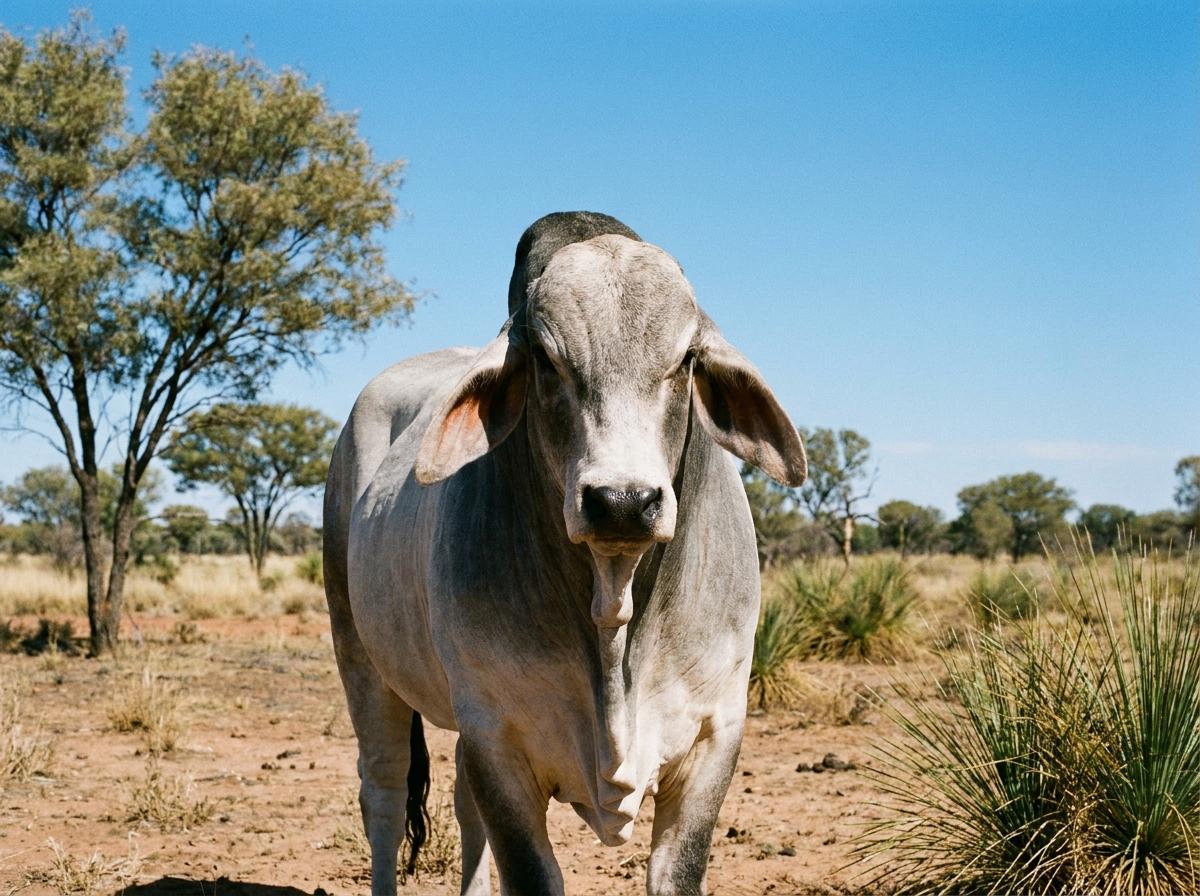
Keep the identity boundary clear. Gyr does not mean every red-and-white humped bovine, and it is not another name for Brahman cattle. The Brahman hub covers a distinct breed developed from several Indian cattle sources. Gaur, meanwhile, is a wild bovine and has nothing to do with the Gir or Gyr spelling choice.
Origin and documented purpose
The FAO-hosted Gir breed study places the native tract in the Gir hills and forests of Kathiawar, including Junagadh, Bhavnagar, Rajkot, and Amreli districts in Gujarat’s Saurashtra region. The researchers describe Gir primarily as a milk breed, with bullocks also used for work.
That history does not support a universal production promise. The paper reports averages from a defined Indian population and management setting. A seller’s herd in another country can differ because of selection, climate, feed, parity, disease pressure, measurement method, and crossbreeding. Ask for complete lactation records with dates and context. A single peak-day figure is not a herd average.
How to identify Gyr cattle
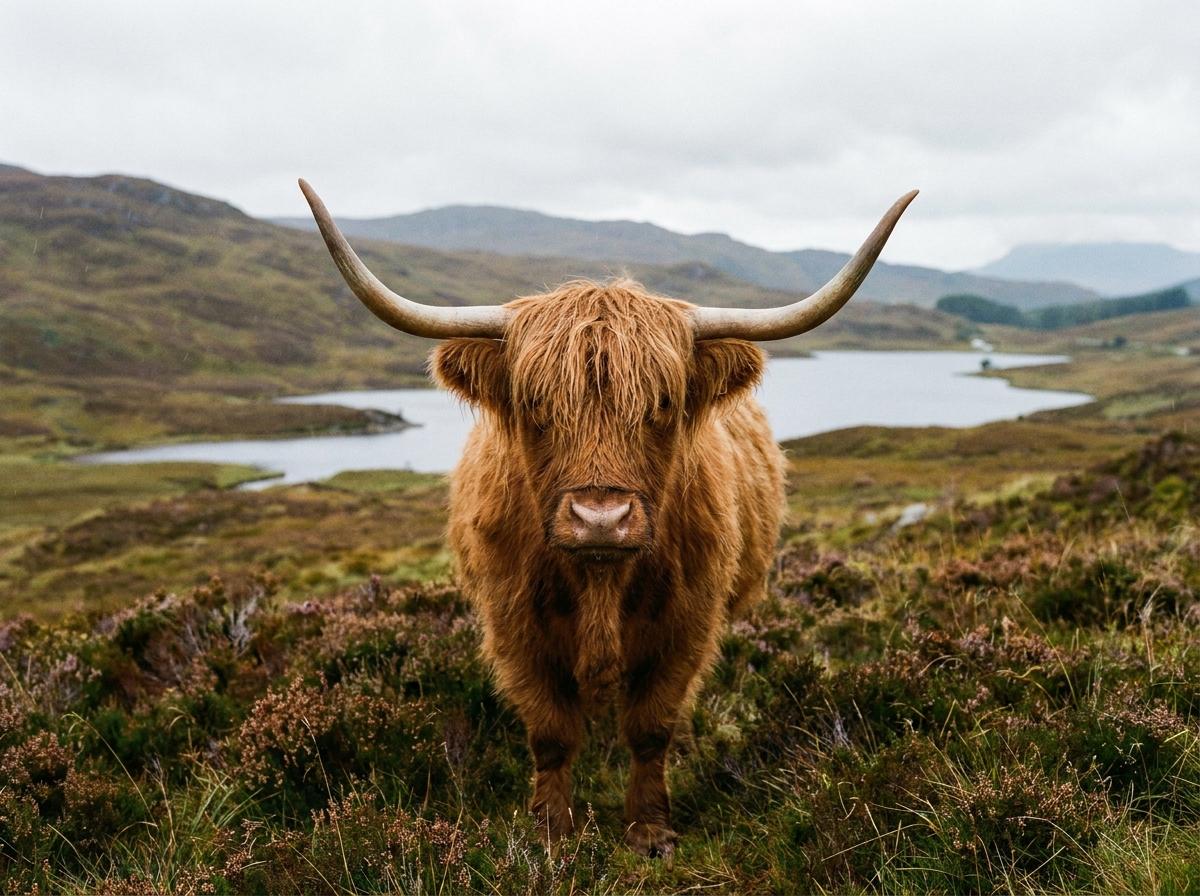
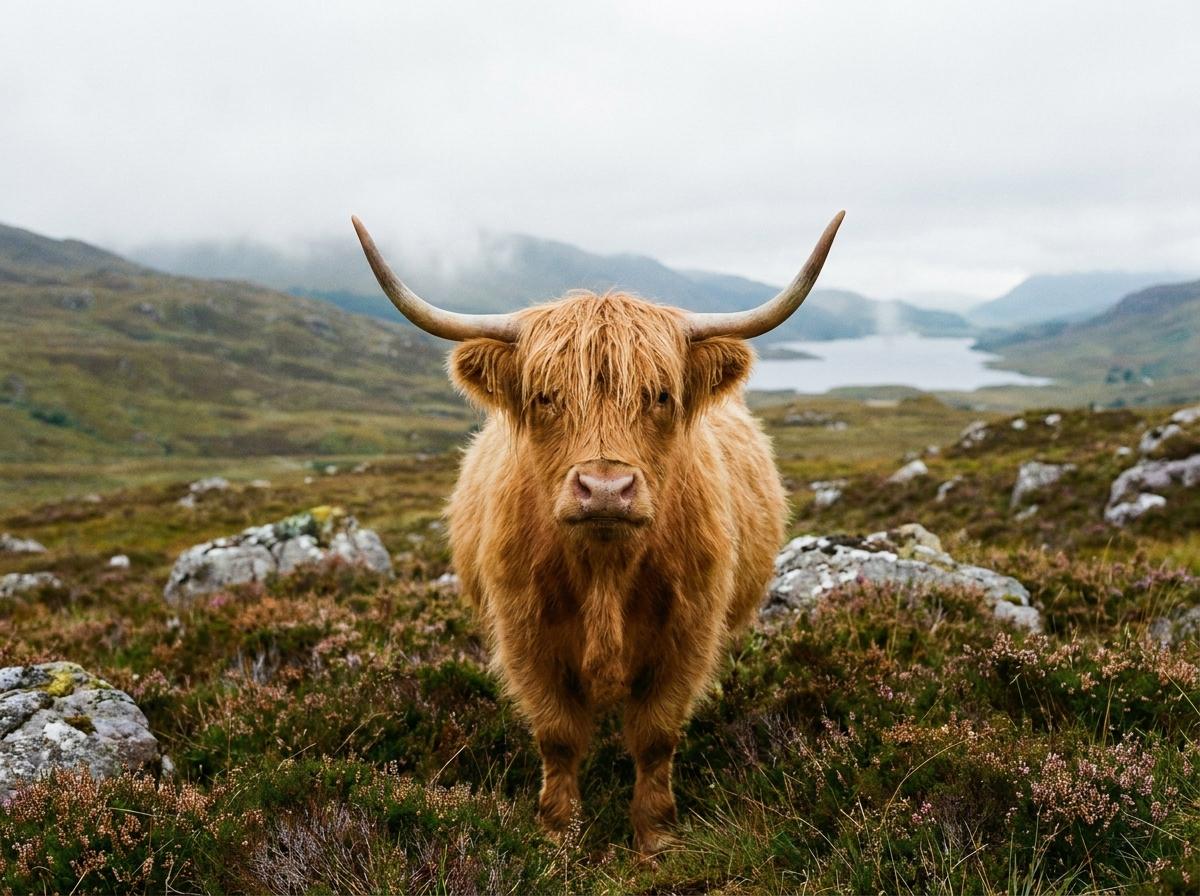
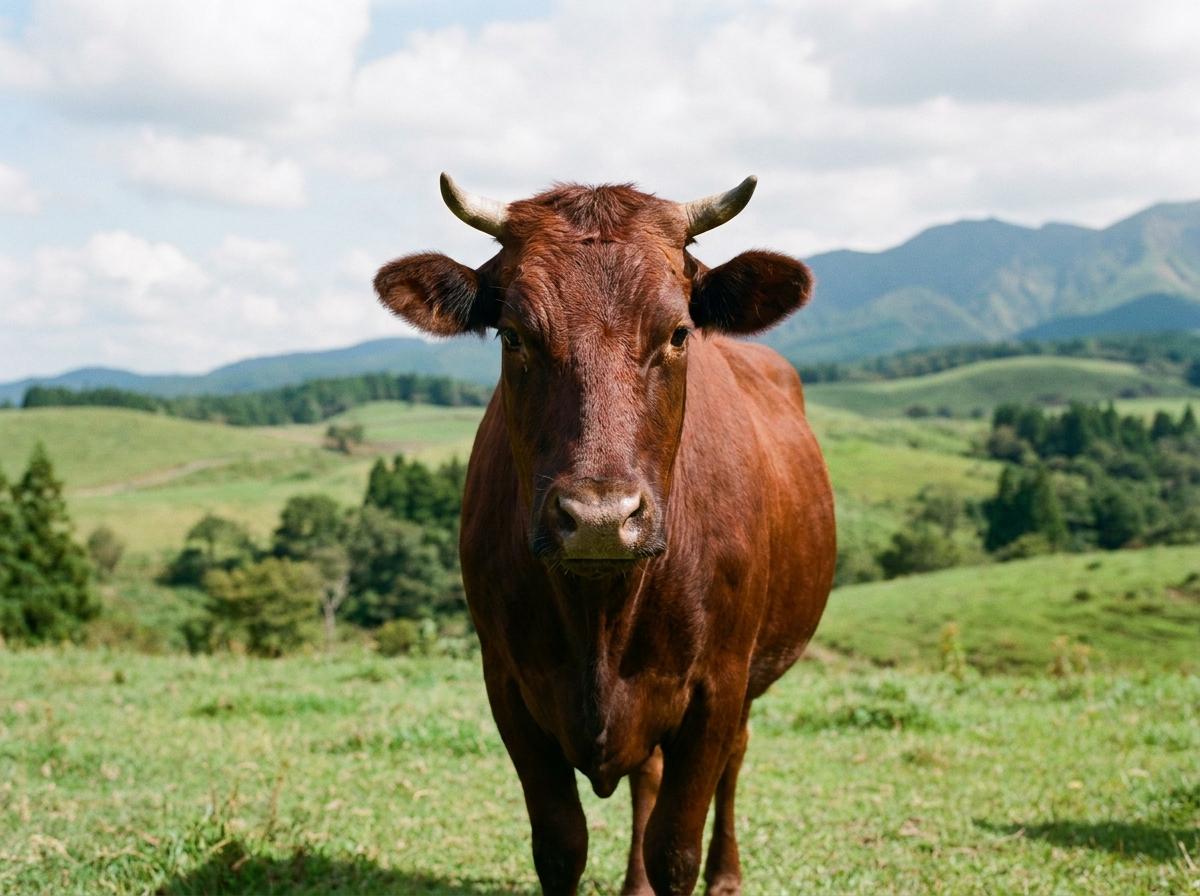
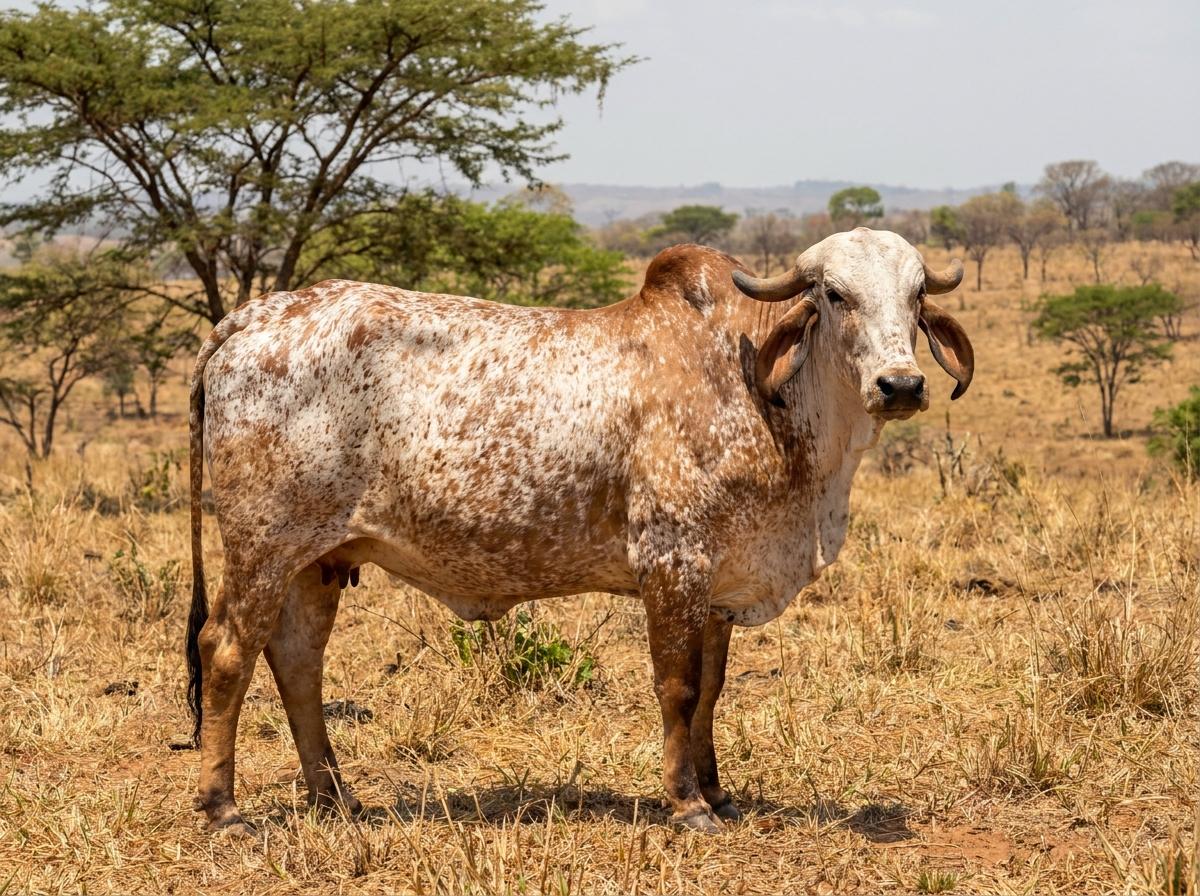
The head is the strongest starting point. The forehead is broad, prominent, and convex, overhanging the eyes enough to create a calm, partly closed appearance. Ears are strikingly long and pendulous, folded like leaves with a notch near the tip. The FAO paper describes horns leaving the head downward and backward before turning somewhat upward and forward.

Look at the whole animal, not one feature. Gir cattle have a zebu shoulder hump, loose pliable skin, a moderate dewlap, a long tail, and a proportionate body. Cows should have a functional udder rather than merely an extreme-looking one. Coat colors include red, red-and-white, and varied mottling. Color alone is weak evidence because many cattle can be red or speckled.
Sex, age, horn management, line, and condition change the silhouette. A young heifer will not have the mass or udder of a mature cow, and a bull’s hump and head are more pronounced. Photographs can help screen an animal, but pedigree and herd records establish more than appearance ever can.
Temperament and handling
Gir cattle are often described as manageable, but breed reputation is not a handling guarantee. Individual history, sex, pain, maternal state, isolation, facilities, and previous training all matter. A quiet cow can still move with enough force to injure a person.
Build handling around cattle behavior. Use sound non-slip alleys, visible exits, a defined escape route for handlers, and calm pressure-and-release movement. Do not stand in a blind corner, wrap a lead around a hand, or assume a familiar bull is safe. Horned animals need extra clearance at gates, feeders, and chutes.
Assess temperament during ordinary herd movement, restraint, hoof work, and separation. Ask how the seller records difficult events. One posed pasture photo says little about how an animal loads or enters a head gate.
Climate, shade, and daily care
Zebu ancestry and tropical development do not make Gyr cattle immune to heat, dehydration, parasites, mud, or feed shortages. Provide unrestricted clean water, shade that fits the whole group, air movement, dry resting space, and a heat plan based on local temperature and humidity. Watch respiration, drooling, bunching, shade use, and water consumption rather than trusting breed labels.

Match forage and supplements to body condition, growth, pregnancy, lactation, and analyzed feed. Sudden ration changes can disturb rumen function. Work with a cattle veterinarian or nutritionist for minerals, vaccination, parasite control, reproductive planning, and region-specific disease risks. Quarantine additions under a written herd-health plan.
Long ears, loose skin, hooves, eyes, and udders deserve routine inspection. Record lesions, lameness, mastitis signs, appetite changes, calving events, treatments, and withdrawal periods. Prompt veterinary help matters for difficult calving, inability to rise, severe bloat, neurologic signs, breathing distress, or rapid herd-wide illness.
Buying and breeding decisions
Start with your objective: milk for a measured system, breeding stock, a conservation herd, crossbreeding, or simply a compatible addition. Those are different purchases. Check whether local climate, pasture, milking equipment, transport, fencing, labor, and veterinary access suit the animal before evaluating color.
Ask the seller for:
- Registry and pedigree documents, with every animal’s permanent identification.
- Sire and dam records, including whether any ancestors are crossbred.
- Complete lactation histories with calving dates, days in milk, and testing method.
- Fertility, calving-ease, and calf-survival records rather than only successful examples.
- Vaccination, testing, parasite, treatment, and movement documentation required in your area.
- Current ration, body-condition trend, hoof history, temperament notes, and reason for sale.
Confirm the documents with the issuing registry when possible. Arrange an independent veterinary examination and follow local testing, movement, and import rules. Never infer disease status from a clean coat or a prestigious pedigree.
For a contrasting current cattle profile, see the Black Hereford hub. It has a different registry history and breeding framework, so the names and paperwork should never be blended.
Frequently asked questions
Are Gir and Gyr different breeds?
No. They are spelling variants for the same cattle breed. India’s official registry uses Gir; Gyr is common internationally.
Is Gyr the same as Brahman?
No. Both are zebu cattle, but they are distinct breed identities. Do not identify an animal from the hump or ears alone.
What are the clearest Gyr traits?
A strongly convex broad forehead, very long folded pendulous ears, curved horns, a shoulder hump, loose skin, and red or mottled coat patterns form the classic combination.
How much milk does a Gyr cow produce?
There is no honest universal number. Line, age, lactation stage, nutrition, climate, health, milking frequency, and data method all change output. Ask for complete comparable records from the herd you are considering.
Are Gyr cattle heatproof?
No cattle are heatproof. Gyr cattle developed in a warm region, but they still need shade, abundant water, appropriate nutrition, air movement, and observation during heat stress.
Do this next on Creatures
Use Creatures to keep the spelling question simple and the herd evidence detailed.
Find cattle. Browse the Gyr marketplace filter or save a Gyr alert. See saving searches and using your watchlist.
Research herds. Use the breeder directory, then compare registry, pedigree, health, fertility, calving, and production evidence.
Identify each animal. Create a Gyr profile, with no account needed to begin. Follow adding an animal to Creatures.
Track herd events. Open the record sheet. Visitors can explore it, and a free account saves entries. Read adding a record and health and medical records.
Represent a herd. Create a cattle organization profile, with no account needed to start.