

Highpark
Author: Elliott Garber, DVM · Published
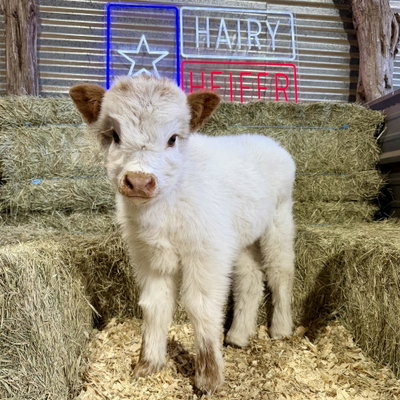
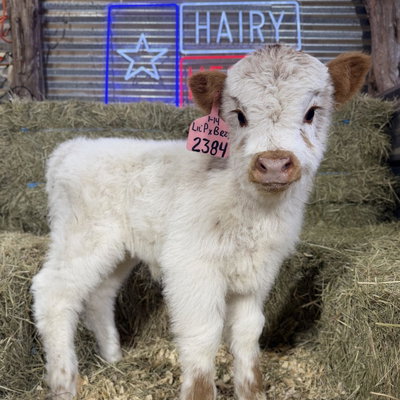
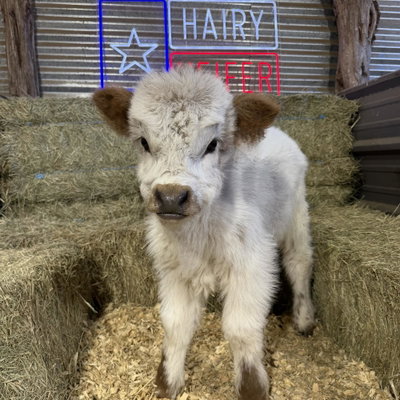
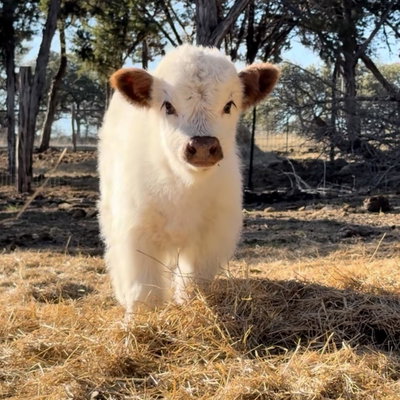
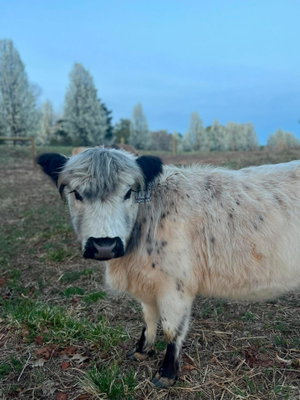
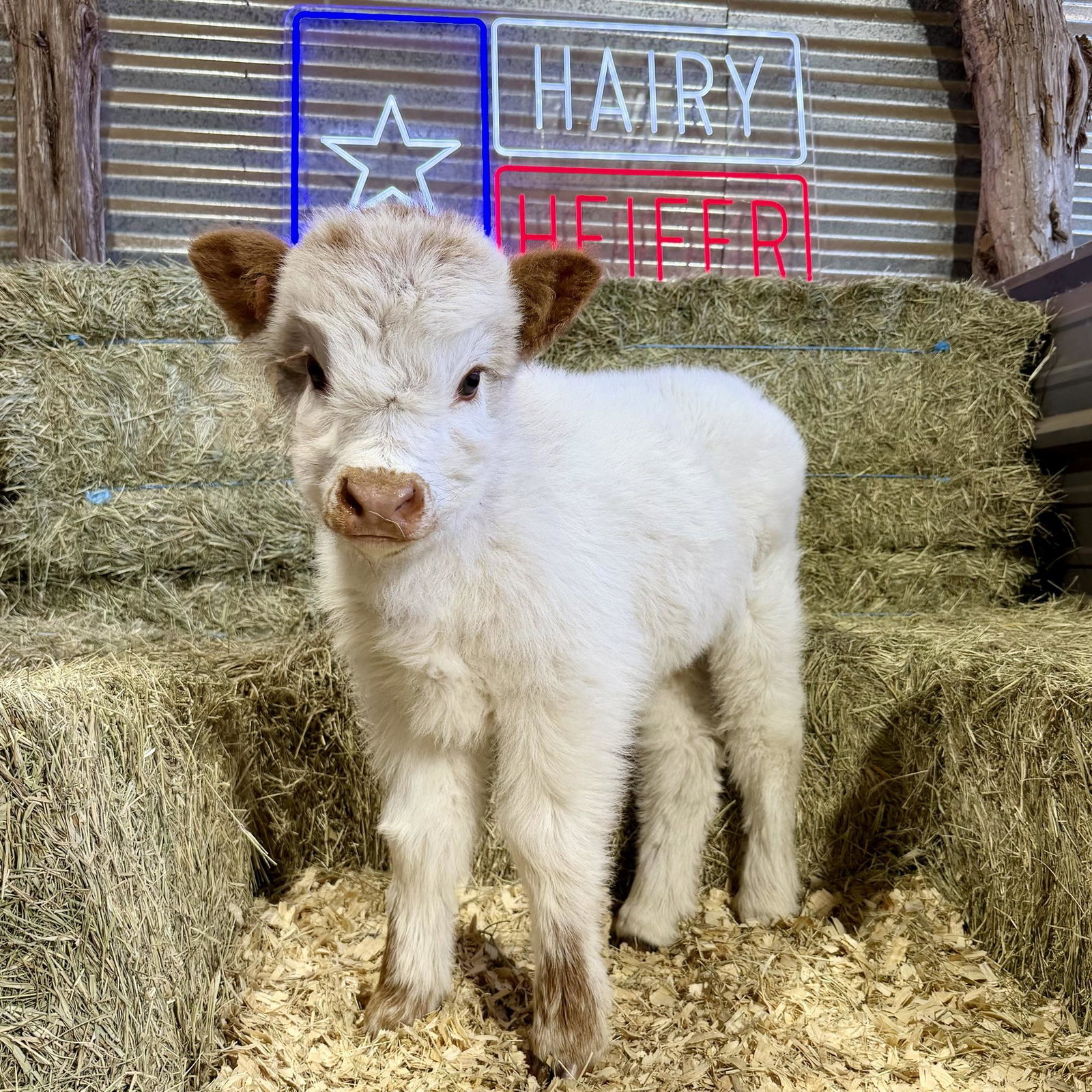
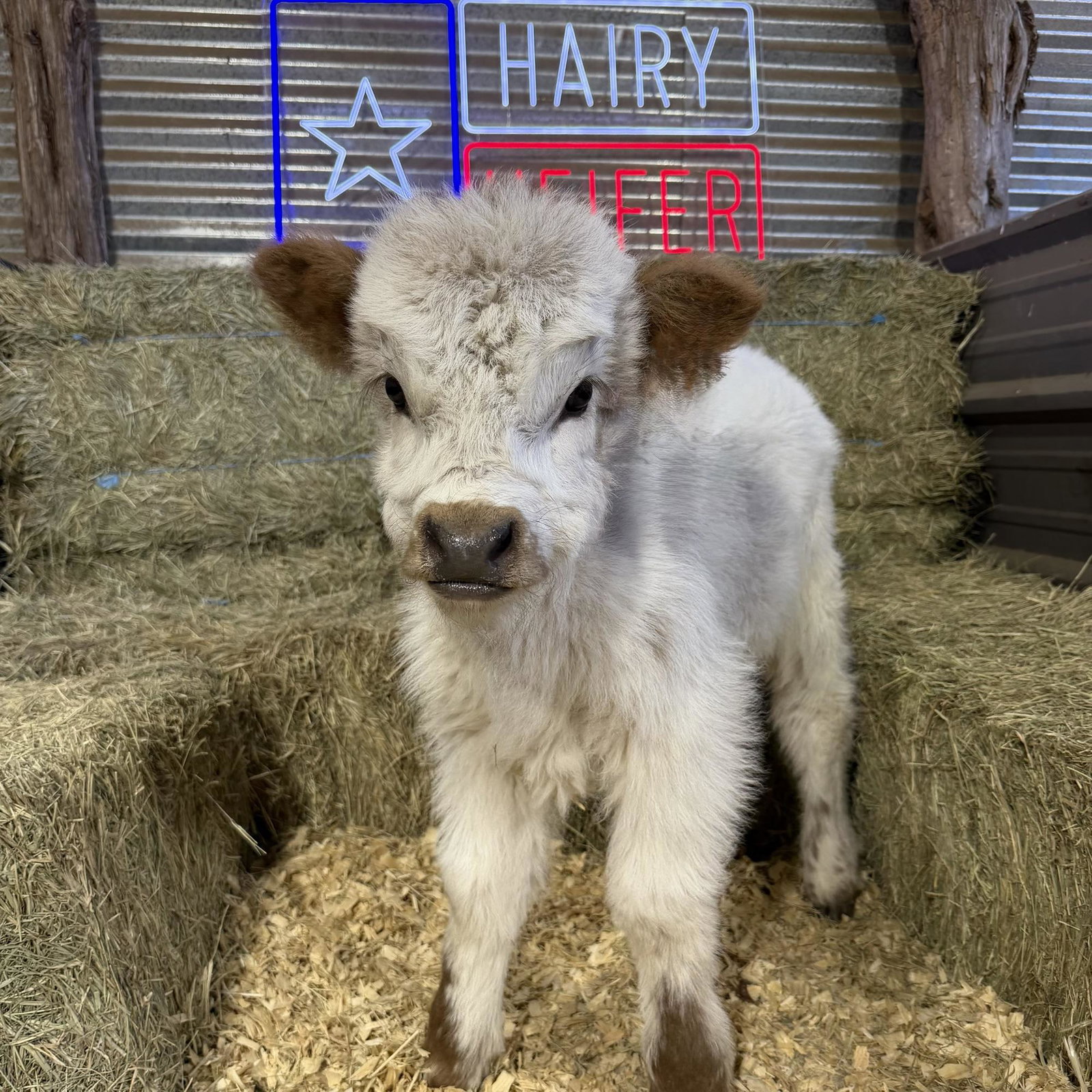
Highpark is a name commonly used for shaggy, Highland-influenced cattle with a pale body and colored points. It is also a market label whose meaning can vary between breeders. A seller’s use of the name does not establish a universal genetic percentage, adult height or registration category.
For a buyer, the useful starting point is a documented animal: its parents, age, measurements, health history and intended role. The attractive coat pattern can help you recognize the type being discussed, but it cannot supply the missing records.
The cattle hub provides a wider comparison of breeds and types. For program research, find Highpark breeders and ask for documented ancestry and adult-size evidence, confirming current stock directly.
| Identity | A developing cattle type and variable market label |
|---|---|
| Common appearance | Shaggy pale coat with colored points |
| Ancestry | Request the actual pedigree; no universal fixed percentage |
| Size | Adult measurements matter more than calf photographs |
| Miniature distinction | Check the named registry’s age and measurement rules |
| Selection priority | Sound cattle, documented parentage and suitable facilities |

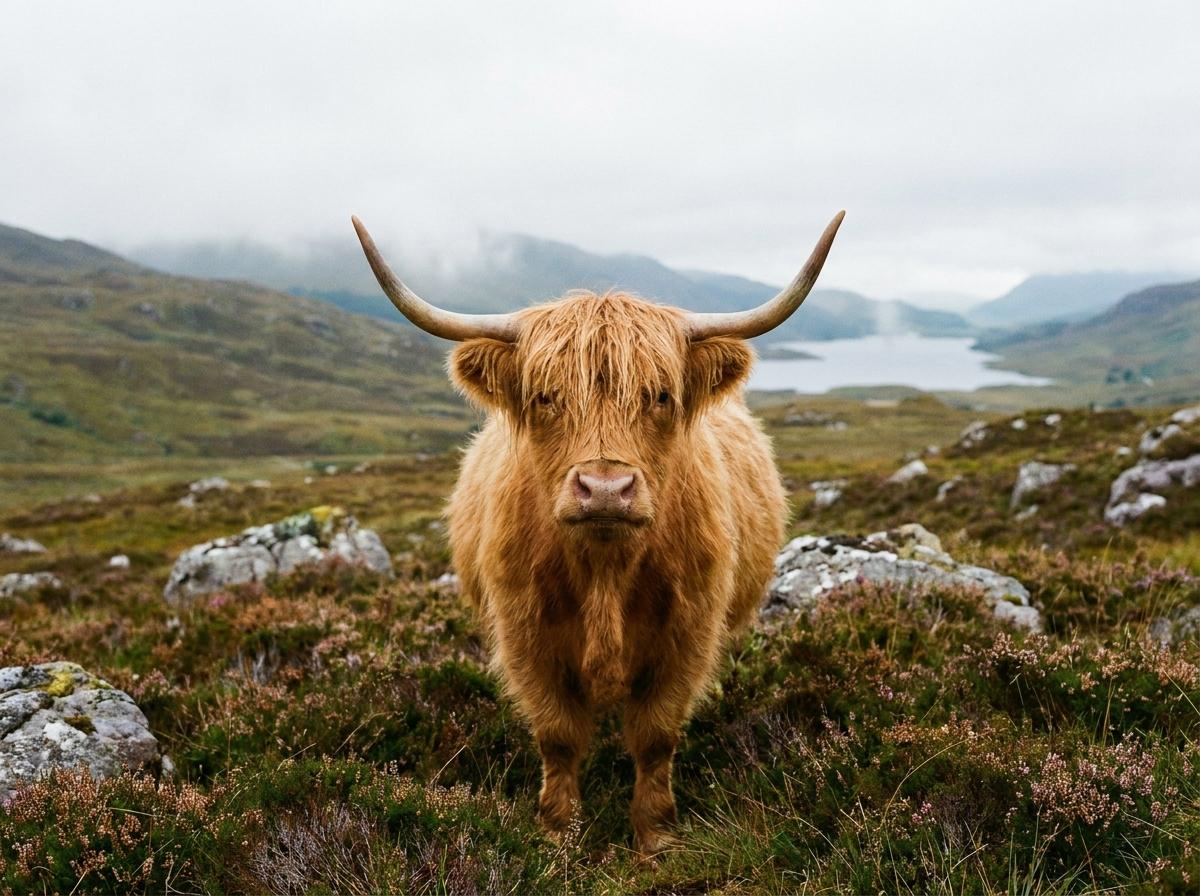
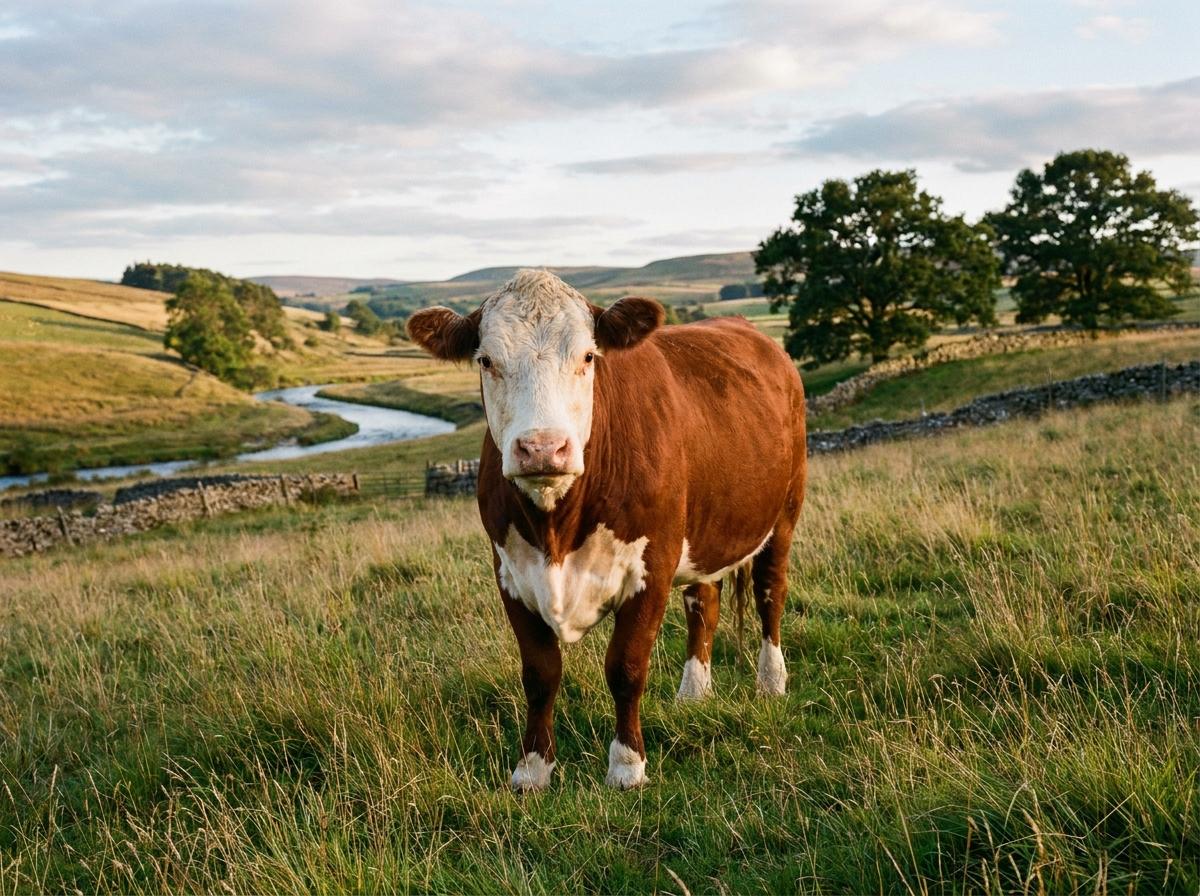
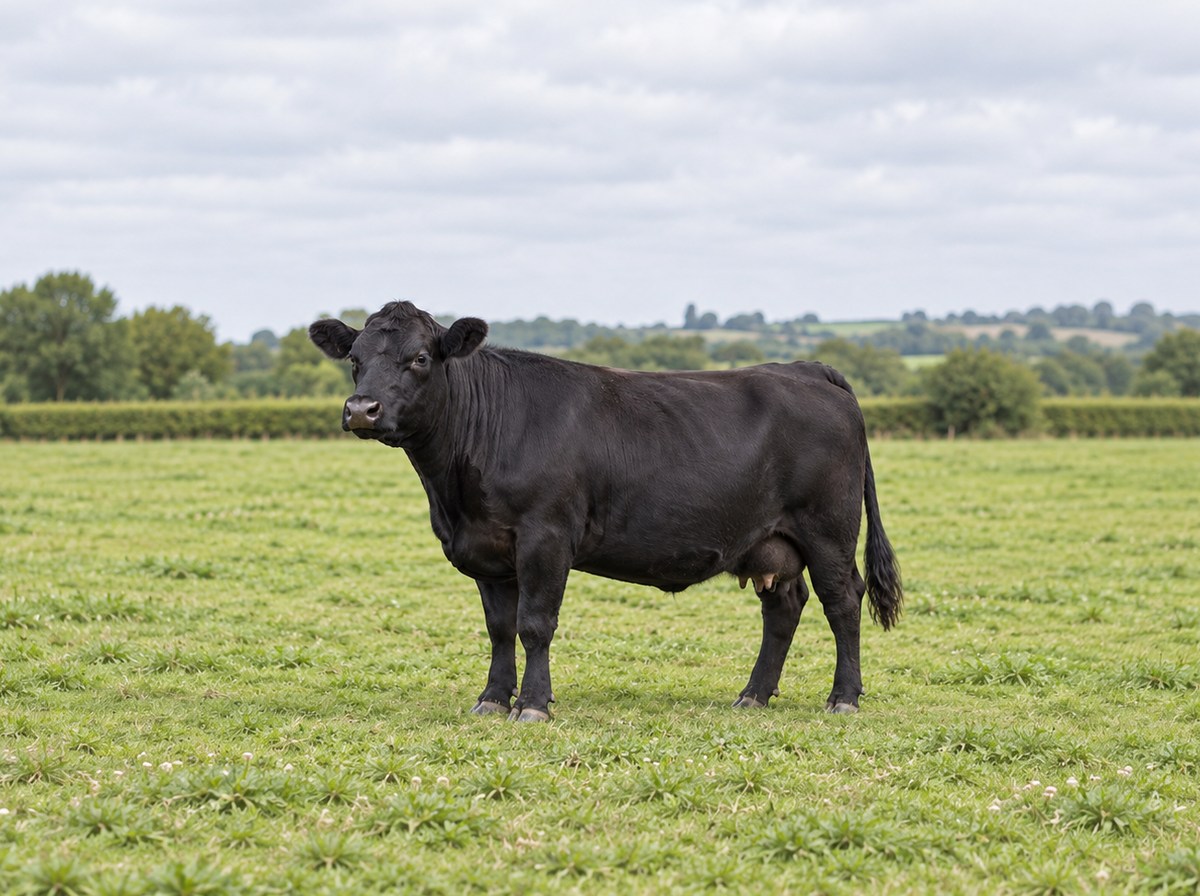
AI-generated illustration. An educational reconstruction, not actual stock.
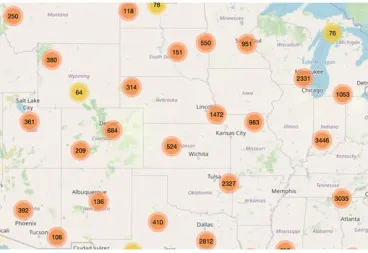
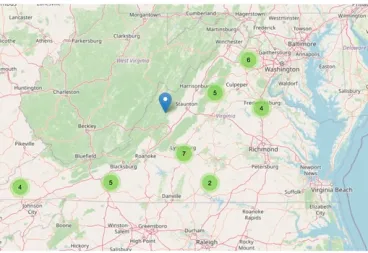
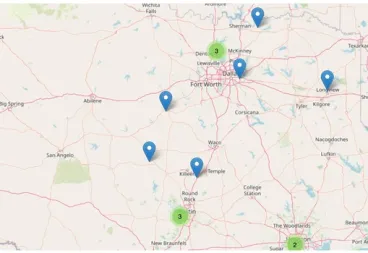
Browse listings, public profiles, breeders, or add your animal.
What does Highpark mean?
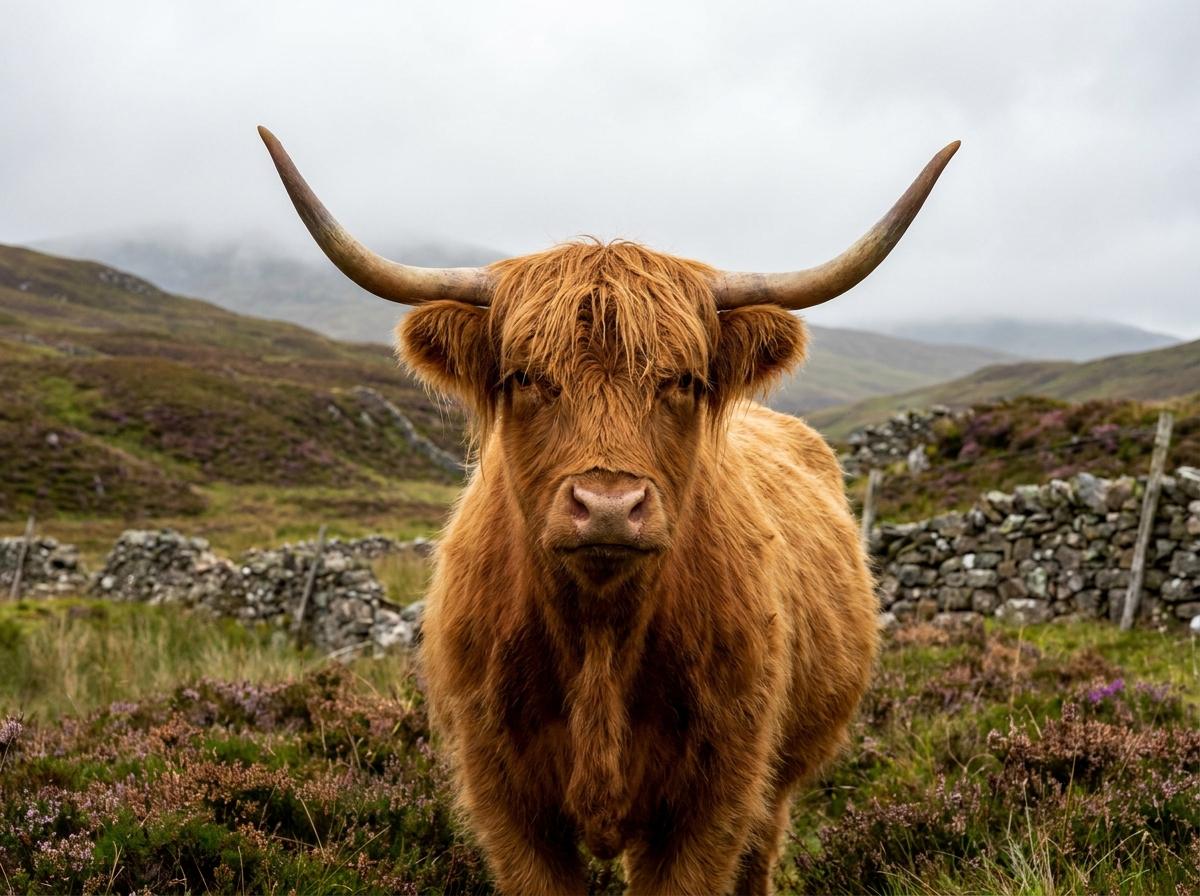
Highpark breeding often aims to combine a long, shaggy coat with park-style coloring, especially a pale body and darker ears, muzzle and eye markings. Breeders and registries may define their own preferred appearance and acceptance rules.
The name reflects Highland and Park-cattle influence, including White Park, in proportions that the market label alone does not define. IMCBR’s explanation describes that cross and notes variation in the Park ancestry behind it.
For example, the HighPark Cattle Registry publishes criteria covering colored points, long hair, conformation and height. It also permits horned, polled or dehorned animals under its rules. Those are one registry’s breed standards, not proof that every animal marketed as Highpark follows them.
Ask what the name means in the particular herd. Request the actual parent breeds and their recorded ancestry. If a seller gives a percentage, ask how it was calculated and which records support it. Do not convert the label into a fixed Highland-to-Park formula.
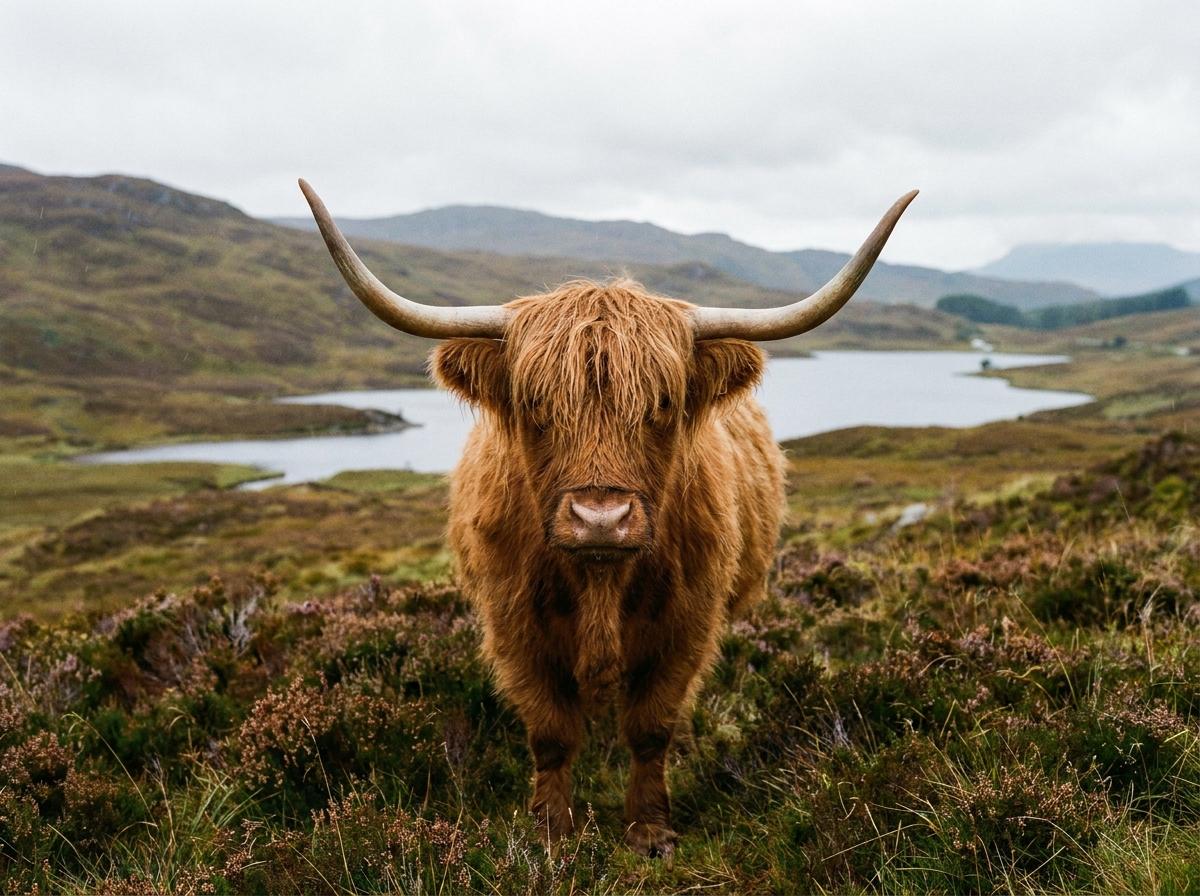
Related Highland cattle can help explain the familiar shaggy appearance, but a Highland-like coat does not establish a complete pedigree.
Standard, small or miniature?
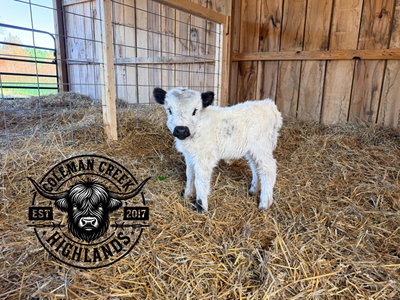
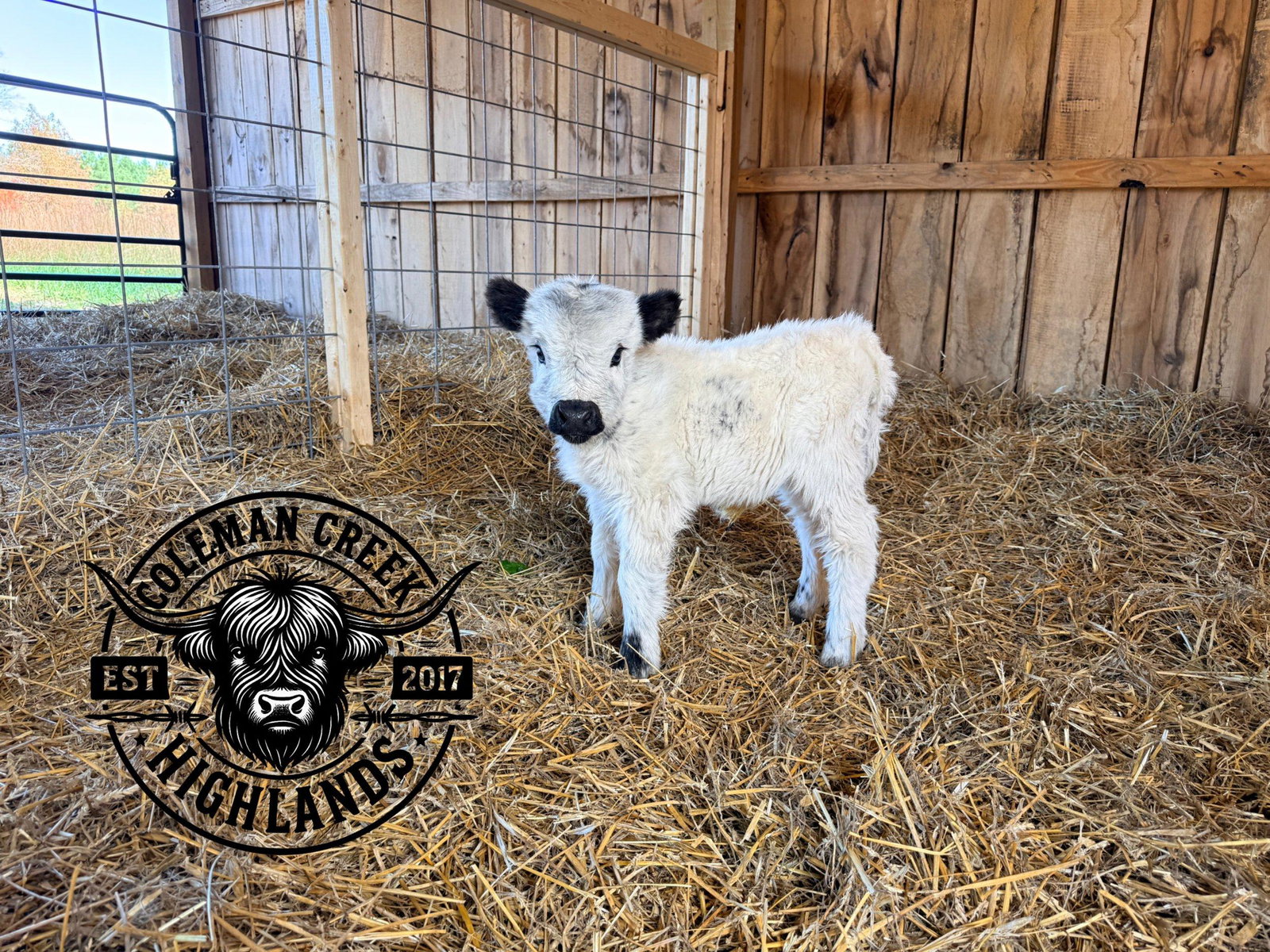
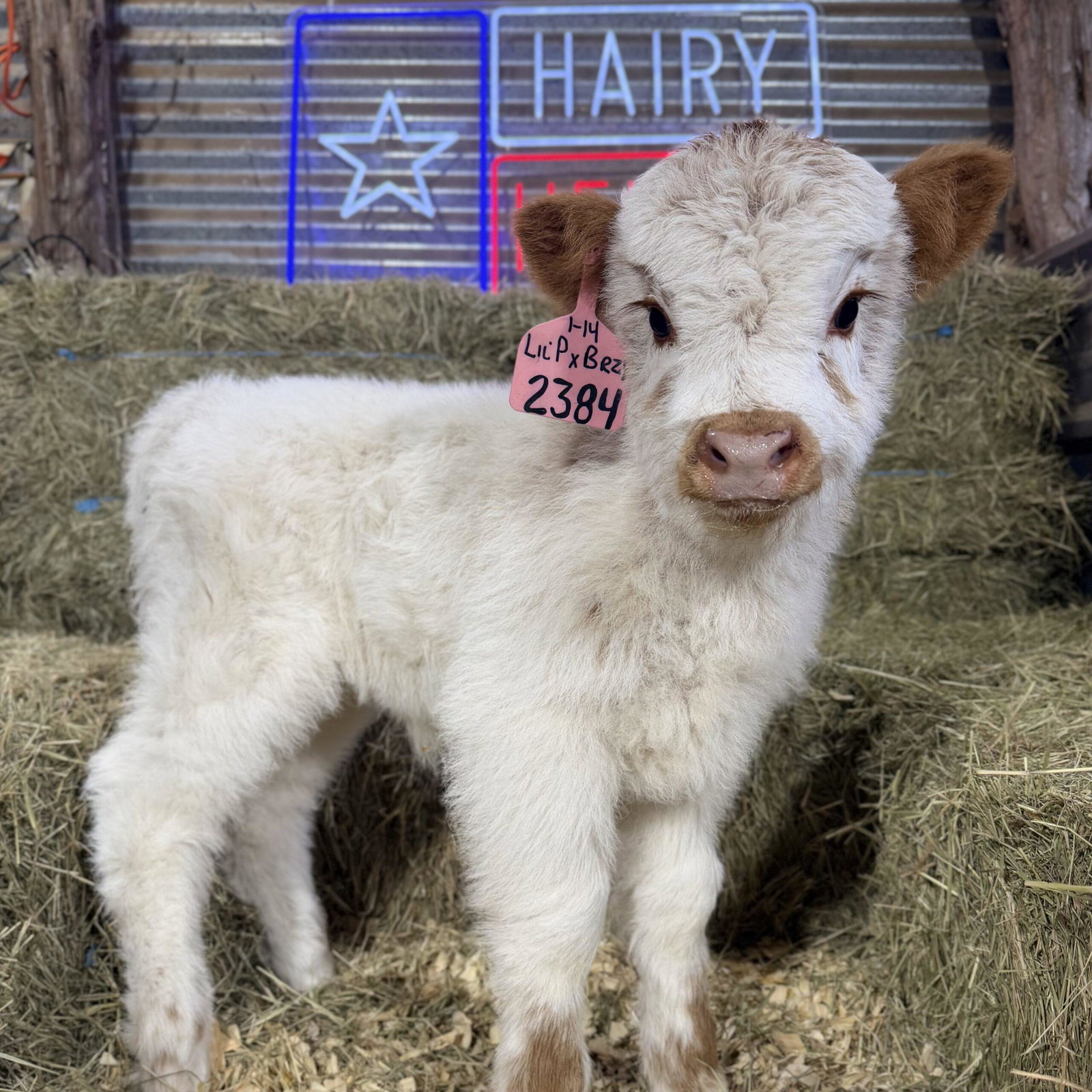
Highpark does not automatically mean miniature. A young calf can look compact before substantial growth, and photographs can make size difficult to judge.
Ask for the date of birth, current height, measurement method and mature measurements of both parents. The age at measurement matters: a number taken on a calf cannot be treated as its adult height. If a registry size class is claimed, request the specific rule and the evidence that the animal meets it at the required age.
Creatures keeps Miniature Highpark on a separate hub, with a separate Miniature Highpark breeder directory. Those pages help keep the size-specific search distinct. The main Highpark directory should not be read as a count of miniature cattle programs.
An adult-size estimate is still an estimate. Put any seller commitment about size in writing, including what is being promised and how it would be assessed. A cute photograph beside a bucket is not a measurement record.

AI-generated illustration. A portrait crop, not a complete husbandry setup.
Choose the animal before choosing the markings
Decide whether you want breeding stock, a steer for a managed companion herd or cattle for a defined beef system. Those purposes need different evidence. A calf suitable for one role is not automatically a good choice for another.
Useful checks include:
- Observe a normal walk and look for sound feet, comfortable movement and balanced legs.
- Ask about the mouth, previous injuries and veterinary treatment.
- For breeding females, request calving and udder records where they exist.
- For a breeding male, discuss reproductive soundness with a veterinarian.
- Watch ordinary handling, including how the animal is caught and moved through a gate.
Hair can hide condition and body shape, so assess the animal carefully with an experienced cattle person. Good markings do not compensate for persistent lameness, an unsuitable bite or a history that the seller cannot explain.
Temperament is also individual. A hand-fed calf may behave differently as a mature animal, particularly if it is an intact male. Choose your handling arrangements for adult cattle and maintain clear boundaries from the beginning.
Coat color does not guarantee the next calf
Parents with similar markings can still produce offspring that differ in color, hair, horn status or size. A photograph of a previous calf is useful context, but it does not promise an identical result from the next mating.
Ask for several years of offspring records from the proposed parents or closely related matings. Record which sire and dam produced each calf. If a genetic test is offered as evidence, request the laboratory report and an explanation of the specific trait tested. A test for one color trait does not establish an entire breed pedigree.
This is particularly relevant when an asking price depends on a predicted future appearance. Keep what is observed, what is documented and what is forecast separate in the agreement.
Plan for cattle care at full adult size
Provide cattle companions, secure fencing, reliable water and facilities that can safely restrain the animal. Horned cattle need feeders and gateways that accommodate their horns without trapping them. The Defra cattle welfare code emphasizes facilities matched to the animals and competent stockmanship.
Discuss seasonal feed, shade and weather protection with local advisers who know your land. A small stature or thick coat should not become a reason to skip a forage budget, veterinary plan or means of transport.
For US pasture planning, University of Maryland Extension’s shade guidance recommends enough shade for every animal, clean cool water and less unnecessary movement during the hottest hours.
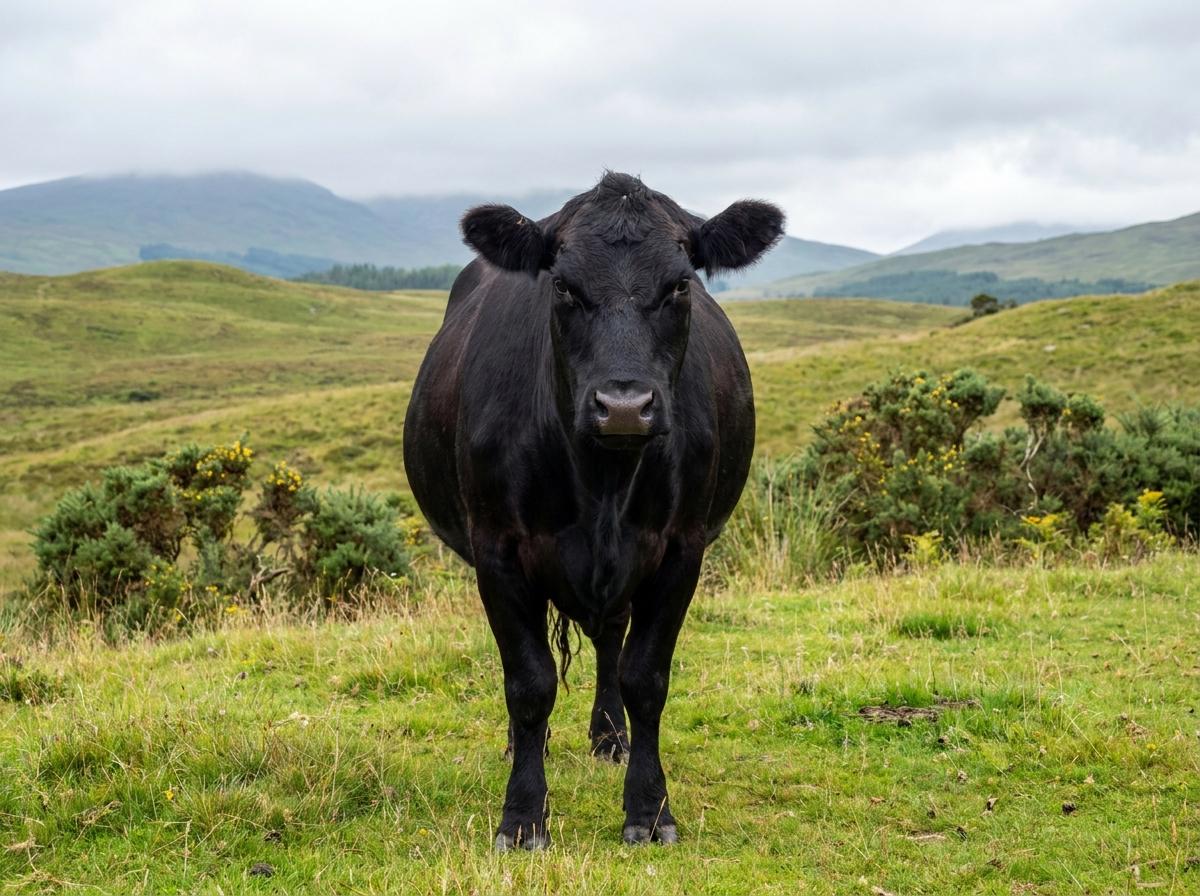
The illustrations show one possible horned adult appearance. They do not establish a miniature height, a breeding percentage or an exhibition qualification.

AI-generated illustration. An educational reconstruction, not actual stock.
What affects a Highpark’s price?
Asking prices may reflect age, sex, breeding status, documented ancestry, size claims and appearance. They also vary with location and the terms of the sale. Compare individual animals with similar evidence rather than relying on a single internet price range.
Ask who owns the animal, what identification accompanies it and whether registration transfer is included. Clarify weaning status, transport, health documentation and any size or breeding assurance before paying a deposit. A premium for appearance should remain separate from the cost of facilities, companions and ongoing care.
Common questions
Is Highpark one fixed cross?
The market name does not establish a universal percentage. Ask for the actual pedigree and the rules of any registry being claimed.
Are all Highparks miniature?
No. Verify adult size and any age-specific size classification. Keep miniature searches distinct from the general Highpark label.
Can Highparks be hornless?
The cited registry allows polled or dehorned animals as well as horned cattle. Ask which applies to the individual; an absent horn does not by itself identify its genetics.
Do this next on Creatures
Find Highpark breeders and compare the documented ancestry, adult-size evidence and care behind each program. Confirm current stock directly.