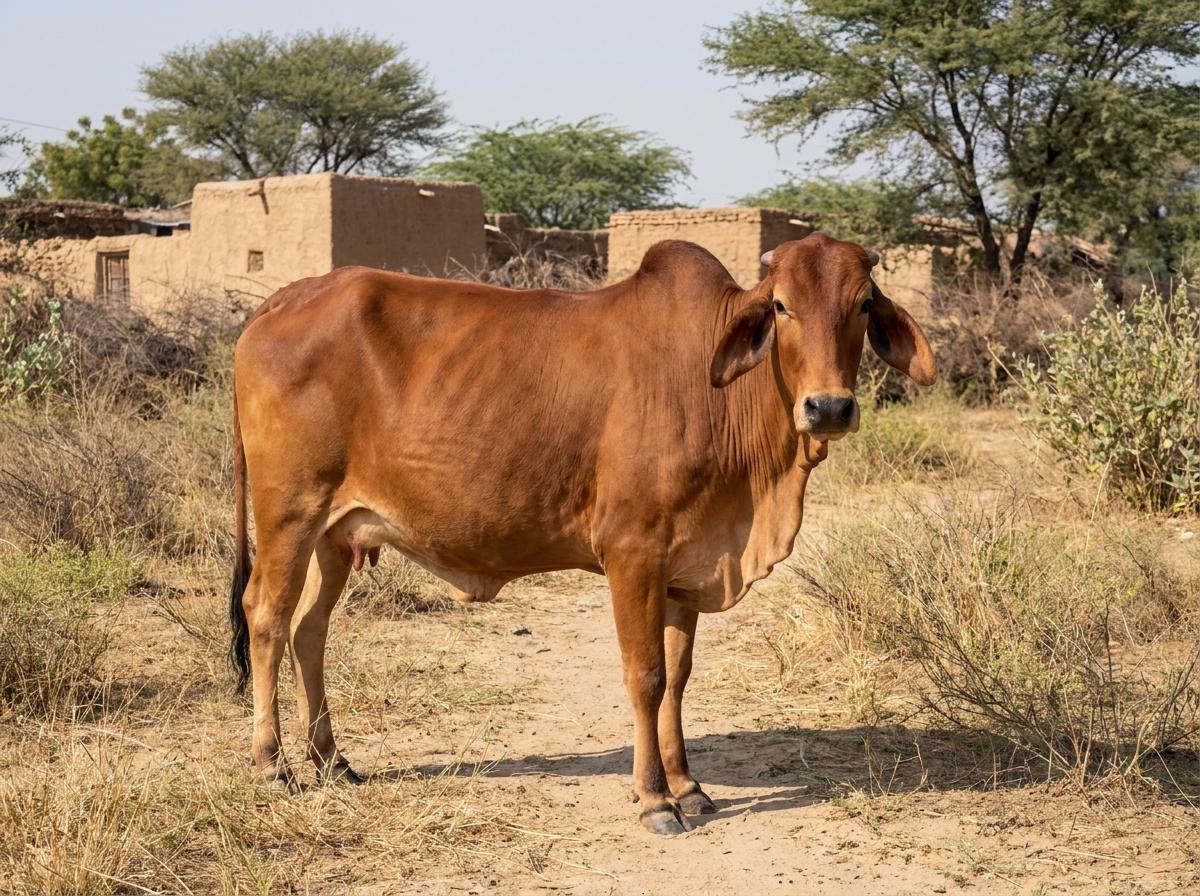
Karan Swiss
The Karan Swiss is a synthetic dairy strain built at the ICAR-National Dairy Research Institute in Karnal, India, by crossing American Brown Swiss bulls onto Sahiwal and Red Sindhi zebu cows. It is not a landrace that someone found in a village and named, and it is not a one off F1 cross either. It is a deliberately engineered dairy population, started in 1963, merged into a single breeding group in 1980, and held since then at roughly half European and half zebu inheritance. Its sibling, the Karan Fries, came out of the same institute from Tharparkar cows and Holstein Friesian bulls, which is why the two get mixed up constantly. This page separates them, gives the milk figures with the basis they were measured on, and is honest about the part crossbreeding programs rarely advertise: what a herd gives up in heat and disease tolerance when it takes on European dairy genes. If you keep crossbred dairy cattle yourself, the Creatures cattle species page is where you can compare strains and start a record for your own animals.

Browse listings, public profiles, breeders, or add your animal.
Karan Swiss and Karan Fries are not the same breed
Get this straight first, because almost every mix up about the Karan Swiss starts here. Two synthetic dairy strains came out of the same institute, both carry the “Karan” prefix after Karnal, and they are routinely swapped in breed lists and exam answers.
They are different animals from different parents, built at different times, to answer different questions.
- Karan Swiss. Zebu side: Sahiwal, with a smaller number of Red Sindhi cows. Exotic side: American Brown Swiss. Started 1963. Present day exotic inheritance around 50 percent.
- Karan Fries. Zebu side: Tharparkar. Exotic side: Holstein Friesian, after a screening phase that also tested Brown Swiss and Jersey. Started 1971, named in 1982. Holstein inheritance stabilized at 62.5 percent.
The development history for both is set out in the peer reviewed evaluation of the two herds by Singh and Gurnani, published in the Asian-Australasian Journal of Animal Sciences in 2004, which remains the clearest single account of how each strain was assembled.
There is now a second, sharper difference. In November 2025 ICAR-NBAGR registered sixteen new livestock and poultry breeds, including three synthetics. Karan Fries was one of them. Karan Swiss was not in that announcement. So the younger sibling now holds a national breed registration and the older one does not, which matters if you are trying to work out why one name turns up in official breed lists and the other mostly turns up in research papers.
What “synthetic breed” means here
A synthetic breed is a population built on purpose from two or more parent breeds and then closed and bred within itself until it comes true, rather than a landrace shaped over centuries by a region. ICAR-NDRI’s own Animal Genetics and Breeding division describes Karan Fries and Karan Swiss in exactly those terms, as two synthetic breeds or crossbred populations in cattle that the division developed.
The distinction is practical, not academic. A first cross between a Brown Swiss bull and a Sahiwal cow is an F1: predictable in that generation, unpredictable in the next, because the parental gene combinations shuffle apart again. To get a population that breeds reasonably true, a program has to fix a target level of exotic inheritance, mate the crossbreds to each other instead of going back to the parent breeds, and then select within the closed population for generation after generation. That is what happened at Karnal, and it is why the Karan Swiss is a strain in its own right rather than a recipe you can reproduce at home with an imported straw.
How the Karan Swiss was built
The program began in 1963 with a plainly stated aim: to evolve a crossbred strain carrying exotic inheritance that would still suit Indian tropical conditions. Note the second half of that sentence. Yield alone was never the whole target.
The zebu foundation was Sahiwal, the higher yielding of the two indigenous dairy breeds ICAR-NDRI keeps in its own herd, together with a smaller number of Red Sindhi cows. On the exotic side the institute chose the American Brown Swiss for three reasons recorded in the 2004 evaluation: high milk production, high fat content, and a coat color that matched the Sahiwal and Red Sindhi it was going onto. That last reason is easy to skip past and worth pausing on, because it tells you the program wanted a population that looked coherent, not a patchwork.
Frozen semen from nine proven Brown Swiss bulls was imported, averaging a breeding value of 5,400 kg per lactation. From those matings the institute produced F1s, F2s, half breds, and a three quarter Brown Swiss group. Testing across those genetic groups found no significant heterosis effect for production, meaning the hybrid vigor bonus that crossbreeding is often sold on did not show up in the yield data here.
That result shaped what happened next. In April 1980 the institute’s breeding committee stopped running the groups separately, merged them all into one population, and switched to straight selective breeding on expected breeding value. The target level of exotic inheritance was set at one half to five eighths, and present day Karan Swiss cows are expected to sit at about 50 percent exotic.

What a Karan Swiss looks like
Here is an honest limitation to set out before any description. Because the Karan Swiss is not a nationally registered breed, there is no official breed descriptor publishing standard heights, weights and color ranges the way there is for a registered indigenous breed. Figures that circulate online for Karan Swiss body weight and height come from secondary compilations rather than from an Indian institutional standard, and this page does not repeat them. If you see a confident set of measurements for this strain, ask where they were measured.
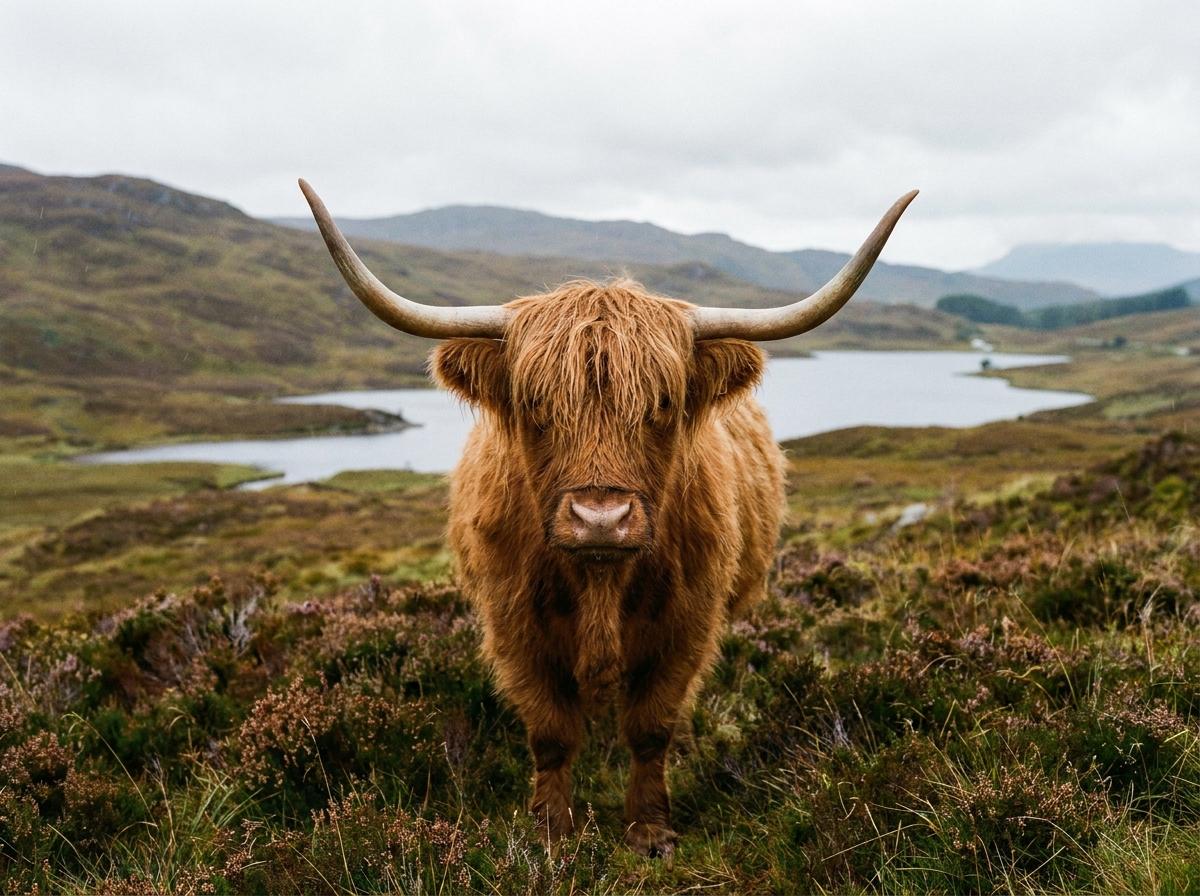
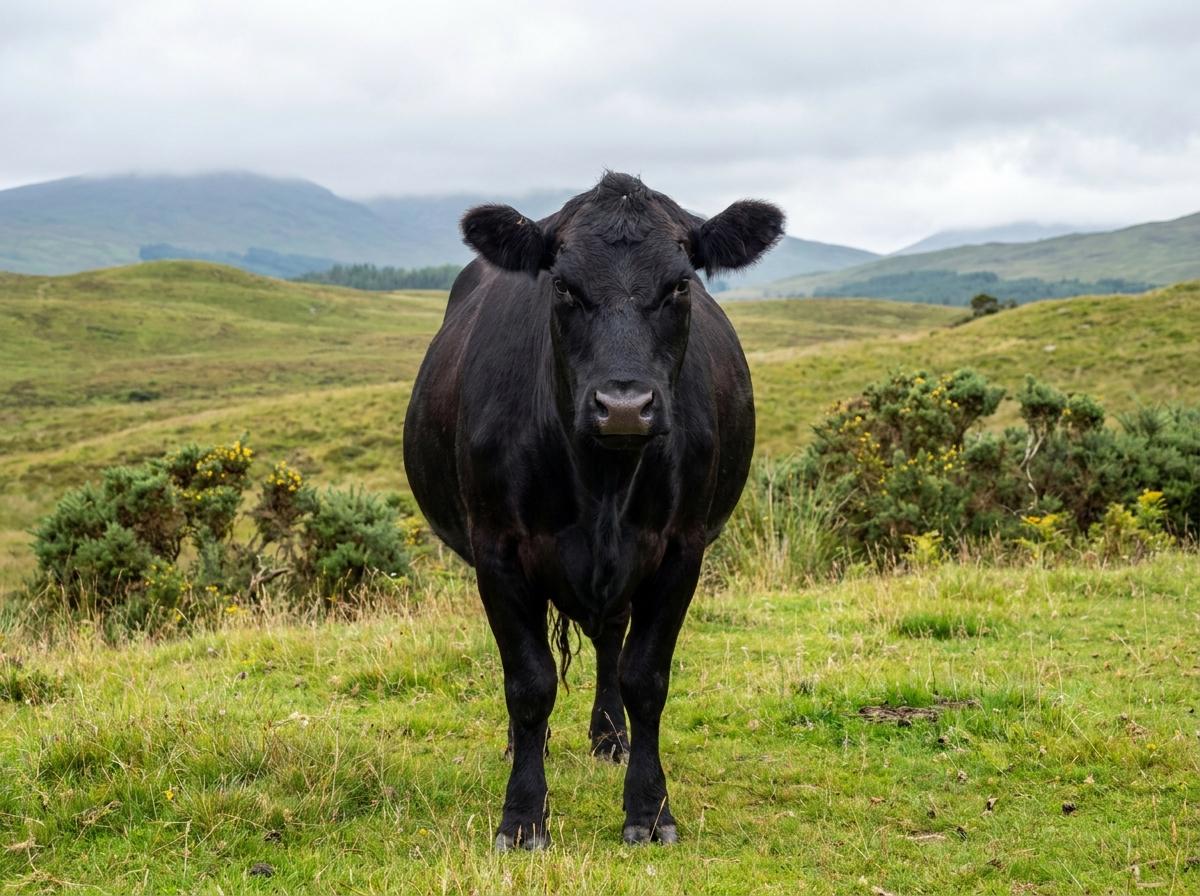
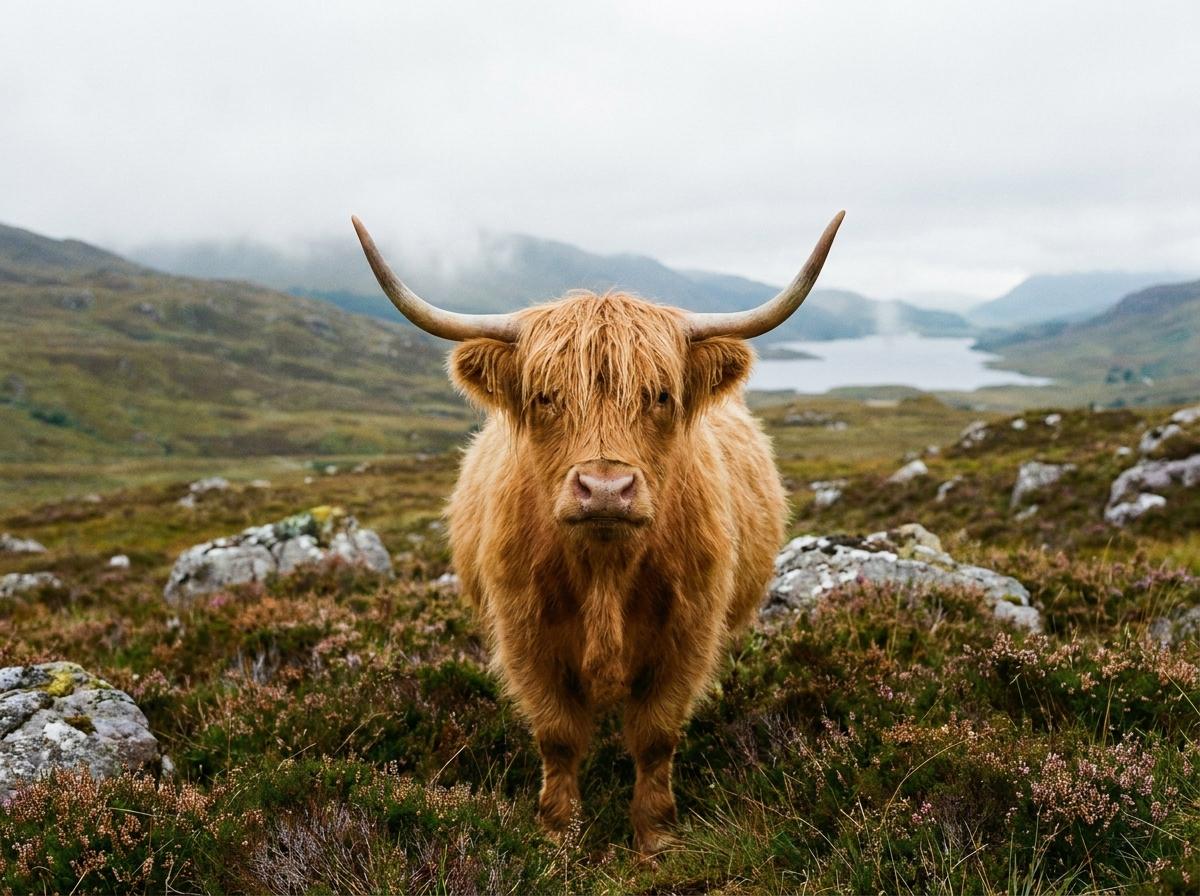
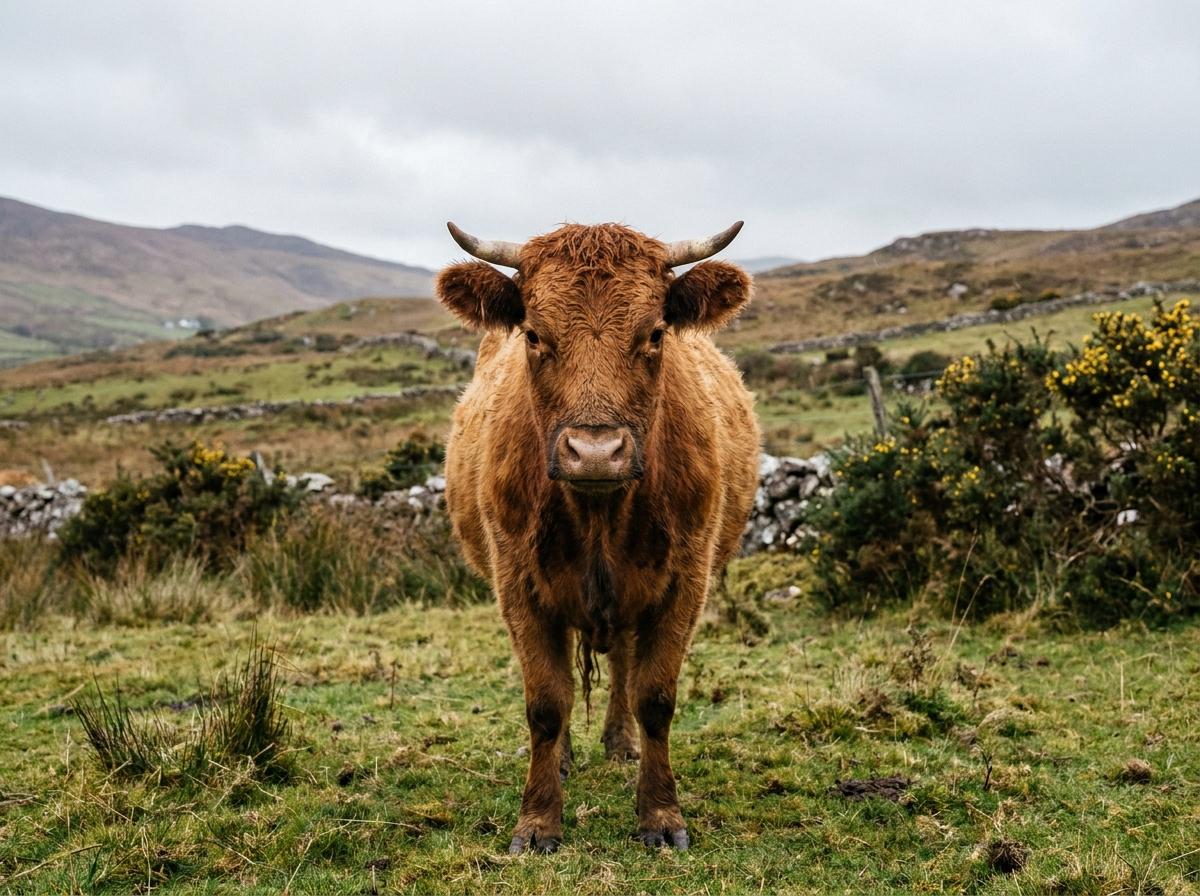
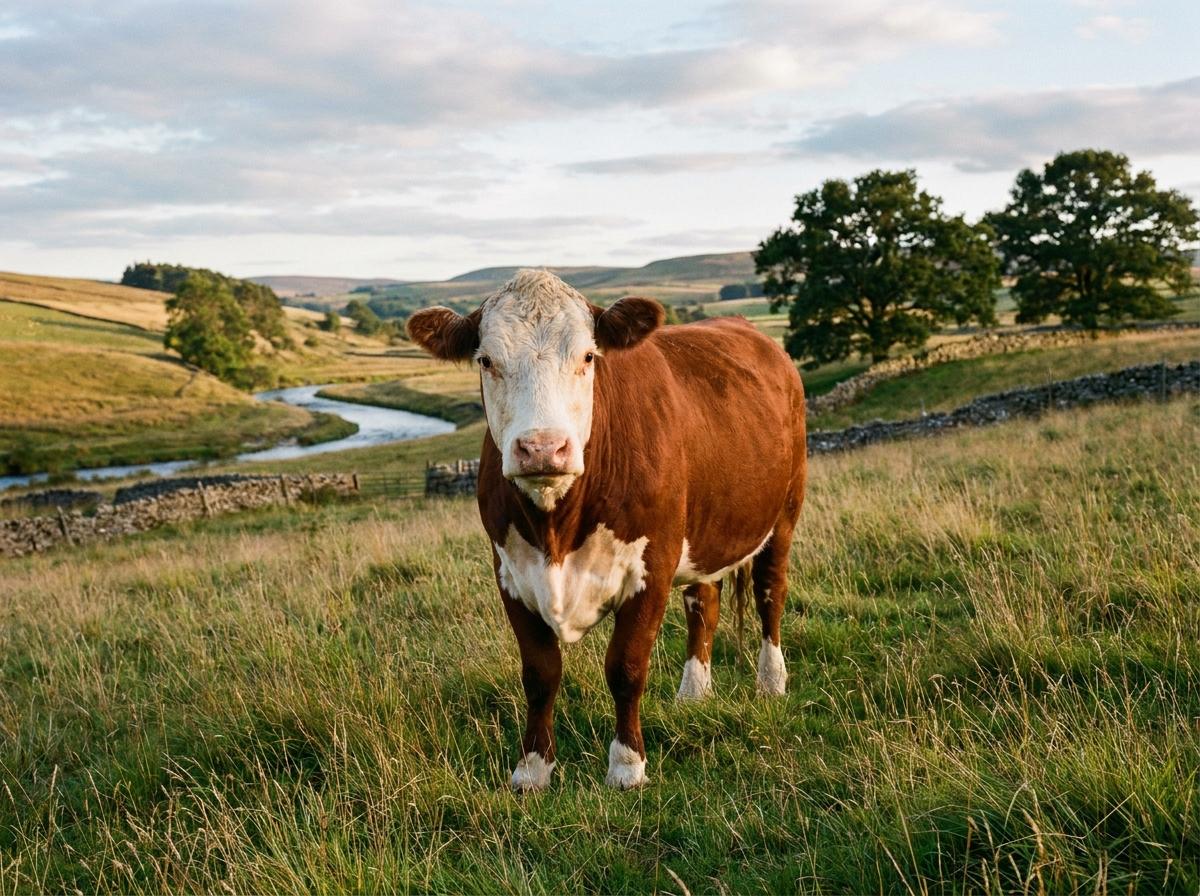
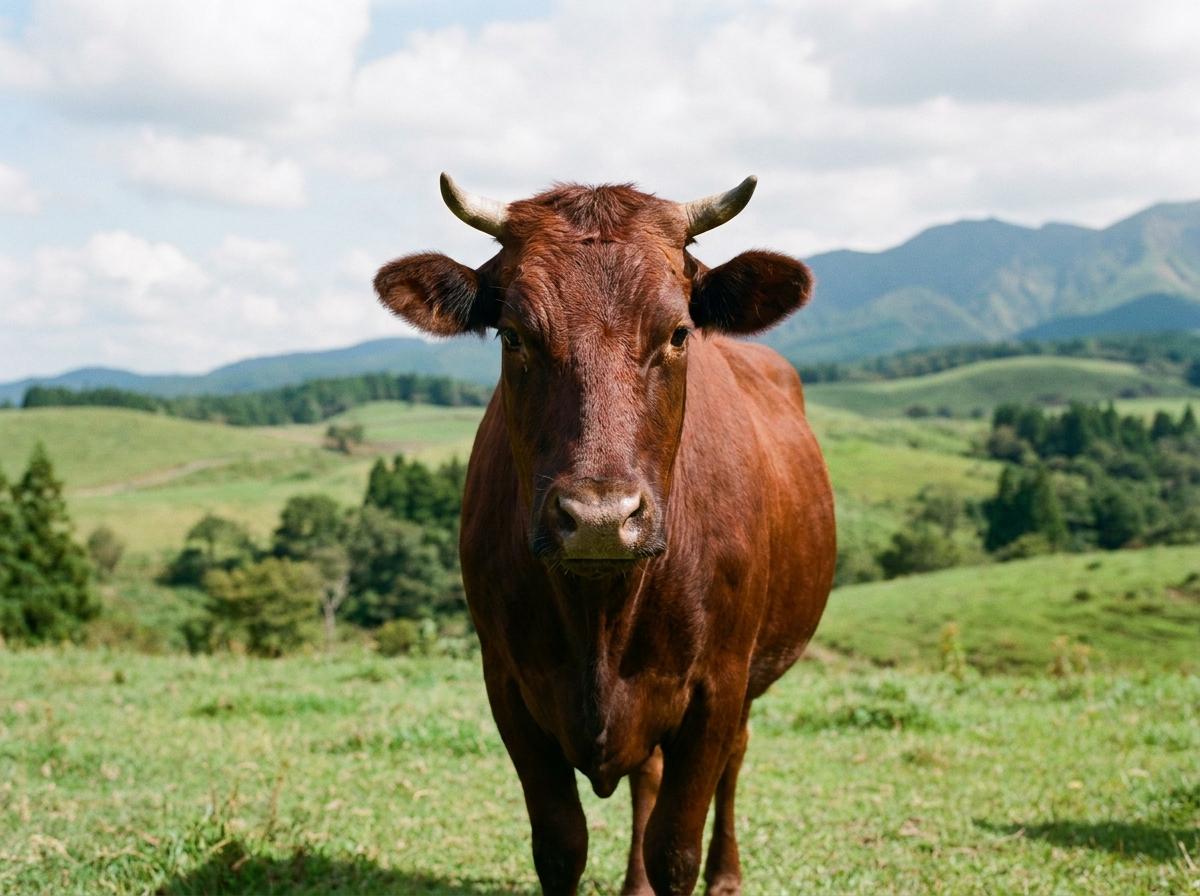
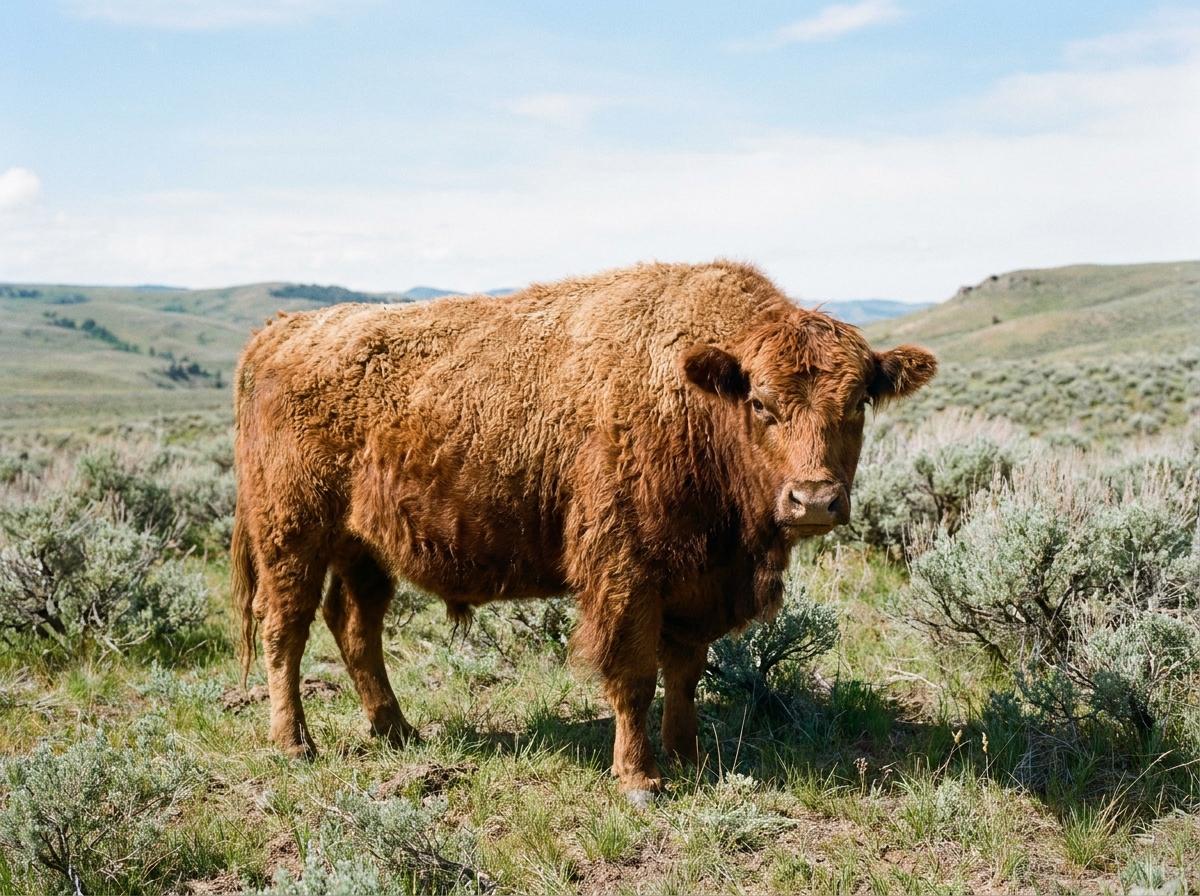
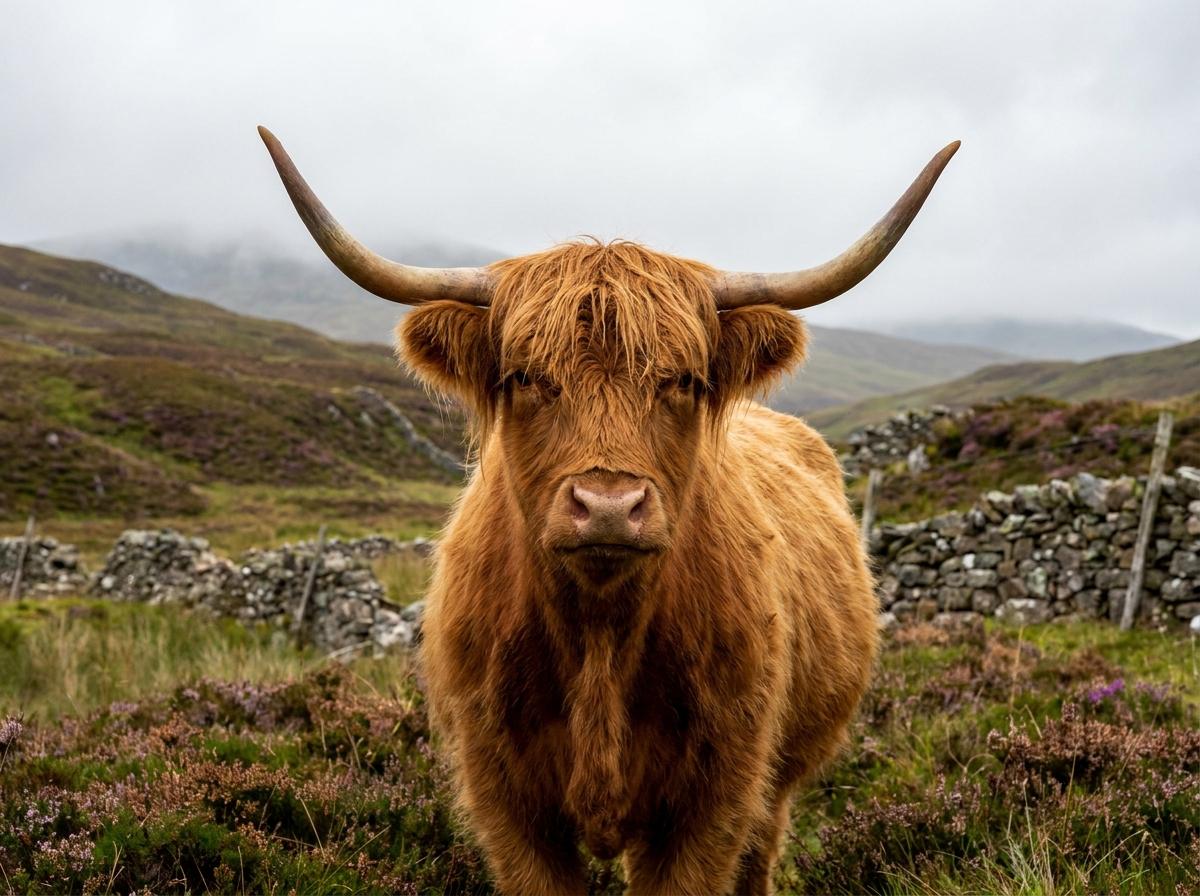
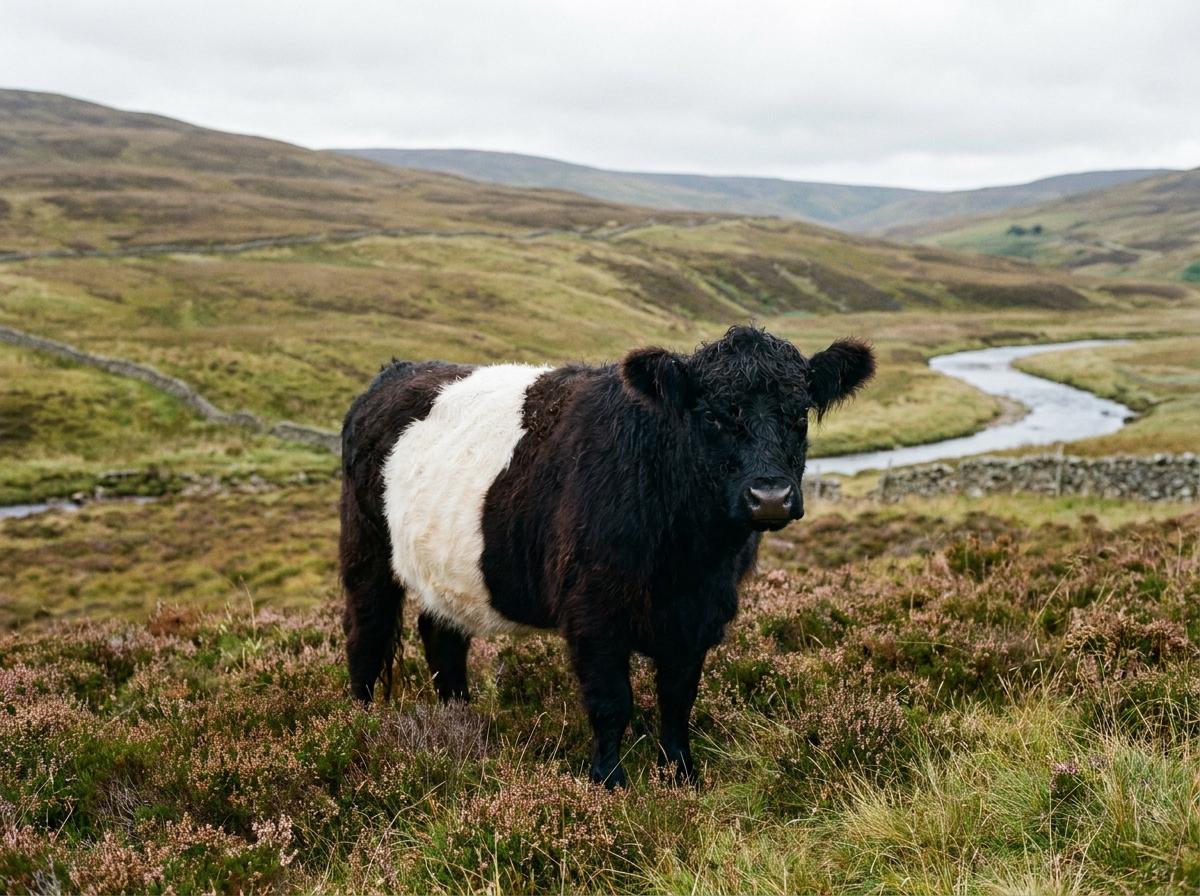
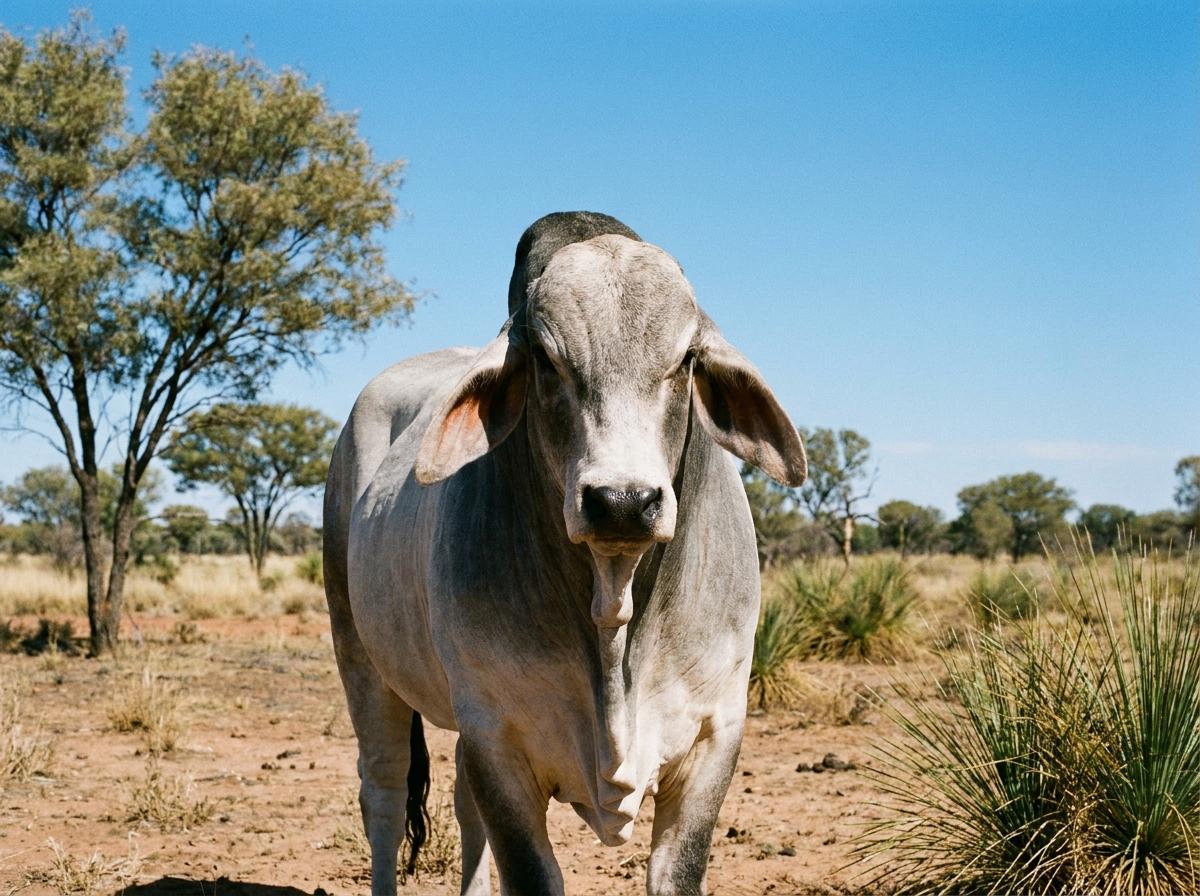
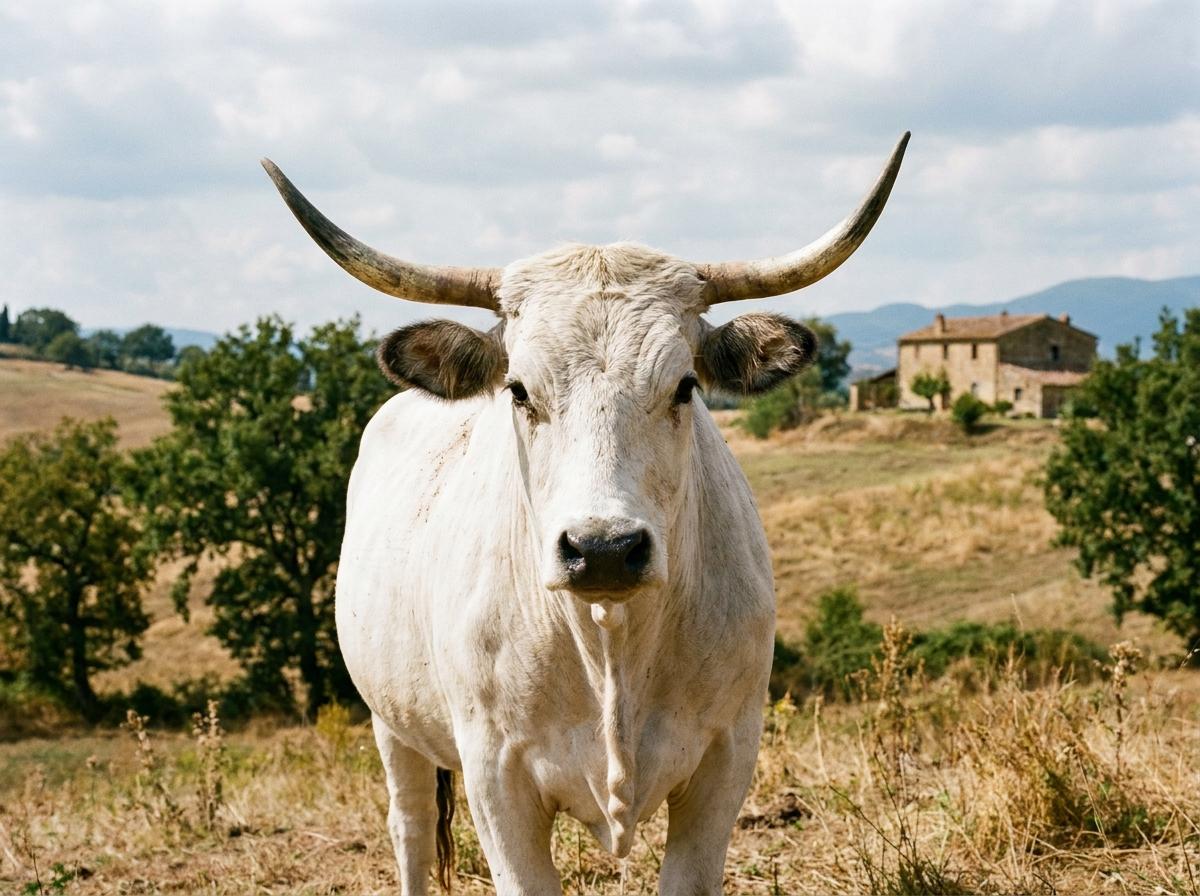
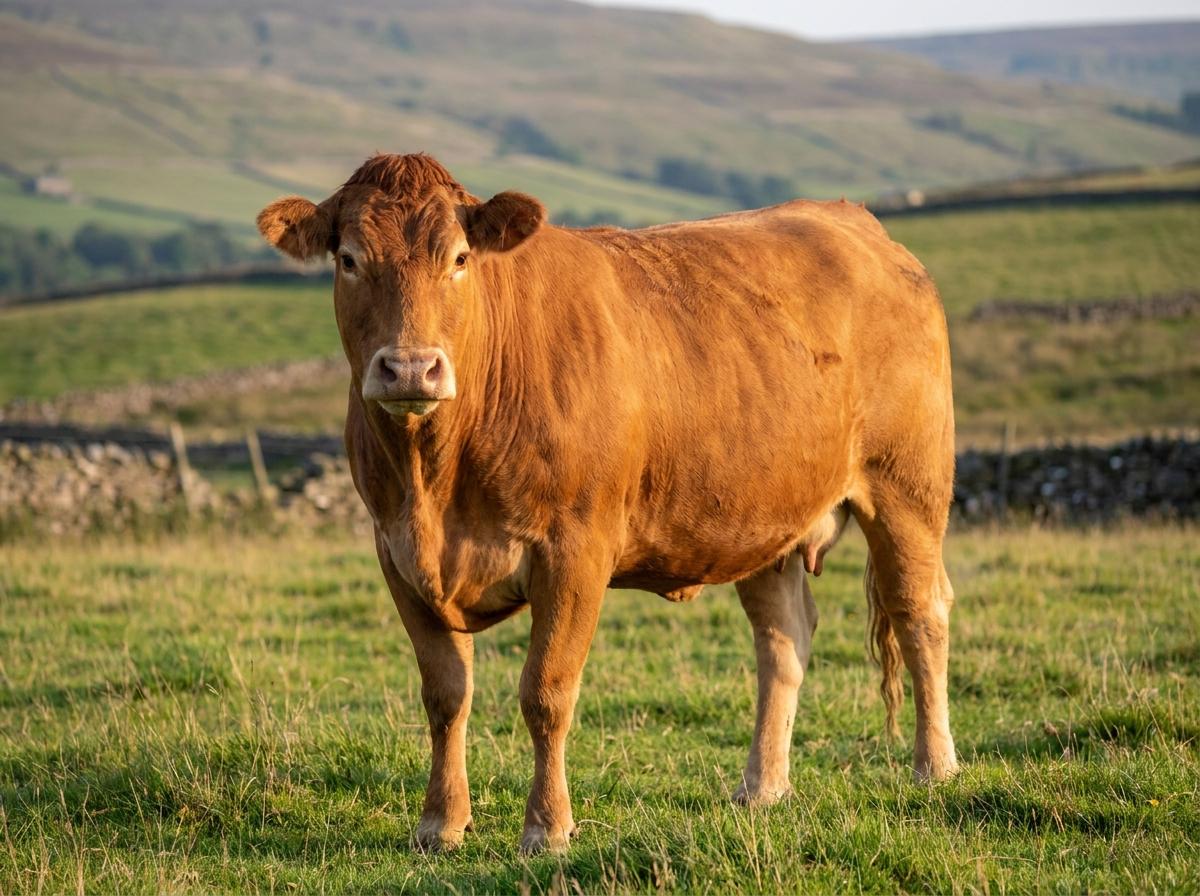
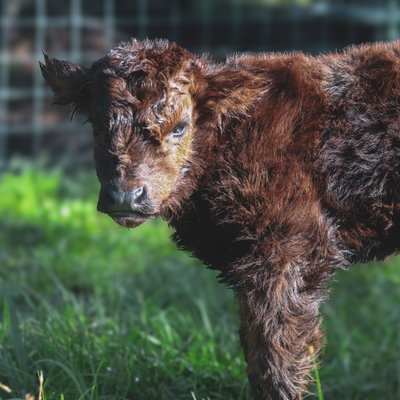
What can be said with confidence comes from the parentage. A population held at roughly half Brown Swiss and half zebu shows both sides at once, and that intermediate character is what the photographs on this page are chosen to show:
- Coat. Solid brown to grey brown, without white patches. Both parent sides are brown to grey brown, which is why the color is consistent, and it was one of the stated reasons Brown Swiss was picked.
- Muzzle. Dark, ringed by a band of paler hair. This light ring around a dark muzzle is a Brown Swiss signature and is one of the easiest European markers to spot on a crossbred.
- Hump. Present but modest. A low rounded rise over the withers, not the tall pronounced hump of a pure Sahiwal or Gir, and not the flat humpless topline of a pure Brown Swiss.
- Dewlap. Loose and folded along the throat and brisket, more than a European dairy cow carries, less than a pure zebu.
- Ears. Medium, carried out and slightly down. Clearly bigger and more out carried than a Brown Swiss ear, nowhere near the long pendulous ear of a Gir.
If an animal shows no hump and no dewlap at all, you are looking at something with far more European inheritance than a Karan Swiss should carry. If it shows a tall hump, a deep pendulous dewlap and long drooping ears, you are looking at a zebu, or a cross with much less exotic inheritance. The whole point of the strain is that it sits between the two.
How much milk a Karan Swiss gives
Two sets of figures exist for this strain, they were measured on different bases, and blending them is how bad numbers get into circulation. Keep them apart.
Current institute herd averages. ICAR-NDRI publishes production performance for every breed on its research farm at Karnal. On that Livestock Farm table, Karan Swiss averages 3,316 kg over a 305 day lactation and 3,602 kg over a full average lactation of 324 days, with 4.2 percent fat and 9.2 percent solids not fat. Age at first calving is 34.6 months, the calving interval is 404 days, and the best 305 day lactation recorded in the herd is 7,096 kg, with a best single day of 44.0 kg. Wet average, meaning the average over cows actually in milk, is 11.3 kg per day.
First lactation research means. The 2004 evaluation analyzed 383 Karan Swiss cows by 28 sires that calved between 1982 and 1992. Their least squares mean first lactation yield was 2,616 kg over 305 days, on a first lactation length of 328 days, with a first calving interval of 435 days. That figure is lower than the herd average above for two ordinary reasons: it covers first lactations only, which are always the lightest a cow will give, and it describes a cohort from three to four decades ago.
Both numbers are real. Neither is “the milk yield of a Karan Swiss” on its own.
The comparison that actually earns its keep is on that same NDRI table, because it puts the strain next to its own zebu parent under the same farm, the same feeding and the same management. Sahiwal at Karnal averages 2,141 kg over 305 days at 5.1 percent fat. Karan Swiss averages 3,316 kg at 4.2 percent fat. So the crossbreeding bought roughly half as much milk again in volume, and gave back close to a percentage point of butterfat. The Karan Swiss also reaches first calving at 34.6 months against the Sahiwal’s 35.4 months, and its best single day in the herd is 44.0 kg against the Sahiwal’s 23.0 kg.
That is the trade in one row of a table: more volume, thinner milk.

What crossbreeding costs, and how much exotic is too much
This is the genuinely interesting question the Karan Swiss was built to answer, and the honest answer is not the flattering one.
European dairy breeds bring yield. Zebu cattle bring heat tolerance, tick resistance and tolerance of tick borne disease, which is why they are the cattle of the tropics in the first place. Cross the two and you do not simply keep both. A 2023 review in Frontiers in Veterinary Science on heat stress in tropical and subtropical dairy cattle puts the mechanism plainly: milk production traits are often antagonistic to heat tolerance, and selecting for higher production without accounting for heat tolerance leaves a population more susceptible to heat stress, not less.
Disease tolerance moves the same way. A 2019 study of Indian cattle published in Infection, Genetics and Evolution found that the harm done by tick borne Theileria annulata infection tracks host type rather than parasite strain. Crossbred cattle carrying the infection while still looking clinically healthy showed measurably worse blood values than uninfected crossbreds, with red cell counts about 13 percent lower, packed cell volume 7.4 percent lower and hemoglobin 8.2 percent lower. Indigenous cattle and buffalo carrying the same infection showed no significant change in those measures. Crossbreds also made up a disproportionate share of the clinical cases.
So the exotic fraction is not a dial you can simply turn up. Push it and you gain yield potential while losing some of the adaptation that made the indigenous parent viable in that climate in the first place. The practical question is where the best return sits, and NDRI tested it directly.
In the Karan Fries program, half bred animals were mated back to Holstein to make 75 percent exotic groups, alongside three breed crosses. Neither beat the simpler option. The three breed crosses showed no significant improvement over the straight F1, and comparing 75 percent exotic against 50 percent exotic showed no significant advantage to the higher level. In the Karan Swiss program, the same testing across F1, F2, half bred and three quarter Brown Swiss groups found no significant heterosis for production either. Both strains ended up held deliberately low: Karan Swiss at a target of one half to five eighths, Karan Fries settling at 62.5 percent.
That is the sentence worth carrying away from this page. At the institute that ran the experiment, on its own herds, going past about half to five eighths exotic inheritance did not buy a significant production advantage. That is what the NDRI comparisons show, and it is all they show; the adaptation cost above rests on separate evidence, the tropical heat stress and Theileria work rather than these herds. Put the two together and the case is straightforward: there was no demonstrated production return for taking on more of that risk. A crossbreeding program that keeps grading up toward the exotic parent because more must be better is not following the evidence these herds produced.
Two more costs showed up in the Karan Swiss data and deserve naming. Of 992 Karan Swiss females born between 1980 and 1991, 14 percent died and 26 percent were culled before ever reaching first calving, so four in ten heifers never entered the milking herd at all. And in a closed herd with a limited number of sires, inbreeding accumulates: the Karan Swiss herd ran at 36.2 percent inbred animals with an average annual increase of 1.96 percent in the inbreeding coefficient, and heifers above 12 percent inbreeding showed poorer production and reproduction.
Keeping a high exotic dairy cow in a hot climate
Everything above turns into a management list. A cow carrying half European dairy inheritance in a hot climate is a higher input animal than her zebu grandmother, and she will tell you so first through heat and parasites. Defer every medical decision to a veterinarian who can examine the animal.
Heat
Shade, airflow and water are not optional extras for this kind of animal, they are the difference between a working cow and a cow that stops eating. Roofed housing with wide open sides, deep enough shade to cover the whole resting area through the day, and constantly available clean water are the baseline. Sprinklers or fans during hot humid spells are standard practice on Indian institute farms for exactly this reason. Heat stress shows up as reduced intake before it shows up in the bulk tank, so watch feeding behavior, not just yield.
Parasites and tick borne disease
Because the tolerance advantage is partly lost, a tick control plan matched to your region is a core part of the program rather than a seasonal afterthought. The Theileria finding above is the reason: a crossbred can carry an infection while looking healthy and still be paying for it in red cell counts. Work with your veterinarian on tick control, on which tick borne diseases are endemic where you are, and on what monitoring is worth doing.
Housing and lying surface
A heavy milking cow needs a clean, dry, generously sized lying area she can get up and down on without injury, ample space to avoid crowding and bullying, and a manger and water trough that are cleaned daily. Wet or fouled lying surfaces are the fastest route to mastitis and lameness in a cow with a big udder.
Feeding
A cow selected to out-milk her zebu parent by half cannot run on sparse grazing. She needs green fodder plus dry roughage and a concentrate ration balanced to her stage of lactation, with minerals and unrestricted clean water. Underfeeding a selected dairy animal costs body condition first, then yield, then fertility.
Records
None of the decisions above can be made on memory. Lactation yields, calving dates, service and conception records, treatments and disease events are what tell you which cows to breed from and which to cull, and they are the only way to see a slow problem before it becomes an obvious one. You can track lactation and health records free on Creatures as you go.

Where the Karan Swiss stands today
The strain still exists and is still recorded. ICAR-NDRI lists it as one of the breeds in the institute research herd at Karnal, alongside Sahiwal, Tharparkar, Karan Fries and Murrah buffalo, and publishes its performance figures every year on the farm page cited above.
Its position relative to its sibling is easy to read from the institute’s own numbers. The Artificial Breeding Research Centre at NDRI publishes its present bull strength and its frozen semen price list. Frozen semen from Sahiwal, Tharparkar, Karan Fries, Karan Swiss and Murrah is available at 20 rupees per 0.25 ml French mini straw, with progeny tested bull straws priced on breeding value. On the bull list that accompanies it, Karan Fries stands at 27 bulls and Karan Swiss at 2. The institute’s Animal Genetics and Breeding division names Sahiwal, Karan Fries and Murrah as the breeds whose high merit proven bulls were produced for dissemination to farmers under the progeny testing program.
Read those three facts together and the picture is consistent: the Karan Swiss is maintained and its genetics remain purchasable, but the institute’s dissemination effort and its national registration have gone to the Karan Fries. Anyone describing Karan Swiss as a breed you can go out and buy into is overstating it.
If you are looking for Karan Swiss cattle
Be realistic about what is available, and to whom.
- Inside India, the practical entry point is frozen semen from the institute’s breeding center, sold on a first come first served basis in limited numbers, with the buyer supplying liquid nitrogen. This is a route for someone already running a herd and already set up for artificial insemination, not a way to acquire an animal.
- Outside India, live cattle imports are tightly restricted on animal health grounds in most countries, and the strain is not exported as a breed. Treat any offer of Karan Swiss cattle outside India with real skepticism, and verify what the animal actually is before anything else.
- If you are buying crossbred dairy stock generally, the questions that matter are the same ones the research above turns on. Ask for the actual lactation records rather than a breed average. Ask what the exotic inheritance level really is, because “crossbred” covers everything from an F1 to a nearly pure exotic. Ask what the herd’s parasite and tick control program is. Look at the udder, the feet and the legs in person, and look at how the herd is housed in the hottest part of the day.
- If a seller quotes you a breed average as though it were the animal’s own record, that is your signal to slow down. On this strain especially, the difference between a first lactation figure, a current herd average and a herd best is the difference between 2,616 kg, 3,316 kg and 7,096 kg.
You can search cattle listings on the Creatures marketplace and look for farms and breeders in the Creatures directory. For related reading on how deliberate crossing and hybridization play out elsewhere in cattle, the Zubron page covers a very different kind of cross, and the American Yorkshire page covers a purebred improver breed whose job in a herd is closer to what Brown Swiss did here.
Frequently asked questions
What is a Karan Swiss cow?
A synthetic dairy strain developed at ICAR-NDRI, Karnal, from 1963 by crossing American Brown Swiss bulls onto Sahiwal and Red Sindhi zebu cows, then breeding the crossbreds among themselves. Present day animals are expected to carry about 50 percent exotic inheritance.
What is the difference between Karan Swiss and Karan Fries?
Different parents and different dates. Karan Swiss is Brown Swiss over Sahiwal and Red Sindhi, started in 1963 and held at about 50 percent exotic. Its sibling is Holstein Friesian over Tharparkar, started in 1971, named in 1982, and stabilized at 62.5 percent Holstein inheritance. Only the sibling holds a national breed registration: ICAR-NBAGR registered Karan Fries as a synthetic breed in November 2025, and Karan Swiss was not part of that round.
How much milk does a Karan Swiss give?
In the ICAR-NDRI institute herd, 3,316 kg over a 305 day lactation and 3,602 kg over a full 324 day lactation, at 4.2 percent fat. The best 305 day lactation recorded in that herd is 7,096 kg. A 2004 study of cows calving between 1982 and 1992 found a first lactation mean of 2,616 kg over 305 days. Those are different measurements of different things, so quote whichever one you mean.
Is a Karan Swiss heat tolerant?
More than a pure European dairy cow, less than its Sahiwal parent. Half its inheritance is zebu, which is where tropical adaptation comes from, but crossbreeding with exotic dairy breeds trades away part of that adaptation along with part of the tick and tick borne disease tolerance. It needs real shade, ventilation and water, and a tick control plan.
Why was Brown Swiss chosen rather than Holstein?
The 2004 institute evaluation records three reasons: high milk production, high fat content, and a coat color that matched the Sahiwal and Red Sindhi cows it was being crossed onto. The Karan Fries program later screened Holstein Friesian, Brown Swiss and Jersey against Tharparkar and settled on Holstein.
Is more exotic inheritance better?
The evidence from these herds says no, past a point. Testing at NDRI found no significant advantage for 75 percent exotic over 50 percent exotic, no significant improvement from three breed crosses over the simple F1, and no significant heterosis for production across the Karan Swiss genetic groups. Both strains were deliberately held at or near half to five eighths exotic.
Can I buy Karan Swiss cattle outside India?
Realistically, no. The strain sits in the institute herd at Karnal and its genetics are sold as frozen semen there. Live cattle imports are tightly restricted in most countries on animal health grounds, and this strain is not exported as a breed.
Is Karan Swiss a recognized breed?
It is a recognized synthetic strain in the research literature and in ICAR-NDRI’s own descriptions of its work, but it does not appear among the synthetic cattle breeds registered by ICAR-NBAGR in the November 2025 announcement, which did include Karan Fries. There is no published national breed descriptor giving standard heights, weights and color for Karan Swiss.
Do this next on Creatures
Whether you are researching crossbred dairy genetics, running a crossbred herd already, or trying to work out which strain the cow in front of you actually is, Creatures is the records, marketplace and directory layer to do it in one place.
Add your cattle. Keeping crossbred dairy cows? Create a free animal profile and record the parentage and exotic inheritance level while you still remember it. No account needed to start. The walkthrough is in adding an animal to Creatures.
Track lactation and health. Breed averages decide nothing; a cow’s own record decides everything. Add a lactation, calving or treatment record. The record sheet opens for any visitor to look around, and a free account is what saves what you enter. See adding a record and health and medical records for the full how to.
Find stock. Browse Karan Swiss on the marketplace, widen to all cattle listings, and search trusted breeders and farms in the Creatures directory.
Get alerted. This strain is concentrated in India, so a listing is a long shot rather than a matter of waiting. If you want the long shot covered, set a free Karan Swiss listing alert and Creatures will tell you if one is ever posted. No account needed to start, and saving searches and using your watchlist explains how it works.
List your farm. Run a dairy herd? Add your operation as an organization so buyers searching for crossbred dairy stock can reach you. No account needed to start. Read getting listed in the breeder directory and creating an organization and adding your team if you manage the herd with other people.
Sell with confidence. Planning to sell stock or semen through the marketplace? Learn how seller payout works before you list.
If you want to compare this strain against the rest of the species before you go further, the Creatures cattle hub lists every cattle breed and strain with a page on the platform.